As Southeast Asia's largest economy, Indonesia is undergoing a rapid industrial transformation driven by the national "Making Indonesia 4.0" initiative. Major manufacturing epicenters, stretching from the automotive production lines in Bekasi and Karawang (West Java) to the heavy marine and machinery complexes of Surabaya (East Java), are encountering an urgent demand for advanced turning tool holder systems. High-precision tooling acts as the direct link between state-of-the-art CNC machining hubs and finished components.
The growth of local industrial sectors—specifically automotive assembly, aerospace prototyping, nickel ore refining processing equipment, and agricultural machinery—places severe demands on tool holding configurations. In these high-performance environments, standard lathe tool holders face excessive thermal expansion and vibratory deflection, which can lead to premature insert failure and machine downtime.
In response, Indonesian manufacturing firms are upgrading from conventional machinery to high-rigidity CNC tool holder solutions. By applying specialized clamping mechanisms, such as P-type toggle clamps, D-type multi-lock configurations, and S-type screw-on mechanisms, workshops across Java and Sumatra are optimizing their operations. This shift improves dimensional stability, achieves tighter tolerances, and maximizes metal removal rates (MRR) under demanding conditions.
Key engineering performance metrics achieved by upgrading to professional tool holder systems in regional factories:
To navigate the shift from general-purpose metal cutting to automated high-speed turning, our product design relies on three core technological pillars. These developments address thermal stabilization, high-vibration machining, and digital control integration.
Internal channels direct coolant precisely to the cut zone. This design lowers temperatures at the insert tip and improves chip management when machining sticky metals like low-carbon steels and titanium.
Heavy alloy shanks and internal damping mechanisms reduce high-frequency chatter. This technology extends insert service life and maintains consistent surface finishes on long-reach boring bars.
Our tool holders are built to match international ISO shank standards. They connect smoothly with automatic tool changers (ATC) and modern digital tracking platforms for smart shop management.
Operating conditions in Indonesia are shaped by unique regional factors: high humidity levels, variations in local steel formulations, and demanding production schedules. When machining challenging materials, such as nickel-rich alloys or cast iron, choosing the correct tool holder and insert combination is essential. Poor tooling choices can result in structural micro-cracks, unexpected tool breakage, and out-of-tolerance parts.
To address these challenges, our macro industrial solutions deliver robust support for heavy-duty setups. Engineered tool geometries reduce radial cutting forces and redirect loads along the spindle axis. This design protects machine bearings from early wear while maintaining surface finishes under high cutting speeds (Vc).
Dongguan Carto Tool Co., Ltd. is a professional manufacturer specializing in industrial cutting tools, CNC machining tools, milling systems, turning solutions, and precision metal cutting technologies. The company is dedicated to providing high-performance tooling solutions for modern manufacturing industries, including automotive, aerospace, mold processing, machinery production, and general metal fabrication.
Since its establishment, Carto Tool has developed from a small-scale cutting tool workshop into a specialized industrial tooling supplier with integrated R&D, production, and quality control capabilities. In its early stage, the company focused on basic turning and milling tool production for local machining workshops. With the rapid growth of China’s manufacturing sector, Carto Tool expanded its technology base and began developing more advanced CNC-compatible cutting systems to meet higher precision and efficiency requirements.
During its development phase, the company invested in carbide material research, coating technology improvements, and CNC tool geometry optimization. It introduced modern production lines and precision grinding equipment to ensure stable performance and long tool life. At the same time, Carto Tool strengthened its testing systems to improve cutting accuracy, wear resistance, and thermal stability across different machining environments.
Today, Dongguan Carto Tool Co., Ltd. serves global industrial clients with a wide range of cutting tool solutions designed for high-speed, high-precision, and heavy-duty applications. The company continues to focus on innovation in CNC machining efficiency, metal cutting performance, and cost optimization for manufacturers. With a commitment to quality and engineering excellence, Carto Tool aims to become a trusted international supplier in the industrial cutting tools industry, supporting smarter and more efficient global manufacturing systems.
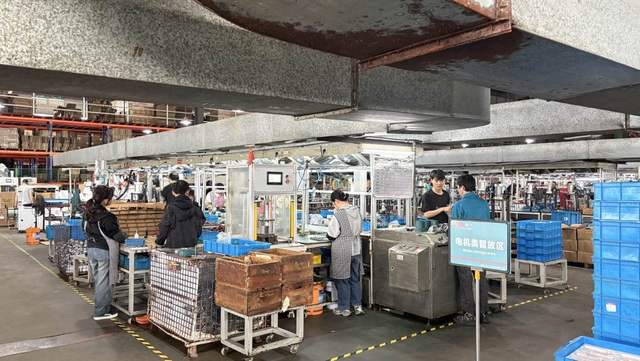
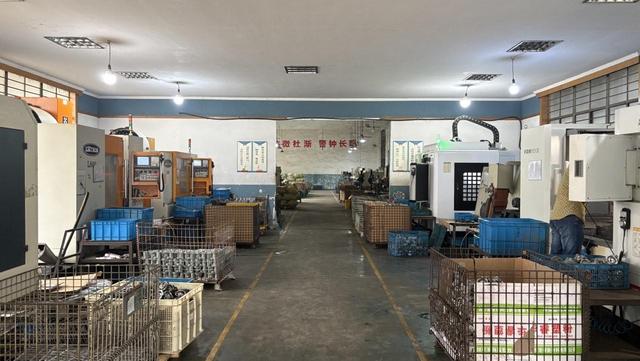
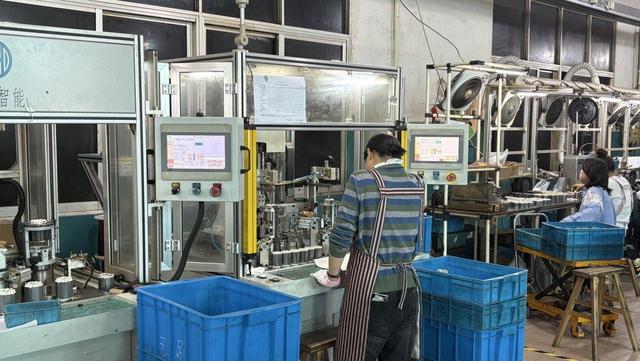
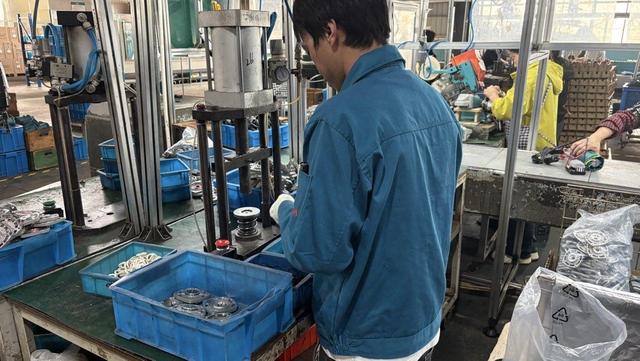
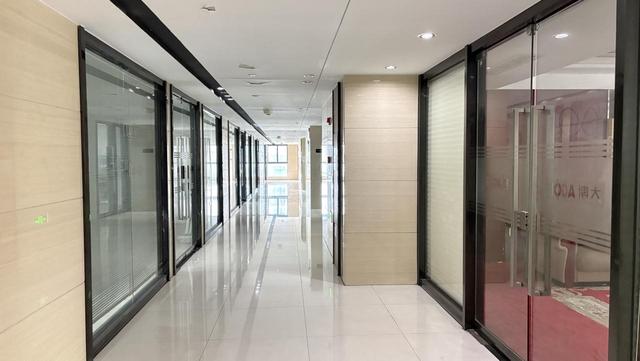
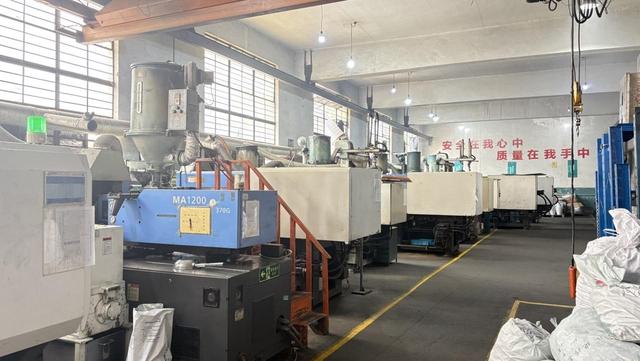
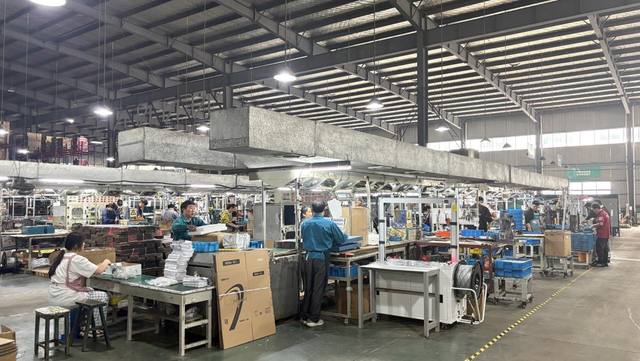
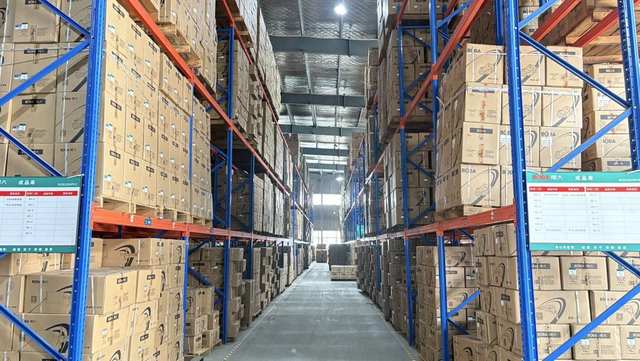
By operating our manufacturing facilities in Dongguan, Southern China's industrial core, Carto Tool leverages a highly developed manufacturing ecosystem. Our Factory 4.0 facilities utilize automated robotic arms, multi-axis precision grinding machines, and digital quality monitoring systems. This integration ensures that every tool holder batch meets strict ISO 9001 quality guidelines.
This advanced production structure translates directly into key operational benefits for partners in Indonesia:
Expanding industrial operations into Southeast Asia requires navigating local regulatory and logistical environments. Carto Tool supports Indonesian manufacturing partners through comprehensive export documentation, ensuring smooth clearing through local customs (Bea Cukai).
We supply detailed technical data sheets, product origin certificates, and customs documentation to prevent clearing delays. In addition, our engineering support provides guidance on setting optimal feeds, speeds, and cutting parameters for different tool configurations, helping local operators achieve reliable tool performance from day one.
 Carto Tool