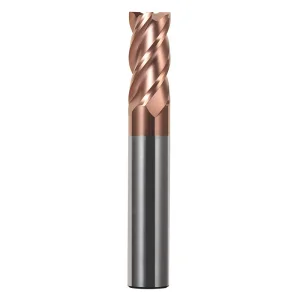
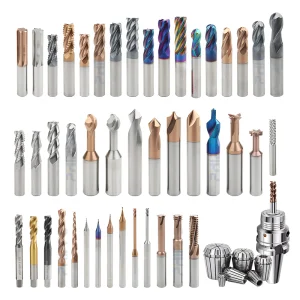
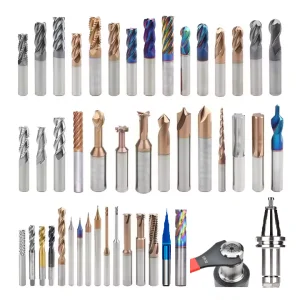
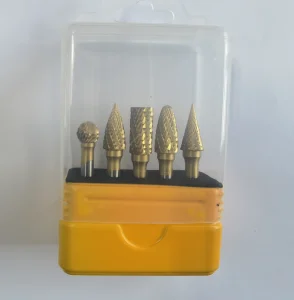
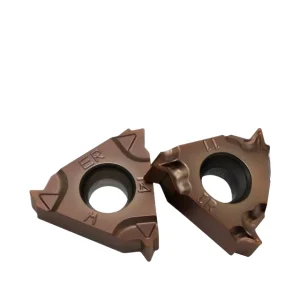
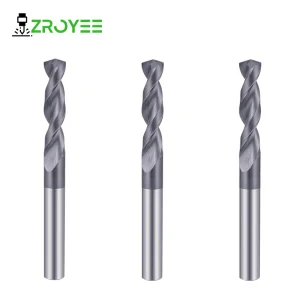
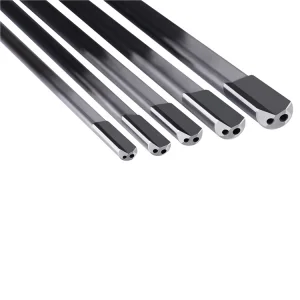
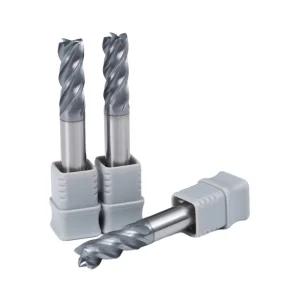
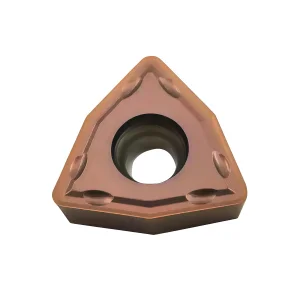
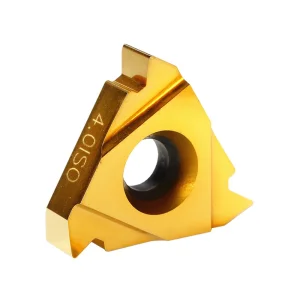
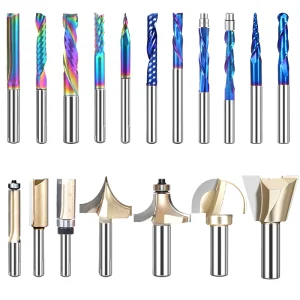
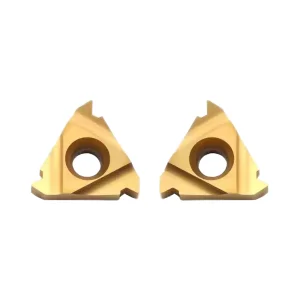
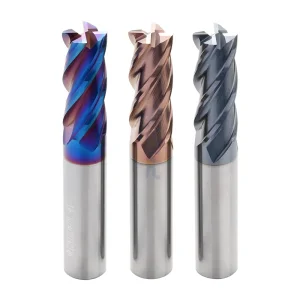
Premium grade solid carbide tools with optimized coating profiles for high-speed machining (HSM).
Decades of Engineering Precision in Metal-Cutting Tool Systems
Dongguan Carto Tool Co., Ltd. is a professional manufacturer specializing in industrial cutting tools, CNC machining tools, milling systems, turning solutions, and precision metal cutting technologies. The company is dedicated to providing high-performance tooling solutions for modern manufacturing industries, including automotive, aerospace, mold processing, machinery production, and general metal fabrication.
Since its establishment, Carto Tool has developed from a small-scale cutting tool workshop into a specialized industrial tooling supplier with integrated R&D, production, and quality control capabilities. In its early stage, the company focused on basic turning and milling tool production for local machining workshops. With the rapid growth of China’s manufacturing sector, Carto Tool expanded its technology base and began developing more advanced CNC-compatible cutting systems to meet higher precision and efficiency requirements.
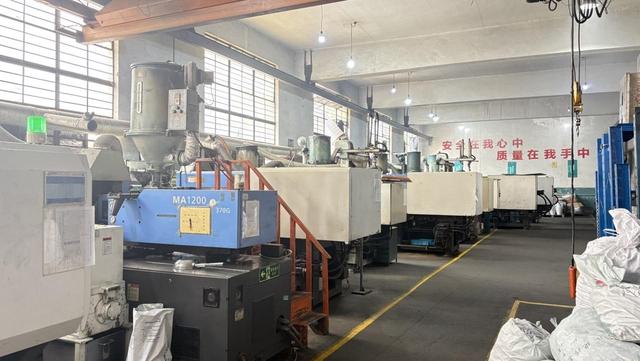
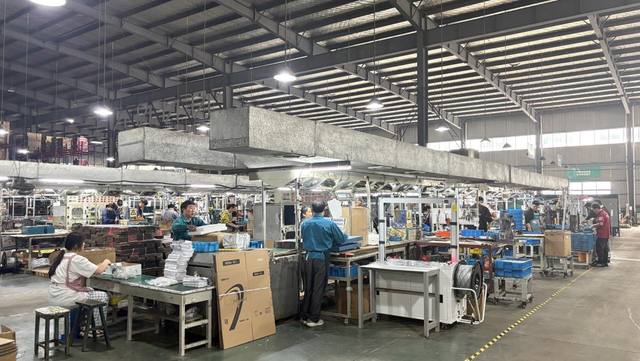
During its development phase, the company invested in carbide material research, coating technology improvements, and CNC tool geometry optimization. It introduced modern production lines and precision grinding equipment to ensure stable performance and long tool life. At the same time, Carto Tool strengthened its testing systems to improve cutting accuracy, wear resistance, and thermal stability across different machining environments.
Today, Dongguan Carto Tool Co., Ltd. serves global industrial clients with a wide range of cutting tool solutions designed for high-speed, high-precision, and heavy-duty applications. The company continues to focus on innovation in CNC machining efficiency, metal cutting performance, and cost optimization for manufacturers. With a commitment to quality and engineering excellence, Carto Tool aims to become a trusted international supplier in the industrial cutting tools industry, supporting smarter and more efficient global manufacturing systems.
Optimizing Substrates and Thin-Film Wear-Resistant Layers for High-Performance Metal Removal
At the core of every modern high-efficiency milling or turning operation is the combination of tungsten carbide substrate morphology and PVD/CVD hard coatings. Simply depositing standard thin-films is no longer sufficient for demanding aerospace and hard metal applications. In Carto Tool's product line, sub-micron (0.4μm - 0.6μm) and ultra-fine grain size tungsten-cobalt carbide substrates are paired with optimized binder contents (6% to 12% Co). This ensures that while the surface displays immense wear and thermal resistance, the substrate maintains the structural integrity required to resist chip load shock and prevent microscopic chipping along the cutting edges.
Modern machining requires different thermal and physical properties depending on the material being cut. Understanding the variations between different coatings prevents premature tool failure and optimizes tool life:
| Coating Material | Microhardness (HV) | Max. Operating Temp (°C) | Friction Coefficient vs. Steel | Best Suited Application Scenarios |
|---|---|---|---|---|
| TiN (Titanium Nitride) | 2,300 | 600°C | 0.40 | General carbon steel machining, low-speed drilling, brass, and aluminum profiling. |
| TiAlN (Titanium Aluminum Nitride) | 3,000 - 3,300 | 800°C | 0.35 | High-speed milling, hardened alloy steels, cast iron, dry machining applications. |
| AlTiN (Aluminum Titanium Nitride) | 3,500 - 3,800 | 900°C | 0.30 | Extreme hardness materials (HRC55+), aerospace nickel-superalloys, high-temperature tooling. |
| TiCN (Titanium Carbonitride) | 3,000 | 400°C | 0.20 | Abrasive steel machining, high-performance thread turning, tapping, interrupted cutting. |
| AlCrN (Aluminum Chromium Nitride) | 3,200 | 1,100°C | 0.35 | Heavy-duty roughing, high-feed milling, heat-resistant stainless steels. |
High-performance titanium aluminum coatings like TiAlN and AlTiN utilize a thermodynamic mechanism to protect the cutting edge. Under high-temperature cutting loads (which frequently exceed 800°C at the contact point), the aluminum content within the coating layer migrates to the outer surface and reacts with ambient oxygen to form a micro-thin, highly stable Aluminum Oxide (Al₂O₃) passivation layer. This passive ceramic film acts as a solid thermal barrier, deflecting heat away from the tool core and directing it into the evacuating chips. This drastically limits thermal diffusion and crater wear on the tool face.
How Carto Tool Systems Solve Real-world Machining Challenges Globally
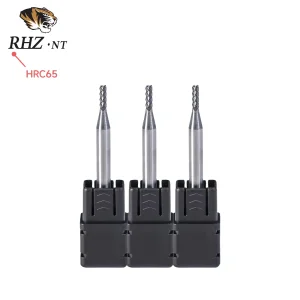
In localized mold-making shops across North America and Europe, machining hardened steels (HRC 50–65) requires high thermal stability. Carto's 4-flute AlTiN and CrAlN coated end mills allow dry high-speed finishing operations, maintaining dimensional tolerances within ±5 microns.
Machining exotic superalloys, such as Inconel 718 and Titanium (Ti-6Al-4V), leads to severe work-hardening and excessive friction. Our variable helix geometries and multi-layered AlCrN coatings minimize harmonic vibrations, heat generation, and notch wear.
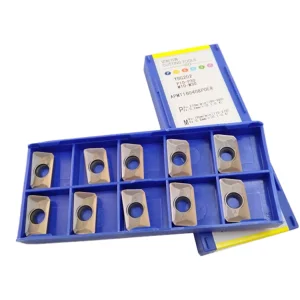
High-volume automotive components, like aluminum engine blocks and cast-iron cylinder heads, demand long-run tool reliability. Carto's customized step drills and insert systems with PVD TiN and TiCN coatings reduce tool-change downtime by up to 40%.
Leveraging Advanced Infrastructure, Raw Material Security, and Rigorous QA Standards
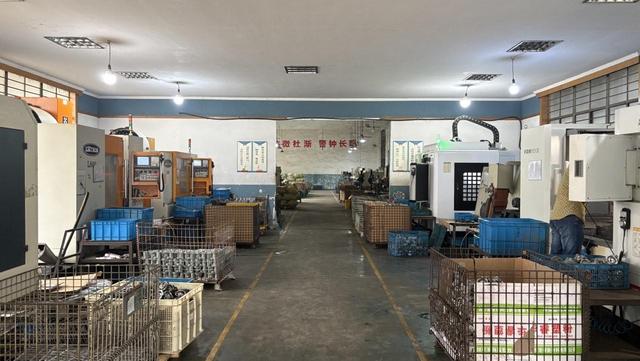
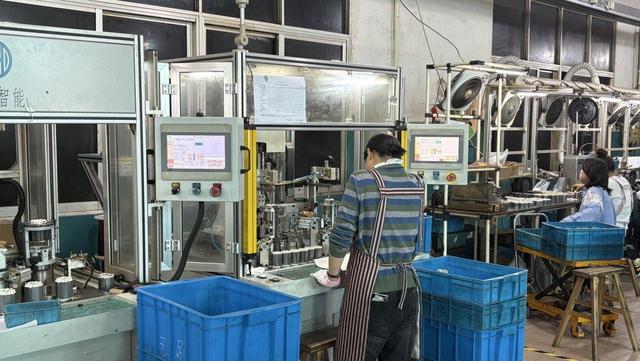
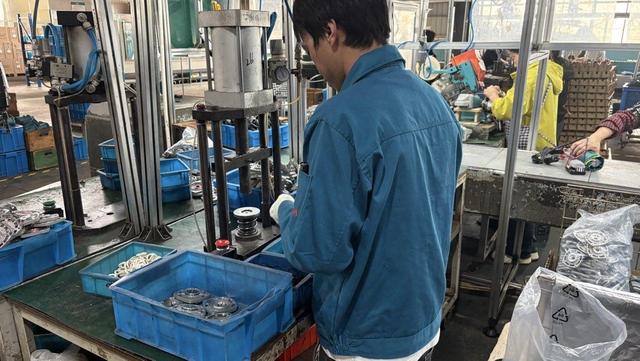
Operating within Dongguan, the absolute heartland of China's advanced hardware manufacturing hub, Dongguan Carto Tool Co., Ltd. leverages a highly integrated localized industrial ecosystem. Our proximity to premium raw-material suppliers allows us to source raw tungsten carbide powder and blanks with highly stable compositions. This vertical access, coupled with highly optimized production processes, protects our supply chain from raw material price swings and transport interruptions.
By adopting state-of-the-art 5-axis CNC tool grinding centers, automatic optical measurement machines, and high-performance physical vapor deposition (PVD) coating chambers, we offer precision tooling at highly competitive price points. This integration is backed by a strict, multi-step quality assurance program where every batch undergoes thorough geometrical and surface evaluations (including edge radiusing, helix runout tests, and micro-hardness profiling). This guarantees that every tool sent to our international clients matches OEM requirements.
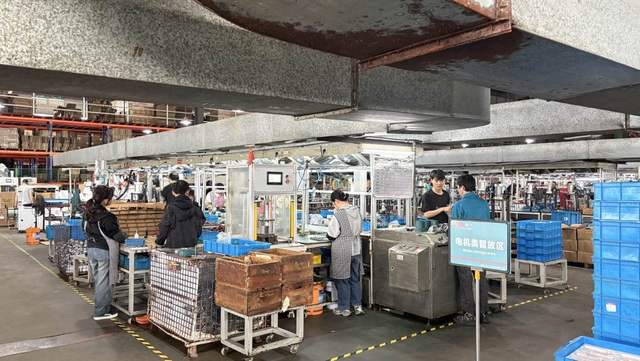
The Next Paradigm of Hard Material-Removal Technologies
The manufacturing world is quickly moving toward dry high-speed machining and the processing of composite materials. In response to these changes, Carto Tool is actively investing in the next generation of tooling technologies:
Simplifying Logistics and Quality Integration for Global Industries
All Carto Tool products comply with ISO 9001:2015 quality guidelines. We check raw materials, process stability, and final geometries to keep our quality consistent across batches.
Our application engineers can design custom cutting tool geometries for specific cutting conditions. We analyze speeds, feeds, and depth of cut to help you get the most out of your tooling budget.
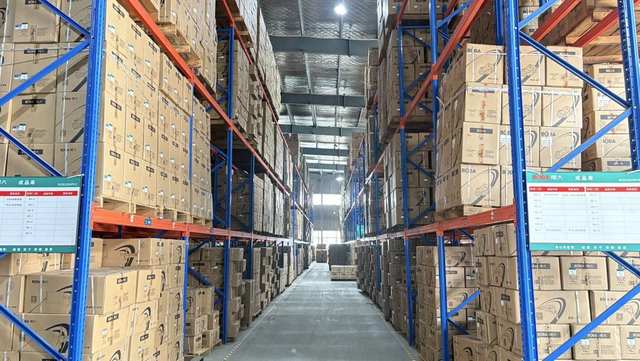
With established air and sea freight logistics channels, we offer fast delivery times, custom packaging options, and support for clean customs processing in Europe, the Americas, and Southeast Asia.
Get answers to common technical questions about coatings, cutting parameters, and product selections
Optimize your manufacturing processes with high-quality, durable drill bits, threading inserts, and custom tools.
 Carto Tool