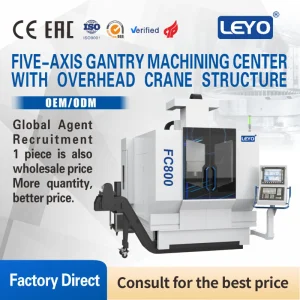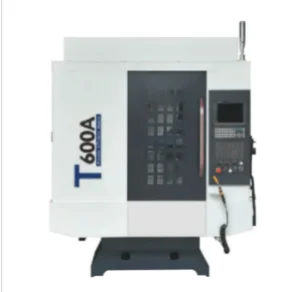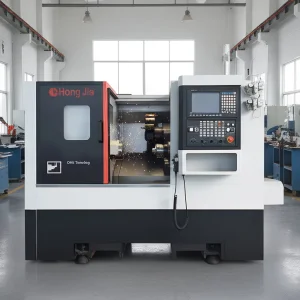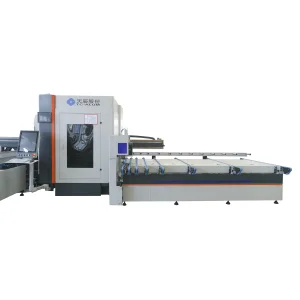
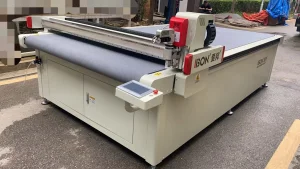
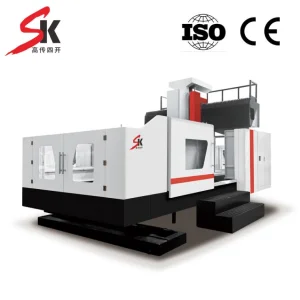
Dongguan Carto Tool Co., Ltd. is an internationally recognized, professional manufacturer specializing in heavy-duty industrial cutting tools, high-speed CNC machining tools, advanced precision milling systems, high-efficiency turning solutions, and specialized metal cutting technologies. Focused on high-performance tooling systems, the company provides mission-critical components and systems for modern manufacturing sectors worldwide, notably within the automotive, aerospace, precision mold processing, heavy machinery production, and medical equipment fabrication fields.
"From a local specialized workshop to a globally active technological powerhouse, Carto Tool has continually pushed the boundaries of metallurgical science and structural engineering to support industrial clients with high-speed, high-precision machining systems."
Since its establishment, Carto Tool has transitioned from a localized cutting tool workshop into an integrated industrial tooling supplier with complete research and development, physical testing laboratories, and automated manufacturing pipelines. In our early stages, the company focused on basic turning and milling inserts for regional machining facilities. Recognizing the shift in China's manufacturing sector toward automation and tight tolerance compliance, Carto Tool expanded its technological core by developing advanced CNC-compatible cutting systems to meet strict precision and tool-life parameters.
During our growth phase, we made substantial capital investments in carbide materials science, advanced physical vapor deposition (PVD) coating formulations, and high-precision CNC tool geometry optimization. By importing five-axis grinding systems and optical tool analyzers, Carto Tool secured a reliable manufacturing chain. Continuous testing under high mechanical loads and elevated thermal states ensures stability, predictable tool life, and chip-evacuation profiles across challenging machining environments.
Modern industrial production relies heavily on high-speed machining (HSM) and high-performance cutting (HPC) methodologies. Globally, precision milling cutting systems are no longer viewed merely as consumable components; they are critical subsystems that dictate the uptime, volumetric removal rates, and overall operational efficiency of multimillion-dollar machine tool centers.
Industrial operations in Europe and North America have transitioned toward five-axis simultaneous milling to machine complex, thin-walled structural elements in single setups. This requires cutting tool systems to run at speeds exceeding 20,000 RPM while maintaining radial and axial runout tolerances of less than 3 microns. High balance quality (G2.5 dynamically balanced) is essential to prevent spindle wear and chatter marks.
The growth of carbon-fiber-reinforced polymers (CFRP), titanium alloys (such as Ti-6Al-4V), and nickel-based superalloys (like Inconel 718) has pushed standard cutting materials to their limits. Modern factories require customized geometries, variable helix angles to suppress vibration, and thermal-barrier coatings to prevent heat transfers into the spindle nose.
To meet these needs, manufacturers require integrated tooling setups: combining advanced substrates, PVD/CVD coatings, high-pressure fluid delivery, and smart fixturing. Carto Tool's focus on engineering whole cutting systems—rather than individual loose endmills—ensures our clients achieve stable processes with minimal machine downtime.
Achieving reliable tool life and high surface quality in hard metal cutting requires a balanced approach to carbide grain size, cobalt binder percentages, and edge preparation. The engineering roadmap at Carto Tool focuses on three pillars of innovation:
Using sub-micron tungsten carbide grains (0.4μm to 0.7μm) bonded with 10% to 12% Cobalt. This composition balances hardness (preventing abrasive flank wear) and fracture toughness (preventing edge chipping during interrupted cuts).
PVD coating technology featuring AlTiN and TiAlN layers, complemented by high-temperature Silicon-doped nanocomposite structures (nACo). These coatings withstand oxidation temperatures up to 1100°C.
Through-spindle high-pressure coolant (TSC) delivery channels. Delivering up to 50 bar of pressure directly to the shearing zone reduces tool temperatures and clears chips to prevent re-cutting.
By controlling cutting edge geometries down to the micrometer level via drag-finishing processes, Carto Tool eliminates micro-cracks on grinding lines. This edge preparation process creates a controlled radius on the cutting edge (honing), which stabilizes the tool and prevents premature chipping.
Dongguan is a major global hub for precision manufacturing. By base-operating our production in Dongguan, Carto Tool leverages a dense industrial network to optimize product quality and speed-to-market.
Every step of production—from raw carbide formulation, heat treatment, precision grinding, PVD coating, and optical metrology inspection—is completed within a 50-kilometer radius. This geographic concentration minimizes transit times, simplifies quality control, and allows us to ship customized tools in days rather than weeks.
Dongguan’s scale allows us to run high-volume production with lower raw material costs. Advanced automation keeps our pricing competitive, enabling us to reinvest in precision inspection systems, like Zoller tool presetters and Keyence digital measurement equipment.
Different regions and materials present distinct machining challenges. Our tooling solutions are designed for real-world production environments:
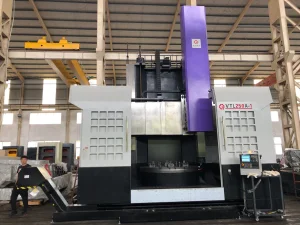
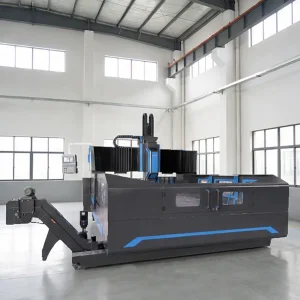
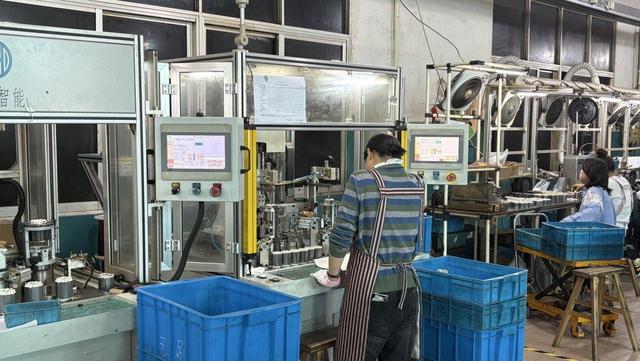
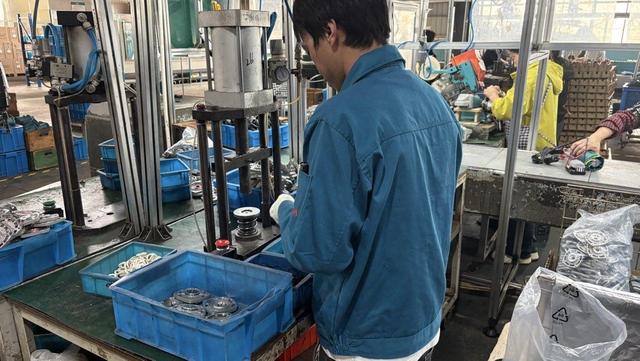
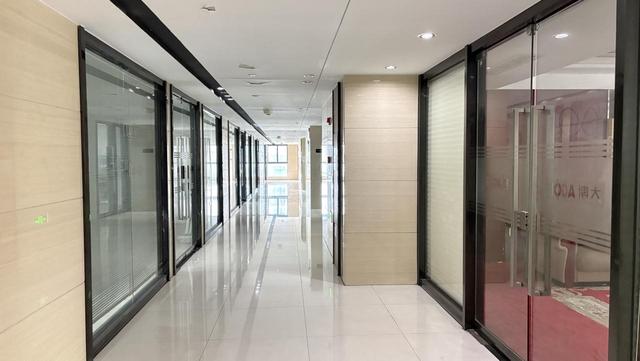
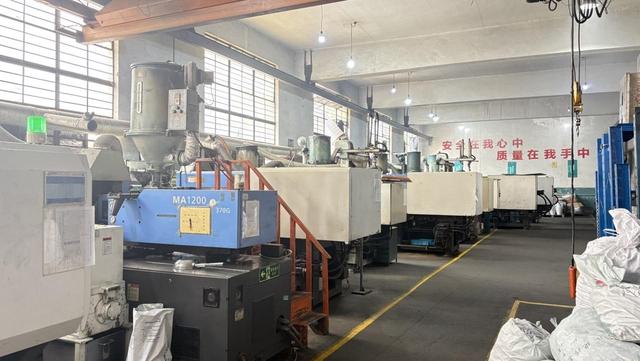
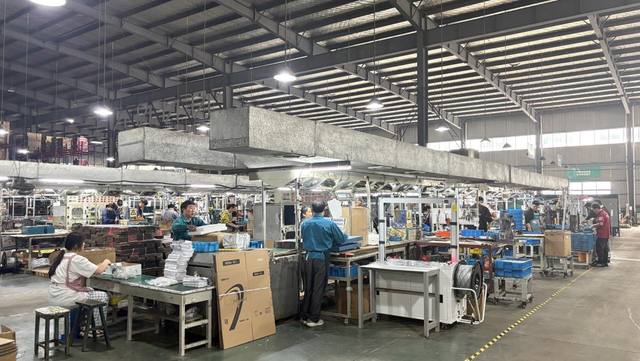
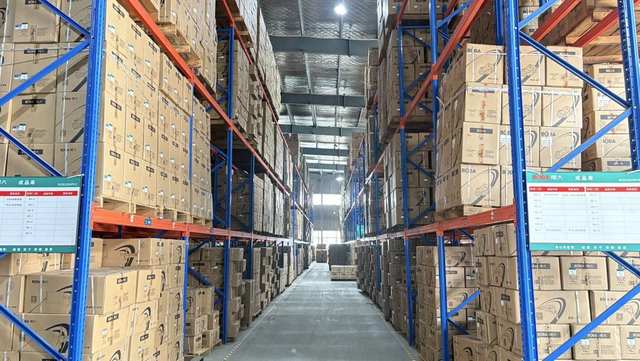
Our production facility is equipped with automated grinding machinery, specialized coating centers, and quality control systems to ensure reliable performance across all product lines.
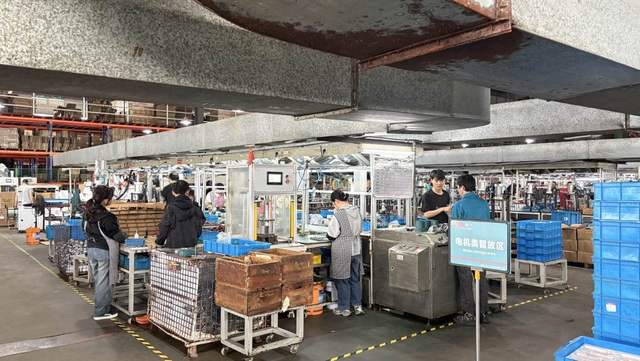
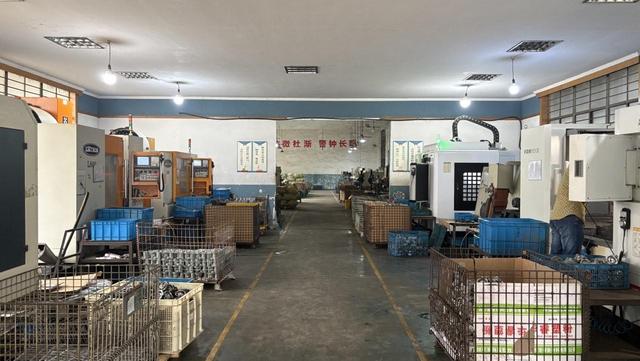
Carto Tool exports to major manufacturing markets worldwide. We maintain compliance with international standards to ensure our products align with the technical requirements of global machine systems.
All end mills, drills, indexable inserts, and tool holders are manufactured according to DIN standards (such as DIN 6527 for carbide end mills). Our manufacturing facility operates under an ISO 9001:2015 certified quality management system, maintaining consistent dimensional control across production batches.
We provide engineering support to help optimize cutting parameters (such as cutting speed Vc, feed rate fz, and depth of cut ap/ae). Our design team works directly with clients to develop custom tooling geometries for specialized production processes.
 Carto Tool