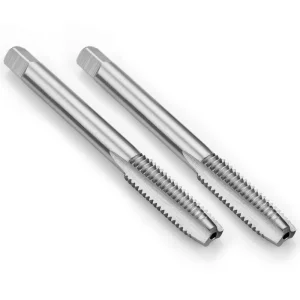
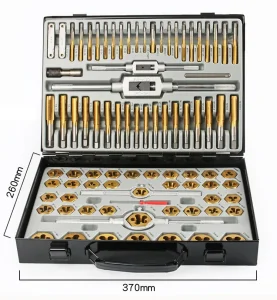
Engineered with TiN/TiCN coatings and premium grade raw cobalt alloy materials to deliver stable tool performance and extended wear life under extreme CNC machining environments.
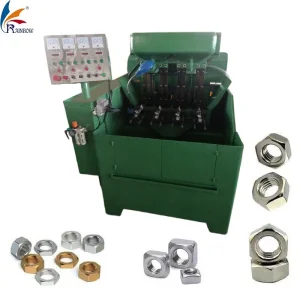
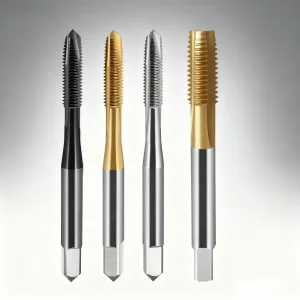
An in-depth structural review of high-performance metal machining, micro-geometries, material advancements, and automated threading systems.
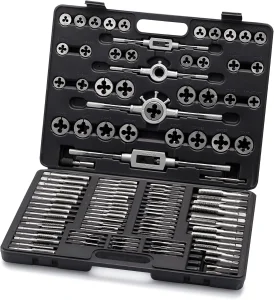
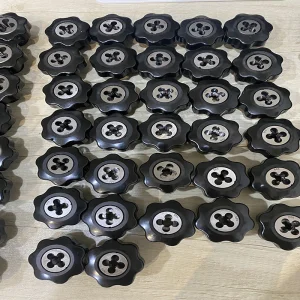
In modern manufacturing, creating internal and external threads with high precision is critical for assembly and structural integrity. Threading and tapping cutting systems encompass a broad array of tooling, including machine taps, dies, thread mills, and automated cutting machinery. Tapping is the process of generating internal thread paths, while threading refers to producing external grooves on cylindrical surfaces.
Industrial manufacturers must handle a wide variety of materials, ranging from soft non-ferrous metals like aluminum and brass to highly stubborn materials like HRC 60-65 stainless steel and titanium alloys. Resolving the friction, thermal deflection, and chip evacuation challenges associated with these processes demands precision-designed micro-geometries and robust substrate coatings (such as Titanium Nitride - TiN and Titanium Carbonitride - TiCN).
The manufacturing sector uses two main technical approaches to generate internal threads: machine tapping and CNC thread milling. Each method has distinct characteristics optimized for different production runs:
| Characteristic | High-Speed Machine Tapping | CNC Thread Milling |
|---|---|---|
| Cutting Tool Mechanism | Translational axial force matching thread pitch. | Helical interpolation via multi-axis CNC movements. |
| Workpiece Speed | Low to medium RPM with synchronous spindle control. | High RPM with optimized feed rates. |
| Cycle Times | Extremely fast; ideal for high-volume automated production. | Moderately slower but highly versatile. |
| Broken Tool Risks | Higher risk of tool breakage inside blind holes. | Low risk; broken fragments are easily extracted. |
| Target Material Hardness | Up to HRC 65 using premium cobalt alloy HSS. | Capable of hardened tool steels and advanced superalloys. |
Exploration of the transition from traditional carbon steels to advanced sintered carbide substrate matrixes and advanced nanostructured PVD coatings.
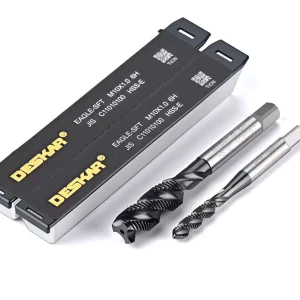
Modern high-speed machine taps use High-Speed Steel with high Cobalt concentration (HSSE-Co5 or HSSE-Co8). Cobalt enhances red hardness, allowing the tap to cut at higher temperatures without losing its hardness profile. For hard metal processing above HRC 60, modern CNC lines transition to solid micro-grain tungsten carbide, providing maximum rigidity.
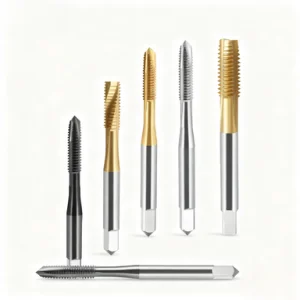
Uncoated taps suffer from built-up edges (BUE) and high friction. Physical Vapor Deposition (PVD) coatings resolve this: TiN (Titanium Nitride) reduces friction coefficients (approx. 0.40) and withstands heat up to 600°C. TiCN (Titanium Carbonitride) incorporates carbon to boost surface hardness to ~3000 HV, ideal for abrasive stainless steels.
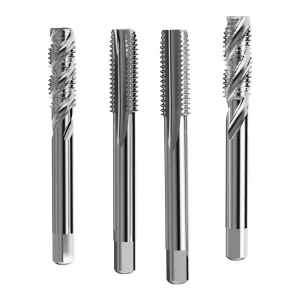
Chip evacuation dictates the success of a tapping process. Straight Flute Taps are suited for short-chipping materials like cast iron. Spiral Flute Taps pull stringy chips back out of blind holes, whereas Spiral Point Taps (gun taps) push chips forward through open, through-hole assemblies.
How threading and tapping systems are configured for high-demand industrial sectors globally.
In automotive assembly, high-speed, synchronized tapping is critical. The shift to electric vehicles has introduced new challenges, requiring precise threading in thin-walled, structural cast aluminum components and EV battery enclosures. Tapping systems must maintain tight tolerances (H6/6H limits) at high speeds to prevent strip-out issues and secure these components.
Aerospace structural components use high-strength materials like Titanium (Ti-6Al-4V) and Inconel. Tapping these materials can cause rapid tool wear due to low thermal conductivity. Machine shops rely on specialty JIS and DIN cobalt taps with optimized relief angles and advanced coatings like TiAlN to handle these tough materials and ensure reliable performance.
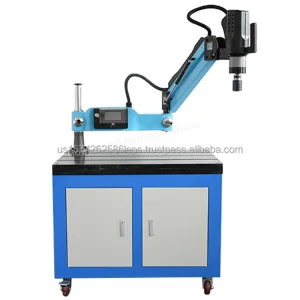
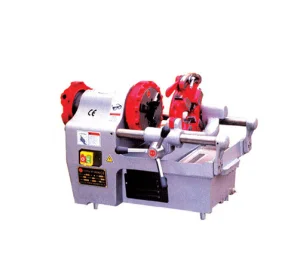
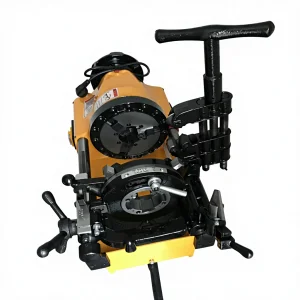
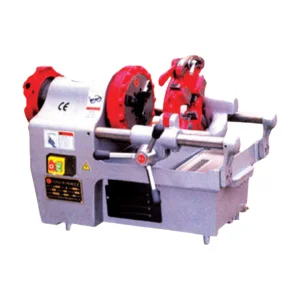
Large-scale piping networks and oil-country tubular goods (OCTG) require robust thread profiles, such as API or NPT standards. High-power, mobile, and desktop electric threading machines are used to cut and tap heavy-walled galvanized and stainless steel pipes on-site, ensuring leak-proof connections.
A leading manufacturer of high-precision CNC metal cutting, turning, milling, and specialized threading systems.
Dongguan Carto Tool Co., Ltd. is a professional manufacturer specializing in industrial cutting tools, CNC machining tools, milling systems, turning solutions, and precision metal cutting technologies. The company is dedicated to providing high-performance tooling solutions for modern manufacturing industries, including automotive, aerospace, mold processing, machinery production, and general metal fabrication.
Since its establishment, Carto Tool has developed from a small-scale cutting tool workshop into a specialized industrial tooling supplier with integrated R&D, production, and quality control capabilities. In its early stage, the company focused on basic turning and milling tool production for local machining workshops. With the rapid growth of China’s manufacturing sector, Carto Tool expanded its technology base and began developing more advanced CNC-compatible cutting systems to meet higher precision and efficiency requirements.
During its development phase, the company invested in carbide material research, coating technology improvements, and CNC tool geometry optimization. It introduced modern production lines and precision grinding equipment to ensure stable performance and long tool life. At the same time, Carto Tool strengthened its testing systems to improve cutting accuracy, wear resistance, and thermal stability across different machining environments.
Today, Dongguan Carto Tool Co., Ltd. serves global industrial clients with a wide range of cutting tool solutions designed for high-speed, high-precision, and heavy-duty applications. The company continues to focus on innovation in CNC machining efficiency, metal cutting performance, and cost optimization for manufacturers. With a commitment to quality and engineering excellence, Carto Tool aims to become a trusted international supplier in the industrial cutting tools industry, supporting smarter and more efficient global manufacturing systems.

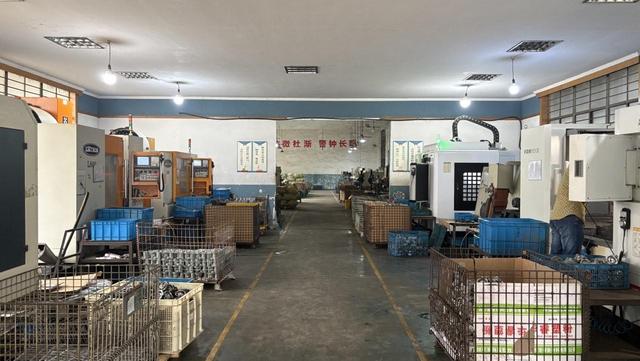
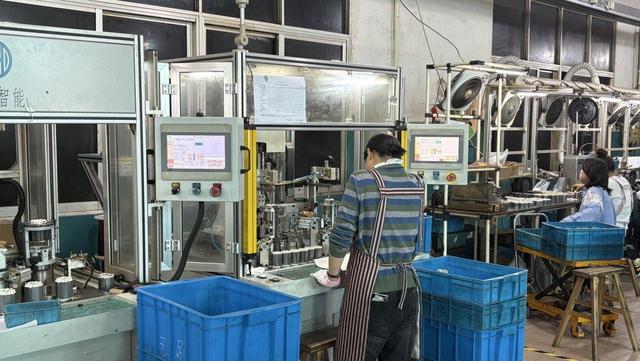
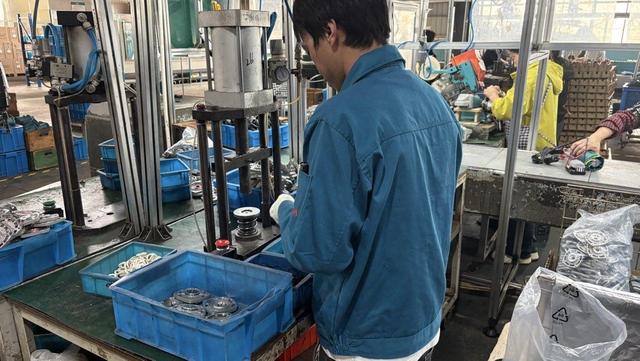

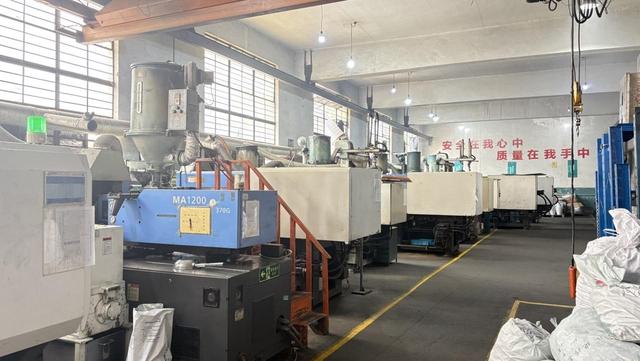
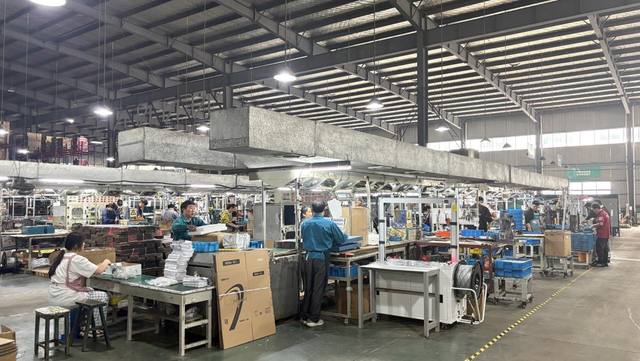

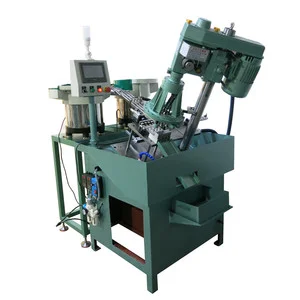
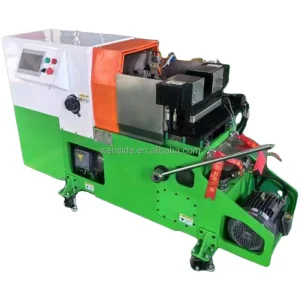
Heavy-duty solutions designed for automated production lines, offering high efficiency, reliable performance, and long tool life.
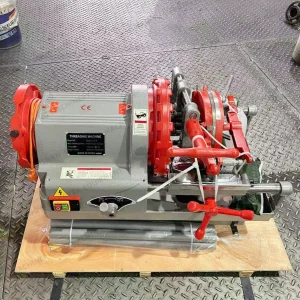
Technical guidance on coating selection, material handling, chip evacuation, and optimizing tool performance.
TiN (Titanium Nitride) offers good lubricity (coefficient of friction ~0.40) and thermal protection up to 600°C, making it suitable for general steel, brass, and aluminum. TiCN (Titanium Carbonitride) incorporates carbon to increase surface hardness (around 3000 HV compared to TiN's 2300 HV), making it better suited for abrasive materials like stainless steel and cast iron.
Stainless steels are prone to work hardening and generate high cutting heat. Utilizing a cobalt-alloyed high-speed steel substrate (such as HSSE with 5% or 8% Cobalt) maintains red hardness at higher temperatures, preventing rapid edge wear and micro-chipping under load.
Spiral point taps (gun taps) feature an angled point that pushes chips forward, out the exit end of through-holes, making them ideal for high-speed automated runs. For blind holes (where there is no bottom exit), spiral flute taps are required to pull the stringy chips upward and out of the entry hole.
BUE occurs when high friction and heat weld workpiece material particles to the tool cutting edge. Selecting coated tools (TiN or TiCN) and ensuring appropriate cutting fluid or emulsion delivery provides the necessary lubrication to prevent this adhesion.
Yes. Carto Tool provides custom manufacturing for machine taps, dies, and CNC tools, supporting JIS, DIN, and ANSI standard thread profiles. This includes custom pitches, lengths, and coating applications to match specific customer requirements.
 Carto Tool