Discover our top-tier solid carbide cutting bits, rotary slitting blades, and custom thermal tooling.
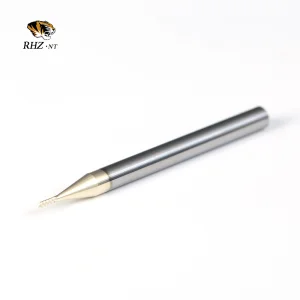
Modern precision machining is shifting rapidly toward components made from advanced materials, such as nickel-based superalloys (Inconel 718, Hastelloy), titanium alloys (Ti-6Al-4V), and cobalt-chrome compositions. In industries like aerospace propulsion, power generation turbines, and advanced automotive exhaust engineering, these alloys are chosen specifically for their ability to maintain strength under extreme temperatures. Paradoxically, this exact property makes them notoriously difficult to machine.
High mechanical strength combined with low thermal conductivity causes severe heat accumulation at the tool-chip interface. In typical high-speed milling or turning operations, local temperatures routinely exceed 800°C to 1000°C. Standard high-speed steel or non-specialized carbide tools experience rapid thermal degradation under these conditions, leading to plastic deformation of the cutting edge, accelerated crater wear, and catastrophic failure.
Consequently, global manufacturing hubs in the US, EU, and Asia-Pacific are restructuring their supply chains. Purchasing managers and tooling engineers are demanding robust partnerships with specialized manufacturers who can provide reliable, high-temperature resistant cutting tools. This shifts the focus from simple cost-per-tool metrics to comprehensive total cost-per-part optimization, where tool life stability and predictable wear rates are crucial.
By leveraging advanced cermets, specialized solid tungsten carbide substrates, and ultra-dense physical vapor deposition (PVD) coatings like Titanium Aluminum Nitride (TiAlN), specialized tooling manufacturers help operations maintain high material removal rates (MRR) without sacrificing dimensional tolerances.
In high-temperature cutting, tool life depends heavily on the tool's hot hardness (its ability to resist softening at high temperatures) and oxidation resistance. Modern high-temperature cutting tools use a combination of physical properties to survive: a sub-micron grain carbide core that acts as a strong foundation, and a multi-layered coating that serves as a thermal barrier. PVD coatings like TiAlN form a thin aluminum oxide (Al2O3) layer at the cutting edge during machining. This layer insulates the carbide core from extreme heat, sending thermal energy into the discarded chips instead of the tool body.
Creating high-temperature resistant cutting tools requires precise, scientific engineering. Below is the technical roadmap that guides our research, development, and manufacturing processes:
At the base of every high-performance tool is a solid tungsten carbide substrate. We use sub-micron and nano-grain powder formulations. The smaller grain size increases both transverse rupture strength (TRS) and hardness simultaneously. Adjusting the cobalt binder content (typically between 8% to 12% depending on the toughness-to-hardness ratio required) allows us to customize the tool core for either continuous, high-speed finishes or heavy, interrupted cuts.
For applications where temperatures exceed 900°C, TiAlN and AlTiN coatings are essential. The high aluminum content forms a protective alumina scale under high heat, providing excellent oxidation resistance up to 900°C–1000°C. Cermet coatings and substrates (ceramic-metal composites) offer even higher thermal stability, chemical inertness, and resistance to built-up edge (BUE) formation, making them perfect for high-speed finishing cuts on carbon steels and alloy steels.
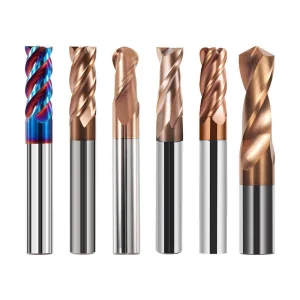
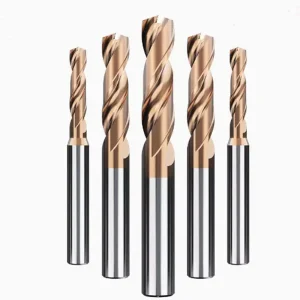
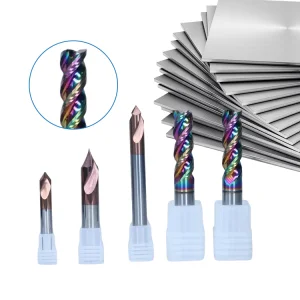
Standard tool geometries can struggle under high thermal and mechanical loads. Our high-temperature end mills feature customized geometries, including 35°/38° variable helix angles and unequal flute spacing. This design breaks up harmonic vibrations (chatter), reduces cutting forces, and optimizes chip evacuation. Efficient chip evacuation is vital: fast chip removal carries heat away from the tool and workpiece, keeping the cut cool and stable.
Before coating, tool cutting edges undergo precise mechanical hone and brush preparations. This micro-edge conditioning removes microscopic defects and grinding stresses, creating a stable, radiused edge. Post-coat polishing processes further reduce friction along the flute faces, lowering cutting temperatures and preventing chip packing during deep-slotting or pocketing operations.
Dongguan Carto Tool Co., Ltd. is a professional manufacturer specializing in industrial cutting tools, CNC machining tools, milling systems, turning solutions, and precision metal cutting technologies. The company is dedicated to providing high-performance tooling solutions for modern manufacturing industries, including automotive, aerospace, mold processing, machinery production, and general metal fabrication.
Since its establishment, Carto Tool has developed from a small-scale cutting tool workshop into a specialized industrial tooling supplier with integrated R&D, production, and quality control capabilities. In its early stage, the company focused on basic turning and milling tool production for local machining workshops. With the rapid growth of China’s manufacturing sector, Carto Tool expanded its technology base and began developing more advanced CNC-compatible cutting systems to meet higher precision and efficiency requirements.
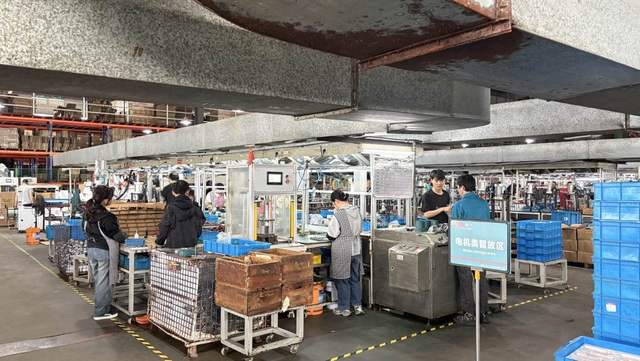
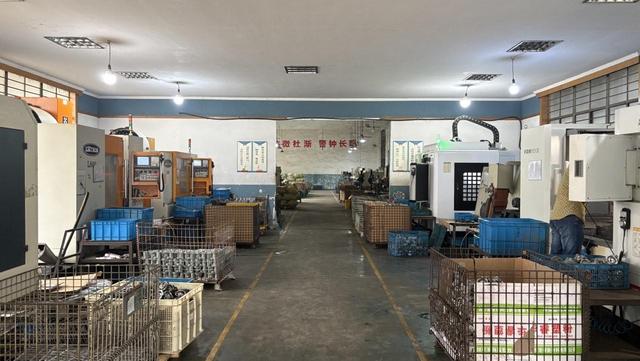
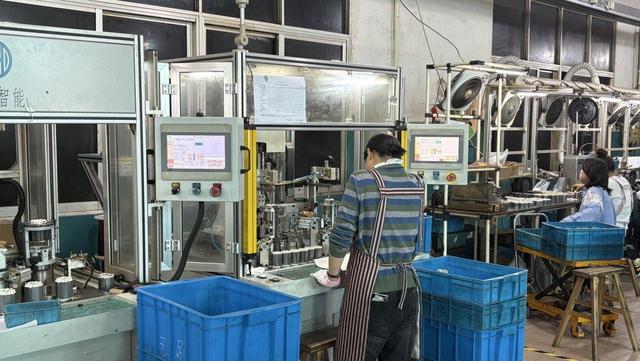
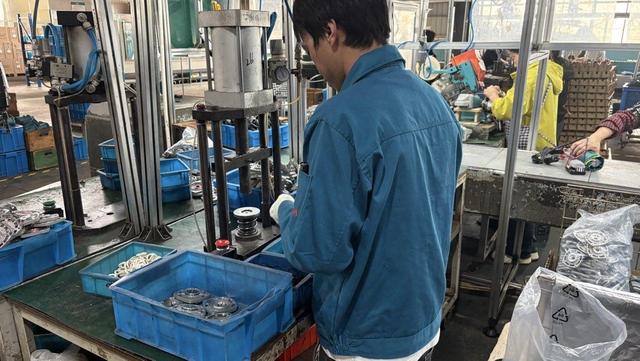
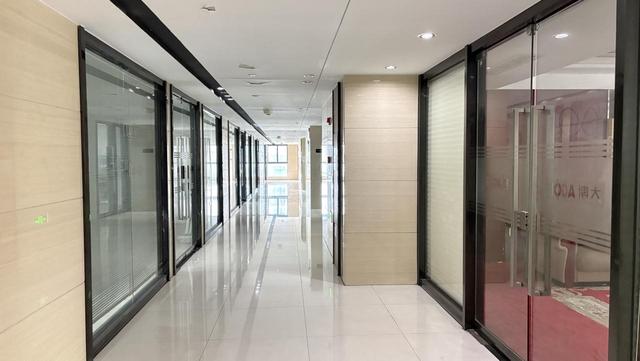
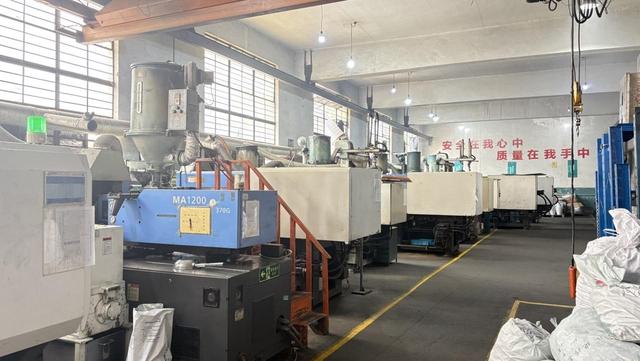
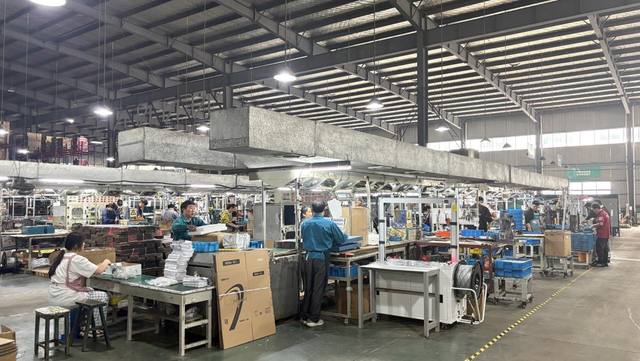
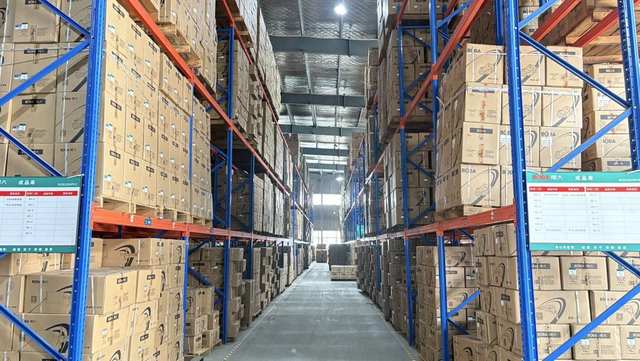
During its development phase, the company invested in carbide material research, coating technology improvements, and CNC tool geometry optimization. It introduced modern production lines and precision grinding equipment to ensure stable performance and long tool life. At the same time, Carto Tool strengthened its testing systems to improve cutting accuracy, wear resistance, and thermal stability across different machining environments.
Today, Dongguan Carto Tool Co., Ltd. serves global industrial clients with a wide range of cutting tool solutions designed for high-speed, high-precision, and heavy-duty applications. The company continues to focus on innovation in CNC machining efficiency, metal cutting performance, and cost optimization for manufacturers. With a commitment to quality and engineering excellence, Carto Tool aims to become a trusted international supplier in the industrial cutting tools industry, supporting smarter and more efficient global manufacturing systems.
Dongguan stands as one of the world's most dynamic manufacturing and industrial hubs. For Dongguan Carto Tool Co., Ltd., this location offers direct access to a highly integrated tooling ecosystem. From raw tungsten ore refinement and custom cobalt blending to advanced multi-axis CNC grinding machines and coating services, our entire production cycle is fully supported locally. This close proximity ensures smooth collaboration, fast turnarounds, and reliable quality control at every stage.
Our vertical integration lets us bypass international supply chain bottlenecks. By source-controlling raw carbide rods and managing our heat treatment and surface finishing lines, we protect our production from fluctuating external supply conditions. For our global partners, this translates to stable pricing and highly predictable delivery schedules, even during complex market changes.
Additionally, our high-volume production enables cost efficiencies that we pass directly to our customers. Unlike smaller regional workshops, Carto Tool optimizes every step—from raw powder to finished, packaged tools. This balance of advanced manufacturing and cost control allows us to deliver high-quality, high-temperature resistant tools that match the performance of expensive European and Japanese alternatives at a fraction of the cost.
This structural advantage is paired with strict, ISO-compliant quality checks. Every production run undergoes automated optical inspections, ultrasonic core checks, and actual high-temperature test cutting. These steps ensure that when you purchase our tools, you receive consistent performance and long tool life in every batch.
Our tooling solutions are trusted across demanding industrial sectors worldwide. Below is a look at how our high-temperature resistant cutting tools perform in real-world scenarios:
Material: Inconel 718, Ti-6Al-4V Titanium Alloy
Challenge: High temperatures at the cutting zone causing work-hardening and rapid tool notch wear.
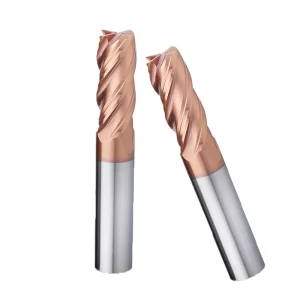
Solution: We utilized our 4-Flute TiAlN/TiN Solid Carbide Milling Cutters. Their high-aluminum coatings form a protective oxide layer that insulates the cutting edge. This allowed the client to run at higher cutting speeds (Vc = 60-80 m/min) under wet conditions, yielding a 40% increase in tool life compared to standard carbide tools.
Material: High-Silicon Cast Iron, Stainless Steel 310S
Challenge: Continuous high-heat friction leading to tool deformation during exhaust manifold milling.
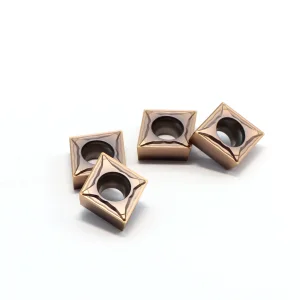
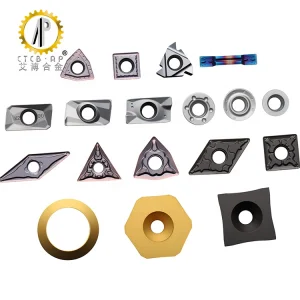
Solution: Implementing our CCMT Customizable Carbide Inserts with high-temperature coating matrices helped stabilize the cutting edge. This solution prevented edge chipping and maintained consistent thread and flange finishes across large-volume production runs.
Material: Carbon Steel profiles, Structural Iron beams
Challenge: Rapid blade dulling and friction-induced heat during continuous high-speed cold sawing.
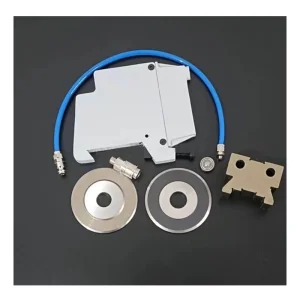
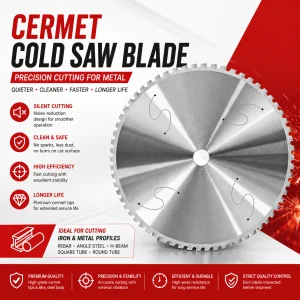
Solution: Our High Precision Cermet Tipped Steel Profile Cold Saw Blades were deployed. The cermet teeth maintain high hardness at elevated temperatures, providing clean, burr-free cuts and reducing down-time for blade replacements by over 50% compared to standard HSS blades.
Material: Fiberglass insulation, thick foam, rubber gaskets
Challenge: Heat build-up during fast cutting causing material tearing and melted residues on the blade.
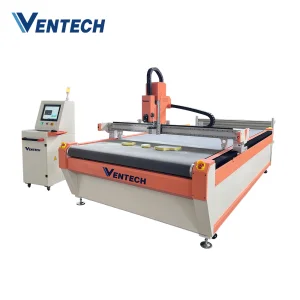
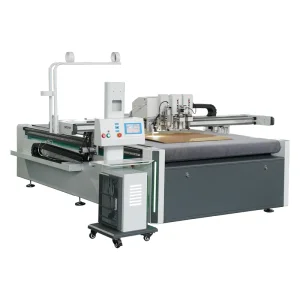
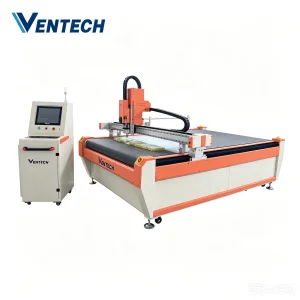
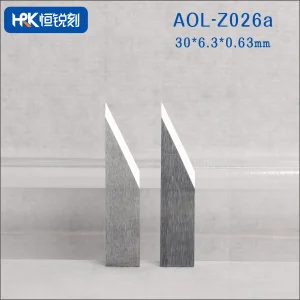
Solution: By combining our Ventech CNC Insulation Cutting Machines with specialized carbide oscillating blades, clean cuts were achieved without thermal deformation of the workpiece. This integration helped streamline duct fabrication for large-scale commercial HVAC projects.
At Dongguan Carto Tool Co., Ltd., we provide comprehensive, engineering-focused technical support. We understand that every CNC milling and turning application is unique. Through our OEM/ODM services, we work closely with clients to design customized tooling geometries, select optimal coatings, and adjust carbide substrate recipes to meet specific production challenges.
For custom inquiries, our engineers analyze your target material, cutting parameters, and machine limits to deliver tailored tooling prototypes. This technical partnership reduces trial-and-error periods, helping you achieve stable production and optimal tool life faster.
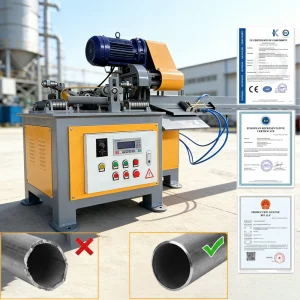
We ensure that our international export operations are fully compliant and streamlined. Carto Tool holds complete ISO 9001:2015 certifications, and all our automated machinery carries standard CE markings. We manage all logistics details—including custom declarations, packaging standards, and ocean/air freight booking—to guarantee safe, on-time delivery to your facility.
Whether you require standard high-temperature end mills or custom-engineered inserts, we provide transparent traceability, detailed material certifications, and reliable support for all our shipments.
Explore our durable inserts, deep hole drills, and industrial-grade cutting machinery.

 Carto Tool