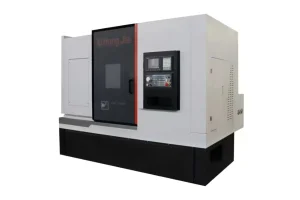
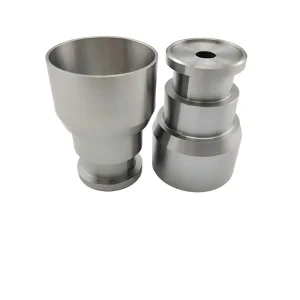
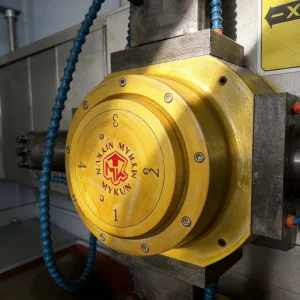
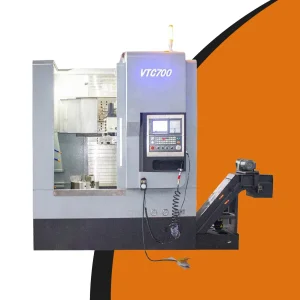
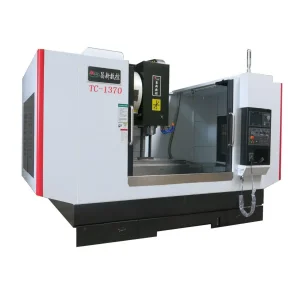
Optimized machining control setups and dynamic tooling arrays designed to integrate with Argentina's main automotive factories.
Argentina stands as a cornerstone of automotive production in South America, driven by major industrial complexes in Córdoba, Pacheco, El Palomar, and Santa Isabel. With leading global automakers like Toyota, Volkswagen, Ford, Stellantis, and Renault running continuous production lines, the demands placed on components, machining tools, and manufacturing reliability are incredibly high. These assembly sites depend extensively on domestic component suppliers (Autopartistas) for engine components, gearbox assemblies, transmission axles, and structural suspension systems.
Over the last decade, the Argentine auto-parts industry has shifted from traditional mechanical fabrication to highly automated, smart CNC metal cutting cells. The machining of powertrain components requires absolute reliability. Tooling systems must withstand heavy cutting forces when machining hardened forged steels, alloy steels, and compact graphite cast iron (CGI) without premature chipping, while maintaining a surface roughness roughness (Ra) below 0.4 μm. Finding a reliable supplier and exporter who understands the domestic import regulations (SIRA/SEDI systems) and brings robust tooling technologies is essential for local tier-1 suppliers.
Modern automotive components require tooling geometries engineered to balance tough mechanical shock resistance and thermal stability. In the automotive industry, machining cycles operate under high-throughput requirements where downtime equals massive financial losses. Our cutting tool systems leverage advanced substrate formulations and coating technology to combat wear:
| Automotive Material | Machining Process | Recommended Tool Substrate & Coating | Typical Cutting Speed (Vc) |
|---|---|---|---|
| Alloy Steel (Forged) | Crankshaft Turning | Micro-grain WC + Gradient CVD TiCN-Al2O3 | 180 - 280 m/min |
| Gray Cast Iron (HT250/300) | Engine Block Milling | Silicon Nitride Ceramic or CVD Coated Carbide | 300 - 600 m/min |
| Aluminum Alloys (Si > 9%) | Piston & Cylinder Head | Polycrystalline Diamond (PCD) tipped inserts | 800 - 1500 m/min |
| Hardened Transmission Gears | Gear Skiving & Finishing | Cubic Boron Nitride (cBN) / Hardened Carbide | 100 - 220 m/min |
Our industrial journey reflects the rapid rise of advanced machining technologies. Dongguan Carto Tool Co., Ltd. is a professional manufacturer specializing in industrial cutting tools, CNC machining tools, milling systems, turning solutions, and precision metal cutting technologies. The company is dedicated to providing high-performance tooling solutions for modern manufacturing industries, including automotive, aerospace, mold processing, machinery production, and general metal fabrication.
Since its establishment, Carto Tool has developed from a small-scale cutting tool workshop into a specialized industrial tooling supplier with integrated R&D, production, and quality control capabilities. In its early stage, the company focused on basic turning and milling tool production for local machining workshops. With the rapid growth of China’s manufacturing sector, Carto Tool expanded its technology base and began developing more advanced CNC-compatible cutting systems to meet higher precision and efficiency requirements.
During its development phase, the company invested in carbide material research, coating technology improvements, and CNC tool geometry optimization. It introduced modern production lines and precision grinding equipment to ensure stable performance and long tool life. At the same time, Carto Tool strengthened its testing systems to improve cutting accuracy, wear resistance, and thermal stability across different machining environments.
Today, Dongguan Carto Tool Co., Ltd. serves global industrial clients with a wide range of cutting tool solutions designed for high-speed, high-precision, and heavy-duty applications. The company continues to focus on innovation in CNC machining efficiency, metal cutting performance, and cost optimization for manufacturers. With a commitment to quality and engineering excellence, Carto Tool aims to become a trusted international supplier in the industrial cutting tools industry, supporting smarter and more efficient global manufacturing systems.
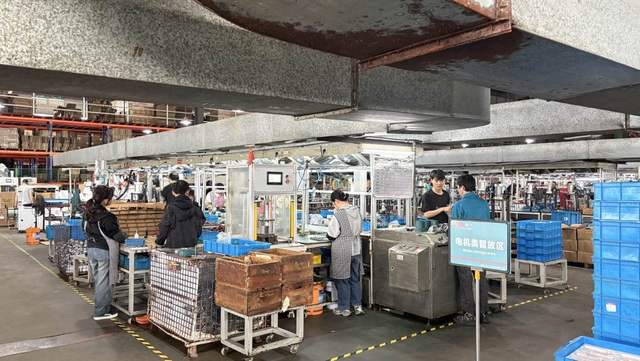
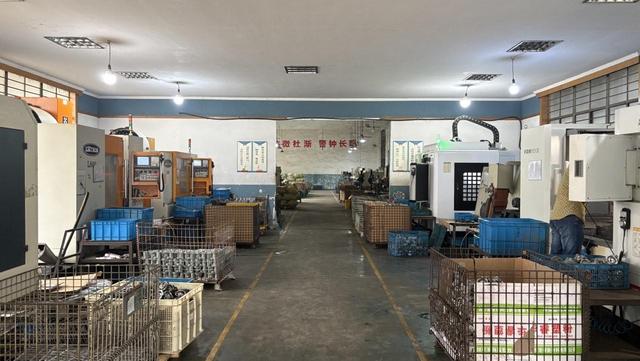
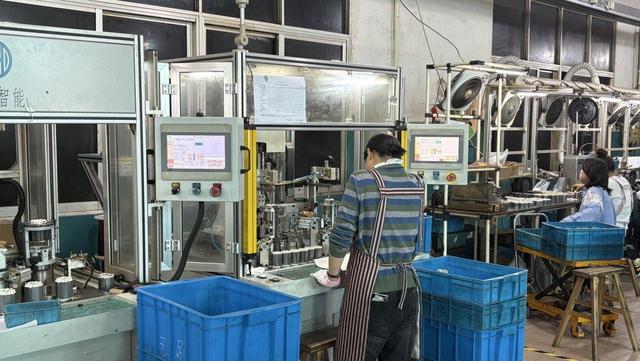
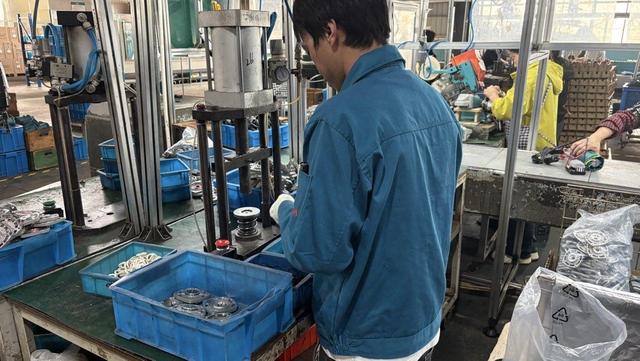

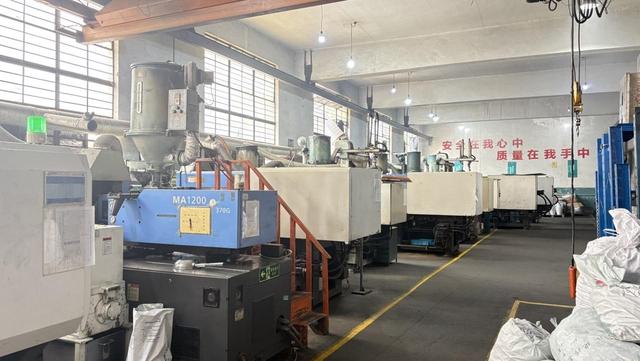
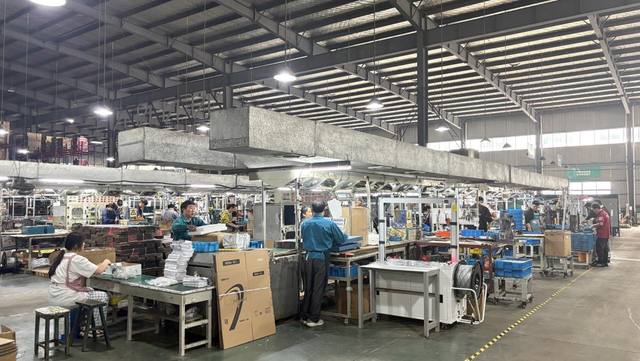
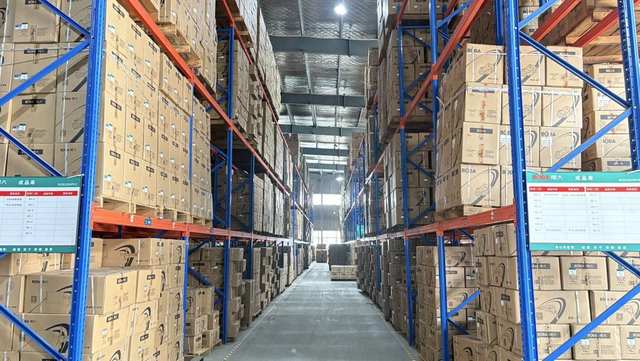
Automotive engine blocks and cylinder head production lines demand high metal removal rates (MRR) and excellent dimensional stability. Face milling operations require high cutter rigidity to prevent vibrations that cause micro-fractures in cutting inserts. Our double-sided indexable shoulder mills and face milling cutters are engineered specifically to overcome these challenges, maximizing tool edge utilization while cutting per-piece tooling costs.
For powertrain and drive-line components such as CV joints, transmission shafts, and complex gears, turning operations must handle variable cutting depths and interrupted cuts. We supply specialized carbide grades that balance shock resistance and wear resistance. In hole-making operations, including deep oil channel drilling in crankshafts, our coolant-through solid carbide drills ensure smooth chip evacuation, preventing chip nesting and catastrophic tool failure deep inside premium steel forgings.
Argentina's automotive sector operates under international quality management systems, particularly IATF 16949 and ISO 9001. Tools deployed on local shop floors must come with complete quality assurance tracking. Carto Tool guarantees this through raw material batch analysis, laser dimensional checks, and cutting performance validation before shipping. We ensure all custom and standard tooling shipments are accompanied by certificate protocols detailing coating thickness, composition, and dimensional deviation limits.
Recognizing the strict import dynamics of the Argentine market, we work closely with experienced logistics brokers in Buenos Aires and Córdoba to streamline customs clearance. Our technical support extends beyond delivery; we offer CNC application engineering support to help local manufacturing teams optimize feed rates, spindle speeds, and coolant distribution, ensuring maximum tool life under local shop conditions.
The global automotive shift toward Electric Vehicles (EVs) is transforming tooling requirements. EVs feature fewer rotating engine parts but require more complex, lightweight aluminum alloy structural housings and high-strength steel transmission gear setups. High-speed machining and dry cutting (or Minimum Quantity Lubrication - MQL) are becoming industry standards to reduce environmental footprint and manufacturing costs. Carto Tool is actively developing next-generation PCD and ultra-hard nano-coated tools optimized for clean high-speed machining of composite structures and aluminum battery enclosures, positioning Argentine suppliers to transition seamlessly to global EV platforms.
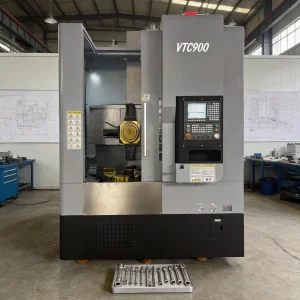
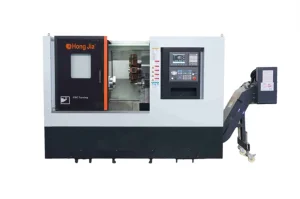
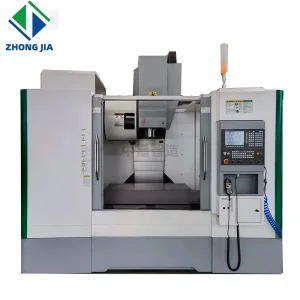
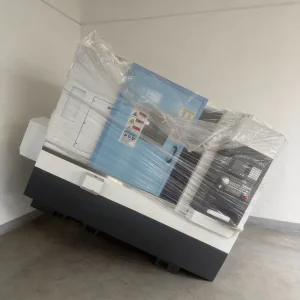
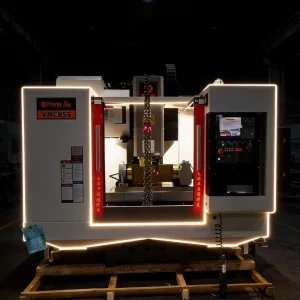
High-rigidity machinery configurations and high-speed spindles deployed in global automotive components manufacturing.
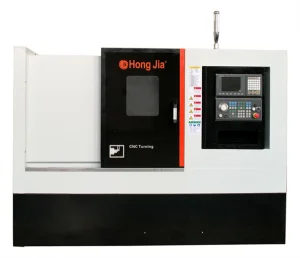
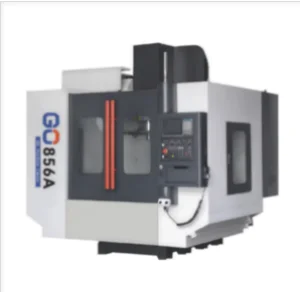
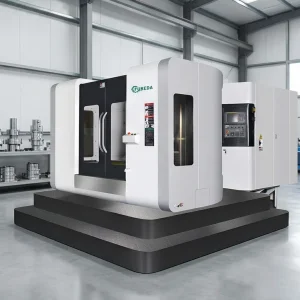
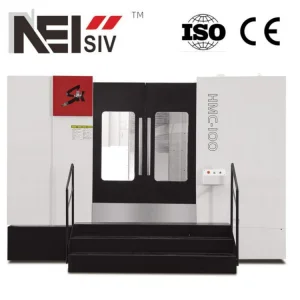
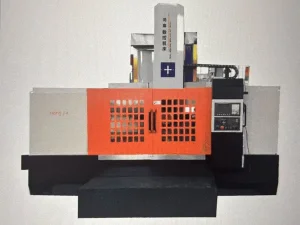
Additional heavy machinery assemblies ensuring complete coverage for plant line extensions and manufacturing cells.
 Carto Tool