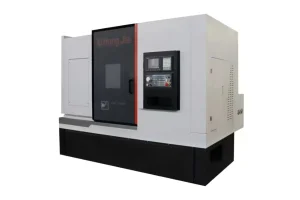
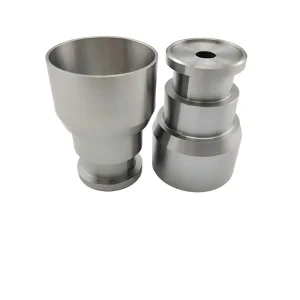
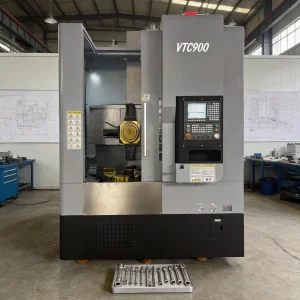
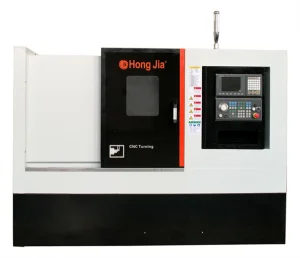
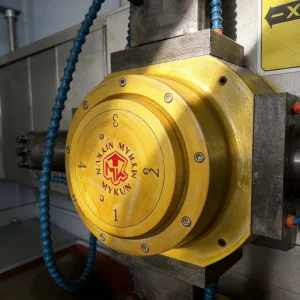
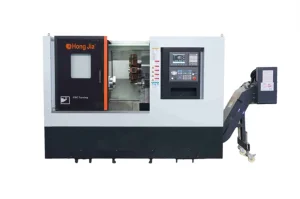
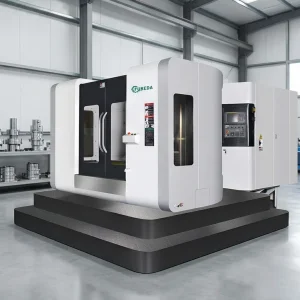
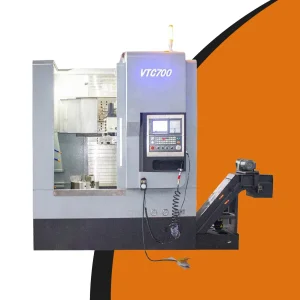
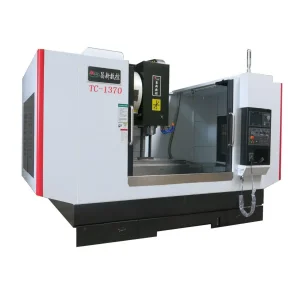
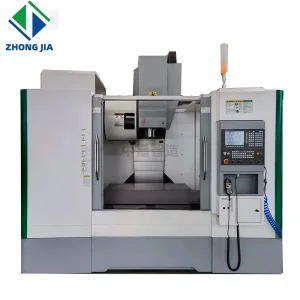
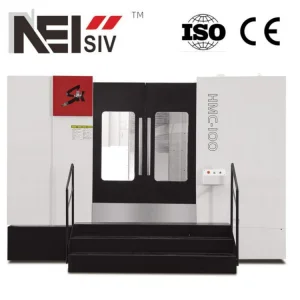
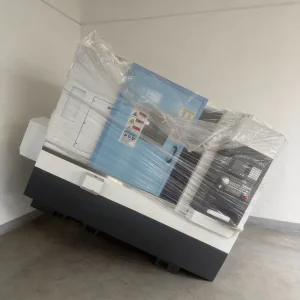
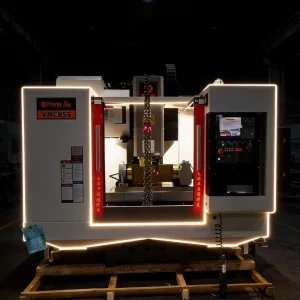
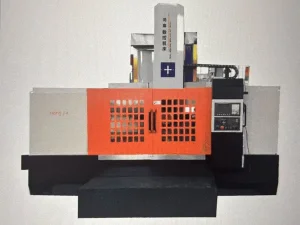
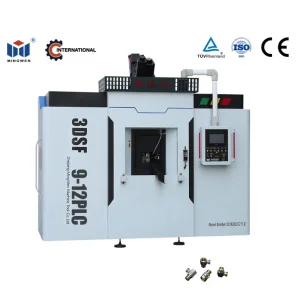
Leading-edge vertical and horizontal CNC milling platforms configured with Taiwan Syntec controls for local automotive components, mold manufacturing, and precision testing labs.
An in-depth analysis of high-speed machining, carbide substrate design, PVD coatings, and Victorian local industry developments.
Melbourne, the capital of Victoria, remains the historic engine room of Australia's automotive engineering capability. Despite the transition of passenger vehicle mass-assembly, Melbourne has reinvented itself as a premium, low-volume, high-value manufacturing hub. Today, Victoria’s industrial centers in Dandenong, Campbellfield, Somerton, and Geelong focus heavily on commercial vehicle manufacturing, specialty automotive aftermarket parts, caravan chassis fabrication, defense land systems (such as armored vehicles), and aerospace component machining.
In this high-precision environment, machining workshops face extreme pressures to maintain tight tolerances and lower processing costs. The usage of advanced structural materials, such as titanium alloys for defense, high-tensile steels for heavy transport, and lightweight aluminum alloys (6000 and 7000 series) for electric vehicles, requires cutting tool systems that can withstand severe thermal and mechanical stresses.
On a global scale, the metal cutting tool market is driven by the demand for higher tool life, faster cycle times, and minimal setup changes. Carto Tool stands at the forefront of this technology by optimizing the micro-structural configuration of tungsten carbide (WC) substrates. By controlling the cobalt binder phase (ranging from 6% to 12% depending on the toughness requirement) and utilizing sub-micron or nano-grain structures, our systems maximize both wear resistance and fracture toughness.
Our global supply chains export advanced turning, milling, and custom drilling solutions to highly integrated automotive tier-1 suppliers in the APAC region, North America, and Europe. Our ongoing carbide material R&D is tailored to match the feed and speed parameters demanded by modern high-speed machining (HSM) centers globally.
Technical Insight: High-efficiency milling (HEM) paths deployed in Victoria’s machining shops require cutting tools with variable helix geometries and unequal index flutes to eliminate harmonic vibrations and resonance at high spindle speeds, preserving machine spindles and enhancing surface finishes.
The global transition to Electric Vehicles (EVs) has changed the tooling requirements for the automotive sector. Traditional internal combustion engine (ICE) block machining required heavy-duty, deep-hole drilling and complex cylinder head milling. Today, EV manufacturing focuses heavily on thin-walled structural castings, such as battery enclosures, motor housings, and lightweight subframes. These aluminum components require sharp, highly polished cutting edges and Diamond-Like Carbon (DLC) or Polycrystalline Diamond (PCD) coatings to prevent built-up edge (BUE) and aluminum welding on the tool flutes.
The future of cutting tool systems is intertwined with the principles of Industry 4.0 and digital twin technologies. Carto Tool is currently mapping out smart tooling systems equipped with integrated chip RFID tracking and tool life prediction algorithms. Furthermore, the push for eco-friendly manufacturing has accelerated the adoption of Minimum Quantity Lubrication (MQL) and dry machining. Our newer tool geometries are designed to optimize chip evacuation without the need for high-volume flood coolants, reducing the carbon footprint of machine shops across Victoria.
A leading specialist manufacturer of industrial cutting tools, high-performance CNC milling systems, and reliable turning solutions serving global markets.
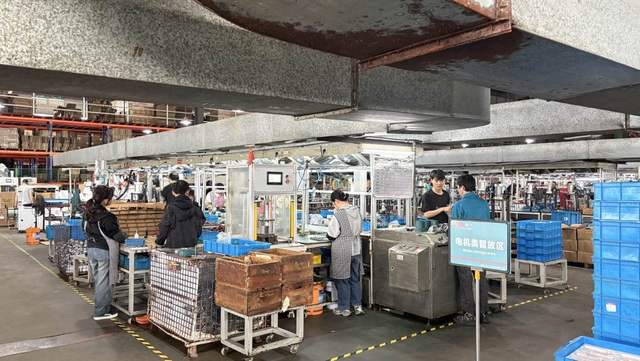
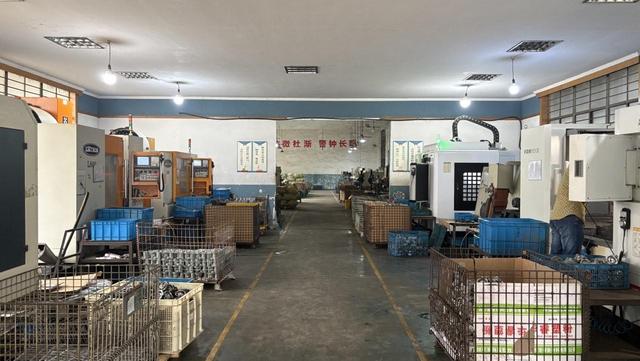
Dongguan Carto Tool Co., Ltd. is a professional manufacturer specializing in industrial cutting tools, CNC machining tools, milling systems, turning solutions, and precision metal cutting technologies. The company is dedicated to providing high-performance tooling solutions for modern manufacturing industries, including automotive, aerospace, mold processing, machinery production, and general metal fabrication.
Since its establishment, Carto Tool has developed from a small-scale cutting tool workshop into a specialized industrial tooling supplier with integrated R&D, production, and quality control capabilities. In its early stage, the company focused on basic turning and milling tool production for local machining workshops. With the rapid growth of China’s manufacturing sector, Carto Tool expanded its technology base and began developing more advanced CNC-compatible cutting systems to meet higher precision and efficiency requirements.
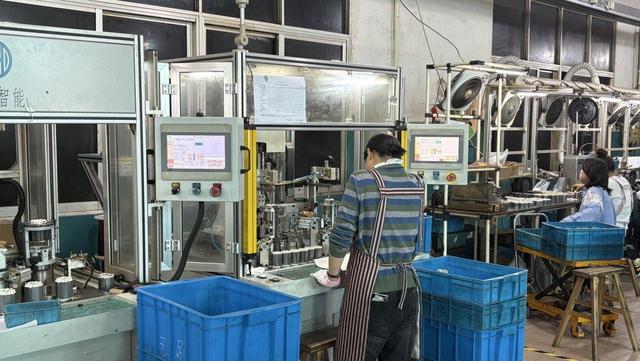
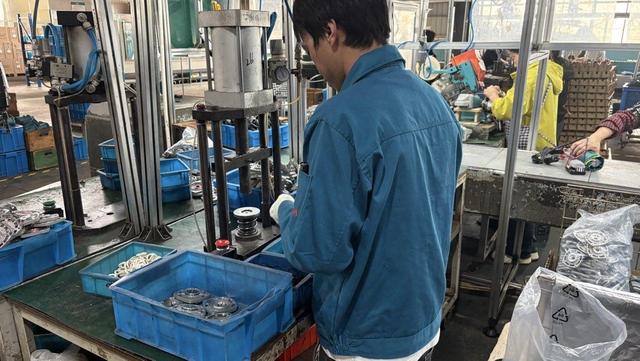
During its development phase, the company invested in carbide material research, coating technology improvements, and CNC tool geometry optimization. It introduced modern production lines and precision grinding equipment to ensure stable performance and long tool life. At the same time, Carto Tool strengthened its testing systems to improve cutting accuracy, wear resistance, and thermal stability across different machining environments.
Today, Dongguan Carto Tool Co., Ltd. serves global industrial clients with a wide range of cutting tool solutions designed for high-speed, high-precision, and heavy-duty applications. The company continues to focus on innovation in CNC machining efficiency, metal cutting performance, and cost optimization for manufacturers. With a commitment to quality and engineering excellence, Carto Tool aims to become a trusted international supplier in the industrial cutting tools industry, supporting smarter and more efficient global manufacturing systems.
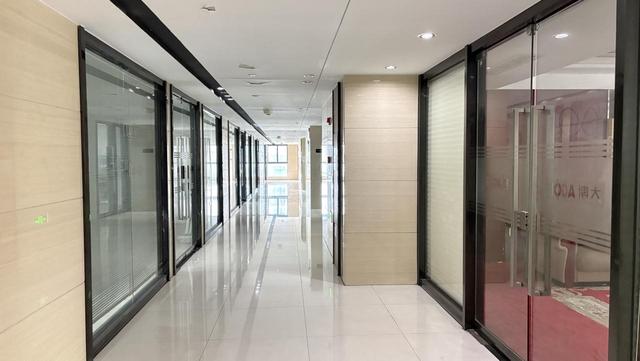
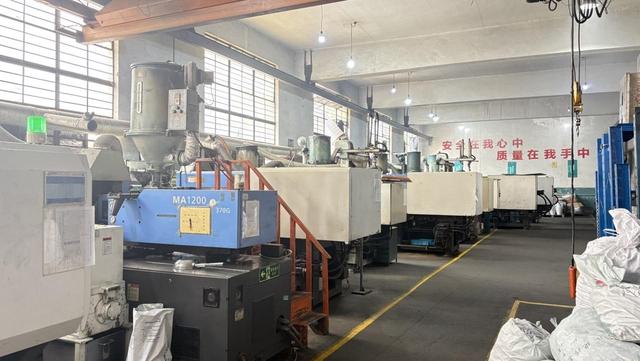
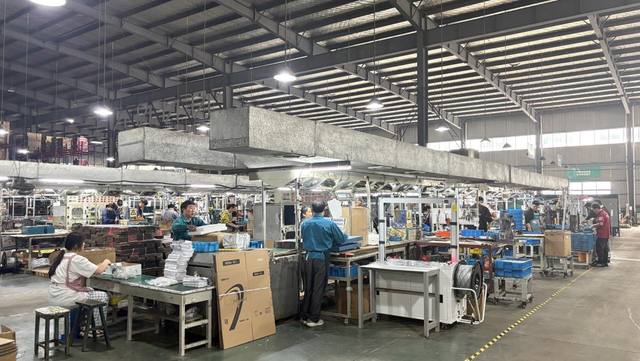
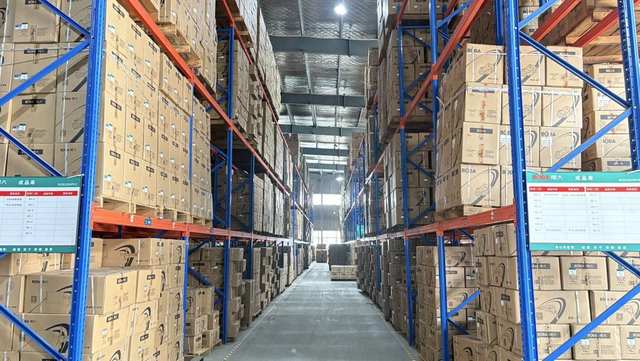
Seamless procurement, customs compliance, and dedicated engineering consultations for Melbourne-based metal fabricators.
Exporting to Australia requires strict adherence to supply chain transparency and quality standards. Carto Tool ensures all shipped tooling conforms to ISO 9001 quality guidelines, accompanied by material certification reports. We offer optimized logistics via direct shipping routes to the Port of Melbourne, providing standard customs clearance documentation and packaging designed to prevent ocean corrosion. Additionally, our applications engineering team provides remote consultation to assist with feed and speed charts, tool path configurations, and troubleshooting for Melbourne manufacturing plants.
Discuss your custom tool designs, coating requirements, or batch production orders directly with our senior application engineers.
Send Inquiry NowExpert technical answers regarding cutting parameter optimization, tool coatings, and Victorian local trade inquiries.
High-rigidity tooling and CNC machinery configurations suitable for complex mold-making, high-speed turning, and large-format multi-axis fabrication.
 Carto Tool