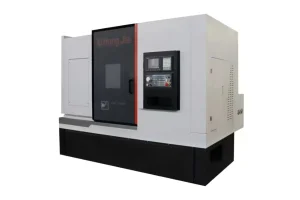
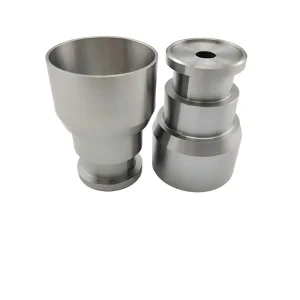
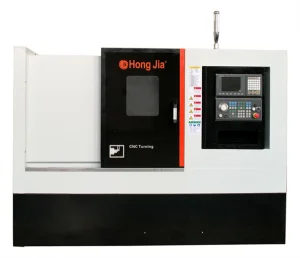
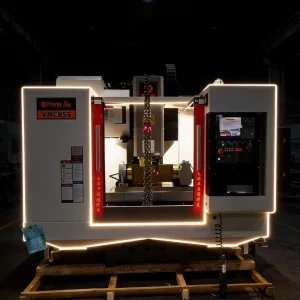
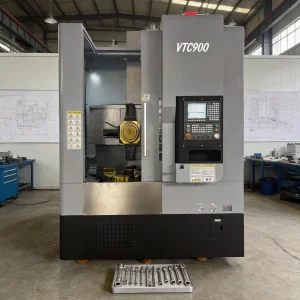
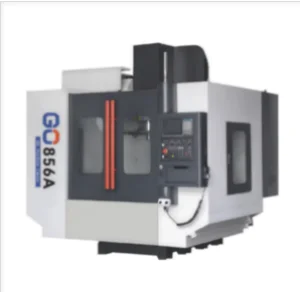
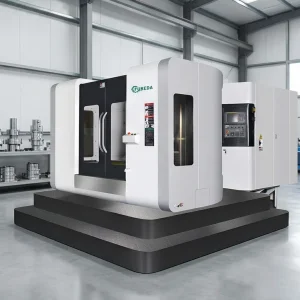
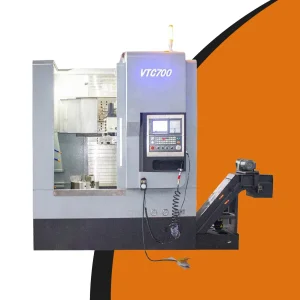
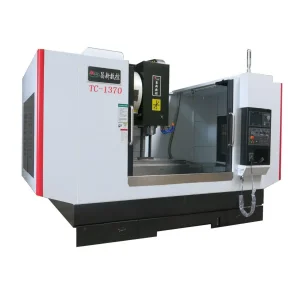
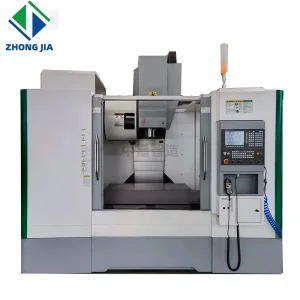
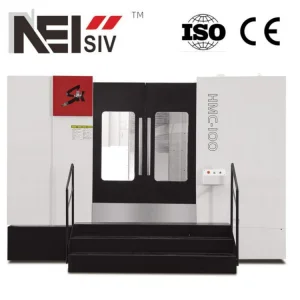
Advanced control centers and specialized inspection platforms optimized for precision automotive manufacturing cycles in local Berlin production networks.
The Berlin-Brandenburg industrial region has rapidly evolved into one of Europe's most dynamic hubs for electric vehicle (EV) production and advanced automotive engineering. Driven by the expansion of key gigafactories, tier-one supplier ecosystems, and historical powertrain centers, the demand for cutting-edge mechanical fabrication has surged. This industrial renaissance is characterized by a transition from internal combustion engine (ICE) complexity to the intense lightweighting and strict dimensional standards of electric drive units, battery packs, and structural components.
Within this ecosystem, the selection and optimization of machining tooling systems are critical. For instance, milling and boring operations on large-format aluminum castings, such as battery trays and structural shock towers, require tool designs that minimize vibrations and control thermal expansion. As local manufacturers optimize cycle times to support high-volume runs, specialized cutting tool systems featuring optimized chip breakers, variable helix configurations, and specialized thin-film coatings are vital to maintaining stable, long-lasting performance.
To meet the demands of Berlin's automotive manufacturers, modern cutting systems must utilize advanced material science. High-density sub-micron carbide substrates provide the foundation, offering high wear resistance and mechanical strength. However, the true performance differentiator lies in the application-specific coatings:
| Workpiece Material | Recommended Tool Substrate | Optimum Coating | Cutting Speed Range (Vc) |
|---|---|---|---|
| Aluminum Alloys (Al-Si <8%) | Ultra-fine Micrograin Carbide | Uncoated / DLC (Diamond-Like Carbon) | 800 - 2200 m/min |
| High-Silicon Aluminum (Al-Si >10%) | Super-micrograin Carbide | CVD Crystalline Diamond | 600 - 1500 m/min |
| High-Strength Steels (30-45 HRC) | Sub-micron Cemented Carbide | AlTiN / TiAlN Gradient Layer | 120 - 280 m/min |
| Ductile/Gray Cast Iron | Coarse-grain High-Cobalt Carbide | AlCrN Multi-layer | 150 - 350 m/min |
"By integrating real-time wear analytics and vibration-damping geometries, modern cutting systems achieve up to 35% higher metal removal rates (MRR) while reducing tool changeover cycles in automated manufacturing configurations."
Modern automotive architecture relies heavily on high-pressure die-cast (HPDC) components to reduce vehicle weight and improve assembly efficiency. Machining these large-format structures—often called "giga-castings"—poses unique challenges. These components frequently present variable cross-sections, internal stresses, and abrasive skin layers that cause premature tool failure. Tooling systems designed for these operations must utilize specialized milling cutters with variable pitch spacing to suppress chatter, as well as specialized indexable face mills to maintain flat surfaces across large gasket seals.
Additionally, EV drivetrain components like rotor shafts and gear housings demand high geometric tolerances. Machining the internal splines and bearing journals of these parts requires stable tool holders and high-precision boring systems with run-out values under 2 microns. Delivering tooling systems configured for these specific tolerances helps local manufacturers achieve smooth powertrain operation and quiet running profiles.
Integrating R&D expertise with high-precision manufacturing to deliver consistent, durable industrial cutting tool solutions globally.
Dongguan Carto Tool Co., Ltd. is a professional manufacturer specializing in industrial cutting tools, CNC machining tools, milling systems, turning solutions, and precision metal cutting technologies. The company is dedicated to providing high-performance tooling solutions for modern manufacturing industries, including automotive, aerospace, mold processing, machinery production, and general metal fabrication.
Since its establishment, Carto Tool has developed from a small-scale cutting tool workshop into a specialized industrial tooling supplier with integrated R&D, production, and quality control capabilities. In its early stage, the company focused on basic turning and milling tool production for local machining workshops. With the rapid growth of China’s manufacturing sector, Carto Tool expanded its technology base and began developing more advanced CNC-compatible cutting systems to meet higher precision and efficiency requirements.
During its development phase, the company invested in carbide material research, coating technology improvements, and CNC tool geometry optimization. It introduced modern production lines and precision grinding equipment to ensure stable performance and long tool life. At the same time, Carto Tool strengthened its testing systems to improve cutting accuracy, wear resistance, and thermal stability across different machining environments.
Today, Dongguan Carto Tool Co., Ltd. serves global industrial clients with a wide range of cutting tool solutions designed for high-speed, high-precision, and heavy-duty applications. The company continues to focus on innovation in CNC machining efficiency, metal cutting performance, and cost optimization for manufacturers. With a commitment to quality and engineering excellence, Carto Tool aims to become a trusted international supplier in the industrial cutting tools industry, supporting smarter and more efficient global manufacturing systems.
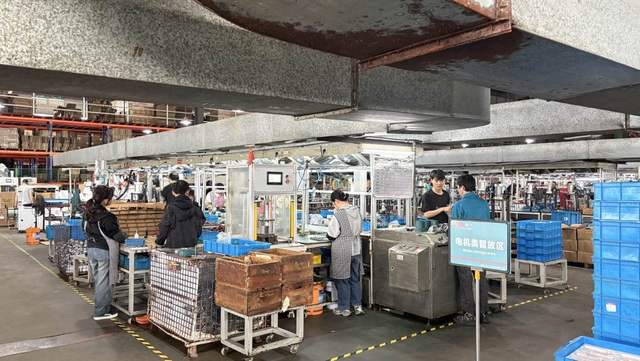

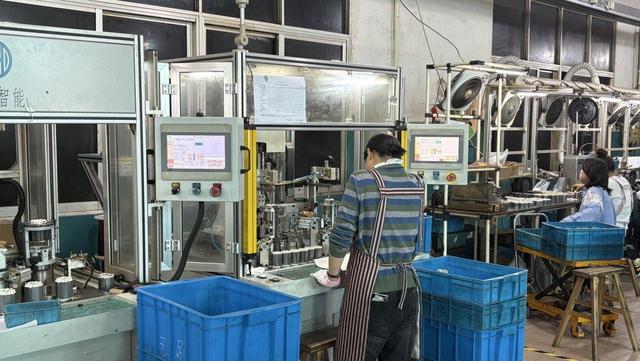
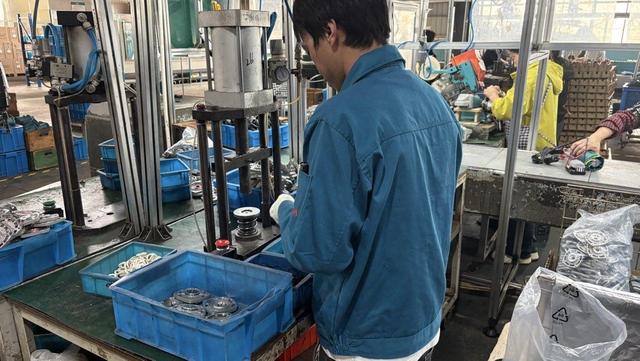
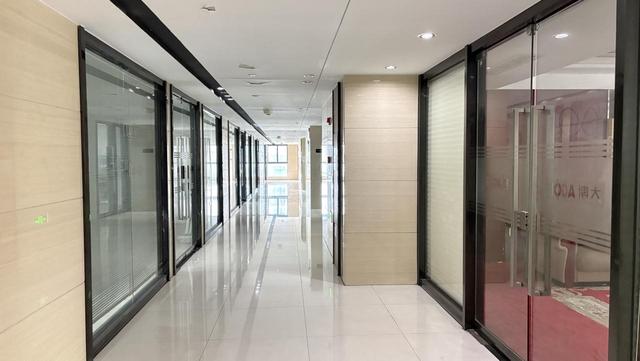
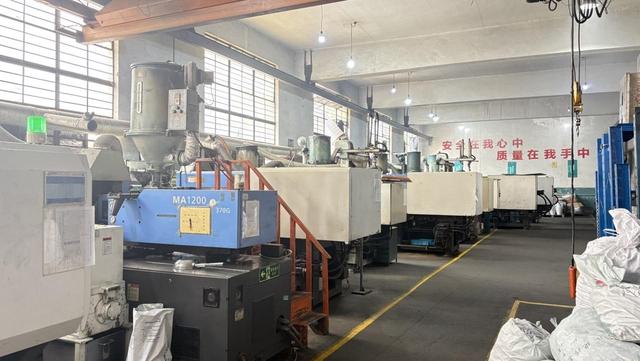
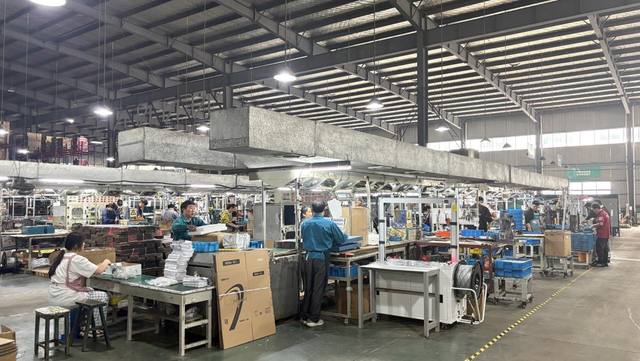
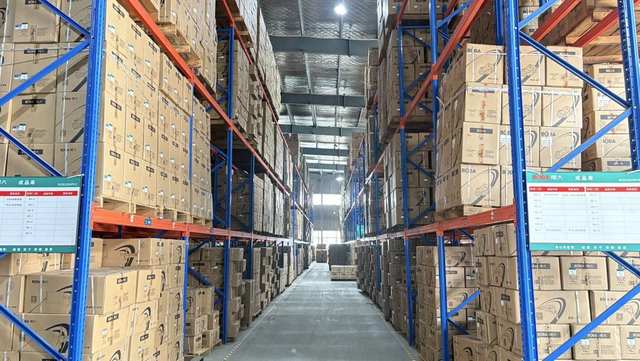
Optimizing production metrics with stable tooling solutions designed for modern industrial manufacturing.
Our vertical manufacturing model reduces reliance on third-party suppliers, ensuring consistent lead times and steady availability of custom cutting inserts.
Engineered tool geometries stabilize contact pressure during machining, reducing mechanical stress and improving surface finish quality on critical parts.
Designed to align with standard automotive specifications (including DIN standards), facilitating integration with existing systems and holding fixtures.
Explore our full line of CNC systems and machining tools, developed to support productivity and component quality in automotive operations.
Expert technical insights regarding cutting tool performance, custom geometries, and logistical deployment within the German market.
For HPDC aluminum parts (such as Al-Si-Mg or Al-Si-Cu alloys used in battery housings and structural frame components), we recommend multi-flute end mills with a variable helix angle (typically alternating between 35° and 38°) to suppress chatter. The cutting edges should have a cylindrical land width of under 0.05 mm and be polished to prevent built-up edge (BUE). DLC or CVD diamond coatings are recommended to handle the high silicon content and maintain edge sharpness over high-volume production runs.
Dimensional repeatability starts with high-quality carbide substrates sourced from verified manufacturers. Our production line uses modern 5-axis CNC grinding machines (including Walter and ANCA) with closed-loop laser measurement systems. Every batch undergoes non-contact optical inspection and 3D metrology validation. This process maintains tool-to-tool consistency, helping to stabilize tool life and chip formation profiles when integrated into automated transfer lines.
Yes. Our tools are engineered to support dry machining and MQL processes. We utilize high-thermal-stability coatings like AlCrN and CVD diamond, which maintain hardness at temperatures up to 900°C. Optimized chip pocket geometries facilitate fast chip evacuation, helping to minimize thermal transfer into the workpiece—a critical factor for preventing distortion in thin-walled structural castings.
For custom profile cutters, custom step drills, or specialized indexable tool holders, our design and engineering process takes 7 to 10 days, followed by 10 to 14 days for manufacturing. We utilize air freight channels to deliver finished tooling to Berlin-Brandenburg within 5 to 7 business days, including customs clearance handling. For volume agreements, we offer structured safety stock arrangements to provide consistent support for local manufacturing schedules.
Yes. Our tool bodies, indexable milling cutters, and boring systems are manufactured to conform to ISO and DIN standards. This includes compliance with DIN 69893 (HSK), ISO 26623 (PSC / Capto), and MAS 403 (BT). Precision-ground shanks ensure minimal run-out, helping to protect machine tool spindles during high-rpm operations.
 Carto Tool