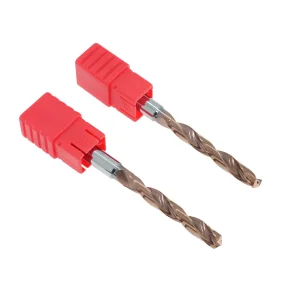
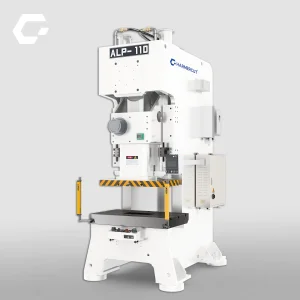
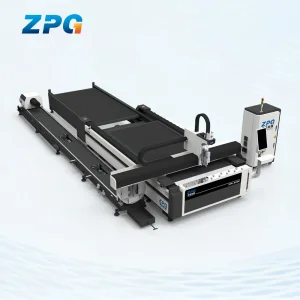
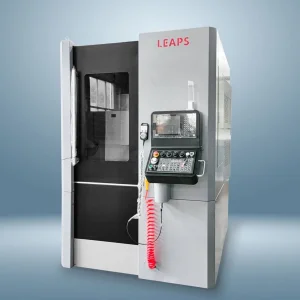
Explore our flagship high-performance industrial tools engineered for modern fabrication requirements.
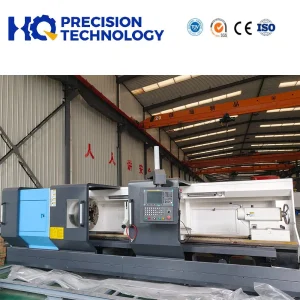
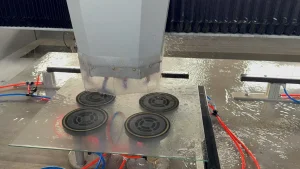
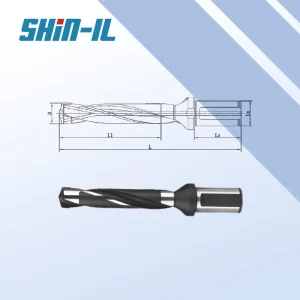
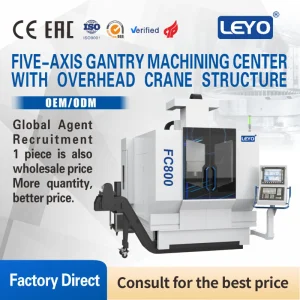
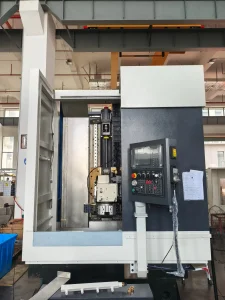
In the era of advanced aerospace, smart automotive design, and complex electronics, high-speed subtractive manufacturing requires cutting tools that transcend standard parameters. To achieve micro-meter or sub-micron tolerances, tool wear, thermal deflection, and surface roughness must be mitigated at the chemical and microstructural level. This whitepaper analyzes the paradigm of CE Certified Universal Cutting Solutions, outlining how material science, rigorous quality control frameworks, and optimized supply chain mechanics operate in synergy to empower global industrial manufacturers.
As global manufacturers seek to enhance throughput while minimizing tool changeovers and cost-per-part ratios, they face a multidimensional challenge: balancing raw mechanical performance with cost, predictability, and local compliance. Dongguan Carto Tool Co., Ltd. addresses this cross-section of requirements by engineered carbide systems, indexable milling units, and comprehensive industrial components designed for demanding factory environments.
Operating within the core industrial landscape of Dongguan, China, grants significant operational advantages. This geographic hub provides access to highly specialized upstream raw materials (e.g., ultra-fine tungsten carbide powders, cobalt binders) and state-of-the-art downstream heat treatment facilities. Dongguan Carto Tool Co., Ltd. harnesses this ecosystem to accelerate prototyping loops and execute high-volume production without sacrificing component fidelity.
The concentration of precision tooling clusters allows for design-to-sample turnarounds in days rather than weeks, accelerating testing for critical production lines.
Direct supply partnerships with specialized tungsten refineries ensure raw carbide substrates meet structural homogeneity guidelines for heavy-load operations.
By integrating R&D with vertical manufacturing processes, Carto Tool reduces marginal costs, providing a clear economic advantage to OEMs and global distributors.
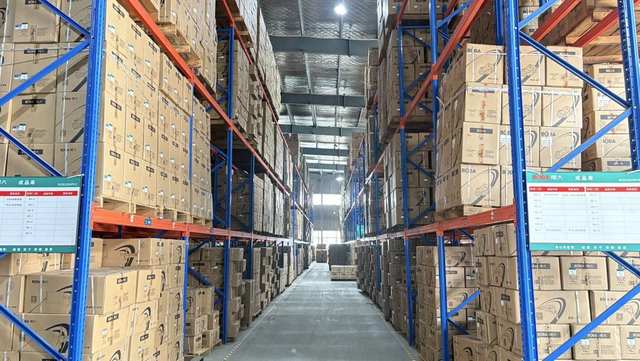
For enterprise buyers in regions such as the Americas, European Union, and Southeast Asia, this supply chain efficiency translates into reduced lead times, custom labeling (OEM/ODM branding options), and a diversified supply chain that mitigates the risk of single-source production disruptions.
Procuring industrial equipment for markets governed by strict workplace safety regulations requires rigorous validation. CE certification (Conformité Européenne) indicates that cutting solutions meet health, safety, and environmental protection standards within the European Economic Area (EEA).
"Compliance is not merely a label; it is a mechanical assurance. Tools designed under CE frameworks satisfy criteria regarding structural integrity under thermal load, fragment prevention, and noise emissions when running at high spindle speeds (up to 24,000+ RPM)."
Dongguan Carto Tool Co., Ltd. addresses these regulatory requirements by implementing quality controls at every production stage. From raw carbide inspection via advanced ultrasonic scanners to dynamic balance calibration on finished milling heads, each step conforms to standard European directives (including the Machinery Directive 2006/42/EC). This verification ensures that international procurement departments can transition tools into factory settings without legal or mechanical complications.
The industrial cutting tool sector is transitioning from basic geometries to smart, coating-optimized profiles. The main industry trends shaping the next decade include:
By addressing these trends, Carto Tool remains at the forefront of tool production, supplying specialized inserts and solid carbide tooling designed to work with high-speed CNC milling systems, heavy gantry mills, and automated glass processing equipment.
Universal cutting solutions are implemented across distinct sectors:
Machining complex parts from titanium alloys and Inconel demands high thermal wear resistance. Carto's sub-100nm tolerance systems help ensure threaded components retain structural integrity under high fatigue stress.
High-volume cast iron and aluminum engine milling requires indexable face mills (like the Bap400r series) that offer quick carbide insert rotation, minimizing downtime during automated shifts.
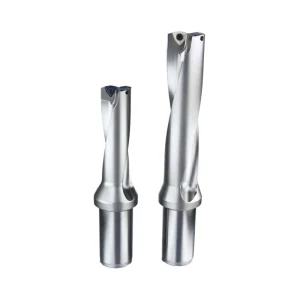
5-axis gantry milling machines require high rigidity tools. Our heavy-duty U-drill and deep hole boring solutions deliver high positional accuracy even when working at deep aspect ratios.
Additionally, the consumer electronics (3C) sector requires precise micro-milling. With the transition to ceramic, glass, and composite backplates, specialized automated glass processing tools and diamond-coated end mills are necessary to keep reject rates low during large-scale manufacturing runs.
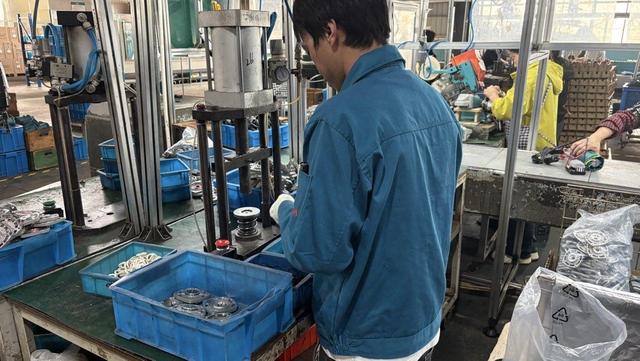
Dongguan Carto Tool Co., Ltd. is a professional manufacturer specializing in industrial cutting tools, CNC machining tools, milling systems, turning solutions, and precision metal cutting technologies. The company is dedicated to providing high-performance tooling solutions for modern manufacturing industries, including automotive, aerospace, mold processing, machinery production, and general metal fabrication.
Since its establishment, Carto Tool has developed from a small-scale cutting tool workshop into a specialized industrial tooling supplier with integrated R&D, production, and quality control capabilities. In its early stage, the company focused on basic turning and milling tool production for local machining workshops. With the rapid growth of China’s manufacturing sector, Carto Tool expanded its technology base and began developing more advanced CNC-compatible cutting systems to meet higher precision and efficiency requirements.
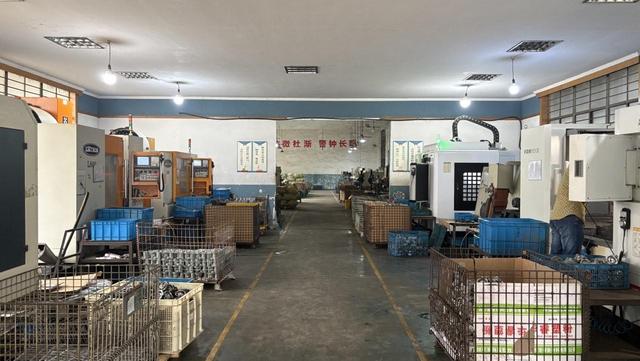
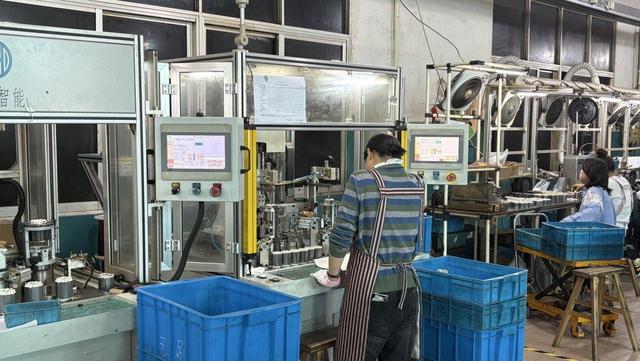
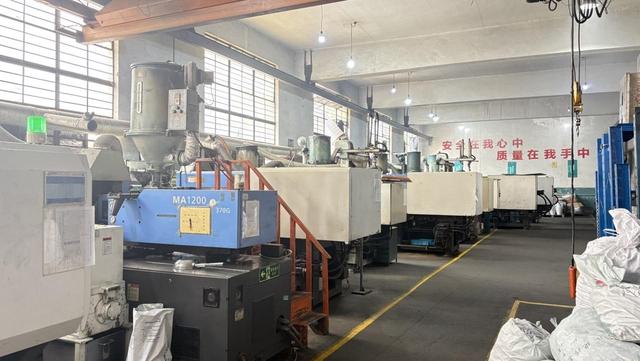
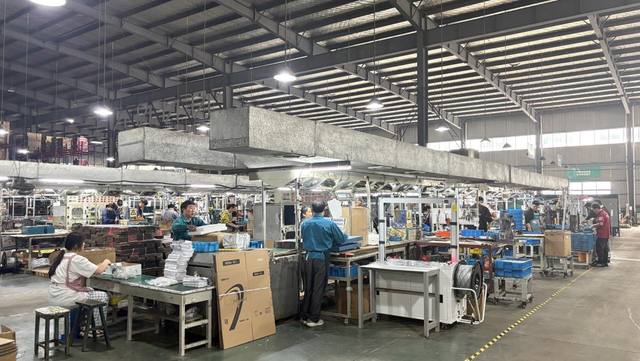
During its development phase, the company invested in carbide material research, coating technology improvements, and CNC tool geometry optimization. It introduced modern production lines and precision grinding equipment to ensure stable performance and long tool life. At the same time, Carto Tool strengthened its testing systems to improve cutting accuracy, wear resistance, and thermal stability across different machining environments.
Today, Dongguan Carto Tool Co., Ltd. serves global industrial clients with a wide range of cutting tool solutions designed for high-speed, high-precision, and heavy-duty applications. The company continues to focus on innovation in CNC machining efficiency, metal cutting performance, and cost optimization for manufacturers. With a commitment to quality and engineering excellence, Carto Tool aims to become a trusted international supplier in the industrial cutting tools industry, supporting smarter and more efficient global manufacturing systems.


Technical guidance and answers to common queries regarding universal cutting tools.
Complete your operations with our verified, heavy-duty industrial components.
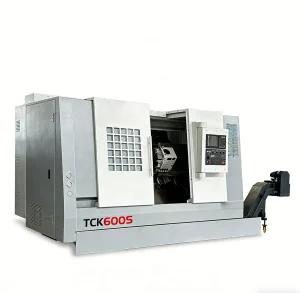
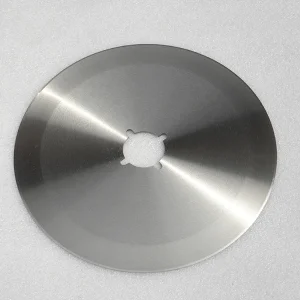

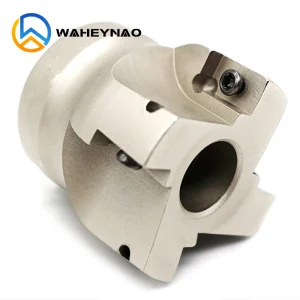
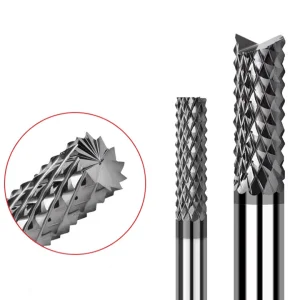
 Carto Tool