Deploying world-class carbide tooling systems and rigid machining interfaces designed for the industrial scaling requirements of vehicle assembly and precision toolmaking in Bangladesh.
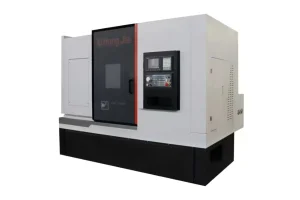
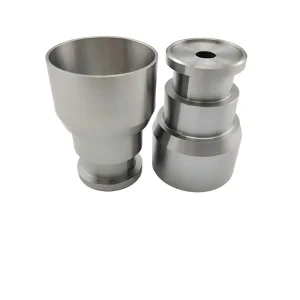
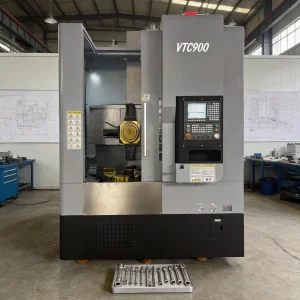
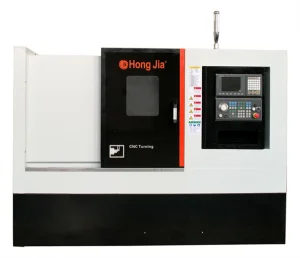
The manufacturing sector in Bangladesh is undergoing an unprecedented paradigm shift. Historically dominated by textile and leather exports, the nation is actively executing structural shifts towards heavy industry, automotive assembly, electronics, and precision light engineering. Driven by the National Automobile Policy 2021, Bangladesh aims to scale its domestic vehicle assembly capacities, transitioning from importing Completely Knocked Down (CKD) kits to fabricating localized automotive components. This ambitious industrial expansion has created a massive localized demand for high-end metalworking processes and heavy-duty machining systems.
Key industrial corridors including the Dhaka-Gazipur manufacturing belt, the Chittagong port engineering zone, and the Bogra light engineering cluster are rapidly adopting modern computer numerical control (CNC) machine tools. These workshops and factory floors require high-efficiency indexable tools, carbide end mills, modular drills, and tooling interfaces that can withstand the intense thermal stresses associated with machining tough materials like cast iron, engine-grade structural steel, and lightweight aerospace alloys. Without high-durability cutting tools, local automotive component manufacturers face excessive downtime and high tool replacement costs.
On the global stage, the automotive manufacturing ecosystem is facing dual pressure from vehicle electrification (EV) and lightweight structural requirements. Modern internal combustion engines (ICE) and EV structural assemblies increasingly rely on modern aluminum-silicon alloys, carbon-fiber reinforced plastics (CFRP), and ultra-high-strength steels (UHSS). Machining these heterogeneous materials demands cutting tools with optimized rake angles, dynamic chip evacuation channels, and specialized wear-resistant thin-film coatings.
Modern tooling systems utilize advanced physical vapor deposition (PVD) and chemical vapor deposition (CVD) coatings such as AlTiN (Aluminum Titanium Nitride), DLC (Diamond-Like Carbon), and nano-structured titanium diboride (TiB2). These coatings isolate the carbide substrate from excessive friction-generated temperatures (exceeding 900°C), preventing built-up edge (BUE) formation and crater wear. By bringing these global technological advancements directly to the Bangladesh market, Carto Tool empowers local engineering factories to match the production efficiency standards seen in major global automotive hubs.
Developing an efficient machining workshop in cities like Gazipur or Chittagong requires tailoring the tool geometry to local operational realities, including voltage fluctuations, ambient high temperatures, and specific coolant availability. We provide customized solutions for the following major local applications:
Using our custom solid carbide indexable end mills allows operators to achieve high feed rates while profiling drive shafts for locally assembled two-wheelers. Dynamic vibration dampening geometry reduces machine spindle chatter, extending bearing life.
For CV (Commercial Vehicle) workshops in Jessore and Bogra, we offer heavy-duty ceramic and coated carbide inserts featuring wide wiper flats, producing clean surface finishes in a single pass without extra grinding steps.
Molds used for injection-molded auto dashboard components require extremely precise 3D surface machining. Our ball-nose carbide cutters operate smoothly at speeds up to 18,000 RPM, providing dimensional accuracy of +/- 0.005mm.
As Bangladesh transitions toward Industry 4.0, cutting tool systems must evolve from static mechanical elements into intelligent components of connected manufacturing lines. Below is Carto Tool's localized technology integration roadmap:
Empowering local workshops to transition from HSS (High-Speed Steel) and low-grade brazed tips to high-precision indexable insert tools. Establishing structural tool-holding standards (BT40/BT50 and HSK spindles) across Dhaka and Chittagong factories to increase standard tool replacement life cycles.
Establishing technical center partnerships in key industrial hubs to facilitate localized multi-axis tool regrinding. Recoating worn carbide tools using specialized PVD systems to lower tooling costs for local manufacturing plants by up to 40%.
Integrating real-time sensor technologies into tool holders to detect excessive heat and tool wear. Implementing Minimum Quantity Lubrication (MQL) setups to replace traditional flood coolants, creating cleaner and more sustainable machining environments in line with global environmental initiatives.
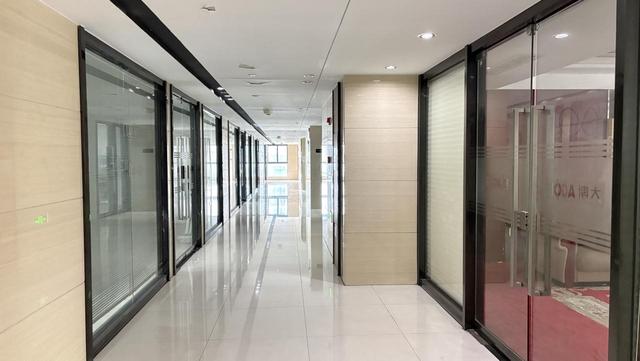
Dongguan Carto Tool Co., Ltd. is a professional manufacturer specializing in industrial cutting tools, CNC machining tools, milling systems, turning solutions, and precision metal cutting technologies. The company is dedicated to providing high-performance tooling solutions for modern manufacturing industries, including automotive, aerospace, mold processing, machinery production, and general metal fabrication.
Since its establishment, Carto Tool has developed from a small-scale cutting tool workshop into a specialized industrial tooling supplier with integrated R&D, production, and quality control capabilities. In its early stage, the company focused on basic turning and milling tool production for local machining workshops. With the rapid growth of China’s manufacturing sector, Carto Tool expanded its technology base and began developing more advanced CNC-compatible cutting systems to meet higher precision and efficiency requirements.
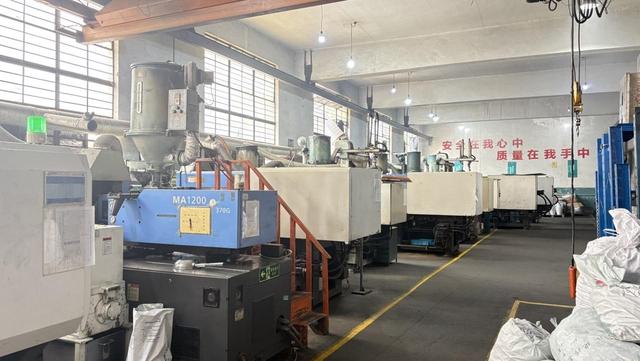
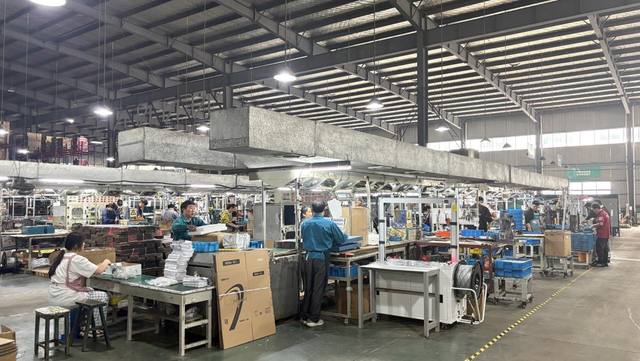
During its development phase, the company invested in carbide material research, coating technology improvements, and CNC tool geometry optimization. It introduced modern production lines and precision grinding equipment to ensure stable performance and long tool life. At the same time, Carto Tool strengthened its testing systems to improve cutting accuracy, wear resistance, and thermal stability across different machining environments.
Today, Dongguan Carto Tool Co., Ltd. serves global industrial clients with a wide range of cutting tool solutions designed for high-speed, high-precision, and heavy-duty applications. The company continues to focus on innovation in CNC machining efficiency, metal cutting performance, and cost optimization for manufacturers. With a commitment to quality and engineering excellence, Carto Tool aims to become a trusted international supplier in the industrial cutting tools industry, supporting smarter and more efficient global manufacturing systems.
Equipped with advanced European multi-axis CNC grinding machines and thin-film coating equipment, Carto Tool ensures all cutting tools meet high specifications for diameter, radial runout, and surface smoothness before shipping to international clients.
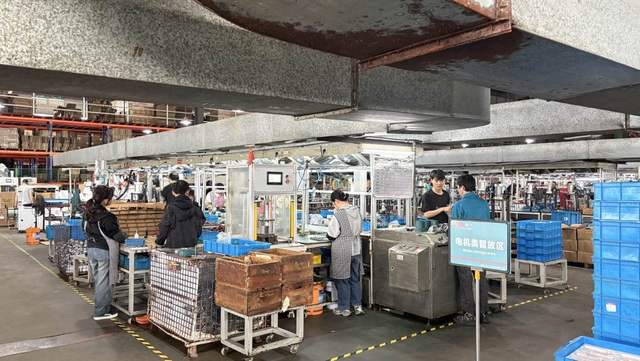
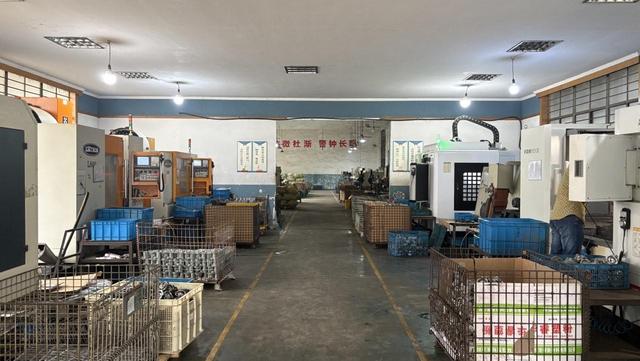
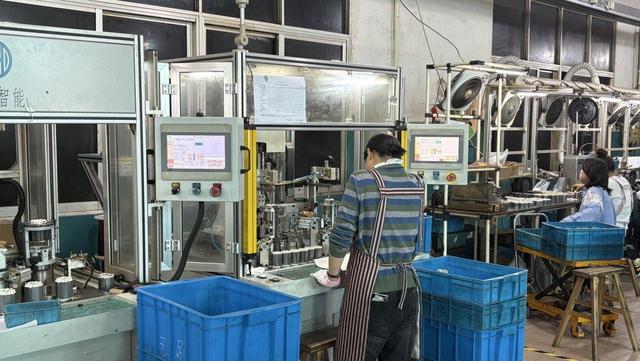
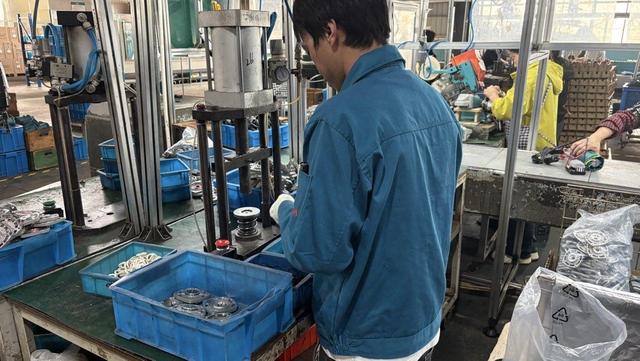
For greenfield automotive assembly sites and major light engineering factories starting up in economic zones, choosing individual cutting tools can lead to integration headaches. Carto Tool offers a streamlined turnkey service:
We analyze your CNC spindle rigidity, torque curves, and rapid traverse rates to select appropriate cutting tool sizes and interfaces, preventing tool breakage and spindle overload.
Our engineering team simulates toolpaths to optimize tooth engagement and chip load before cutting begins, reducing mechanical shock and tool wear on complex parts.
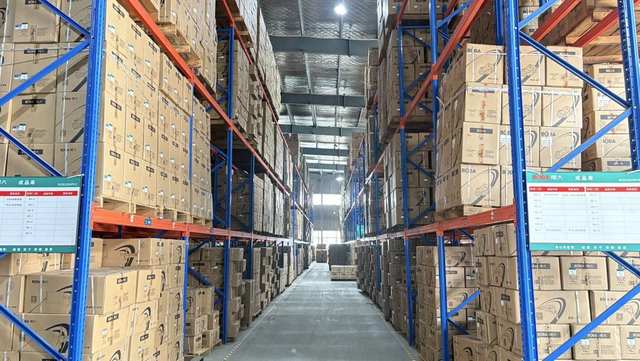
We coordinate shipments directly to industrial zones in Dhaka and Chittagong, managing logistics to ensure consistent supply of critical cutting inserts.
Get professional advice on choosing, operating, and managing automotive cutting tool systems in the Bangladesh market.
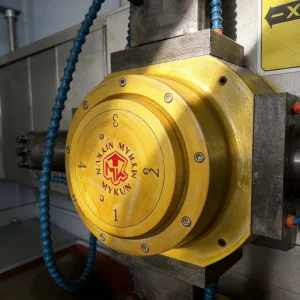
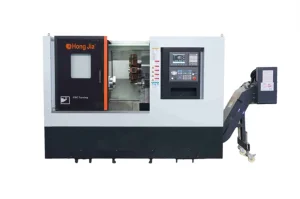
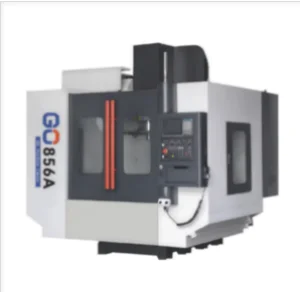
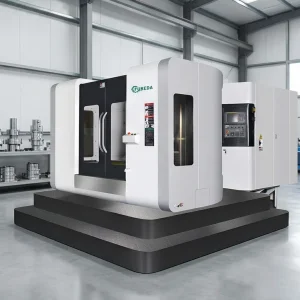
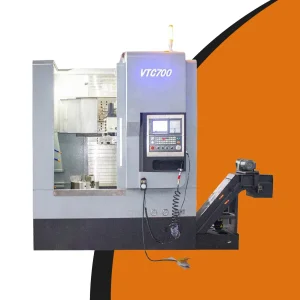
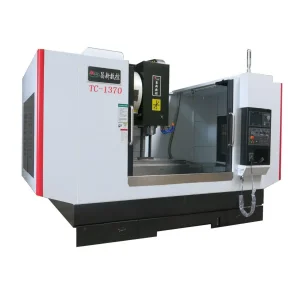
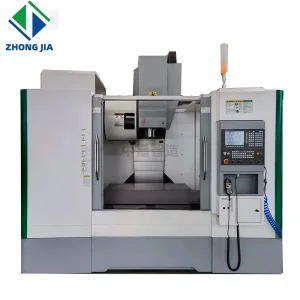
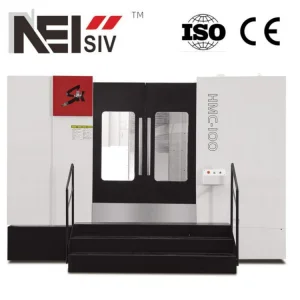
Browse our line of heavy-duty lathes, multi-axis machining systems, and industrial rotary transfer stations optimized for regional automotive component factories.
Contact our application engineering team today to receive a comprehensive analysis of your production line, complete with tooling recommendation layouts and custom quote packages.
Send Inquiry Now Carto Tool