Explore our engineered industrial system solutions designed for tight tolerances and structural rigidity.
Core metrics driving High-Speed Machining (HSM) efficiency and global procurement parameters.
Critical priorities and technical requirements analyzed from global industrial purchasing databases.
Aerospace components, often made of titanium alloys, Inconel, and lightweight aluminum-lithium structures, require high material removal rates (MRR) without inducing residual stress. Procurement leads seek HSM setups featuring advanced vibration damping technology and Real-Time Workpiece Measurement Systems (such as the NMK-70s system) to ensure structural integrity and compliance with AS9100 standards.
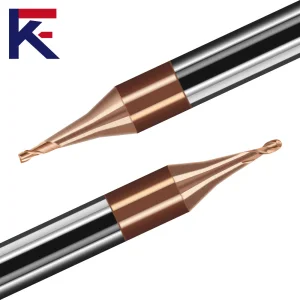
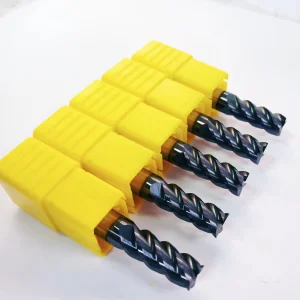
In mold making, achieving high surface finish accuracy directly inside the milling machine minimizes manual polishing. Buying agents focus on high-speed spindles combined with micro-grain carbide cutting tools (e.g., 55HRC-65HRC micro ball nose end mills). This combination provides wear resistance and maintains profile accuracy over long machining cycles.
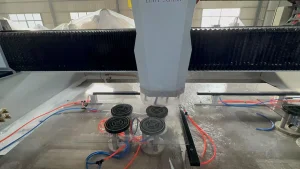
Medical manufacturing demands biocompatible metals like titanium, cobalt-chromium, and custom glass elements. Systems must perform micro-milling and high-precision glass engraving without chipping. Advanced CNC controllers with look-ahead algorithm capabilities, such as Italy CNC control platforms, are crucial for managing micro-geometric tool paths.
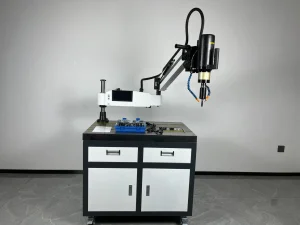
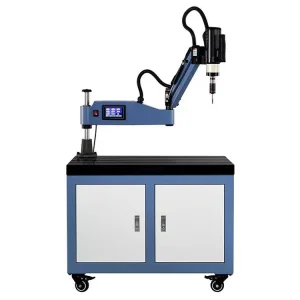
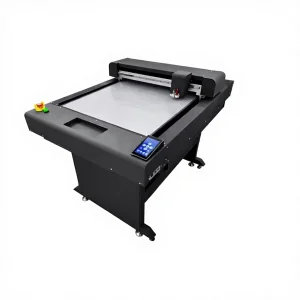
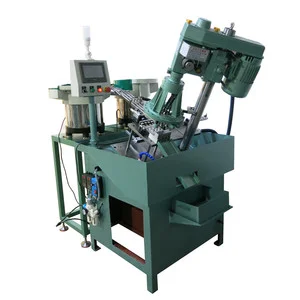
Fast-turnaround electro-machinery parts require rapid threading, micro-milling, and flatbed die-cutting. Buyers prioritize automated tooling changeover interfaces, modular electric tapping systems, and multi-spindle automatic nut-tapping technologies to minimize downtime.
Evaluation of the leading industrial hardware and system integrators globally based on precision, technology, and support.
A deep dive into the R&D history, material sciences, and quality control systems of Carto Tool.

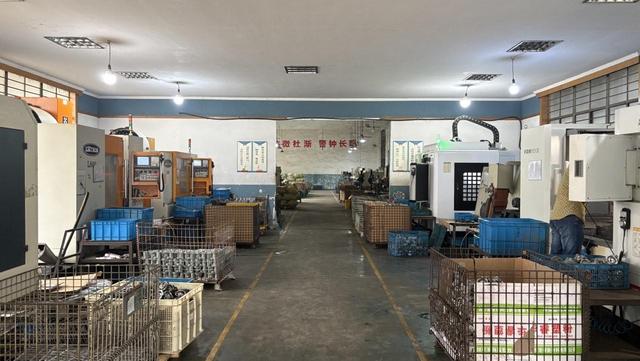
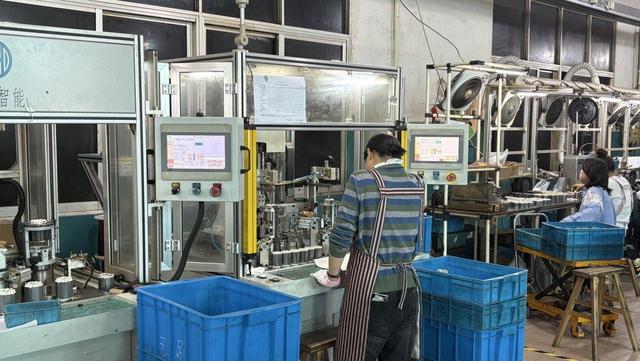
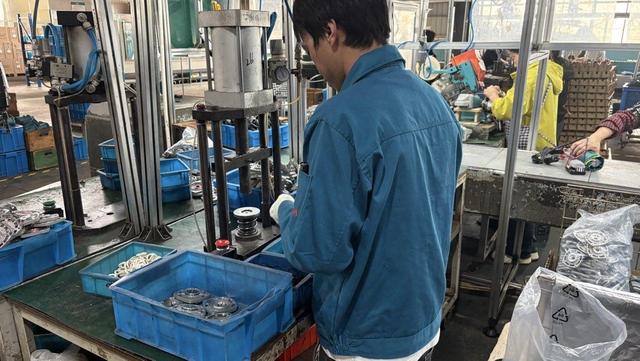

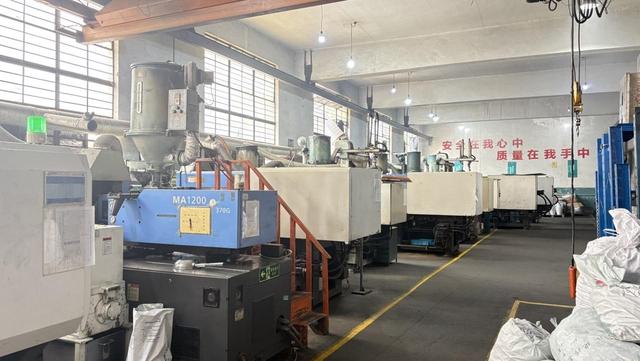

Key evolutionary vectors of HSM technology, outlining spindle engineering and material sciences.
Transitioning from basic sub-micron carbide to nano-crystalline tungsten-carbide alloys. This improves heat resistance and edge retention during continuous cutting operations in dry machining environments.
Integration of real-time sensor feedback within controllers (such as Taiwan Syntec or European control units). AI monitoring dynamically adjusts feed rates based on vibration levels, preventing cutter breakage and reducing scrap rates.
Traditional flood cooling is increasingly replaced by Minimum Quantity Lubrication (MQL) and cryogenic CO2 cooling systems. This reduces chemical footprint while maintaining target temperatures at the tool-chip interface.
Combining additive manufacturing heads with high-speed multi-axis subtracting tools within one machine frame. This configuration cuts down structural alignment errors and cycle times during multi-step component production.
Providing industrial setups to overcome typical high-speed metal removal challenges.
High spindle speeds generate heat that can expand the spindle core, affecting axis alignment. Systems address this through liquid-jacket cooling structures and real-time software compensation that tracks temperature data along the linear axes.
Long tools used in pocket milling are prone to chatter. Solutions integrate damping masses into the tool holder structure, optimizing dynamic stiffness and allowing for high-feed roughing.
Brittle materials crack easily under stress. Advanced systems use high-frequency ultrasonic assisted machining (cutting at 40 kHz along with spindle rotation) to machine materials like quartz and sapphire with minimal chipping.
Traditional setups require stopping the machine to measure parts externally. Modern systems use laser tool setters and touch probes to verify dimensions inside the machine enclosure, facilitating automated correction cycles.
Global logistics, regulatory compliance, and support systems required by global manufacturing buyers.
All high-speed machinery systems must include interlocked enclosures, mist extraction ports, and fail-safe braking systems to meet safety standards in European and North American markets.
Every tool and structural component undergoes validation via Coordinate Measuring Machines (CMM) and laser interferometry to ensure consistent batch quality.
Top-tier suppliers offer DDP (Delivered Duty Paid) shipping options, coordinating clearance through global hubs and minimizing administrative delays for buyers.
To avoid extended downtime, leading brands partner with local technical service centers. This provides access to on-site spindle rebuilding, controller programming, and wear tooling replacement.
Answers to technical and commercial questions frequently asked by procurement teams.
Generally, high-speed machining is defined by the Dn ratio (bearing bore diameter in mm multiplied by spindle speed in RPM). When Dn exceeds 1,000,000, or when processing aluminum at speeds over 15,000 RPM, the process falls under HSM. For hard steel materials, speeds above 8,000 RPM are typically considered high-speed.
Taiwan Syntec controls offer a balance of price and performance, featuring multi-axis interpolation and dynamic look-ahead capabilities, making them common in high-production milling. European or Italy CNC controls are frequently used in specialized multi-spindle operations, glass profiling, or heavy-duty waterjet setups due to their open architecture and custom macro programmability.
The HRC (Rockwell Hardness) rating of a cutting tool indicates its ability to withstand abrasive wear. A tool rated at 55HRC is suitable for general steel, copper, and medium-hard materials, whereas tools rated at 60HRC to 68HRC are required to machine hardened tool steels, prevent micro-chipping, and maintain geometry during high-speed finishing cycles.
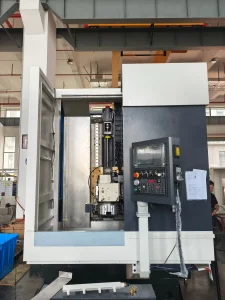
In large vertical lathes (e.g., the NMK-70s), heavy workpieces can create variable centrifugal forces. Vibration damping systems use dynamic counterweights or hydraulic dampening inside the spindle housing to reduce chatter. This improves surface finish quality and extends tool life.
PVD coatings (like AlTiN or TiAlN) form an insulating aluminum-oxide layer at temperatures above 800°C. This layer diverts heat into the chips rather than the tool substrate, preventing thermal cracking and allowing for higher dry cutting speeds.
Browse additional industrial systems, cutting tools, and manufacturing units.


 Carto Tool