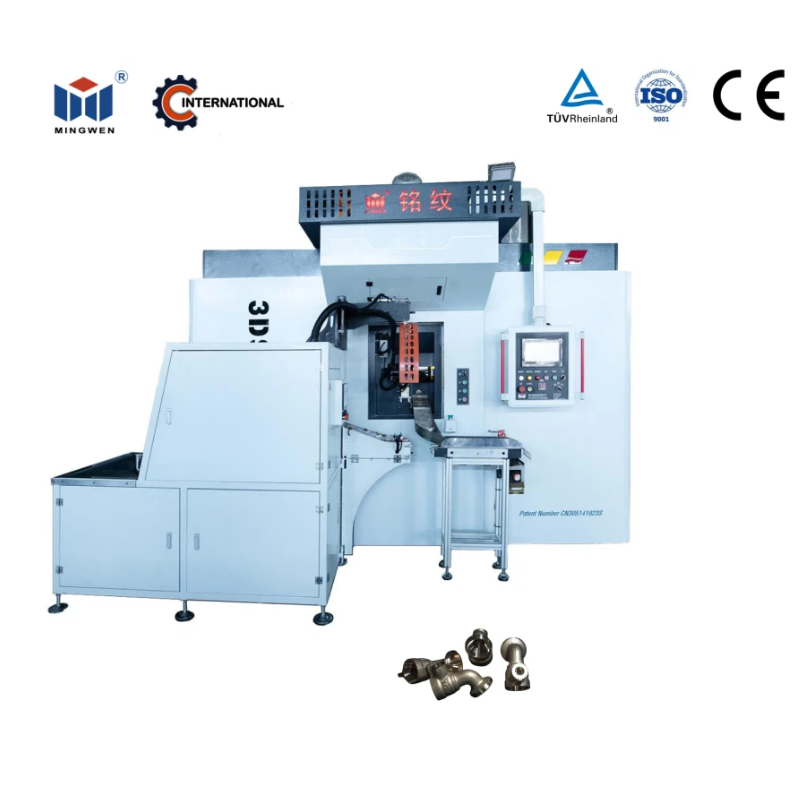
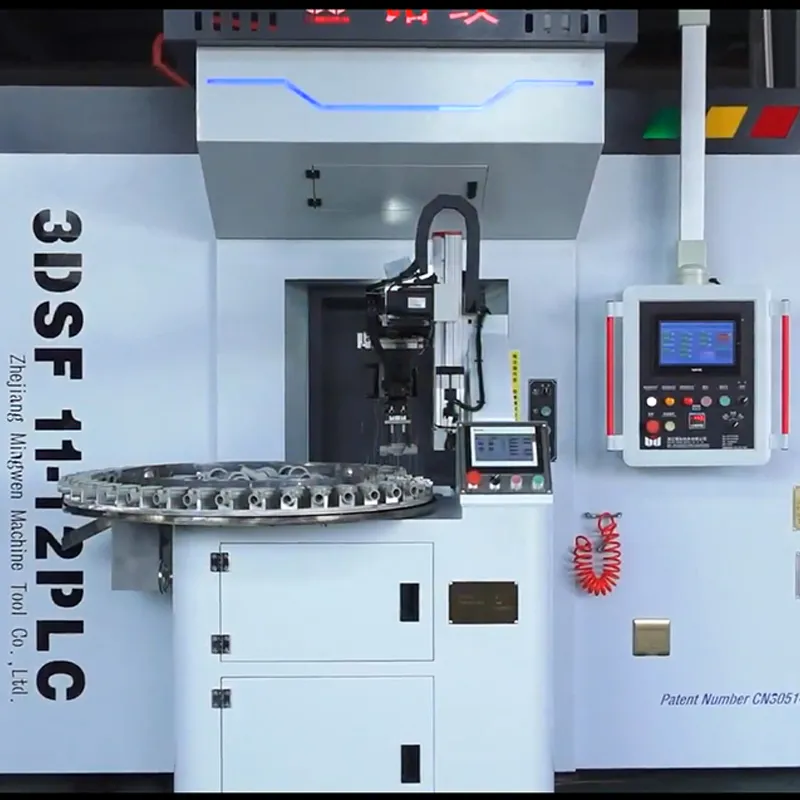
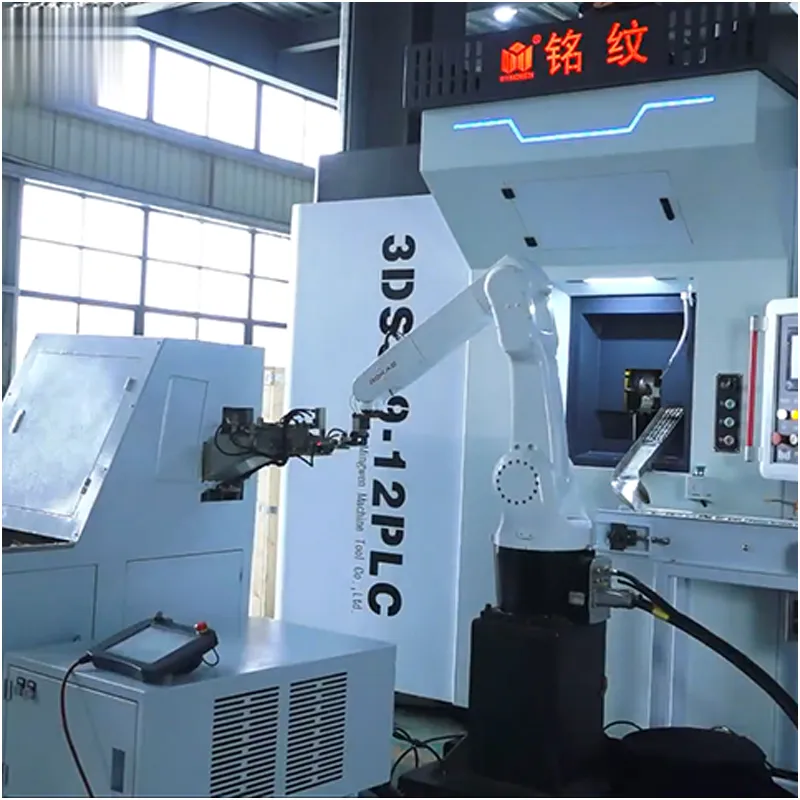
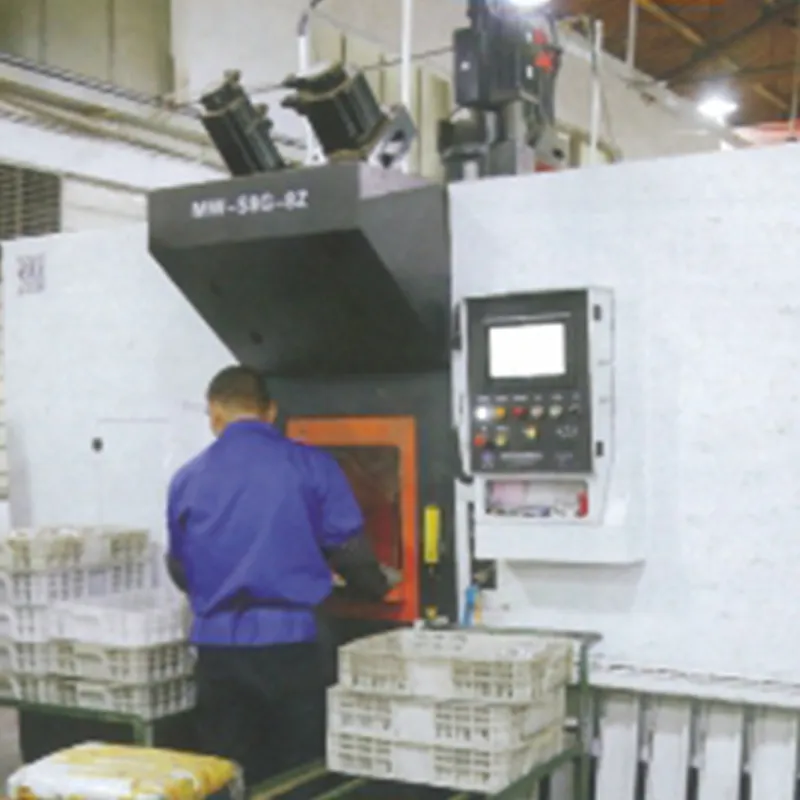
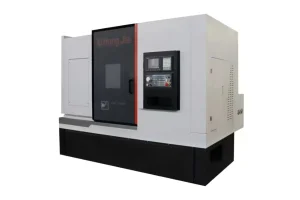
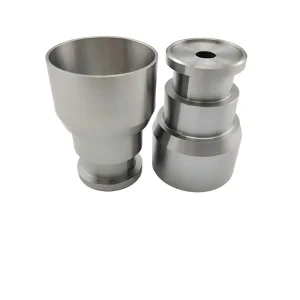
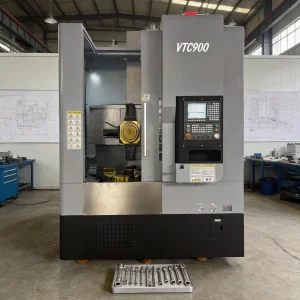
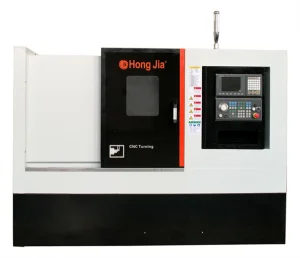
Advanced Water Faucet Rotary Transfer System for Seamless Manufacturing

Customization: Available
After-sales Service: Available
Warranty: 12 Months

Product Description

Overview
Basic Info
Model NO.3DSF 11-12PLC
TypeMetal Cutting
ApplicationMachining
Processing MethodMetal Removal
Automatic GradeAutomatic
PrecisionPrecision
CertificationGS, CE
ConditionNew
CapacityMass Production
StationsMultiple Stations Customized
SpindlesCustomized According to Work Piece
AccuracyHigh Precision
FlexibilityDepends on Specific Work Piece
Setup TimeConcurrent Operations
VersatilityAutomotive, Aerospace, and Other Industries
Machine Size and WeightCompact Footprint
Quality ControlMaintain Consistent Quality
Safety Featureswith Comprehensive Safety Features
After-Sales Support and ServiceAvailable
BrandMW
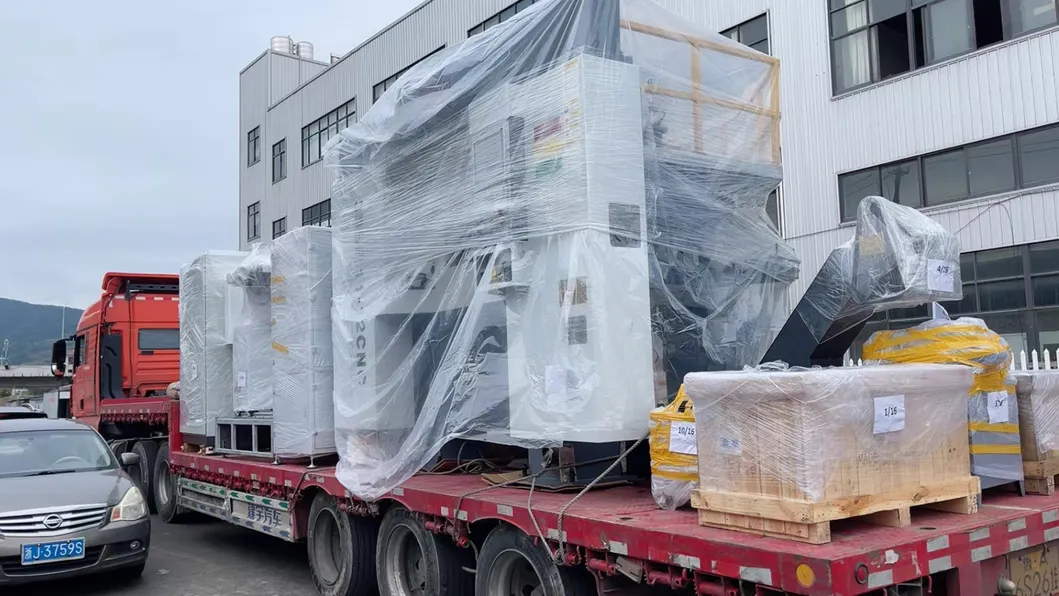
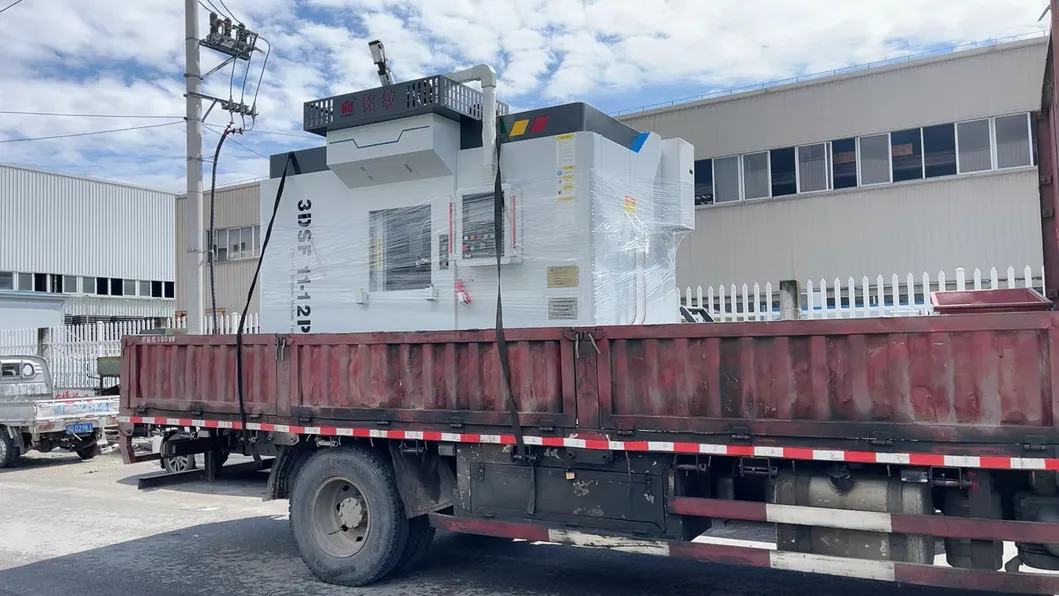
Packing and TransportationSea Worthy Transportation
Control SystemCNC/PLC(Option)
Transport PackageSea Worthy Packaging
TrademarkMW
OriginChina Taizhou
HS Code8457101000
Packaging & Delivery
Package Size315.00cm * 210.00cm * 235.00cm
Package Gross Weight8000.000kg
Product Description

Water Faucet Rotary Transfer Machine

3DSF 11-12PLC
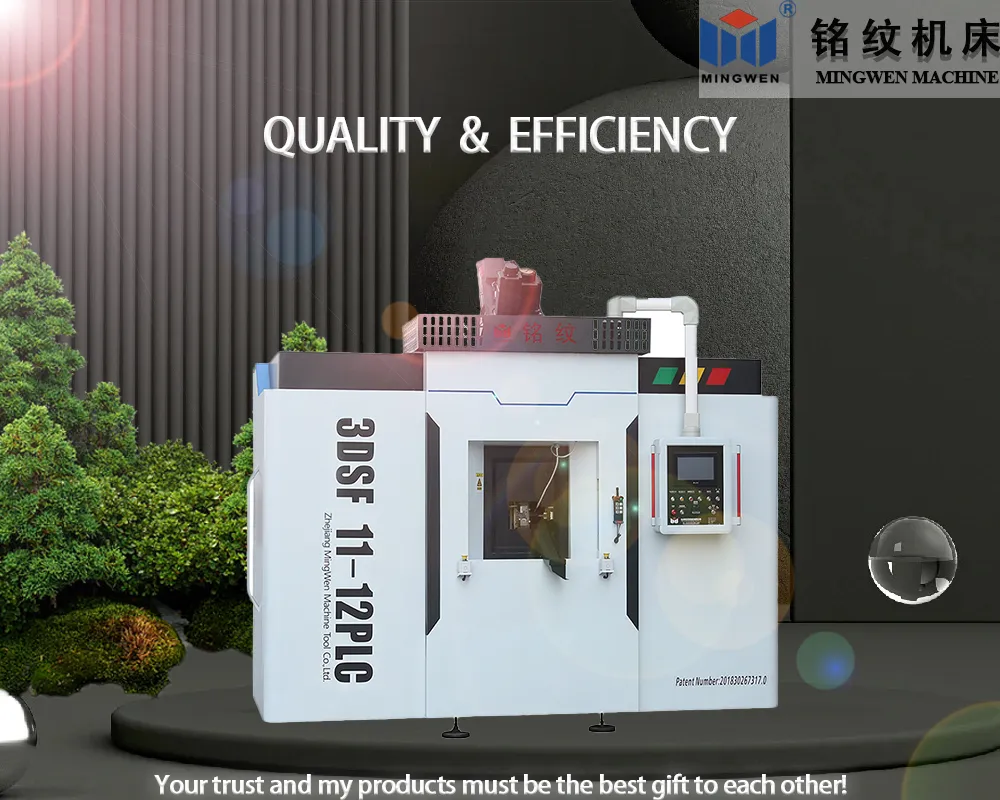
Advanced Water Faucet Rotary Transfer System for Seamless Manufacturing
Parameters
Parameter Specification Details
Machine name Water faucet rotary transfer machine
Application Copper, aluminum, steel, cast iron and other materials
Structural style Vertical
Station & Spindle Station and spindle - Customized according to the specific work piece machining requirements
Processing Precision 0.01~0.02(mm)
Equipment size & weight Size depends on specific products. Weight: 6-9 Tons (For reference only)
Cycle time Based on specific work pieces (3-5 times more efficient than traditional processing methods)
Control system CNC/PLC(Option)
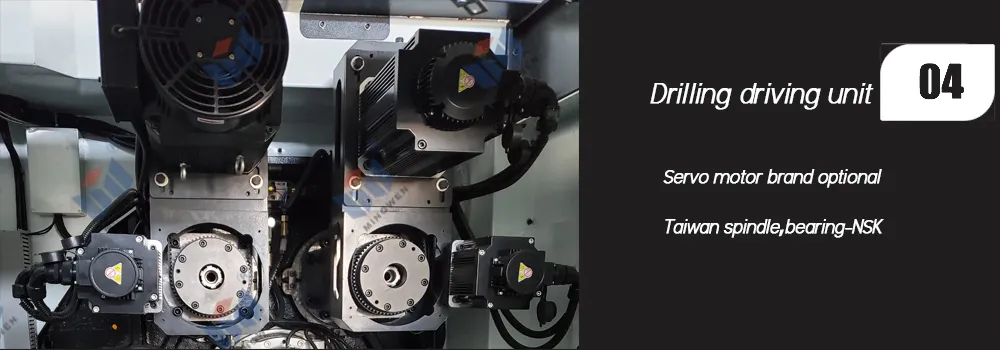
Driving unit motor Servo motor
Certification GS, CE, ISO
Product Details
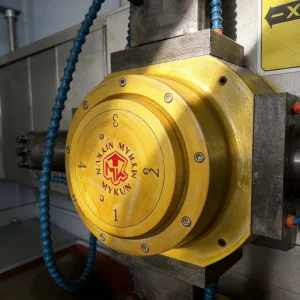
Advanced Water Faucet Rotary Transfer System Details Advanced Water Faucet Rotary Transfer System Details Advanced Water Faucet Rotary Transfer System Details Advanced Water Faucet Rotary Transfer System Details Advanced Water Faucet Rotary Transfer System Details
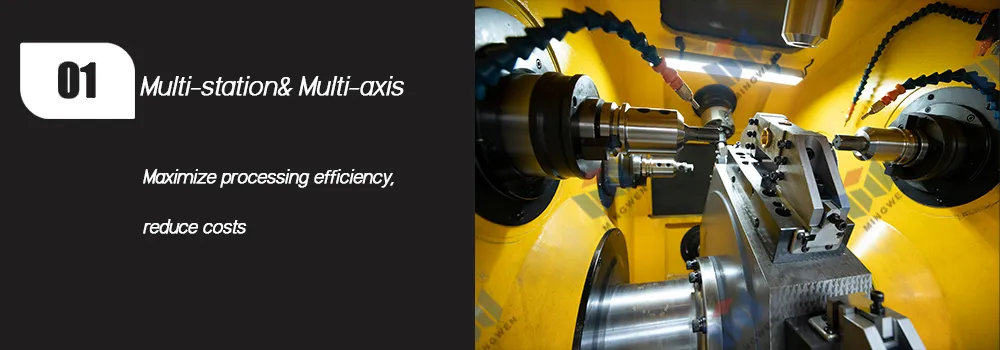
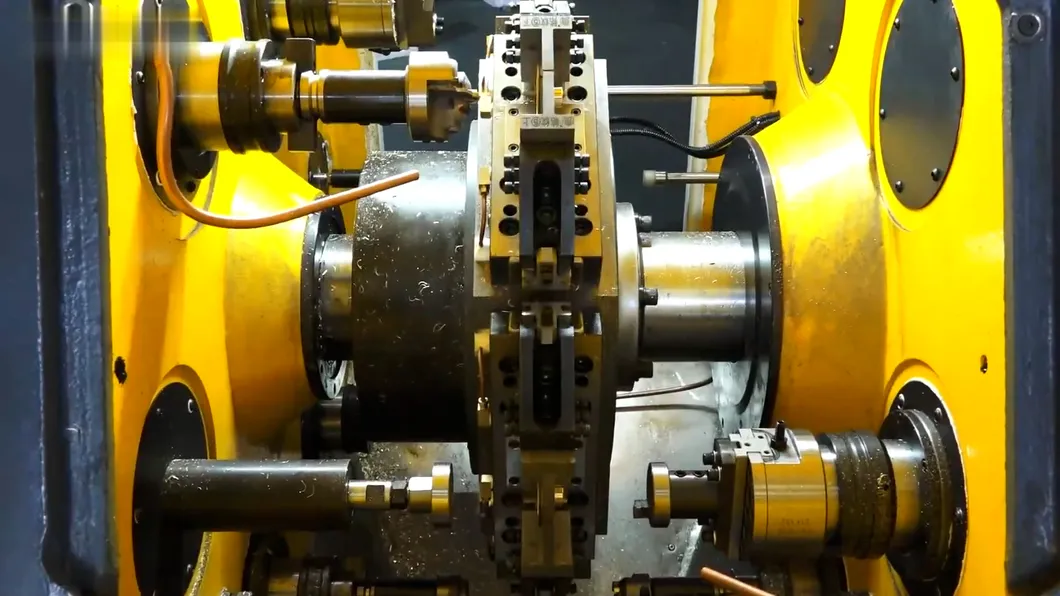
Multi-stations, Multi-spindles Rotary Transfer Machine
(Customized according to specific work pieces)
Multi-stations configuration Multi-spindles detail
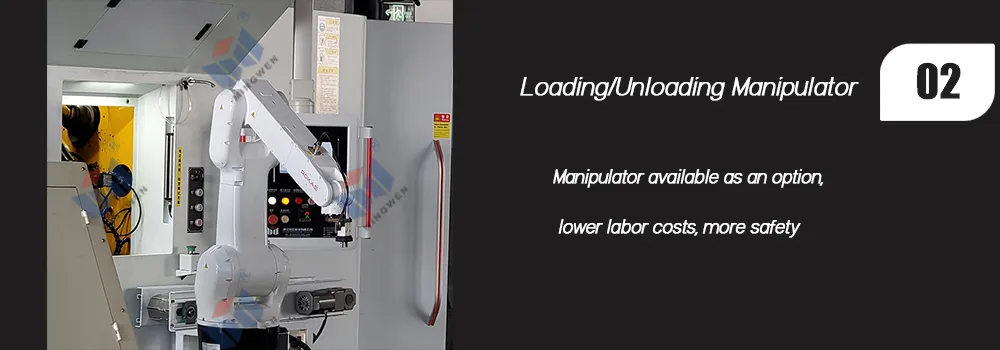
Work Piece Loading/Unloading
(Automatic or Manual - Customized according to specific work piece)
Loading mechanism option 1 Loading mechanism option 2 Loading mechanism option 3
Our Advantages

Rotary transfer machines offer several advantages in the manufacturing industry due to their unique design and capabilities. Here are some of the key advantages of using rotary transfer machines:

  • High production rates: Designed to handle multiple workstations simultaneously, allowing for the concurrent processing of multiple parts. This results in high production rates and increased throughput, making them ideal for high-volume manufacturing.
  • Precision and accuracy: Built with high-quality components and advanced control systems, ensuring precise and accurate machining. The rotary motion allows for consistent and repeatable positioning, leading to tight tolerances and improved part quality.
  • Reduced setup time: Designed for quick changeovers between different production runs. Once the initial setup is complete, subsequent changeovers are relatively fast, reducing downtime and increasing overall efficiency.
  • Flexibility: Despite their high-volume capabilities, rotary transfer machines can handle a wide range of part sizes and geometries. With the ability to accommodate multiple tools and operations, they offer versatility in manufacturing different components.
  • Cost-effectiveness: While rotary transfer machines require a significant initial investment, their high production rates and efficiency can lead to substantial cost savings in the long run. The reduced labor costs and increased output contribute to a lower cost per part.
  • Operator safety: Often fully enclosed, protecting operators from potential hazards associated with the machining process. This enclosure also helps in containing chips and coolant, making the working environment cleaner and safer.
  • Minimized cycle times: Due to their simultaneous processing of multiple parts and operations, rotary transfer machines can significantly reduce cycle times, enhancing overall productivity.
  • Automation integration: Easily integrated into automated production lines, further enhancing their efficiency and reducing the need for manual intervention. This enables lights-out manufacturing, where the machines can operate autonomously for extended periods.
  • Space-efficient: Designed to occupy a relatively small footprint compared to traditional manufacturing setups that involve multiple standalone machines. This space-saving design is beneficial for optimizing floor space in the factory.
  • Consistency and reliability: Once properly set up, rotary transfer machines tend to operate consistently and reliably, minimizing variations in part quality and reducing the risk of defects or errors.

Successful Business Case

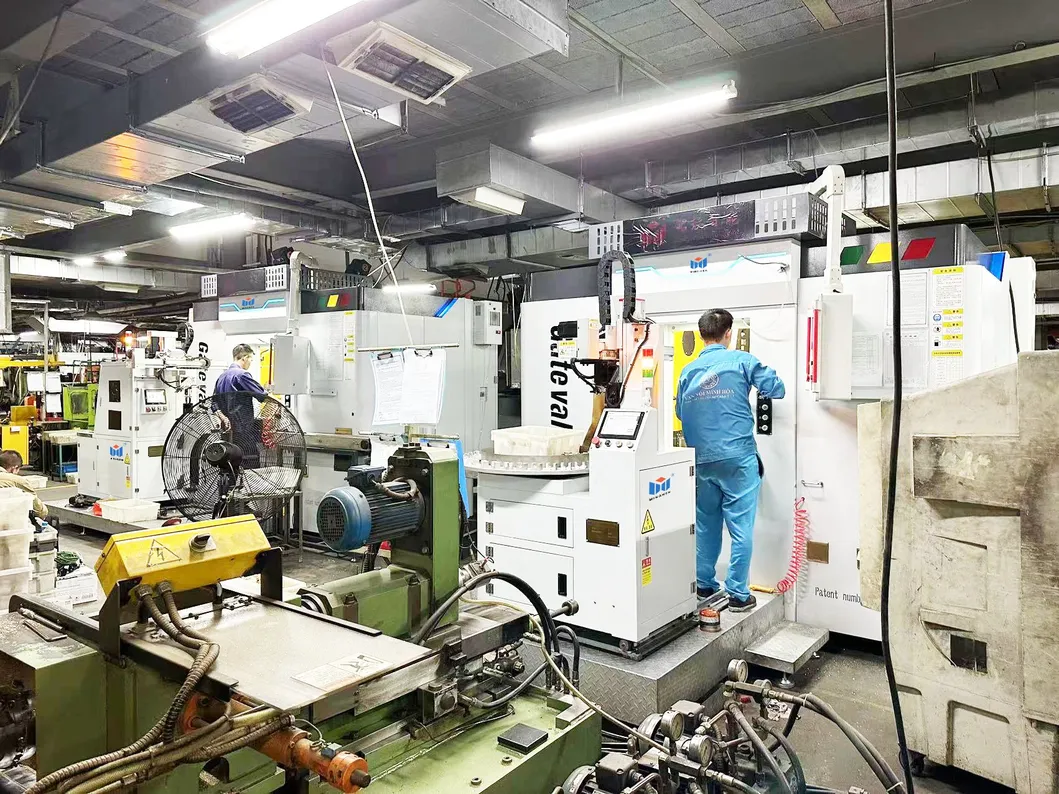
The largest valve factory in Vietnam has been renovated and has introduced 23 rotary transfer machines since 2019.

After years of cooperation and exploration, we have developed and manufactured a rotary transfer machine which is suitable for high-precision processing of 4" ball valve according to customer's need.

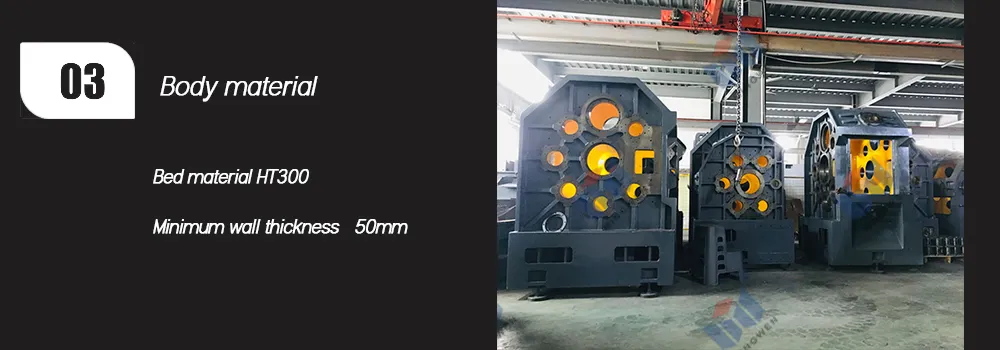
This large rotary transfer machine weighs more than 17 tons, has a height of 3.6 meters, and a front width of more than 4.5 meters. It is the largest rotary transfer machine in China at present.
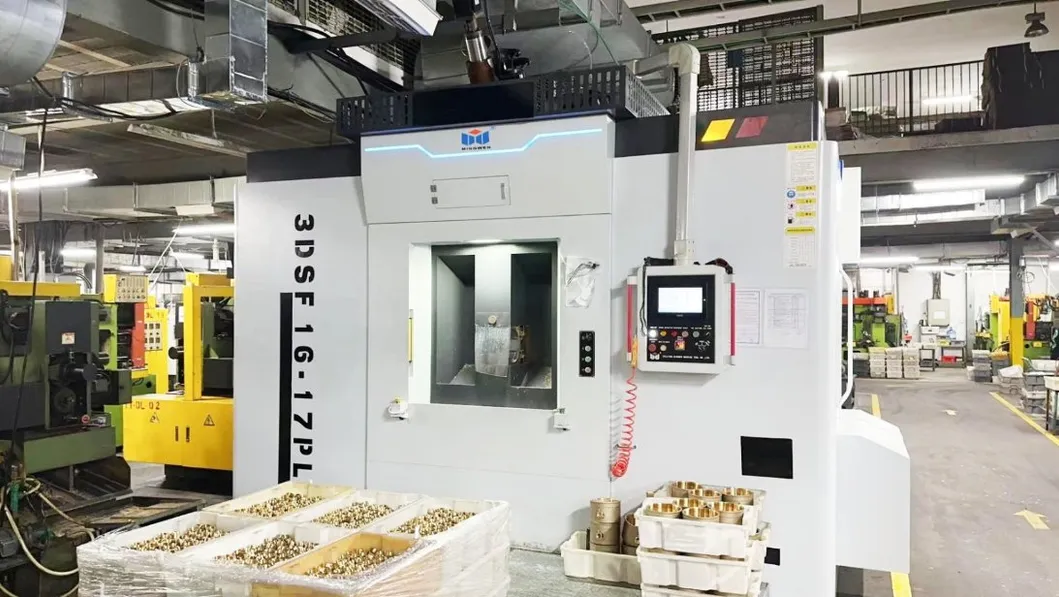
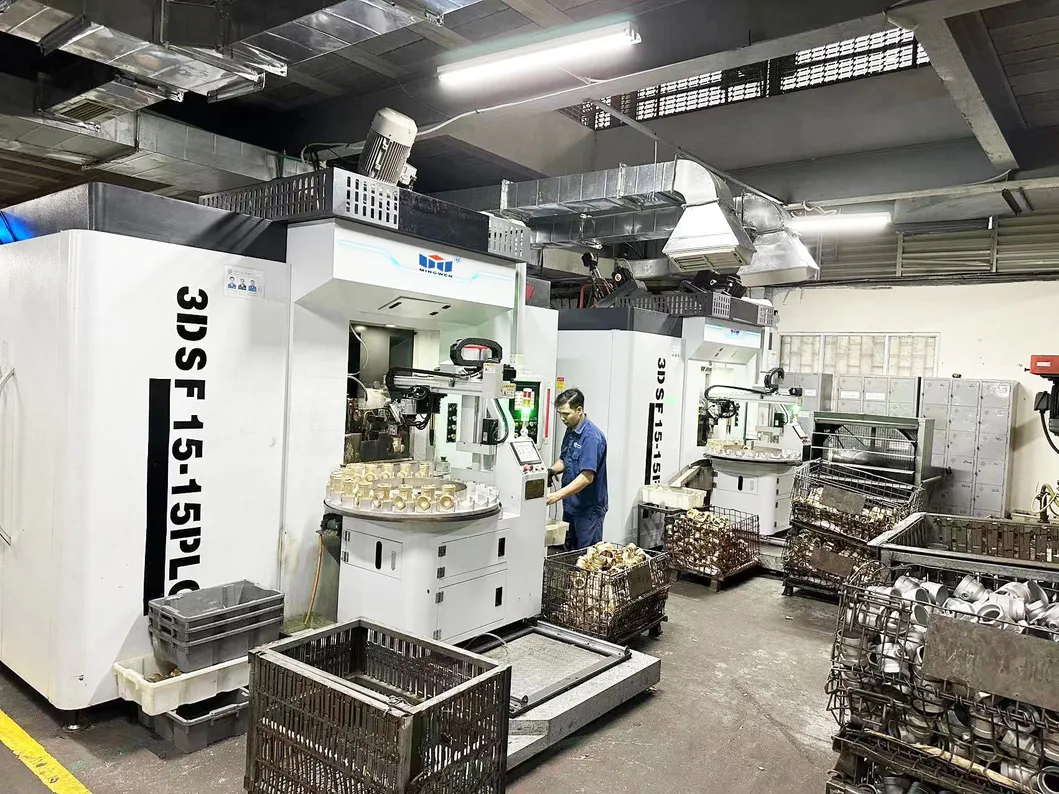
Large scale rotary transfer machine setup
Factory assembly floor installation Rotary transfer machine operations
Working Process
Overview of the Function and Operation of a Vertical Rotary Transfer Machine

Workpiece loading: Manual, manipulator, robot (Optional according to work pieces processing requirements).

Indexing and workpiece positioning: The indexing mechanism of the machine rotates the rotary table, moving the workpiece to different machining stations arranged vertically around the axis. Each station is equipped with the necessary tools, fixtures, and equipment for specific operations.

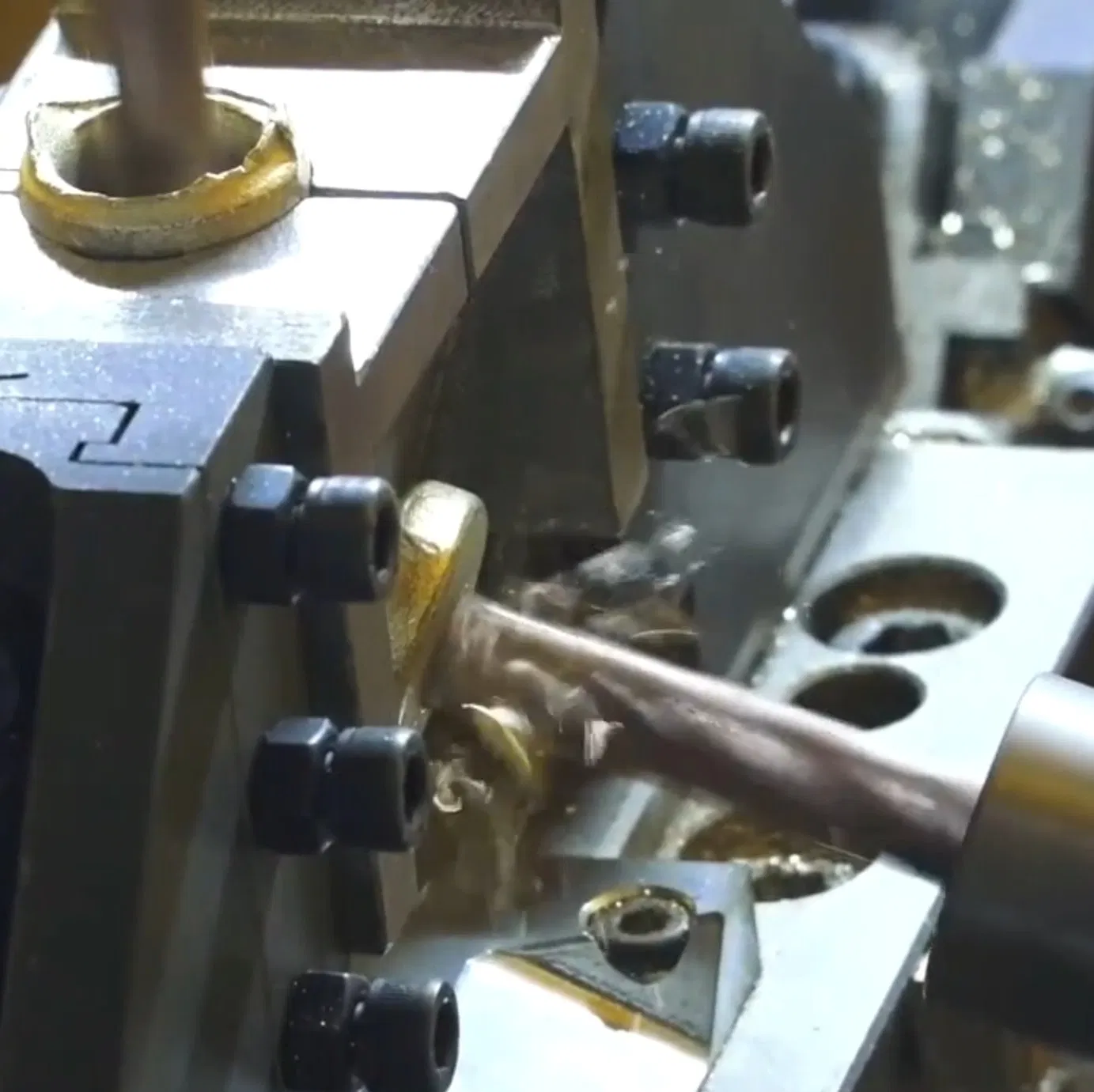
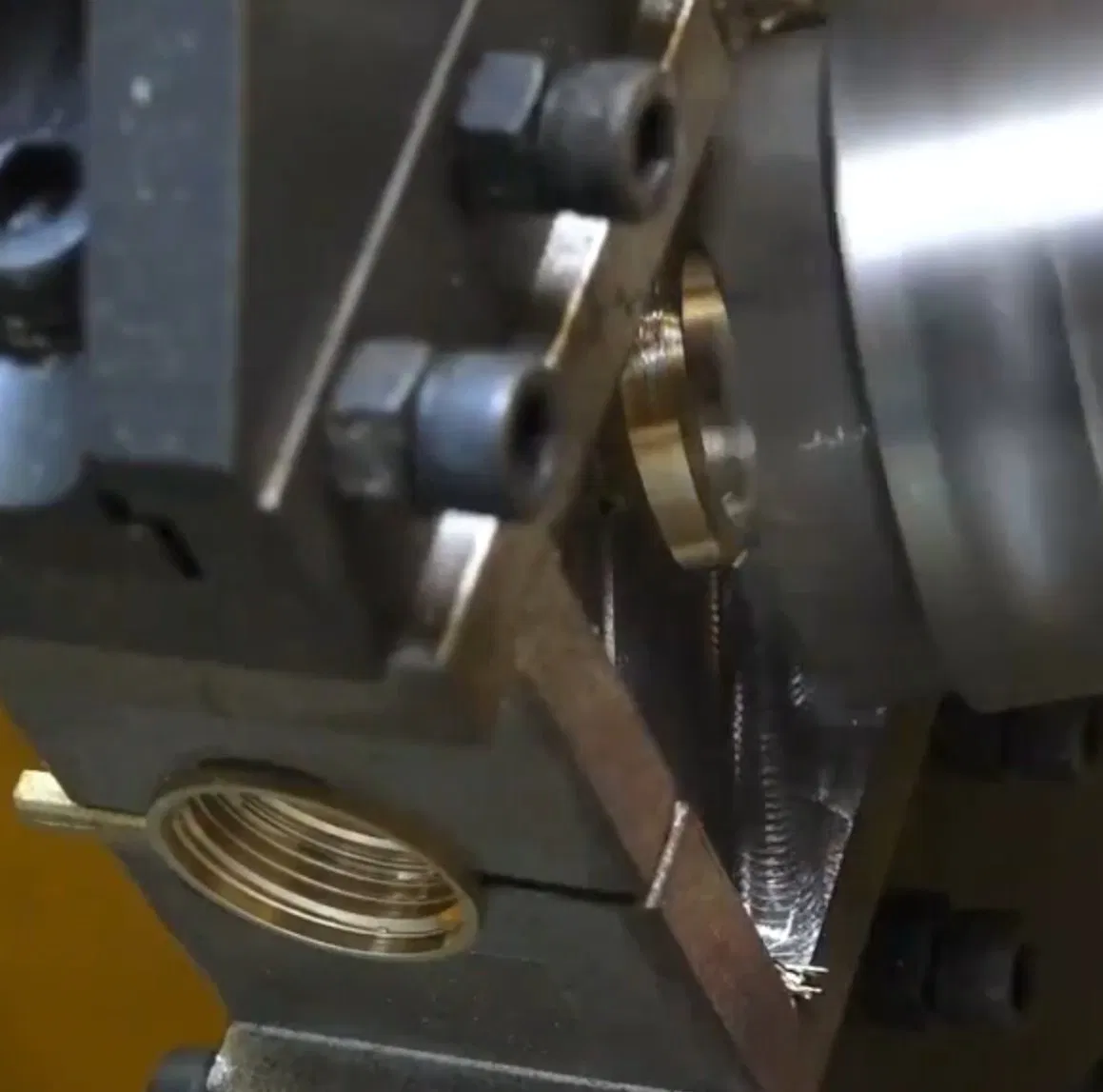
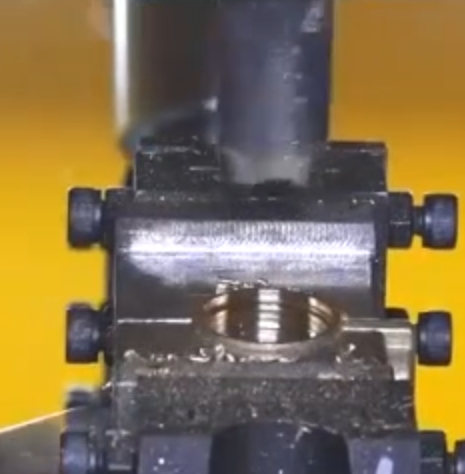
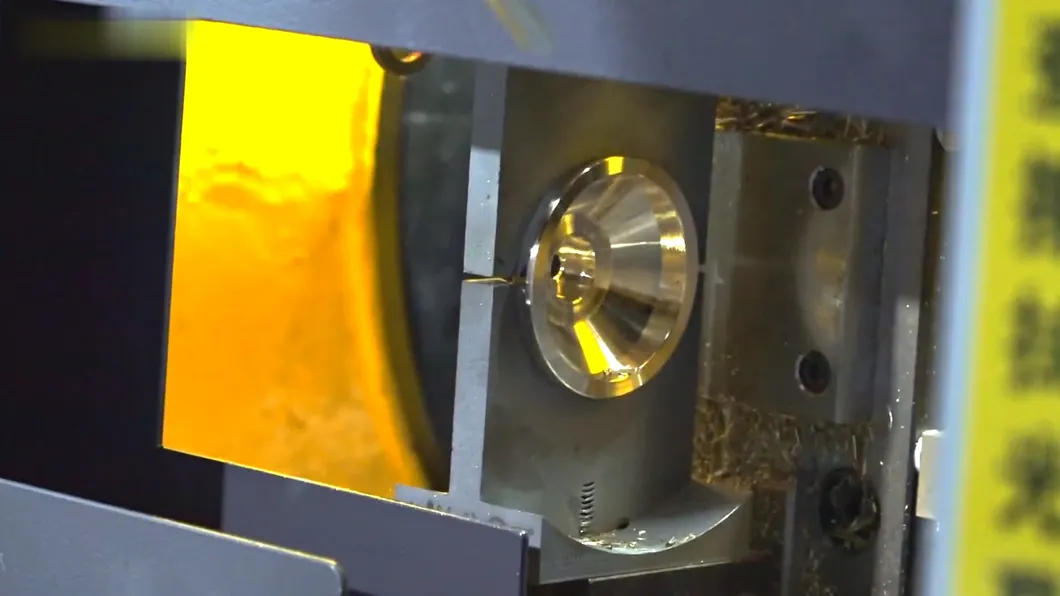
Machining operations: As the workpiece is indexed to each station, various machining operations are performed. These operations can include drilling, milling, tapping, reaming, boring, grinding, turning, honing, or other processes required for the specific part being manufactured.

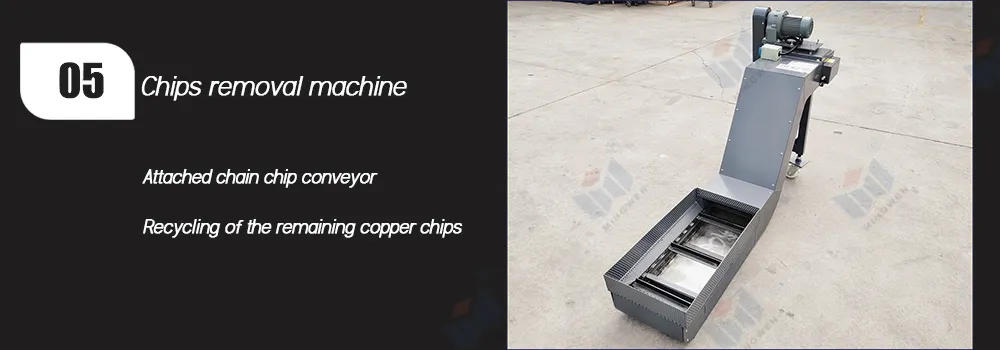
Chip management: Similar to other types of machining centers, vertical rotary transfer machines incorporate chip management systems to remove chips or swarf generated during machining. Chip conveyors, chip collection trays, or other methods are employed to maintain a clean and efficient working environment. Inspections, gauging, or automated measurement systems are integrated into the machine.

Workpiece unloading: Once all the required operations are completed, the finished workpiece is unloaded from the machine. The indexing mechanism returns the rotary table or drum to the initial loading position, and the cycle can be repeated with a new workpiece.
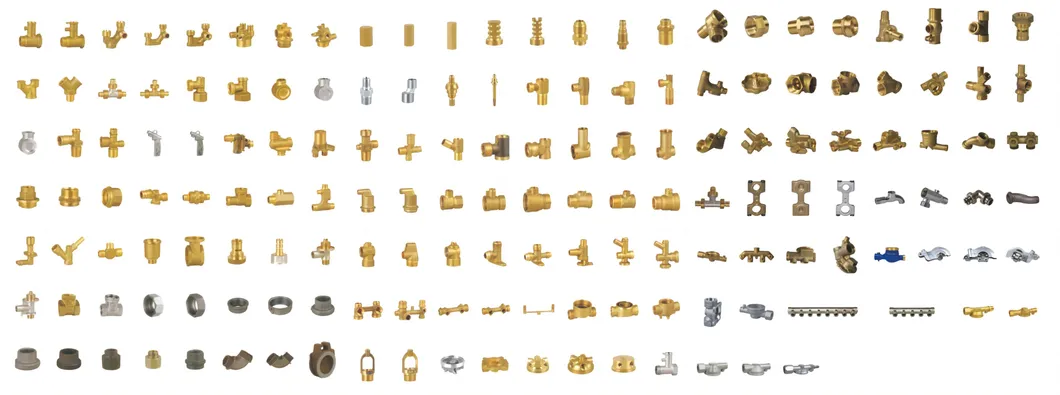
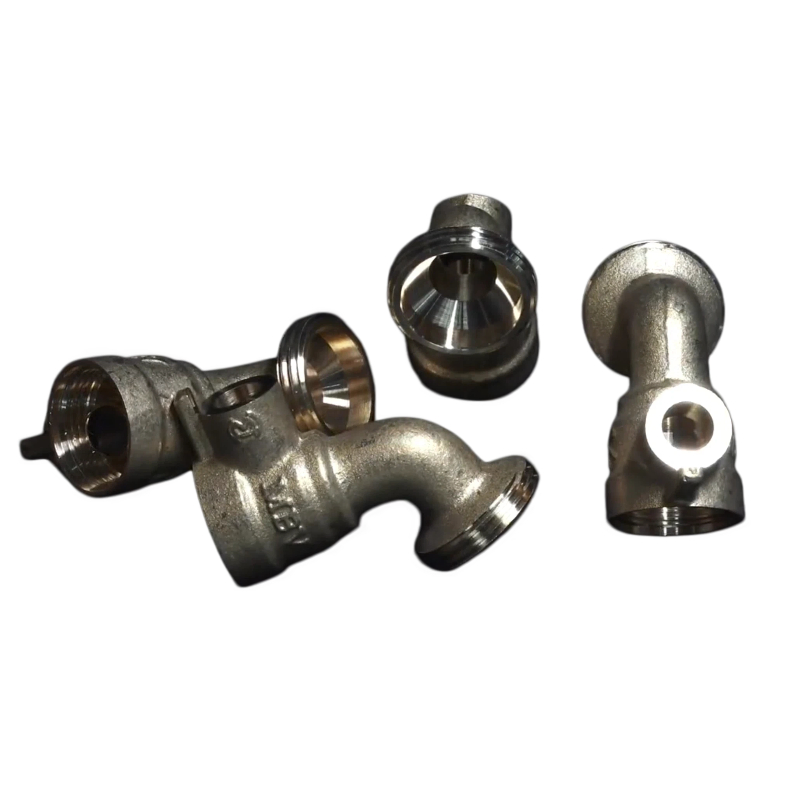
Processed Work Pieces Examples
Examples of work pieces processed by rotary transfer machine
Company Profile

OEM/ODM

Our unique team of designers is prepared for different types of OEM & ODM customer needs!

We possess more than 10 years of experience in OEM/ODM service, including particular product function development, customized packaging, sample development, etc.

R&D Capabilities

Our organization features dedicated R&D software and R&D machinery departments.

We boast a strong R&D team with experience spanning Germany, Japan, and China.

We can design new machines tailored to your base requirements with unique software control systems under special request.
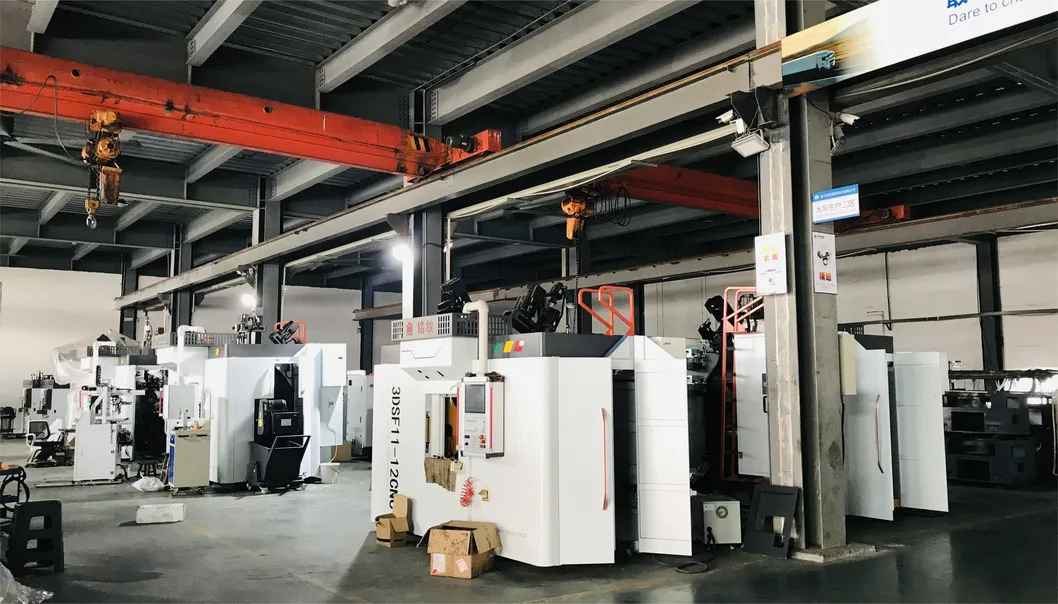
Engineering design and manufacturing department
After Sales Service
Support Options Service Details
Online Technical Support Communicate promptly when problems arise. Online technical support is available through social software for most of our products, such as CNC lathes.
Remote Monitoring Module A remote monitoring technical support module can be built into the unit to provide remote technical support over the Internet in the event of a malfunction.
Spare Parts Availability For most of our machines, we send critical and easily breakable spare parts along with the machine shipment.
After sales service online monitoring Spare parts inspection
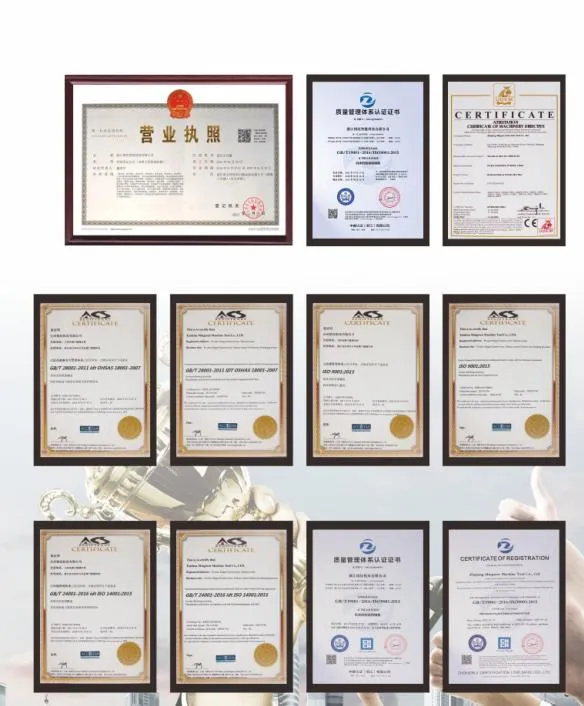
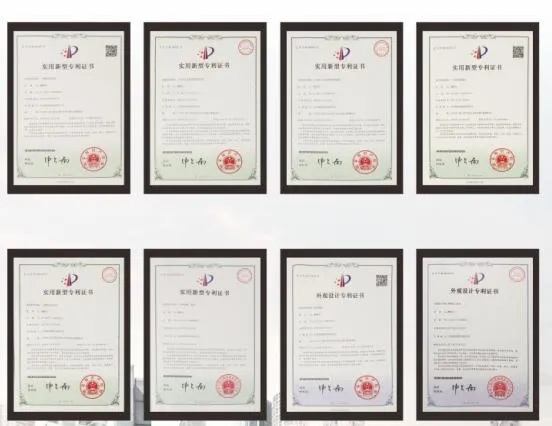
Certifications
Industrial equipment certification doc 1 Industrial equipment certification doc 2
Frequently Asked Questions
Who is responsible for the maintenance of the rotary transfer machine?
Operators are responsible for the daily use, basic upkeep, and cleaning of the equipment. Dedicated technical maintenance personnel are responsible for specialized repairs and advanced maintenance routines.
What environment is required to operate CNC rotary transfer machines?
CNC equipment requires a clean environment free of excessive humidity, heavy dust, and corrosive gases. It must be kept away from direct sunlight, thermal radiation, and high-vibration machinery such as forging or punching systems.
What is the ideal operating temperature for high-precision machining?
The general ambient operating temperature of the equipment should remain between 15°C and 35°C. For precision machining operations, the temperature must be controlled steadily at around 20°C, with strict control of sudden temperature fluctuations.
How should power supply fluctuations be handled?
To prevent power fluctuations (beyond ±10%) and transient interference signals, it is recommended to use a dedicated line power supply directly from the low-voltage distribution room. The addition of voltage regulators can further protect the machine tools.
What are the key daily maintenance checks required before and after work?
Daily checks include preheating the machine for 10 minutes, verifying that the oil circuit and lubrication levels are clear, ensuring sufficient coolant, checking air and oil pressure, checking signal and warning lights, and cleaning dust and chips from key areas after work.
What procedures should be followed for weekly and monthly maintenance?
Weekly maintenance entails checking shaft guards, servo motor operations, cleaning electrical cabinet dust, verifying contacts/sockets, cleaning water tanks, and replacing cutting fluid. Monthly maintenance focuses on verifying shaft track lubrication and cleaning limit switches.

Related Products