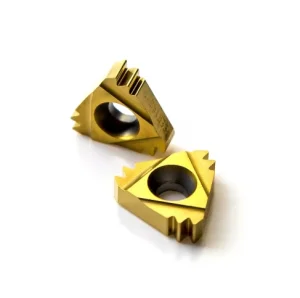
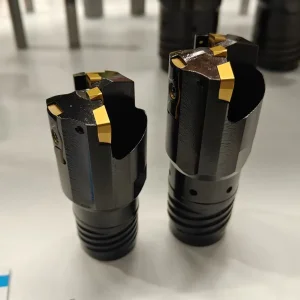
Deploy high-precision carbide inserts specifically designed to combat cutting vibration, maximize metal removal rates, and minimize operational downtime in automotive, aerospace, and medical engineering.
The state of New York remains a pillar of high-value manufacturing. From the aerospace facilities on Long Island and defense electronics plants in Syracuse to the optical instrument workshops in Rochester and cleanroom semiconductor fabrication plants in Albany, New York's industrial ecosystem is highly diversified. To sustain profitability, machine shops must navigate high local operational costs, demanding strict manufacturing optimization.
In this competitive environment, indexable insert cutting systems represent a crucial operational catalyst. Unlike conventional solid tools, indexable inserts allow local machine shops to rotate or swap worn cutting edges in seconds without altering setup geometries, reducing downtime and maintaining precision alignment. Our advanced carbide grades and custom geometries are designed specifically to handle challenging materials like Titanium, Inconel, and high-strength tool steels commonly processed in New York's aerospace and military industrial corridors.
We track the cutting edge of industrial metallurgy, tool body geometry, and smart manufacturing parameters. Discover how next-generation indexable technology optimizes precision cutting operations.
Conventional CVD and PVD coatings are giving way to advanced high-power impulse magnetron sputtering (HiPIMS) and thick nano-layered coatings. By structuring titanium aluminum nitride (TiAlN) and chromium nitride (CrN) at the molecular level, our inserts achieve unprecedented thermal stability, preventing micro-chipping even at cutting temperatures exceeding 1000°C.
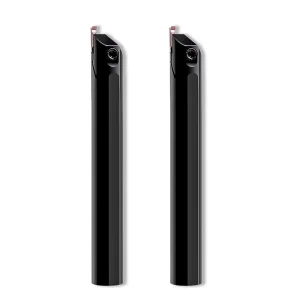
Uncontrolled chip formation and harmonics are the primary causes of premature tooling failure. Our research concentrates on multi-stage chipbreaker profiles that adapt to varying feed rates. By pairing these designs with internal vibration dampening cavities inside tool holders, we optimize chip evacuation during deep hole operations, ensuring superior workpiece finish.
The factory of the future uses live data. Future cutting systems will feature wireless micro-sensors embedded in the tool holder body. These modules transmit real-time telemetry detailing cutting forces, temperature spikes, and harmonic anomalies to the CNC controller, preventing catastrophic failure through automatic tool compensation adjustments.
Every sector faces distinct precision engineering issues. We deliver tailored machining strategies designed for optimal material removal rates and component accuracy.
Aerospace components demand the processing of difficult-to-cut alloys like Inconel 718, cobalt-chrome, and Grade 5 Titanium. These materials generate immense heat at the tool-tip interface, inducing plastic deformation. Our indexable milling systems deploy specialized rake angles and high-cobalt substrates to withstand these high cutting forces, preserving dimensional accuracy across long manufacturing cycles.
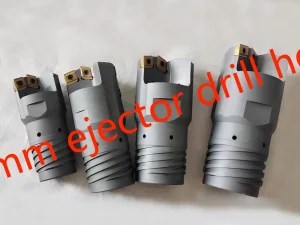
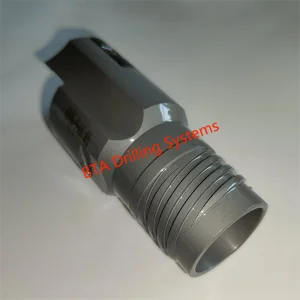
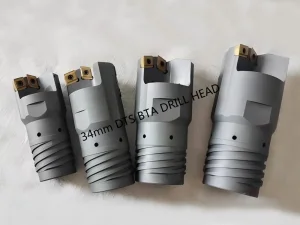
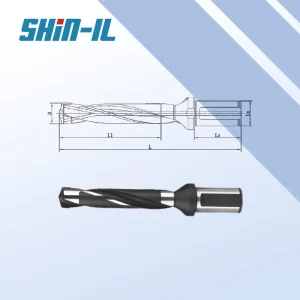
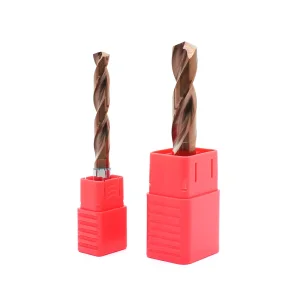
Drilling high-aspect-ratio holes requires balanced cutting dynamics and reliable chip evacuation. Our heavy-duty BTA and Double Tube (Ejector) Drilling Systems utilize strategically placed wear pads on the tool body to stabilize the assembly within the bore. This prevents drift and concentricity errors, even when machining deep industrial bores in stainless steel pipe assemblies.
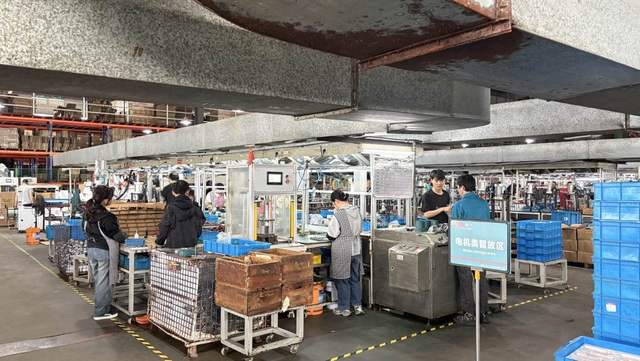
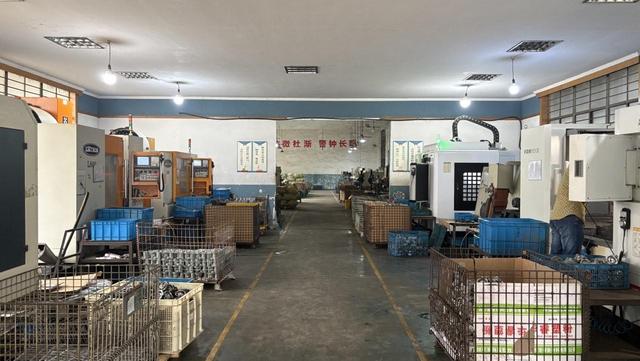
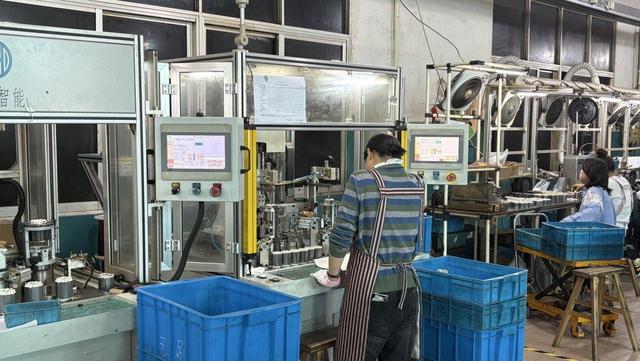
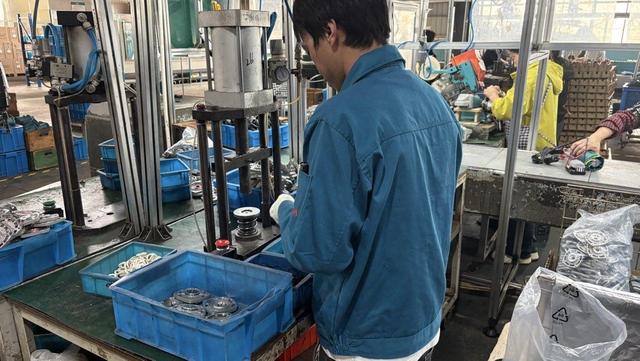
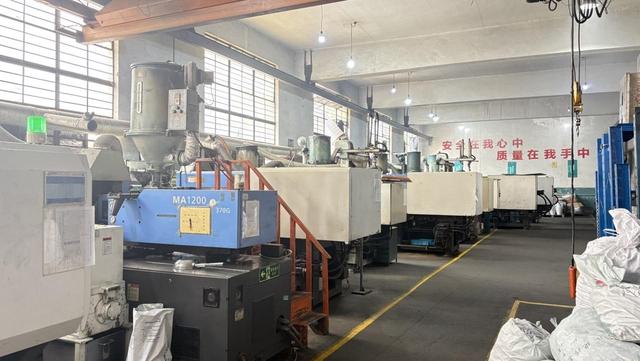
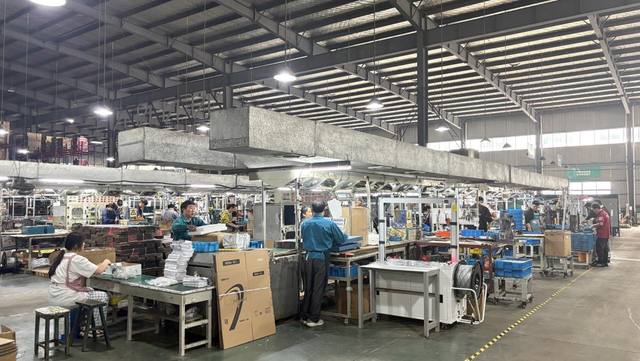
By shifting manufacturing to Carto Tool's state-of-the-art Chinese manufacturing facilities, New York companies gain access to advanced cost optimization and high production capacity. Operating in a digital Factory 4.0 environment, we implement automated systems across the entire fabrication cycle, including tool design, material sintering, automated profile grinding, coating, and automated optical inspection.
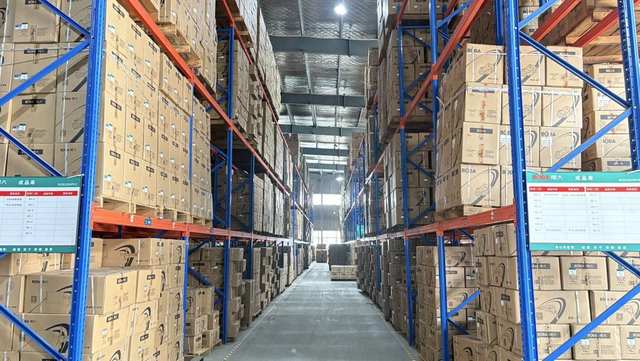
Our raw material supply chain ensures direct access to high-purity tungsten carbide and micro-grain powders. This allows us to offer competitive prices on high-performance tooling while protecting our customers from raw material price volatility. With structured logistics routes serving New York airports and seaports, we ensure short lead times and reliable shipping schedules for both standard batches and custom production orders.
We utilize high-precision Swiss, German, and Japanese grinding centers to produce indexable tool holder structures with tight tolerances. Our PVD/CVD coating equipment applies precise coating thicknesses, optimized for specific application profiles.
Maintaining global compliance is a fundamental requirement of our business. We ensure our materials and designs comply with international industrial standards to support seamless integration into your supply chain.
All of our inserts conform to standard ISO and ANSI designations (e.g., CNMG, DNMG, APMT, WNMG). This guarantees that our tooling products can be directly fitted to existing standard tool holders, avoiding expensive configuration changes.
Our products undergo rigorous testing before shipment, including metallurgical analysis, ultrasonic inspection, and dimensional verification. Every batch is shipped with complete material certifications and conformance documentation.
We offer customized logistics solutions to meet our clients' requirements. We support various shipping arrangements, including DAP, CIF, FOB, and DDP delivery directly to warehouses in Upstate New York or Long Island.
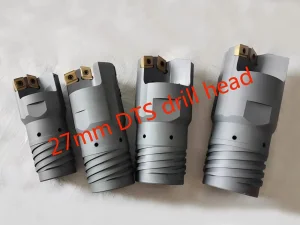
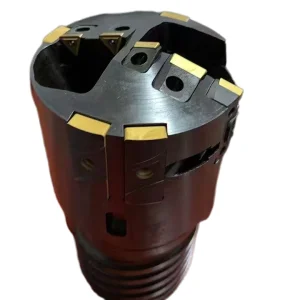
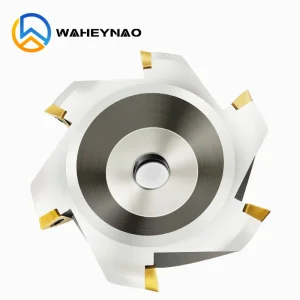
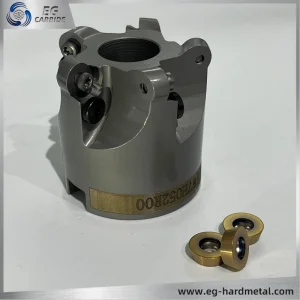
Examine our extensive portfolio of deep hole drills, indexable insert systems, anti-vibration holders, and high-performance face milling systems.
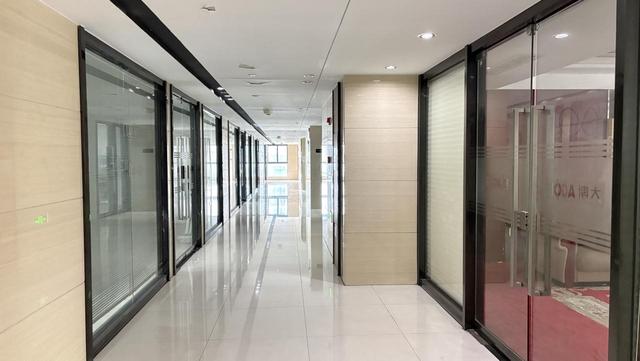
Dongguan Carto Tool Co., Ltd. is a professional manufacturer specializing in industrial cutting tools, CNC machining tools, milling systems, turning solutions, and precision metal cutting technologies. The company is dedicated to providing high-performance tooling solutions for modern manufacturing industries, including automotive, aerospace, mold processing, machinery production, and general metal fabrication.
Since its establishment, Carto Tool has developed from a small-scale cutting tool workshop into a specialized industrial tooling supplier with integrated R&D, production, and quality control capabilities. In its early stage, the company focused on basic turning and milling tool production for local machining workshops. With the rapid growth of China’s manufacturing sector, Carto Tool expanded its technology base and began developing more advanced CNC-compatible cutting systems to meet higher precision and efficiency requirements.
During its development phase, the company invested in carbide material research, coating technology improvements, and CNC tool geometry optimization. It introduced modern production lines and precision grinding equipment to ensure stable performance and long tool life. At the same time, Carto Tool strengthened its testing systems to improve cutting accuracy, wear resistance, and thermal stability across different machining environments.
Today, Dongguan Carto Tool Co., Ltd. serves global industrial clients with a wide range of cutting tool solutions designed for high-speed, high-precision, and heavy-duty applications. The company continues to focus on innovation in CNC machining efficiency, metal cutting performance, and cost optimization for manufacturers. With a commitment to quality and engineering excellence, Carto Tool aims to become a trusted international supplier in the industrial cutting tools industry, supporting smarter and more efficient global manufacturing systems.
Read our technical answers regarding material compatibility, coating selection, chip control, and supply optimization.
Connect with our technical engineering team to request detailed catalogs, custom tooling designs, or competitive factory-direct quotes.
 Carto Tool