Maximize feed rates and micro-inch tolerances with our industry-leading machine tool interfaces and accessories.
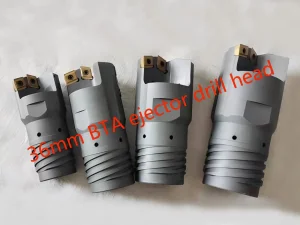
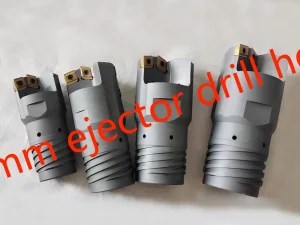
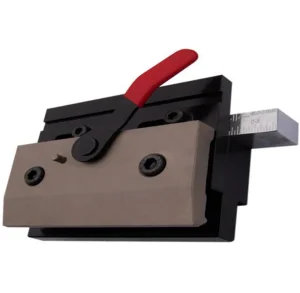
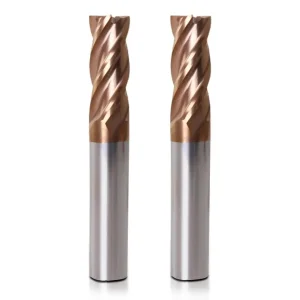
In the modern manufacturing landscape, the stability of cutting interfaces governs the limits of overall productivity. Dongguan Carto Tool Co., Ltd. has established itself as an innovative frontrunner in manufacturing top-tier Tool Reinforcement Systems. By engineering solutions that damp harmonic vibrations and secure tool clamping mechanisms under high torque loads, we address the root causes of micro-chipping and accelerated edge degradation.
Since its establishment, Carto Tool has developed from a small-scale cutting tool workshop into a specialized industrial tooling supplier with integrated R&D, production, and quality control capabilities. In its early stage, the company focused on basic turning and milling tool production for local machining workshops. With the rapid growth of China’s manufacturing sector, Carto Tool expanded its technology base and began developing more advanced CNC-compatible cutting systems to meet higher precision and efficiency requirements.
During its development phase, the company invested in carbide material research, coating technology improvements, and CNC tool geometry optimization. It introduced modern production lines and precision grinding equipment to ensure stable performance and long tool life. At the same time, Carto Tool strengthened its testing systems to improve cutting accuracy, wear resistance, and thermal stability across different machining environments.
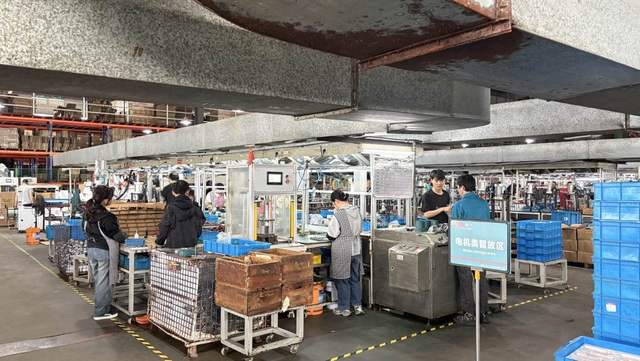
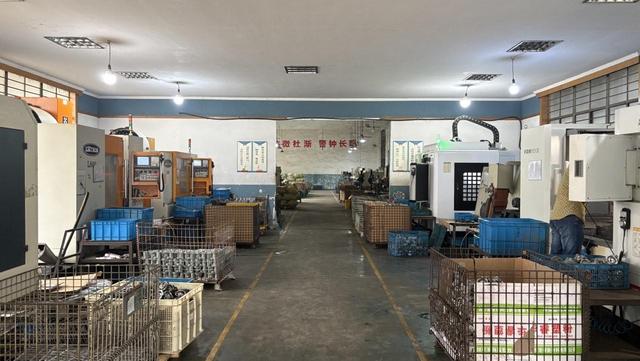
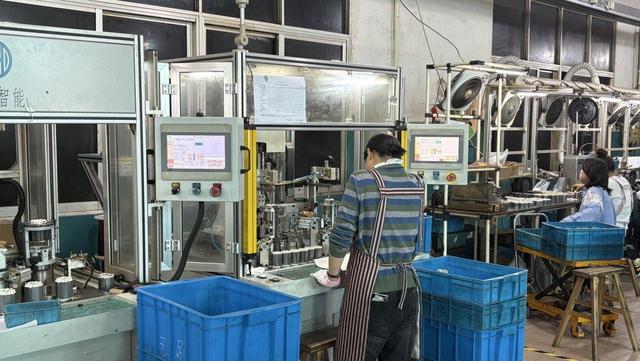
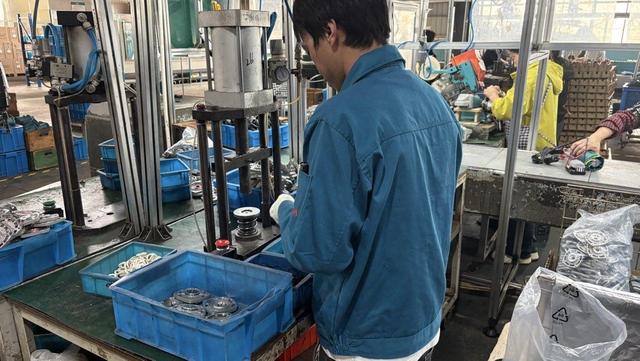
Undergoing continuous material optimization and structural reinforcement, our systems minimize dynamic runout (TIR) to under 0.003mm.
We utilize sub-micron tungsten carbide grains doped with optimized cobalt matrices. This formulation ensures extreme thermal stability, preventing micro-deformation at extreme cutting temperatures up to 1000°C.
Our physical vapor deposition (PVD) process synthesizes a dense TiAlN gradient structure. This coating forms a passivation layer of aluminum oxide (Al2O3) in-situ, acting as a critical heat shield.
Engineered internal fluid chambers in the tool holders cancel vibration waves. This prevents chatter marks on critical surface profiles, preserving high dimensional tolerance during long-run CNC execution.
Procurement directors and engineers in Tier-1 automotive and aerospace sectors face challenges with unpredictable tool wear and machine downtime. Modern industrial tool procurement has shifted from simply purchasing cheap individual tools to acquiring structured Tool Reinforcement Systems.
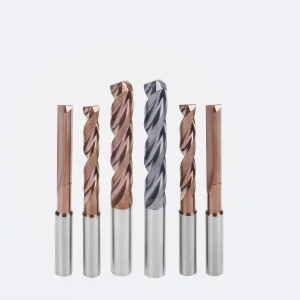
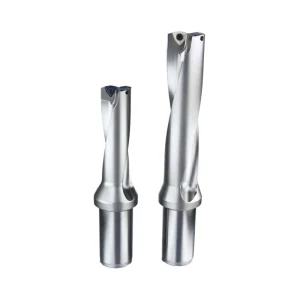
European and North American manufacturing setups operate highly automated cells that require tool replacement schedules down to the millisecond. Dynamic toolholders and reinforced indexable insert assemblies must maintain absolute repeatability. Standardizing on Carto Tool's double tube drill heads (DTS) and solid end mills guarantees that global facilities achieve high-feed, uninterrupted cycles without requiring frequent recalibration.
As manufacturing migrates to Industry 4.0 paradigms, the toolholder is transitioning from a mechanical passive interface to a smart component. Carto Tool's R&D division is actively working on integration paths for wireless vibration and thermal telemetry built directly into our HSK and BT-taper reinforcement sleeves.
Our roadmap focuses on three main developments: first, implementing high-temperature thermal barrier coatings (TBCs) that reduce thermal shock during dry-machining environments; second, refining ultra-high pressure cooling passages directly terminating at the shearing edge to improve chip control; and third, standardizing micro-grain tungsten structures for high-speed machining centers processing advanced structural composites.
Widespread commercial deployment of customizable CNC bending press tools with enhanced surface nitriding treatments to extend wear life up to 180% under abrasive loading cycles.
Integration of embedded chip identification technology inside the tool reinforcement shanks, allowing automated tooling management and dynamic wear prediction via edge computing platforms.
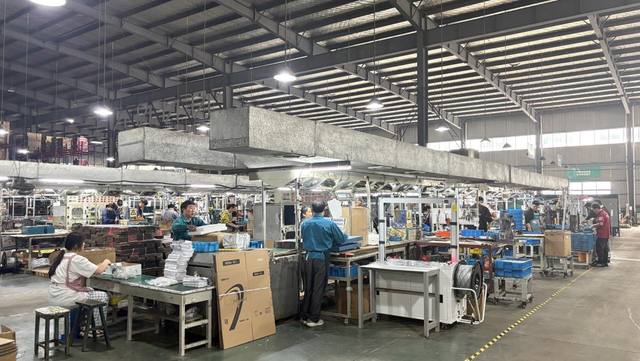
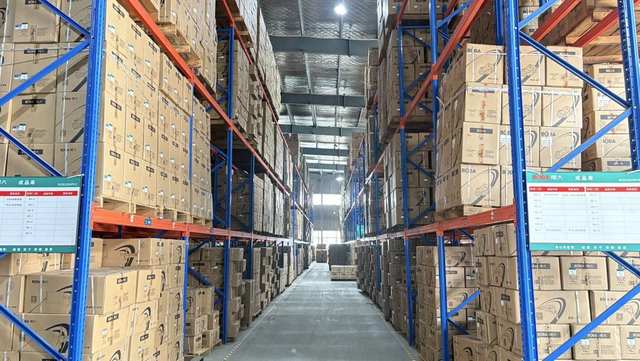
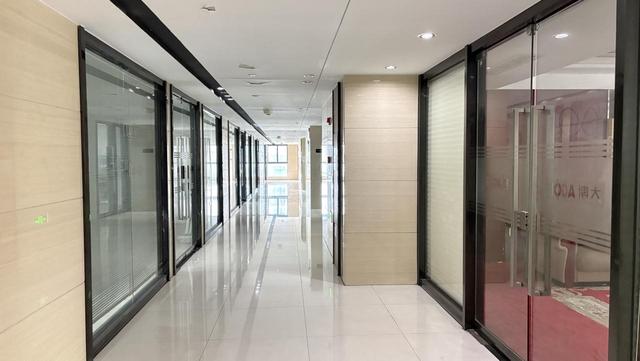
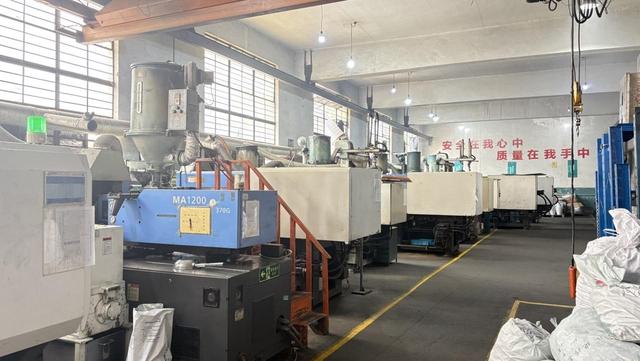
We operate in strict compliance with ISO 9001:2015 quality standards. Every tool reinforcement system element, from tool body roughing to final finish grinding, undergoes trace-verify sequences using state-of-the-art metrology gear, ensuring 100% geometric compliance.
Through strategic warehouse locations and streamlined customs clearance channels, we provide responsive service and technical support to users across Europe, Asia-Pacific, and the Americas. Whether you need custom modifications to CNC press brake tooling dies or optimization of deep-hole DTS systems, our engineers offer remote analysis and on-site deployment consultation.
Technical answers regarding tool reinforcement, machining parameter adjustments, and product specifications.
A high-performance system consists of ultra-rigid toolholders (such as shrink-fit, hydraulic, or power-chucking designs) paired with vibration-dampening extensions and precision collets. This assembly reduces tool runout (TIR) and dynamic deflection during heavy cutting passes.
Unlike standard systems, the Double Tube System (ejector system) pumps coolant through an outer sleeve while flushing chips and used coolant back out through the internal core of the inner tube. This design prevents chip buildup inside deep cavities, protecting both the tool and the hole wall from scratching and thermal stress.
Titanium Aluminum Nitride (TiAlN) coatings have high thermal stability and hardness. In high-speed milling, the friction heat prompts the aluminum in the coating to form a thin surface layer of alumina (aluminum oxide). This layer acts as a barrier to heat transfer, driving thermal energy into the chips rather than the tool core, which extends overall tool life.
Yes, we provide engineering and manufacturing for custom bending tooling dies. Our products can be configured to match major standard styles, including Amada, Trumpf, and Bystronic, ensuring safe integration with existing hydraulic or mechanical mold clamping setups.
Key parameters include dynamic runout (TIR), feed rate per tooth, and spindle speed harmonics. Using a rigid toolholder with internal damping capabilities, combined with a variable helix end mill design, helps break up dynamic resonance and eliminate tool chatter.
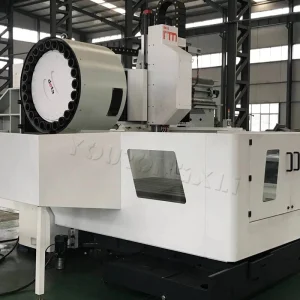
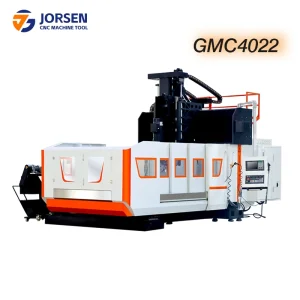
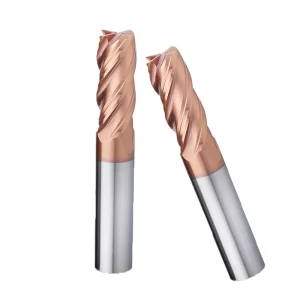
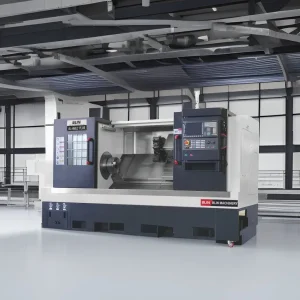
Explore our high-performance heavy-duty machinery, gantry centers, and indexable carbide cutting solutions.
 Carto Tool