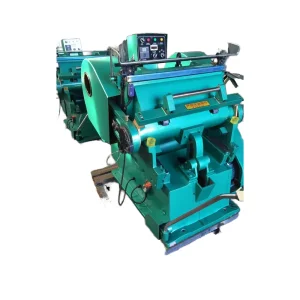
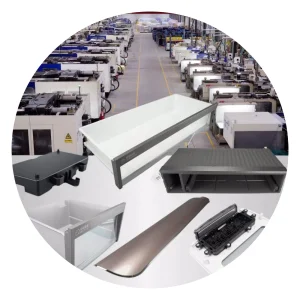
High-efficiency, manufacturing-compliant die systems engineered for PVC, PET, structural sheet metal, and automotive stamping lines.

The Greater Chicago area and the surrounding Midwest manufacturing belt represent one of North America's largest concentrations of heavy industry, machinery fabrication, metal processing, and advanced packaging sectors. From automotive part stamping facilities in Northern Illinois to medical electronics and custom thermoformed packaging industries clustered in the O'Hare corridor, the requirements for die-cutting tools and high-precision mold systems are governed by strict metrics: cycle speed, wear resistance, local calibration support, and material yield optimization.
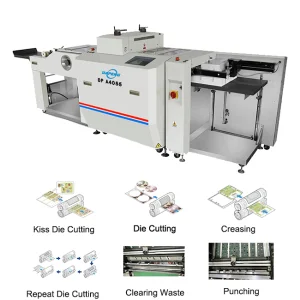
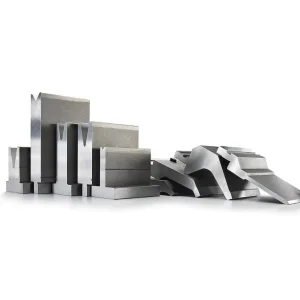
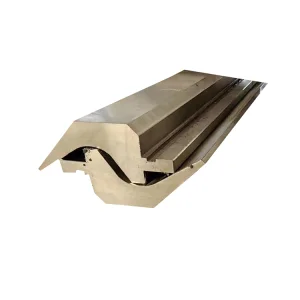
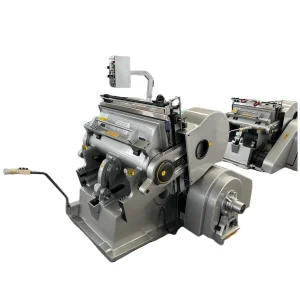
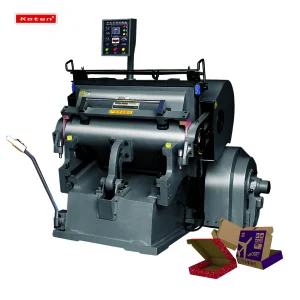
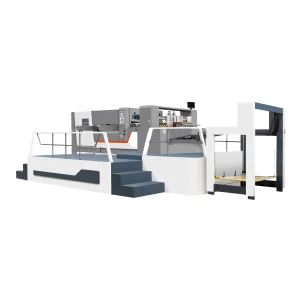
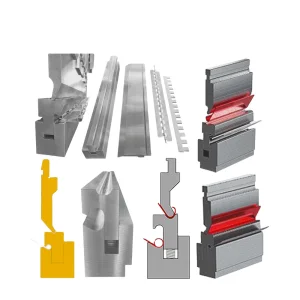
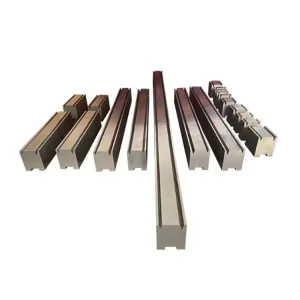
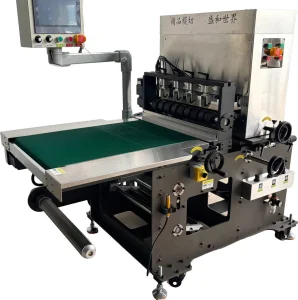
Chicago's dynamic food packaging and logistics networks require continuous, uninterrupted processing. This drives a significant local market demand for flatbed die cutters with high performance outputs, such as the 5000 sheets/hour flatbed machines, to handle dense cardboard and polymers. Concurrently, regional metal bending and aerospace manufacturing facilities rely on hydraulic press brake tooling that meets stringent ANSI safety requirements and accommodates complex structural folds.
Dongguan Carto Tool Co., Ltd. is a professional manufacturer specializing in industrial cutting tools, CNC machining tools, milling systems, turning solutions, and precision metal cutting technologies. The company is dedicated to providing high-performance tooling solutions for modern manufacturing industries, including automotive, aerospace, mold processing, machinery production, and general metal fabrication.
Since its establishment, Carto Tool has developed from a small-scale cutting tool workshop into a specialized industrial tooling supplier with integrated R&D, production, and quality control capabilities. In its early stage, the company focused on basic turning and milling tool production for local machining workshops. With the rapid growth of China’s manufacturing sector, Carto Tool expanded its technology base and began developing more advanced CNC-compatible cutting systems to meet higher precision and efficiency requirements.
During its development phase, the company invested in carbide material research, coating technology improvements, and CNC tool geometry optimization. It introduced modern production lines and precision grinding equipment to ensure stable performance and long tool life. At the same time, Carto Tool strengthened its testing systems to improve cutting accuracy, wear resistance, and thermal stability across different machining environments.
Today, Dongguan Carto Tool Co., Ltd. serves global industrial clients with a wide range of cutting tool solutions designed for high-speed, high-precision, and heavy-duty applications. The company continues to focus on innovation in CNC machining efficiency, metal cutting performance, and cost optimization for manufacturers. With a commitment to quality and engineering excellence, Carto Tool aims to become a trusted international supplier in the industrial cutting tools industry, supporting smarter and more efficient global manufacturing systems.
Optimized forming tools, gantry centers, and injection molds for commercial manufacturing applications.
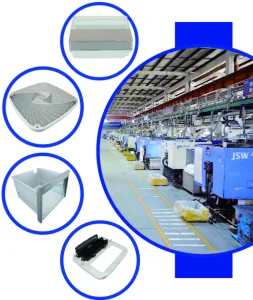
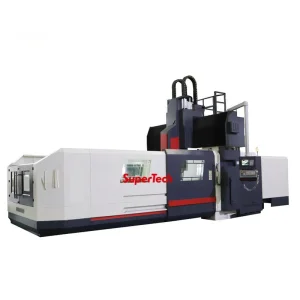
To withstand high cycles in automotive and metal packaging production, contemporary mold and die assemblies undergo precise metallurgical validation. The selection of materials like 42CrMo steel alloy provides key performance advantages. When heat-treated properly, this material exhibits excellent tensile strength and high fatigue resistance, preventing fracture propagation under industrial tonnage conditions.
Additionally, modern tooling designs prioritize wear protection coatings. By utilizing titanium carbonitride (TiCN) or diamond-like carbon (DLC) applications, manufacturers reduce coefficient friction, allowing dies to run cooler. This material strategy improves dimensional accuracy and reduces the risk of structural micro-fractures in high-speed applications.
Modern printing and electronics firms in the Great Lakes region rely heavily on automated visual registration systems. Membrane switch configurations, medical instrumentation graphics, and smart control panels demand tolerances tighter than +/- 0.05 mm. By integrating CCD cameras with high-resolution alignment mechanisms directly into flatbed die cutters, manufacturing systems dynamically correct minor material offsets or stretch factors on the fly. This automation step minimizes manual alignment errors, decreases scrap rates, and ensures process stability.
Procuring metal-forming tooling from global partners requires alignment with regional regulatory frameworks. Industrial die cutting and metal processing systems must adhere to several key standards to ensure safe, legal, and efficient operation in Chicago and the wider US market:
To support Midwest logistics operations, our supply chain facilitates smooth customs processing, freight coordination, and structural assembly. By providing comprehensive technical documentation, material test reports, and configuration guidelines, we help clients transition new industrial tooling into standard production with minimal downtime.
Expert insights on machinery setup, material selection, and maintenance practices.
A1: Accelerated die wear when processing plastic films like PVC and PET is typically driven by high friction, heat buildup, and material outgassing. Utilizing high-grade alloy tool steels (such as hardened Cr12MoV or D2) combined with specialized surface treatments like Chromium Nitride (CrN) helps reduce friction and chemical corrosion, extending blade life and performance.
A2: Material springback varies based on the tensile strength and thickness of the sheet metal. Precision-machined V-dies and punches are designed with specific relief angles (e.g., 85, 86, or 88 degrees) to allow for overbending, compensating for elastic recovery to achieve the target 90-degree angle.
A3: Inline stripping mechanisms automatically eject internal waste pieces and outer trim from the sheet during the press stroke. This eliminates secondary manual weeding, improves product safety, reduces labor costs, and allows for continuous production runs at speeds up to 5,000 sheets per hour.
A4: Consistent accuracy requires regular spindle runout inspections, automated lubrication of linear guideways, leveling checks, and laser calibration of positioning axes. Protecting the system from shop dust and ambient temperature changes is also critical for maintaining tolerances within the targeted micron range.
A5: Processing advanced engineering polymers requires molds designed to handle higher temperatures and pressures. This involves using internal heating channels, thermal expansion joints, and premium wear-resistant steel cavities to prevent erosion from filled resins (such as glass-reinforced polyamides).
Every machine, toolset, and mold is engineered and tested in our high-capacity precision manufacturing center.
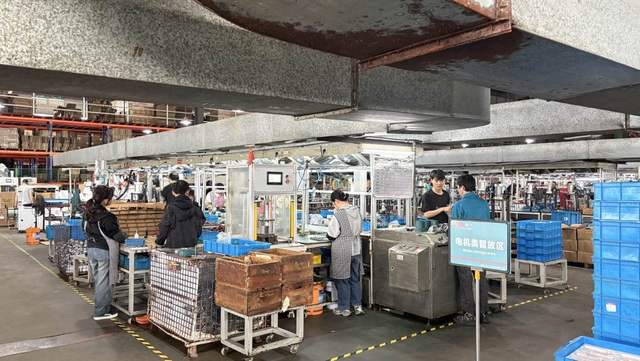
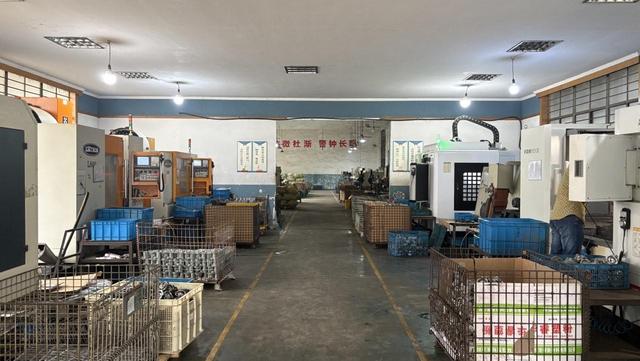
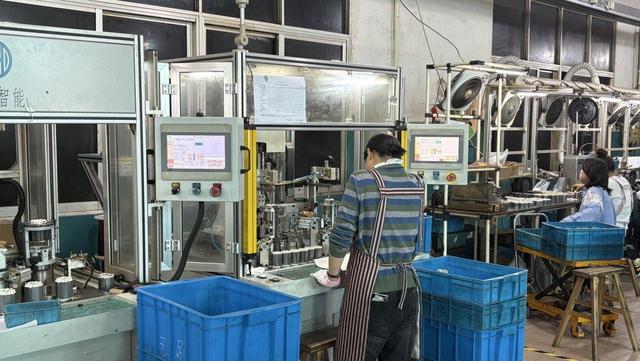
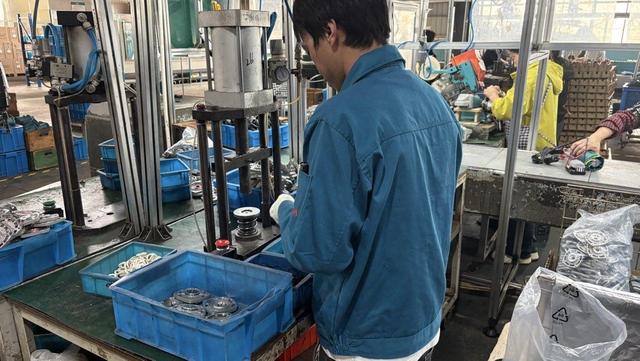
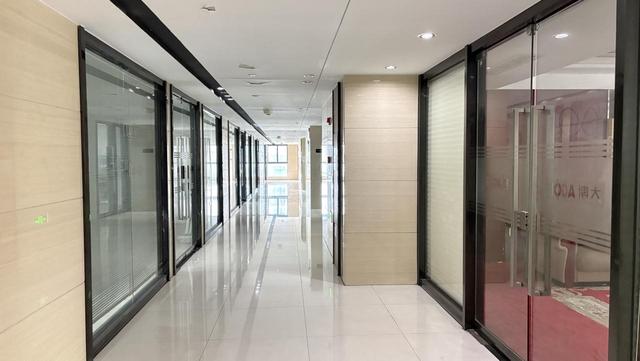
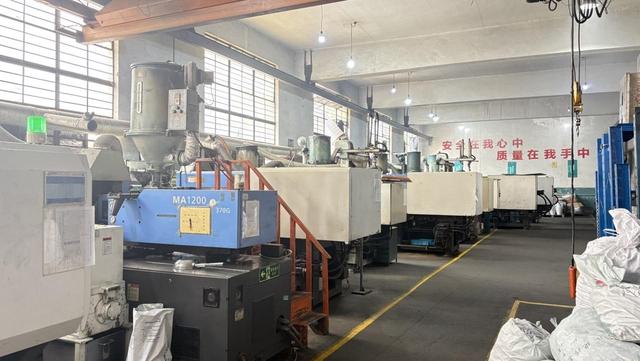
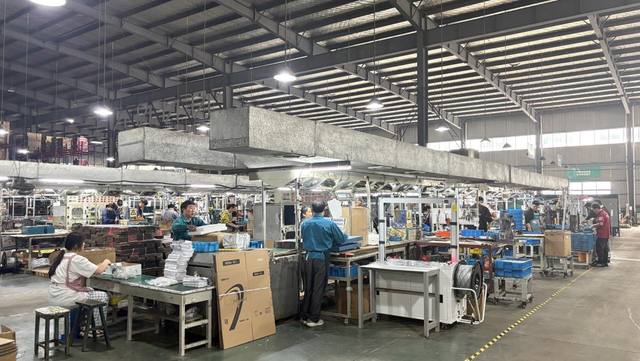
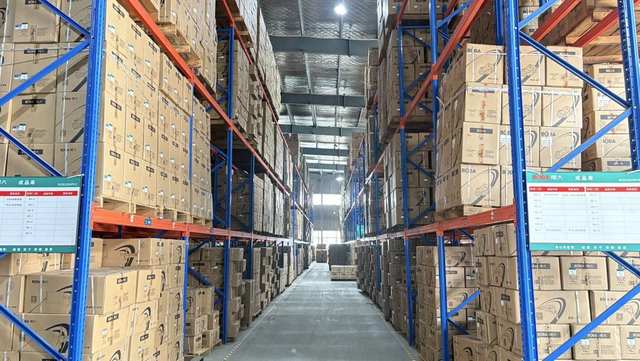
Explore our full line of industrial equipment and custom tooling options designed for high reliability and efficiency.
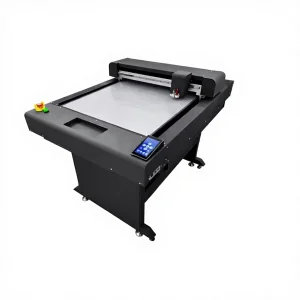
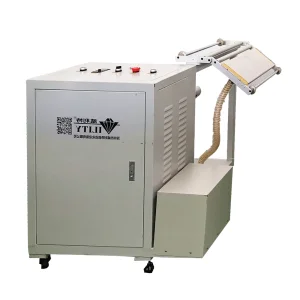
Consult with our engineers to configure custom mold and die tool systems engineered for your specific volume, speed, and tolerance requirements.
Send Inquiry Now Carto Tool