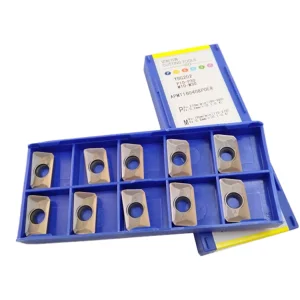
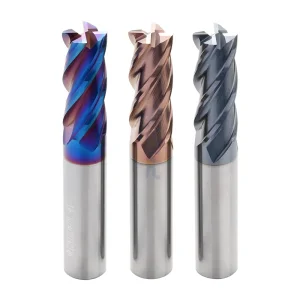
Engineered for high-yield CNC machining, abrasive wear resistance, and extreme operational heat dissipation.
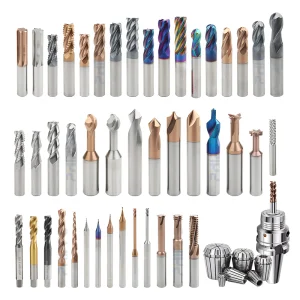
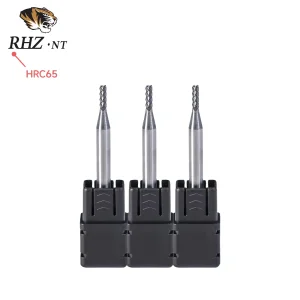
Ghana is currently undergoing a structural economic transition. While traditionally dominant in artisanal extraction, the modern Ghanaian mining sector (concentrated in areas like Obuasi, Tarkwa, and Prestea) has increasingly embraced heavy automation, advanced mechanical engineering, and precision maintenance. For multinational mining conglomerates operating in West Africa, downtime in excavators, mineral processing mills, and transport infrastructure translates to millions of dollars in losses. This environment has driven a high-density demand for coated carbide tool systems (TiN, TiAlN, etc.) to sustain the on-site fabrication and refurbishing of heavy-duty equipment.
Concurrently, the growth of special economic zones (SEZs) near Tema and Takoradi has fostered a rising industrial base in automotive assembly, steel fabrication, and structural engineering. Local CNC machining centers and tool workshops are increasingly executing precise turning, milling, and drilling operations. In these environments, conventional high-speed steel (HSS) tools rapidly wear down under the high-temperatures and abrasive forces generated by tough metals. The implementation of modern, high-hardness physical vapor deposition (PVD) and chemical vapor deposition (CVD) coated solid tungsten carbide tool systems is no longer a luxury; it is a critical baseline for operational efficiency.
High humidity and ambient marine atmospheres in coastal industrial zones like Tema can accelerate thermal cracking and chemical degradation of tool edges during dry cutting. Carto Tool's custom-engineered TiAlN (Titanium Aluminum Nitride) coatings form a passive, protective aluminum oxide layer at temperatures exceeding 800°C, reducing the need for intensive chemical flood cooling while protecting the carbide core from premature chipping.
Selecting the correct thin-film coating is a scientific process determined by the target workpiece material, cutting speed, feed rate, and lubrication mode. Understanding these properties helps Ghanaian mechanical engineers select the optimal tool configuration:
How Carto Tool bridges the gap between advanced Chinese metallurgy and sub-Saharan industrial operations.
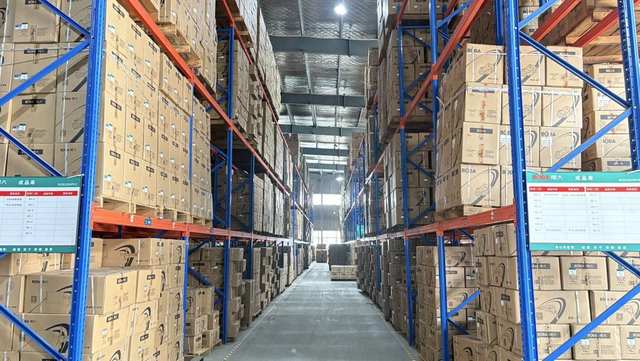
We mitigate the risks of operational downtime in West Africa by maintaining substantial safety stocks of standard end mills, carbide burrs, and inserts for swift container and air-freight shipping directly to Accra, Tema, and Kumasi.
Every single drill, end mill, and indexable insert undergoes comprehensive automated inspection using high-resolution German measuring machines, guaranteeing dimensional variance of less than 0.005mm.
We do not just supply tools; we offer application engineering. Carto Tool analyzes your local CNC hardware capabilities, cooling conditions, and substrate profiles to design custom flutes and chip breakers.
A trusted global supplier of industrial cutting tools, CNC machining systems, and precision metal cutting technologies.
Dongguan Carto Tool Co., Ltd. is a professional manufacturer specializing in industrial cutting tools, CNC machining tools, milling systems, turning solutions, and precision metal cutting technologies. The company is dedicated to providing high-performance tooling solutions for modern manufacturing industries, including automotive, aerospace, mold processing, machinery production, and general metal fabrication.
Since its establishment, Carto Tool has developed from a small-scale cutting tool workshop into a specialized industrial tooling supplier with integrated R&D, production, and quality control capabilities. In its early stage, the company focused on basic turning and milling tool production for local machining workshops. With the rapid growth of China’s manufacturing sector, Carto Tool expanded its technology base and began developing more advanced CNC-compatible cutting systems to meet higher precision and efficiency requirements.
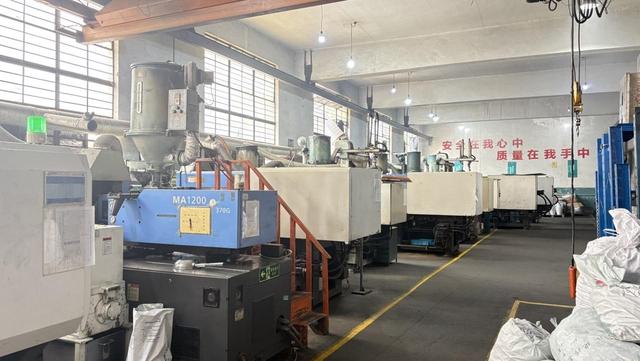
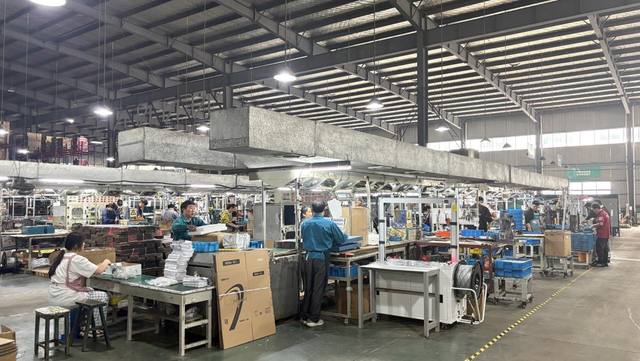
During its development phase, the company invested in carbide material research, coating technology improvements, and CNC tool geometry optimization. It introduced modern production lines and precision grinding equipment to ensure stable performance and long tool life. At the same time, Carto Tool strengthened its testing systems to improve cutting accuracy, wear resistance, and thermal stability across different machining environments.
Today, Dongguan Carto Tool Co., Ltd. serves global industrial clients with a wide range of cutting tool solutions designed for high-speed, high-precision, and heavy-duty applications. The company continues to focus on innovation in CNC machining efficiency, metal cutting performance, and cost optimization for manufacturers. With a commitment to quality and engineering excellence, Carto Tool aims to become a trusted international supplier in the industrial cutting tools industry, supporting smarter and more efficient global manufacturing systems.

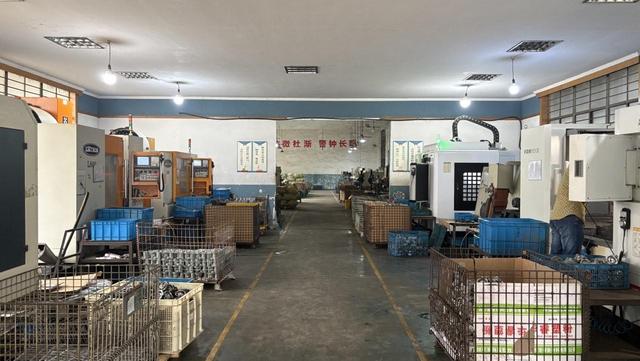
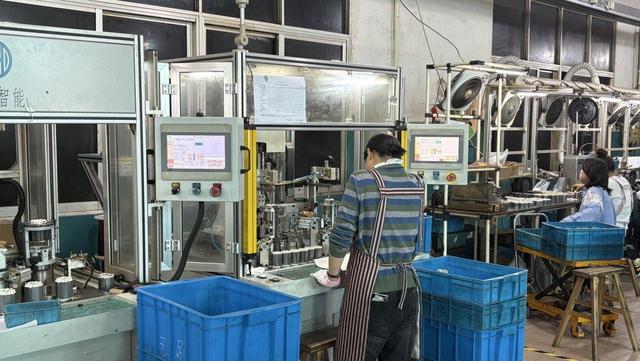
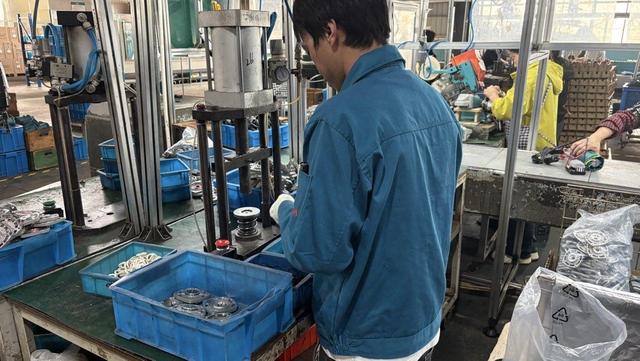

Procuring raw industrial components for operations in Sub-Saharan Africa requires a strong understanding of logistics, technical support, and product life cycles. Procurement managers at major mining sites in Tarkwa or Obuasi often struggle with long lead times, variable local tool quality, and poor technical support. To build resilient supply chains, modern businesses use three key strategies:
First, they focus on TCO (Total Cost of Ownership) rather than initial purchase price. A cheap, uncoated milling tool might cost 40% less initially but require replacement three times more frequently than a high-grade TiAlN or AlCrN coated tool. It also forces machine operators to run CNC equipment at slower cutting speeds, limiting daily production. By switching to high-end coated systems, plants increase productivity, decrease tool-change downtime, and lower their cost-per-part.
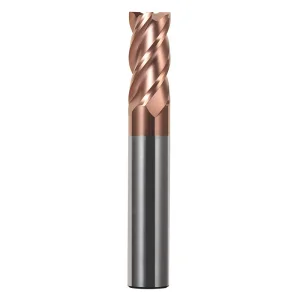
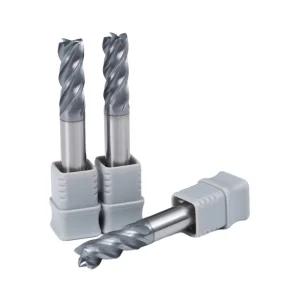
Second, procurement teams are standardizing tool profiles to optimize their inventory. Rather than ordering custom shapes for every individual task, they utilize versatile geometries, such as 4-flute flat square end mills with corner radii, which can handle both profiling and roughing operations across a wider range of materials.
Carto Tool simplifies international supply chains by managing all export documentation, custom classifications, and compliance paperwork required by the Ghana Revenue Authority (GRA) and Ghana Standards Authority (GSA). Whether shipping via air freight to Kotoka International Airport (Accra) for urgent repairs, or via sea freight to the Port of Tema for bulk stock orders, we ensure all materials are packed securely in reinforced, moisture-resistant containers.
We also provide virtual technical support to local engineering teams. Our specialists can help optimize spindle speeds, feed rates, and depth of cut settings based on the specific CNC mill or lathe models utilized in your facility. This ensures you extract maximum service life and performance from every tool.
Expert insights on coating technologies, tool optimization, and logistics for the Ghanaian market.
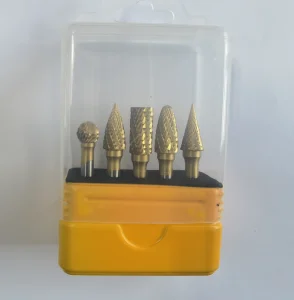
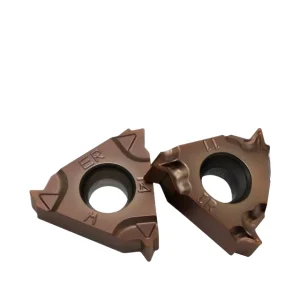
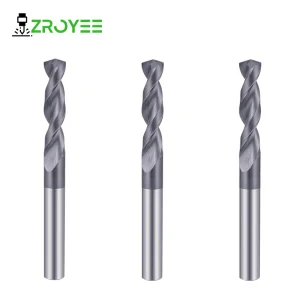
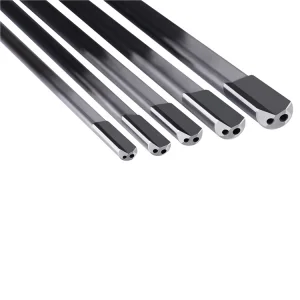
Premium indexable inserts, specialty drills, turning systems, and custom tools for industrial production.
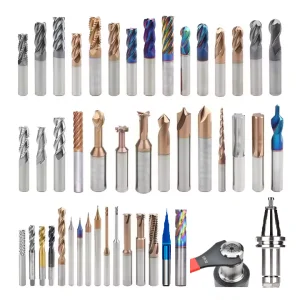


Connect directly with our engineering specialists. Receive customized tooling solutions, bulk quotes, and rapid delivery options tailored for your operations in Ghana.
Send Inquiry Now Carto Tool