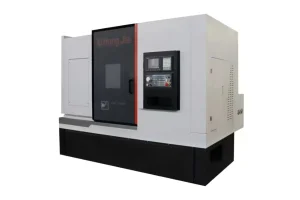
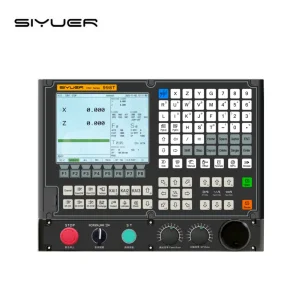
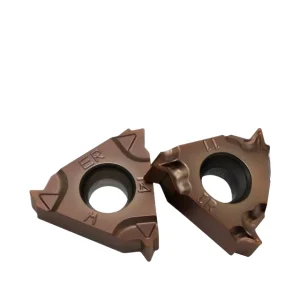
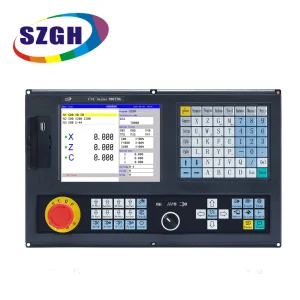
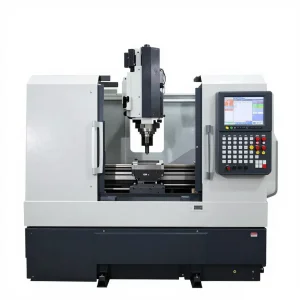
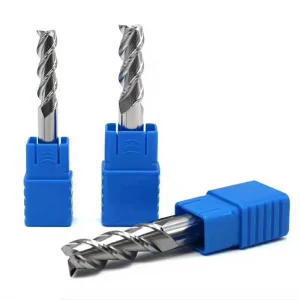
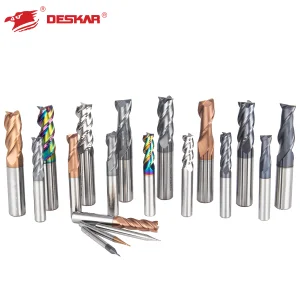
Explore our premium range of CNC controllers, indexable cutters, thread turning systems, and precision components engineered for maximum run-out control and longevity.
In modern high-speed metalworking, precision cutting tools and inventory tracking are no longer separate domains. Tool inventory management represents a critical pillar in advanced manufacturing operations. As aerospace, automotive, and medical industries demand tighter tolerances, the coordination between tool manufacturers and storage systems determines the baseline efficiency of the workshop floor.
Dongguan Carto Tool Co., Ltd. stands at this convergence. Established initially as a specialized industrial tooling workshop, Carto Tool has scaled dynamically to match China's manufacturing boom. By integrating carbide metallurgy R&D, advanced geometry design, and precision coating optimization with modern tooling distribution logistics, we ensure our global partners achieve minimum tool cost-per-part while eliminating supply chain stockouts.
Studies show that machinist search times for misplaced tools, redundant purchasing of cutting inserts, and emergency shipping fees can eat up to 15% of annual machining budgets. When a critical carbide insert or a specific ball nose end mill is missing, high-value CNC milling lines sit idle.
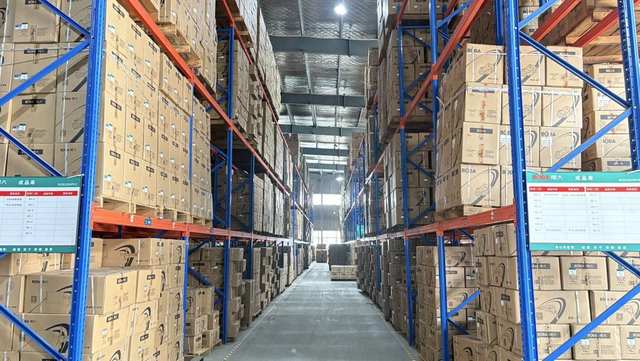
Integrating high-durability physical tools with smart inventory cabinets and tracking software creates a seamless supply chain loop. Manufacturers gain granular visibility into tool consumption patterns, predicting exactly when to re-order, regrind, or retire tools.
How the industrial integration of South China enables high-precision tool production at scale with rapid global supply lines.
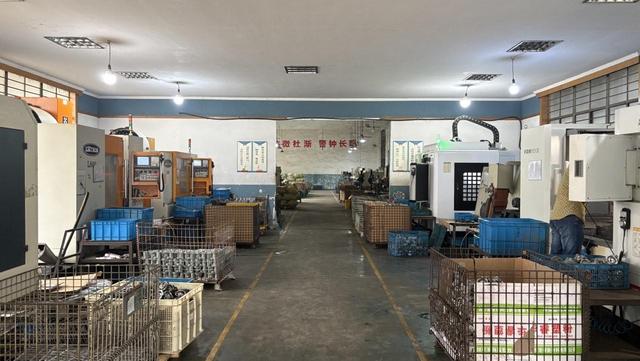
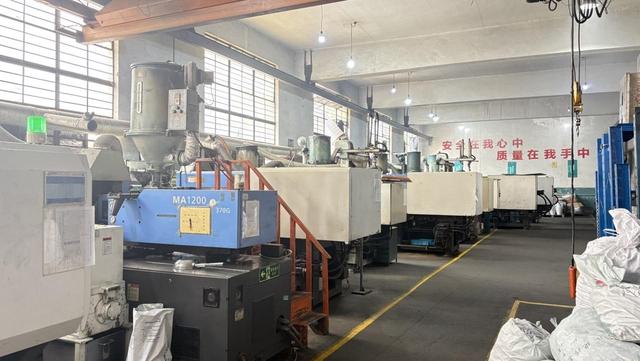
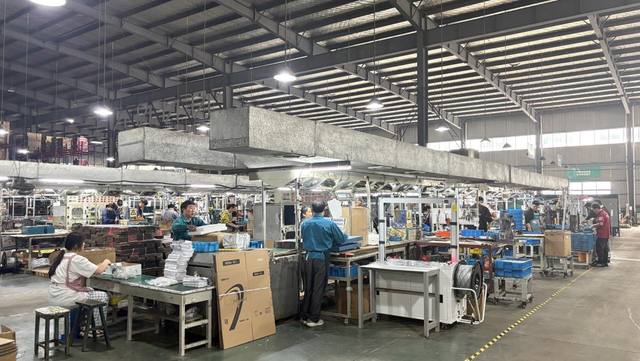
Located in the heart of Dongguan's manufacturing hub, we leverage immediate access to ultra-pure tungsten carbide powders, premium Swiss/German CNC grinding machinery, and advanced PVD/CVD coating centers. This localized infrastructure dramatically reduces material transit time and component assembly overheads.
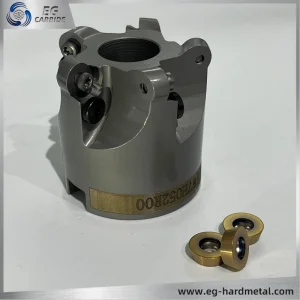
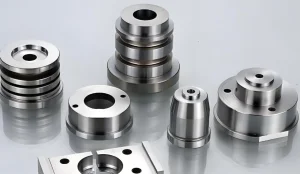
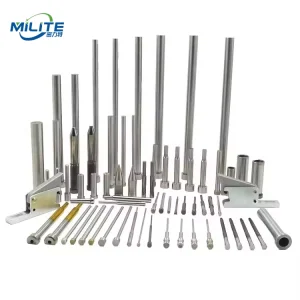
Unlike rigid western supply loops, Chinese manufacturing setups are engineered for agility. Carto Tool provides extensive custom options for thread turning tools, indexable milling cutters, and heavy-duty punch dies, delivering tailored blueprints within days instead of months.
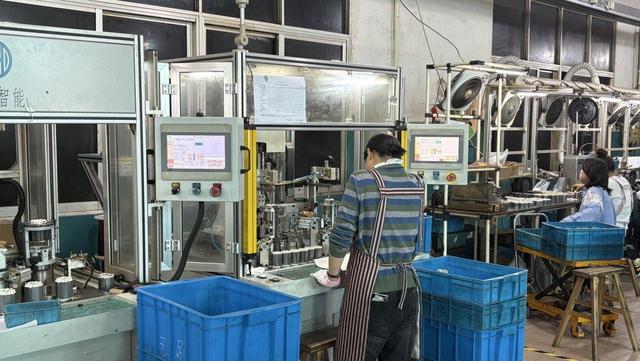
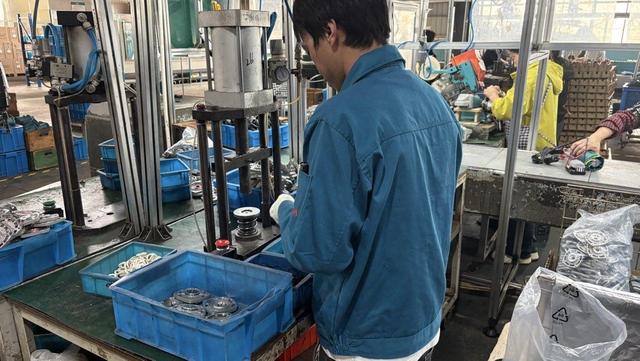
By coupling lean manufacturing methodologies with high-throughput automated machining centers, we offer industrial-grade tooling and control equipment at a fraction of the cost. This optimizes the Total Cost of Ownership (TCO) for global machining enterprises.
The transformation of tool management from standard toolboxes to cloud-connected, predictive smart hubs.
The global tooling sector is undergoing a massive shift. As Industry 4.0 matures, manufacturers are no longer looking at cutting tools as isolated consumables. Key development trends reshaping the industry include:
1. RFID and IoT-Enabled Tool Tracking: High-precision tool holders now embed passive RFID tags. As the tool moves from storage to the presetter, and finally to the CNC spindle, the machine's control system monitors its precise cycle hours, thermal stress, and remaining lifetime automatically.
2. Smart Dispensing Cabinets (Point-of-Use Vending): Vending cabinets placed directly on the workshop floor authorize tools using employee ID cards. This controls consumption, prevents tool hoarding, and triggers automatic replenishment requests once stock drops below safety thresholds.
3. Advanced Sub-Micron Carbide Formulations: High-hardness materials such as titanium alloys and composite materials used in aerospace demand extreme tool toughness. Advanced tool manufacturers are formulating ultra-fine tungsten carbide grades paired with multi-layered AlTiN and TiAlN coatings to survive extreme thermal loads.
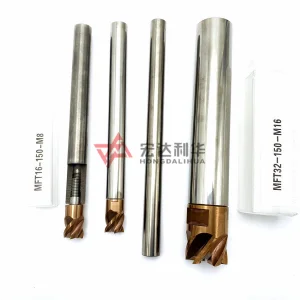
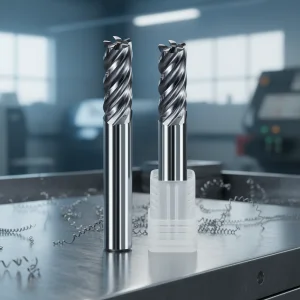
For machining complex aerospace components with tight tolerance requirements, our HRC55/65 tungsten carbide end mills and custom indexable cutters deliver optimal chip evacuation and heat dispersion.
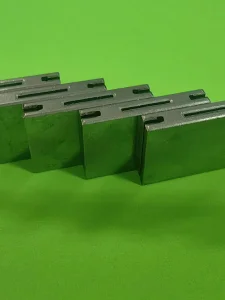
Mass production of engine blocks and transmission shafts requires high-speed turning and high-reliability inserts. Carto Tool's customizable carbide threading inserts provide high dimensional consistency across millions of cycles.
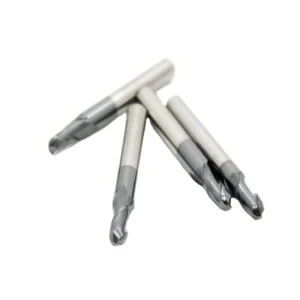
For mold workshops utilizing blister molds, punching tools, and deep-cavity dies, our robust ballnose end mills and custom punch dies ensure fine surface finishes, minimizing post-process polishing loops.
Purchasing departments in international automotive and industrial machinery firms look for distinct markers when choosing tool manufacturers. Key metrics include:
How factories deploy our CNC control architectures and advanced tooling systems to solve everyday process bottlenecks.
In fully automated machining cells, CNC controllers integrated with Taiwan Syntec systems communicate directly with robot loaders. Carto's high-speed turning tools process metal rods continuously, while software estimates insert wear based on spindle load fluctuations.
To eliminate tool hoarding during night shifts, dies shops place smart vending setups on-site. Operators retrieve specific HRC55 ballnose end mills only when the software confirms tool wear limits are reached, lowering consumption rates by 22%.
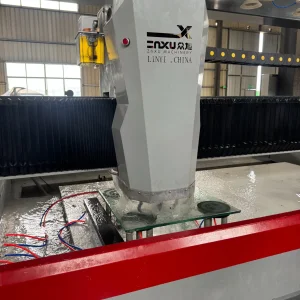
Precision electronics manufacturers utilize our glass edge grinding and polishing systems. Precise control over feed rates and coolant pressure extends tool edge life, keeping optical tolerances within micron ranges.
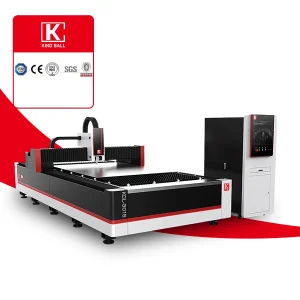
Review the rest of our advanced inventory, containing high-performance carbide milling tools, fiber laser cutting units, and specialist dies.
Dongguan Carto Tool Co., Ltd. is a professional manufacturer specializing in industrial cutting tools, CNC machining tools, milling systems, turning solutions, and precision metal cutting technologies. The company is dedicated to providing high-performance tooling solutions for modern manufacturing industries, including automotive, aerospace, mold processing, machinery production, and general metal fabrication.
Since its establishment, Carto Tool has developed from a small-scale cutting tool workshop into a specialized industrial tooling supplier with integrated R&D, production, and quality control capabilities. In its early stage, the company focused on basic turning and milling tool production for local machining workshops. With the rapid growth of China’s manufacturing sector, Carto Tool expanded its technology base and began developing more advanced CNC-compatible cutting systems to meet higher precision and efficiency requirements.
During its development phase, the company invested in carbide material research, coating technology improvements, and CNC tool geometry optimization. It introduced modern production lines and precision grinding equipment to ensure stable performance and long tool life. At the same time, Carto Tool strengthened its testing systems to improve cutting accuracy, wear resistance, and thermal stability across different machining environments.
Today, Dongguan Carto Tool Co., Ltd. serves global industrial clients with a wide range of cutting tool solutions designed for high-speed, high-precision, and heavy-duty applications. The company continues to focus on innovation in CNC machining efficiency, metal cutting performance, and cost optimization for manufacturers. With a commitment to quality and engineering excellence, Carto Tool aims to become a trusted international supplier in the industrial cutting tools industry, supporting smarter and more efficient global manufacturing systems.


Expert answers addressing the most common bottlenecks in industrial tool sourcing, warehouse automation, and CNC optimization.
 Carto Tool