Explore our flagship high-performance industrial cutting tools and machining platforms, engineered for ultimate thermal stability and dimensional precision.
A comprehensive whitepaper examining materials science, mechanical geometry, and manufacturing dynamics in high-throughput metal removal.
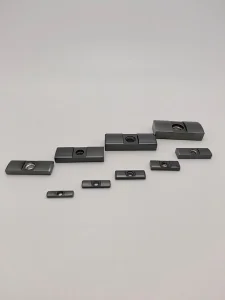
In modern industrial fabrication, indexable cutting tool solutions represent the pinnacle of machining efficiency. Unlike solid carbide tooling, which requires frequent re-grinding and subsequent diameter adjustments, indexable tools rely on replaceable carbide inserts clamped onto specialized tool holders. This modular architecture allows manufacturing plants to sustain continuous, high-feed production cycles while maintaining rigid dimensional tolerances down to the micron level.
The physics governing metal cutting involves extreme temperature gradients and massive shear stress. When an insert engages with a workpiece, it encounters pressures exceeding 1,000 MPa and localized temperatures peaking beyond 1,000°C. Indexable tools mitigate these mechanical stresses through engineered chip breakers, optimized rake angles, and advanced PVD (Physical Vapor Deposition) or CVD (Chemical Vapor Deposition) coatings. Substrates consisting of ultra-fine submicron tungsten carbide grains integrated with a cobalt binder provide the fundamental fracture toughness and thermal stability needed to prevent micro-chipping during interrupted cuts.
Dongguan Carto Tool Co., Ltd. is a professional manufacturer specializing in industrial cutting tools, CNC machining tools, milling systems, turning solutions, and precision metal cutting technologies. The company is dedicated to providing high-performance tooling solutions for modern manufacturing industries, including automotive, aerospace, mold processing, machinery production, and general metal fabrication.
Since its establishment, Carto Tool has developed from a small-scale cutting tool workshop into a specialized industrial tooling supplier with integrated R&D, production, and quality control capabilities. In its early stage, the company focused on basic turning and milling tool production for local machining workshops. With the rapid growth of China’s manufacturing sector, Carto Tool expanded its technology base and began developing more advanced CNC-compatible cutting systems to meet higher precision and efficiency requirements.
During its development phase, the company invested in carbide material research, coating technology improvements, and CNC tool geometry optimization. It introduced modern production lines and precision grinding equipment to ensure stable performance and long tool life. At the same time, Carto Tool strengthened its testing systems to improve cutting accuracy, wear resistance, and thermal stability across different machining environments.
Today, Dongguan Carto Tool Co., Ltd. serves global industrial clients with a wide range of cutting tool solutions designed for high-speed, high-precision, and heavy-duty applications. The company continues to focus on innovation in CNC machining efficiency, metal cutting performance, and cost optimization for manufacturers. With a commitment to quality and engineering excellence, Carto Tool aims to become a trusted international supplier in the industrial cutting tools industry, supporting smarter and more efficient global manufacturing systems.
Developing specific grain sizes and cobalt concentrations for heavy milling and titanium machining.
Applying AlTiN, TiAlN, and DLC coatings to shield cutting edges from thermal shock and adhesive wear.
Inspecting tolerances using high-resolution optical microscopes and 3D coordinate measuring machines (CMM).
From materials abundance to downstream supply chain integration, see how Chinese manufacturing hubs drive global cost-per-part efficiency.
Southern Chinese manufacturing corridors, particularly within Guangdong and Dongguan, offer unparalleled horizontal and vertical supply integration. Factories sit within a 50-mile radius of raw tungsten powder suppliers, specialized high-vacuum furnace fabricators, and advanced coating service providers. This geographical density dramatically reduces freight lead times and speeds up R&D prototyping phases.
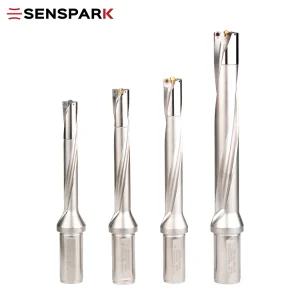
Modern Chinese cutting tool factories leverage highly automated CNC grinding workstations (such as ANCA and Walter machines) that enable instant reprogramming. This makes it financially viable to run small batches of custom end mills or deep hole drilling heads (such as the JK34.5 or custom 7D U drills) without sacrificing speed or precision.
By blending localized technical expertise with raw material proximity, Chinese tooling manufacturers provide high-HRC (up to 75 HRC) class-AA tools at a fraction of the cost of traditional European and North American suppliers. This translates directly to a lower Cost-Per-Edge (CPE) for large-scale machining corporations.
How indexable tooling architectures and automated CNC systems interface to solve engineering challenges across critical sectors.
Aerospace components constructed from Grade 5 Titanium (Ti-6Al-4V) or Nickel-based superalloys (such as Inconel 718) exhibit high chemical reactivity and low thermal conductivity. During milling, heat transfers rapidly to the cutting tool instead of the chips, accelerating thermal fatigue.
Solution: Implementing coolant-fed U-Drills and indexable end mills utilizing TiAlN multilayer coatings. Internal coolant channels direct pressurized lubrication directly to the cutting zone, flushing chips out immediately and maintaining stable cutting temperatures.
High-volume production of engine blocks, transmission cases, and exhaust manifolds requires tool consistency. Micro-variations in tool diameter can lead to assembly line bottlenecks.
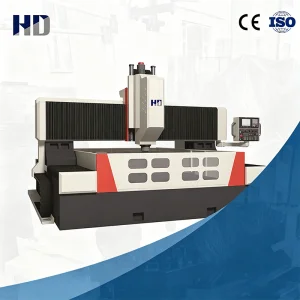
Solution: Integrating heavy-duty gantry drilling and milling systems with closed-loop CNC control systems (such as Fanuc or Taiwan Syntec). Real-time wear-compensation software tracks cutting forces and automatically adjusts feed rates to maintain exact geometry.
Machining deep boreholes in oil & gas exploration equipment requires high rigidity. Tool deflection inside a long cylinder causes concentricity errors and rough surface finishes.
Solution: Utilizing brazed CNC inserts and solid carbide guide pads on heavy-duty counterboring heads. Guide pads dynamically burnish the freshly bored walls, stabilizing the cutting head and maintaining a straight trajectory down to depths exceeding 10 times the hole diameter.
Progressive stamping dies for electronics and automotive brackets endure millions of cycles. Weak tool materials lead to micro-fractures, burrs, and frequent downtime.
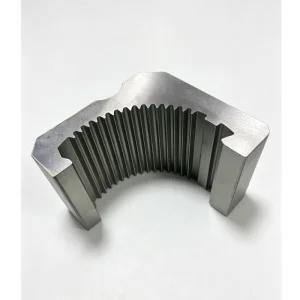
Solution: Deploying submicron tungsten carbide stamping dies with high wear resistance. These dies retain sharp cutting profiles, significantly lowering scrap rates and extending maintenance intervals.
How automation, digital tool paths, and nanostructured coatings are setting new standards for manufacturing efficiency.
Coating technologies are shifting from single-layer TiAlN to complex multi-layer compositions. These alternating nano-layers arrest micro-crack propagation, extending insert life by up to 50% in interrupted cuts.
Standardized digital data models allow tooling files to load seamlessly into CAD/CAM simulation software. This enables operators to run collision checks and optimize cutting paths before loading physical raw stock.
Next-generation systems use real-time spindle load data to detect tool wear instantly. By automatically adjusting feed override values, these smart systems prevent cataclysmic tool breakage and save costly workpieces.
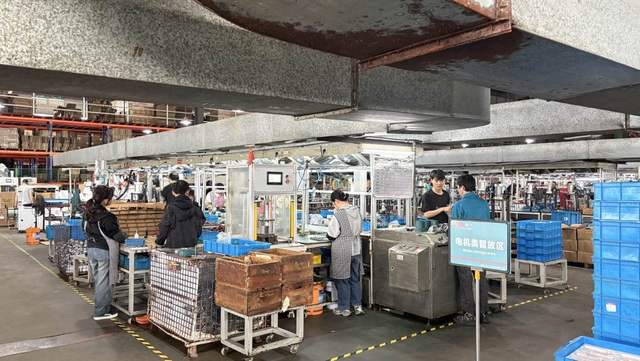
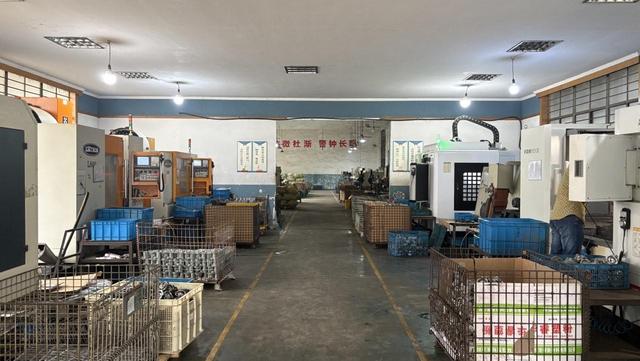
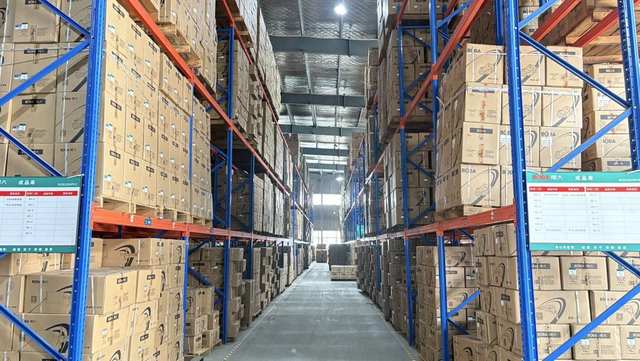
Our dedicated manufacturing base, featuring state-of-the-art grinding centers, automated quality control rooms, and heavy metal cutting workshops.
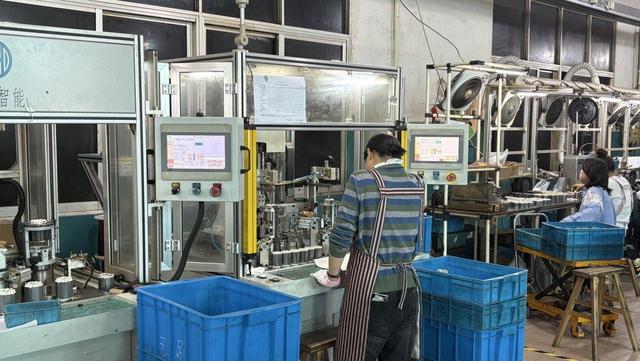
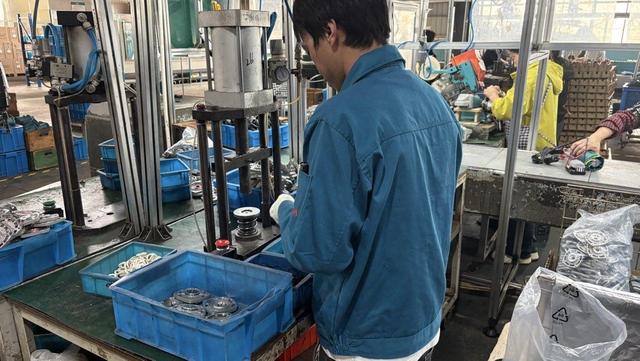

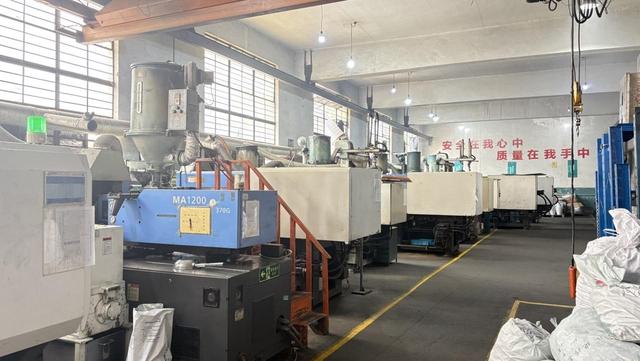
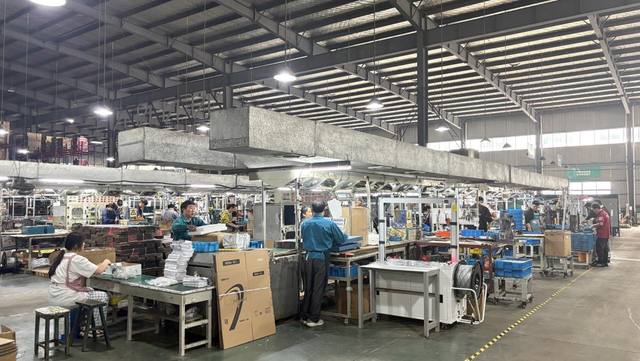
For procurement directors, purchasing indexable tooling involves evaluating several key factors beyond unit price. Total Cost of Ownership (TCO) is a critical metric, which includes tool life, setup times, and shipping logistics. High-volume automotive and electronics parts plants require predictable, uninterrupted supply chains to prevent costly downtime.
When selecting a long-term cutting tool factory, global enterprises look for three key capabilities:
Dongguan Carto Tool Co., Ltd. addresses these requirements through our structured quality control framework. By managing every stage of production—from importing premium raw materials to using high-vacuum coating furnaces—we maintain tight tolerances on every tool holder, end mill, and indexable insert we produce.
Technical guidance and answers to common machining challenges from our engineering team.
Indexable tools provide significant cost-per-edge advantages, especially in heavy roughing and large-diameter applications. Rather than replacing or regrinding the entire tool when the cutting edge wears down, operators can quickly index or replace the insert. This minimizes machine downtime and maintains consistent tool geometry without requiring adjustments to tool offsets. Solid carbide tools remain preferable for finishing operations, small-diameter work (under 6mm), and applications requiring maximum tool rigidity.
The choice depends on your workpiece material and machining speed. CVD coatings are typically thicker (9–20 μm) and provide high wear resistance, making them ideal for high-temperature turning of cast irons and steels. PVD coatings are thinner (2–7 μm) but have higher toughness and a sharper cutting edge, making them suitable for machining superalloys, stainless steels, and non-ferrous metals. For example, our TiAlN-coated hobs and ball nose end mills utilize a thin PVD layer to maintain a sharp edge while resisting thermal fatigue.
During deep hole drilling, chip evacuation and thermal buildup are the two main challenges. A coolant-fed design forces pressurized cutting fluid through the drill body directly to the cutting zone. This fluid flushes out chips, preventing them from recutting and jamming, while cooling the cutting edge. This reduces thermal shock and helps prevent premature insert failure.
Chipping is usually caused by excessive mechanical vibration, thermal cracking from interrupted cuts, or choosing an incorrect insert geometry. To prevent chipping, you can increase tool rigidity, use a tougher carbide grade with a higher cobalt content, or choose a chipbreaker designed for interrupted cutting. Using consistent coolant flow—or turning it off entirely for dry machining—can also help prevent thermal cracking.
Explore our complete catalog of industrial tooling solutions, featuring specialized insert options and heavy-duty drilling heads.
 Carto Tool