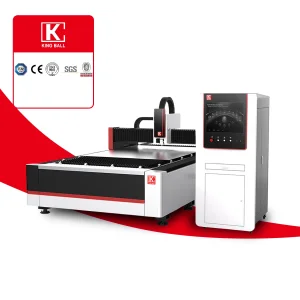
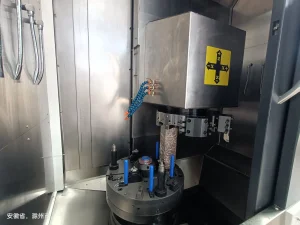
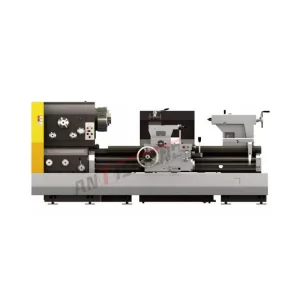
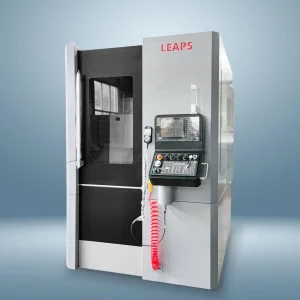
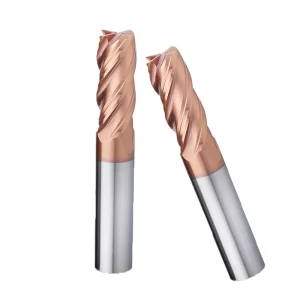
High-precision processing centers, multi-axis hardware, and indexable cutting geometries engineered for modern mechanical environments.
Decoding the macroeconomic variables, technical imperatives, and optimization factors that guide Tier-1 buyers.
Modern manufacturing demands shift from simple *unit-price purchasing* to Total Cost of Ownership (TCO) models. Buyers evaluate Tool Life Expectancy (TLE), cycles per grind, and setup stability to achieve maximum economic efficiency in continuous CNC lines.
High-efficiency milling in hardened steel, titanium, and carbon composites requires micro-grain tungsten carbide substrates (typically 0.4μm to 0.6μm grain sizes) combined with nano-composite coatings like TiAlN, nACo, or CVD diamond to mitigate thermal cracking.
Tooling systems must conform to strict physical tolerance profiles (e.g., h6 shank tolerance, runout less than 3μm) to ensure seamless handling by automatic tool changers (ATC) in high-speed, unmanned lights-out manufacturing environments.
Understanding the infrastructural and geological advantages that position China as the global hub for advanced machining exports.
China controls the majority of the world's upstream tungsten mining, refining, and ammonium paratungstate (APT) processing. This direct geological control allows Chinese manufacturers to insulate international buyers from wild market fluctuations in raw carbide powder pricing.
Key industrial zones in Guangdong (such as Dongguan) and Jiangsu leverage massive localized clusters of ultra-precise CNC grinding platforms (such as Walter, Rollomatic, and ANCA). These machinery integrations enable scalable manufacturing with unparalleled dimensional repeatability.
By shortening the feedback loop between geometric CAD design, simulation, test grinding, and actual machining verification, Chinese exporters can supply tailor-made OEM/ODM tooling solutions in weeks, compared to months from traditional European competitors.
Dongguan Carto Tool Co., Ltd. is a professional manufacturer specializing in industrial cutting tools, CNC machining tools, milling systems, turning solutions, and precision metal cutting technologies. The company is dedicated to providing high-performance tooling solutions for modern manufacturing industries, including automotive, aerospace, mold processing, machinery production, and general metal fabrication.
Since its establishment, Carto Tool has developed from a small-scale cutting tool workshop into a specialized industrial tooling supplier with integrated R&D, production, and quality control capabilities. In its early stage, the company focused on basic turning and milling tool production for local machining workshops. With the rapid growth of China’s manufacturing sector, Carto Tool expanded its technology base and began developing more advanced CNC-compatible cutting systems to meet higher precision and efficiency requirements.
During its development phase, the company invested in carbide material research, coating technology improvements, and CNC tool geometry optimization. It introduced modern production lines and precision grinding equipment to ensure stable performance and long tool life. At the same time, Carto Tool strengthened its testing systems to improve cutting accuracy, wear resistance, and thermal stability across different machining environments.
Today, Dongguan Carto Tool Co., Ltd. serves global industrial clients with a wide range of cutting tool solutions designed for high-speed, high-precision, and heavy-duty applications. The company continues to focus on innovation in CNC machining efficiency, metal cutting performance, and cost optimization for manufacturers. With a commitment to quality and engineering excellence, Carto Tool aims to become a trusted international supplier in the industrial cutting tools industry, supporting smarter and more efficient global manufacturing systems.
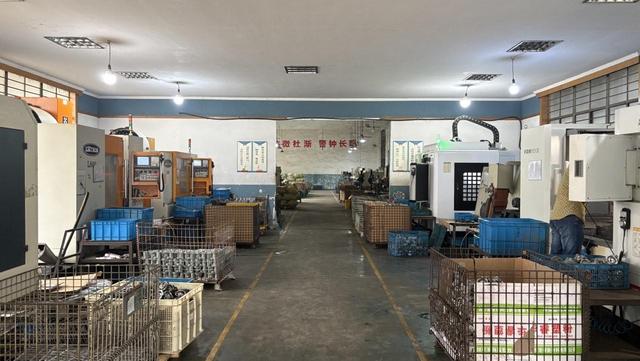
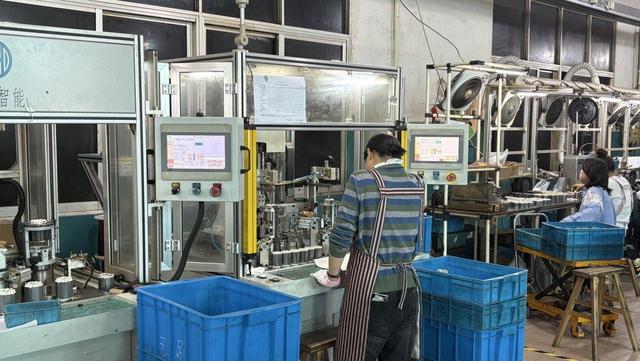
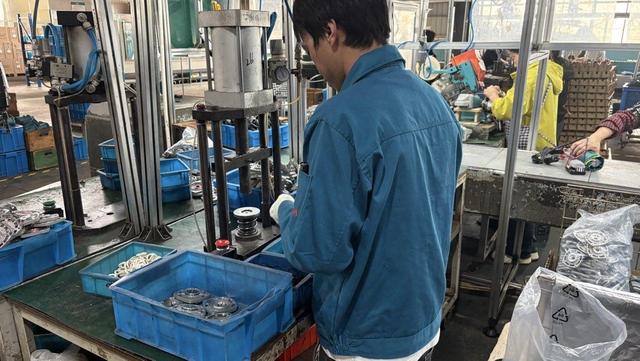
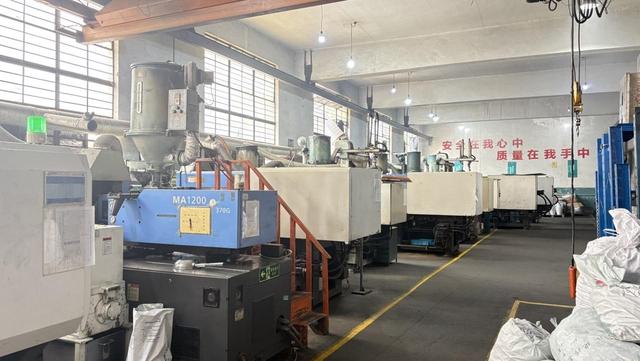
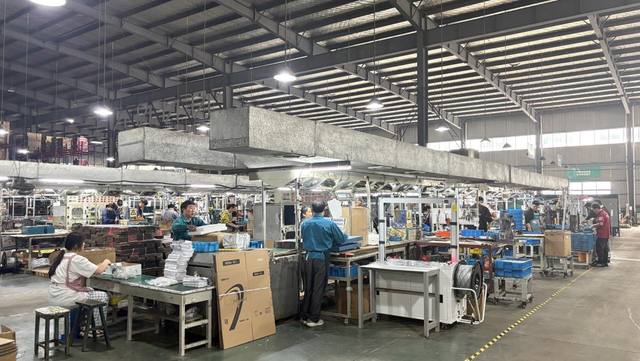
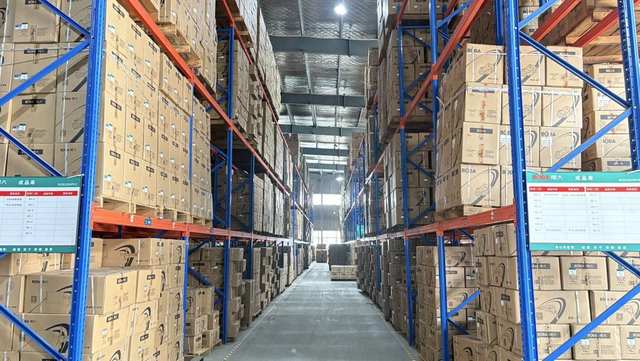
Under strict ISO 9001:2015 parameters, our manufacturing floor houses CNC machinery grids dedicated to cutting system production.


How microscopic adjustments in raw materials and design translate into high-speed performance on the factory floor.
By varying the helix angle (e.g., 35°/38°), our tools disrupt harmonic vibrations during heavy roughing. This reduces chatter, prolongs spindle bearings, and delivers superior surface finish in deep slotting operations.
We source raw tungsten carbide powder containing 10% to 12% Cobalt content. The sub-micron grain sizing increases both the transverse rupture strength (TRS) and edge-retention threshold at high operating feed rates.
Designed for non-ferrous and highly abrasive materials like graphite, G10, and high-silicon aluminum, our Chemical Vapor Deposition (CVD) diamond layers provide up to 10x tool life extension compared to uncoated alternatives.
Instead of leaving the cutting edge raw or overly blunt, we apply micro-honing techniques. This specialized edge preparation balances initial sharpness with chip resilience, preventing early chipping under heavy shock loads.
Reducing cross-border transaction frictions through strict quality management and comprehensive supply chain service models.
All carbide substrates and coating formulas undergo compliance evaluation. We ensure strict adherence to EU REACH, RoHS, and North American toxic substance standards, removing regulatory hazards for automotive and defense supply chains.
To reduce supply-side lead times, we offer vendor-managed inventory (VMI) services and connect with local tooling distributors across North America, Europe, and Asia. This ensures prompt engineering support and minimizes tool stock shortages.
Over 40% of international orders demand specialized configurations. We handle custom dimensions, proprietary coating recipes, custom shanks (Weldon flats, DIN standards), and customer laser-marking for complete brand alignment.
Analyzing the performance of high-performance tooling systems under specific industrial machining challenges.
Milling Titanium (Ti-6Al-4V) and Inconel demands high thermal dissipation. Our tools utilize AlTiN coatings and customized rake angles to resist work-hardening, maintaining stable dimensional control over long production cycles.
High-volume cast iron and aluminum alloy milling requires consistent, predictable wear rates. Our optimized geometries allow high feed rates to optimize cycle times without risking unexpected tool failures.
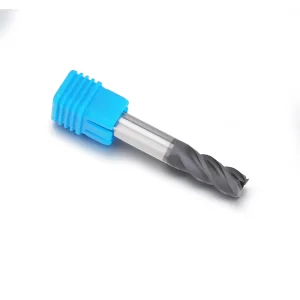
Working with hardened tool steels (HRC 55-68) requires extreme tool rigidity. Our specialized micro-grain end mills feature negative rake angles and custom core diameters to prevent tool deflection during deep cavity roughing.
A look at the upcoming technical and environmental developments that will guide future manufacturing operations.
With electronic devices, medical implants, and aerospace components shrinking in size, the demand for high-precision micro end mills (diameters down to 0.1mm) is growing rapidly. Micro-machining requires advanced tool geometry inspection systems to ensure quality.
Because cobalt and tungsten are critical raw materials, recycling programs for spent carbide tools are becoming industry standard. Forward-looking factories are developing closed-loop buyback programs to support environmental initiatives.
Smart manufacturing relies on data connectivity. Modern cutting systems integrate RFID chips, laser-etched data matrices, and digital twins, helping automated inventory systems track tool wear and usage across the shop floor.
Addressing the core technical, commercial, and logistical questions raised by global supply chain managers and production engineers.
Cobalt acts as the binder matrix in tungsten carbide tools. Higher cobalt content (e.g., 10%–12%) increases impact resistance and toughness, making the tool less prone to chipping under heavy or interrupted cuts. Lower cobalt content (e.g., 6%–8%) increases hardness and wear resistance, which is ideal for high-speed finish machining of hard materials. Balancing cobalt content with grain size is essential for optimizing tool life in specific materials.
Key indicators include ISO 9001:2015 certification, fully documented quality control workflows (from raw material verification to final optical inspection), traceable batch numbers, and high-precision testing equipment (like Zoller Genius machines). True authoritative factories should also offer comprehensive technical documentation, detailed application guides, and clear material safety data sheets (MSDS).
Poor coating adhesion leads to early flaking, exposes the carbide substrate to thermal shock, and causes rapid tool wear. Quality control verifying procedures include scratch testing, indentation tests, and micro-hardness testing, ensuring the coating bonds tightly to the sub-micron carbide substrate during the PVD or CVD process.
Variable pitch and helix geometries disrupt the regular harmonics generated during high-speed milling. By varying the spacing and angle of the flutes, the tool prevents resonant vibration (chatter). This stabilization improves surface finishes, maintains tighter dimensional tolerances, and extends both spindle and tool life.
Import costs can be optimized by establishing clear Incoterms (like FOB or CIF), using consolidated shipping containers for volume orders, and applying correct HS code classifications (typically 8207.70 for milling tools). Working with experienced logistics partners ensures compliance with regional tariff frameworks and prevents delays at customs.
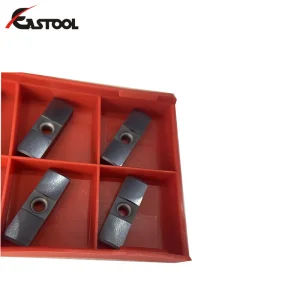
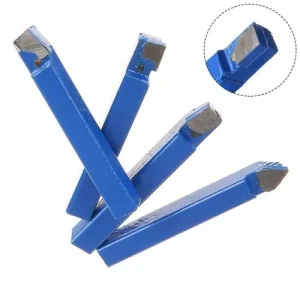
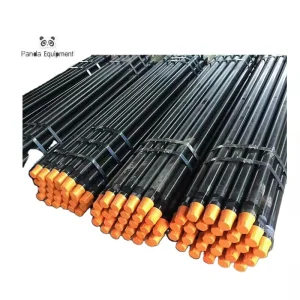
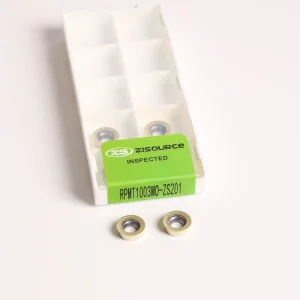
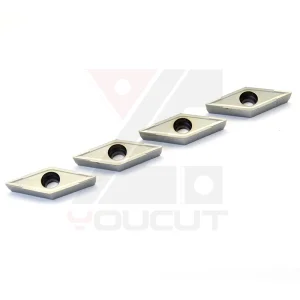
Indexable inserts, high-precision lathe configurations, and specialized drilling heads for complete tool crib outfitting.
 Carto Tool