A Comprehensive Technical Whitepaper & Global Sourcing Guide for Advanced CNC Machining and Precision Tooling Infrastructure.
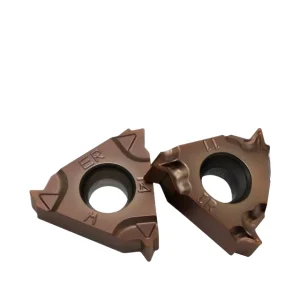
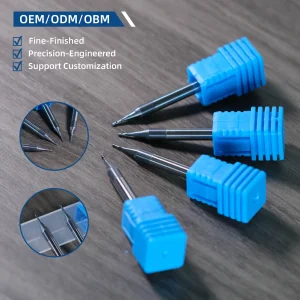
In the high-stakes landscape of modern aerospace, automotive, and die-mold engineering, precision and machine uptime are the critical vectors of profitability. Modular tooling systems have evolved from niche setup-reduction accessories into the backbone of smart CNC manufacturing. By splitting the tool assembly into standardized, interchangeable modular components—such as cutting heads, adapter shanks, extension sleeves, and indexable inserts—manufacturers can construct thousands of tool configurations from a minimal inventory footprint.
This design philosophy optimizes manufacturing overhead in two principal ways: first, by drastically reducing the time required to switch setups (shifting from hours to mere seconds through quick-change interfaces like Capto, HSK, and KM); second, by enabling rapid adaptation to complex geometries without requiring expensive, single-purpose custom solid tooling. To achieve this, modular tooling manufacturers rely on extreme-tolerance metalworking, advanced sub-micron tungsten carbide powder metallurgy, and complex physical vapor deposition (PVD) / chemical vapor deposition (CVD) coatings.
Features tapered polygonal interfaces or dual-contact mechanisms to deliver high bending stiffness and radial centering accuracy under high torque loads.
Allows assembly of custom lengths and diameters from standard modules, saving tool room capital expenditure and shelf space.
Integrated micro-dampers within the modular extensions absorb harmonic frequencies, extending tool life and enabling superior surface finishes.
The operational demands placed on cutting tools differ wildly between key industrial segments. High-performance modular tooling systems resolve these challenges by offering customized, application-specific geometries and shank connections. Through proper selection of materials, coatings, and structural architectures, manufacturers can target specific wear mechanisms and process limitations:
| Industry Vertical | Primary Material Challenges | Modular Tooling Solution | Key Target KPI |
|---|---|---|---|
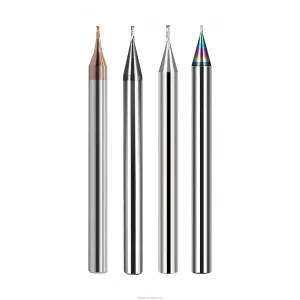
| Aerospace & Defense | Titanium Alloys (Ti-6Al-4V), Inconel 718, Carbon Fiber Composites | High-pressure coolant through modular shanks, carbide end mills with micro-diameters (0.1–0.9mm) for miniature rib structures. | Minimized tool deflection, thermal shock resistance, and zero workpiece delamination. |
| Automotive Powertrain | Al-Si Alloys, Cast Iron, Hardened Steels | Polycrystalline Diamond (PCD) tipped modular inserts, multi-step rotary transfer systems for high-speed cylinder head machining. | Under 5-second tool indexing times, Cpk value > 1.67, and high-volume consistency. |
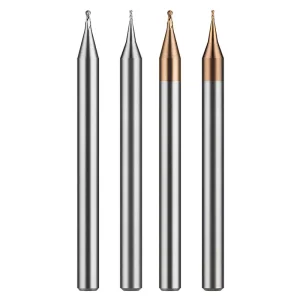
| Die, Mold & Pattern Making | H13 tool steel, D2 steel, hardened alloys up to 62HRC | Modular ball-nose cutters with micro-grain carbide substrates, extended-reach shanks featuring tuned mass vibration dampers. | Mirror-finish surface roughness (Ra < 0.2 microns) and extreme dimensional accuracy over long continuous cycle times. |
| Medical Devices | Biocompatible Titanium, Cobalt-Chromium, 316L Stainless Steel | Ultra-precision micro-diameter milling cutters, high-speed spindles (up to 50,000 RPM) integrated with modular taper interfaces. | Burr-free edge quality, sub-micron dimensional tolerances for orthopedic implants. |
Runout Repeatability
Substrate Hardness Capability
Reduction in Setup Time
OEM Structural Warranty
The integration of Industry 4.0 principles is fundamentally reshaping the roadmap of modular tooling engineering. The next decade will be defined by smart tooling ecosystems that communicate directly with CNC control panels and cyber-physical production layers. Key technologies currently transitioning from research labs to global factory floors include:
As global manufacturers face volatile raw material costs and fluctuating market demand, the geographic concentration of tooling suppliers becomes a strategic consideration. China's advanced manufacturing hubs—most notably the Pearl River Delta (Dongguan, Shenzhen) and Yangtze River Delta—have established an unparalleled ecosystem for precision tool production.
This ecosystem is not merely characterized by lower labor costs, but by complete vertical integration. From local tungsten extraction and high-grade carbide powder processing to state-of-the-art 5-axis German-made grinding centers (such as Walter and Rollomatic) and Swiss Balzers PVD coating chambers, Chinese factories like Dongguan Carto Tool Co., Ltd. control the entire quality-assurance cycle. This integration shortens product development lead times, guarantees stable metallurgy across production lots, and provides robust logistical resilience to global clients.
Dongguan Carto Tool Co., Ltd. is a professional manufacturer specializing in industrial cutting tools, CNC machining tools, milling systems, turning solutions, and precision metal cutting technologies. The company is dedicated to providing high-performance tooling solutions for modern manufacturing industries, including automotive, aerospace, mold processing, machinery production, and general metal fabrication.
Since its establishment, Carto Tool has developed from a small-scale cutting tool workshop into a specialized industrial tooling supplier with integrated R&D, production, and quality control capabilities. In its early stage, the company focused on basic turning and milling tool production for local machining workshops. With the rapid growth of China’s manufacturing sector, Carto Tool expanded its technology base and began developing more advanced CNC-compatible cutting systems to meet higher precision and efficiency requirements.
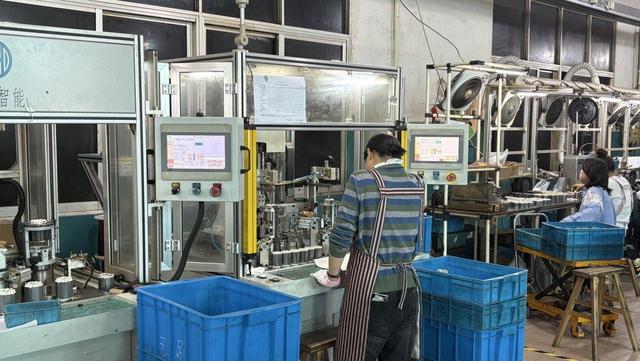
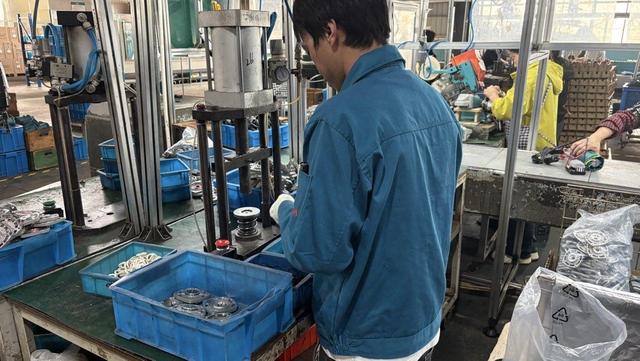
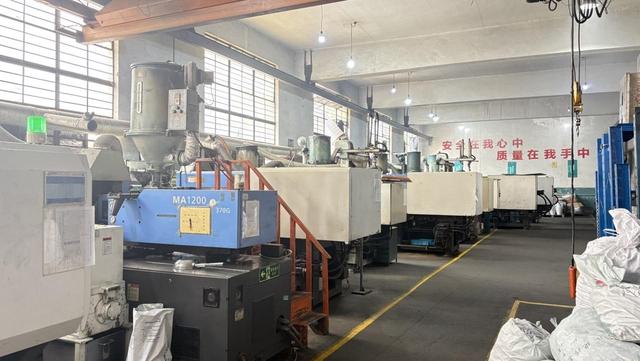
During its development phase, the company invested in carbide material research, coating technology improvements, and CNC tool geometry optimization. It introduced modern production lines and precision grinding equipment to ensure stable performance and long tool life. At the same time, Carto Tool strengthened its testing systems to improve cutting accuracy, wear resistance, and thermal stability across different machining environments.
Today, Dongguan Carto Tool Co., Ltd. serves global industrial clients with a wide range of cutting tool solutions designed for high-speed, high-precision, and heavy-duty applications. The company continues to focus on innovation in CNC machining efficiency, metal cutting performance, and cost optimization for manufacturers. With a commitment to quality and engineering excellence, Carto Tool aims to become a trusted international supplier in the industrial cutting tools industry, supporting smarter and more efficient global manufacturing systems.
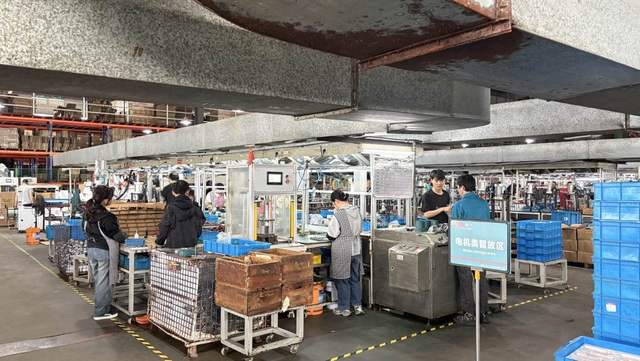
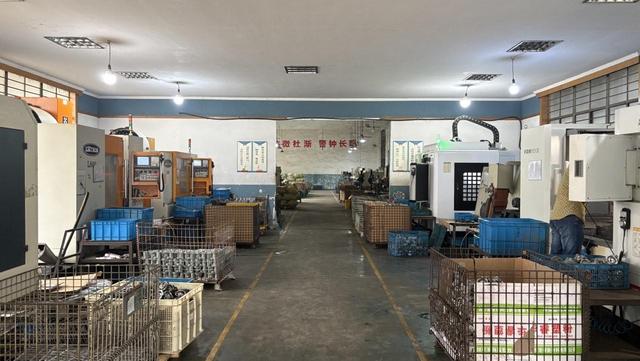
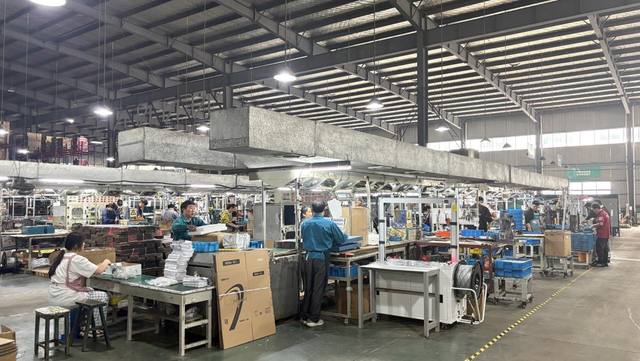
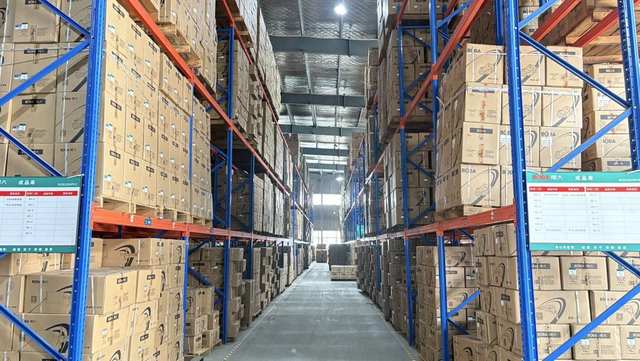
Sourcing modular tooling systems on an enterprise level requires evaluating vendors beyond unit cost alone. To establish a reliable, long-term procurement pipeline, procurement directors should assess candidates against three foundational pillars:
 Carto Tool