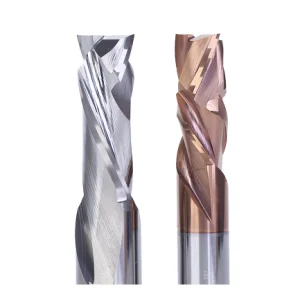
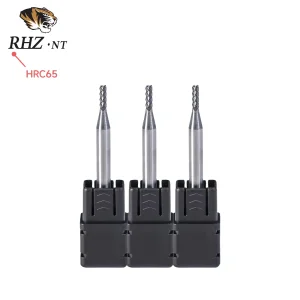
Engineered for maximum metal removal rates, exceptional wear resistance, and long-term dimensional accuracy.
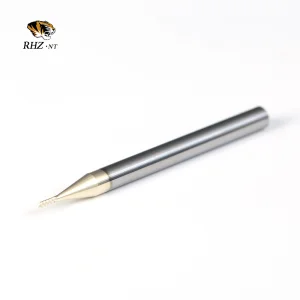
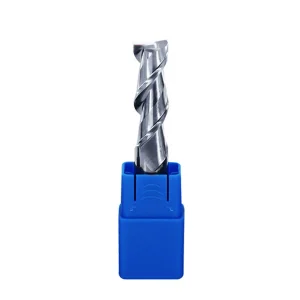
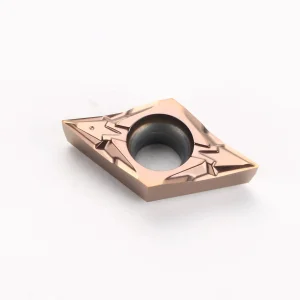

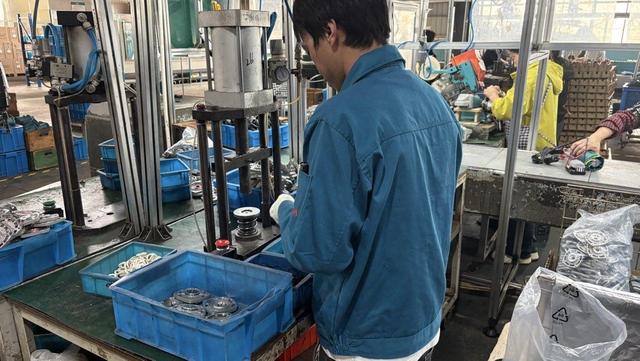
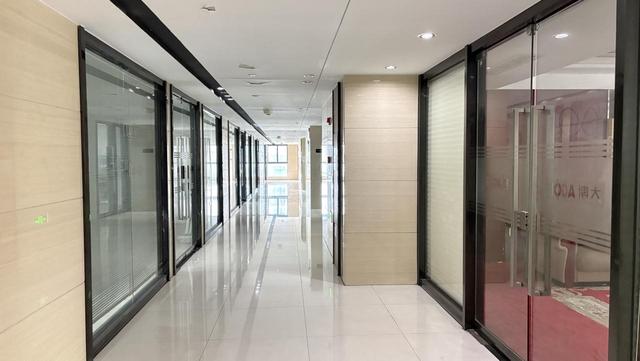
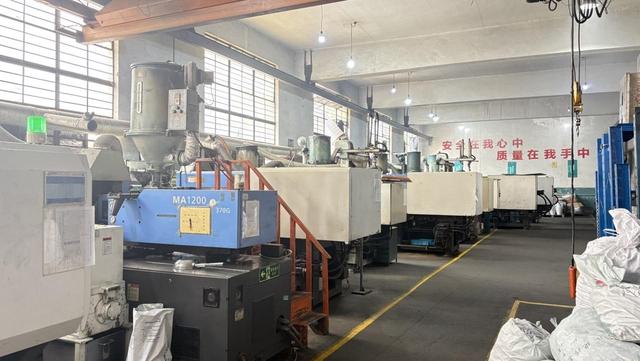
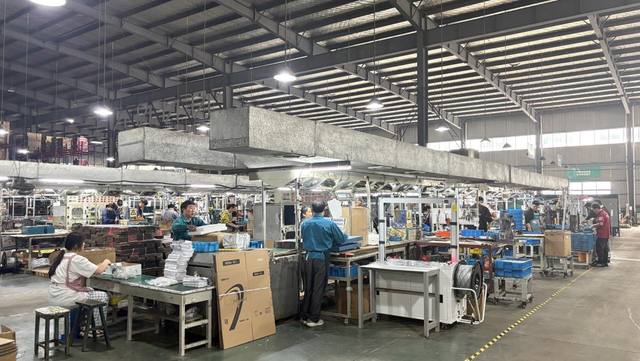
Dongguan Carto Tool Co., Ltd. is a professional manufacturer specializing in industrial cutting tools, CNC machining tools, milling systems, turning solutions, and precision metal cutting technologies. The company is dedicated to providing high-performance tooling solutions for modern manufacturing industries, including automotive, aerospace, mold processing, machinery production, and general metal fabrication.
Since its establishment, Carto Tool has developed from a small-scale cutting tool workshop into a specialized industrial tooling supplier with integrated R&D, production, and quality control capabilities. In its early stage, the company focused on basic turning and milling tool production for local machining workshops. With the rapid growth of China's manufacturing sector, Carto Tool expanded its technology base and began developing more advanced CNC-compatible cutting systems to meet higher precision and efficiency requirements.
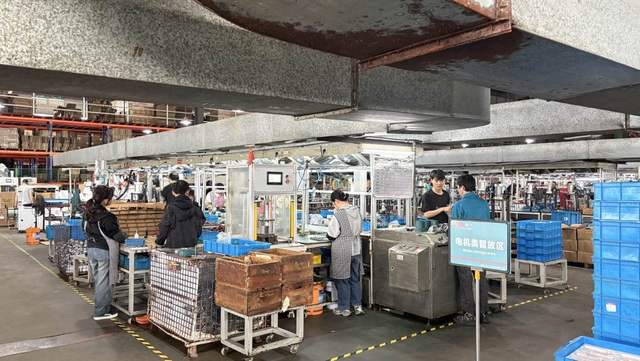
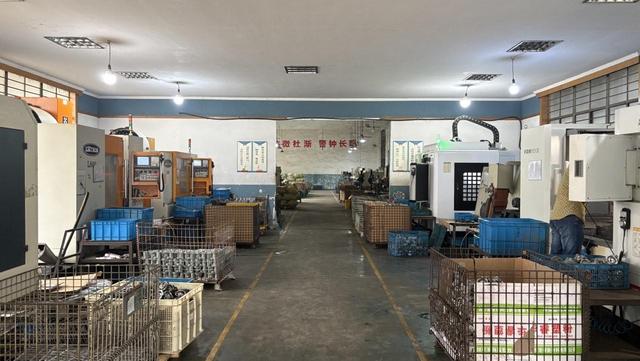
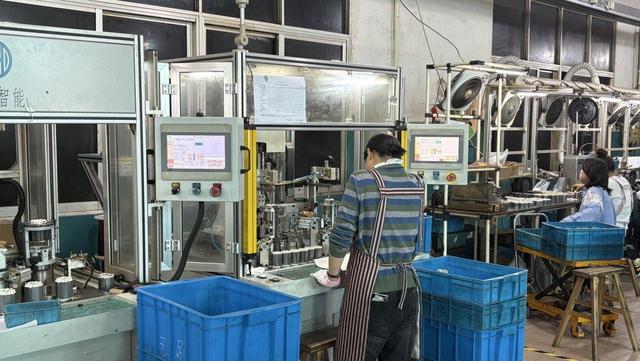
During its development phase, the company invested in carbide material research, coating technology improvements, and CNC tool geometry optimization. It introduced modern production lines and precision grinding equipment to ensure stable performance and long tool life. At the same time, Carto Tool strengthened its testing systems to improve cutting accuracy, wear resistance, and thermal stability across different machining environments.
Today, Dongguan Carto Tool Co., Ltd. serves global industrial clients with a wide range of cutting tool solutions designed for high-speed, high-precision, and heavy-duty applications. The company continues to focus on innovation in CNC machining efficiency, metal cutting performance, and cost optimization for manufacturers. With a commitment to quality and engineering excellence, Carto Tool aims to become a trusted international supplier in the industrial cutting tools industry, supporting smarter and more efficient global manufacturing systems.
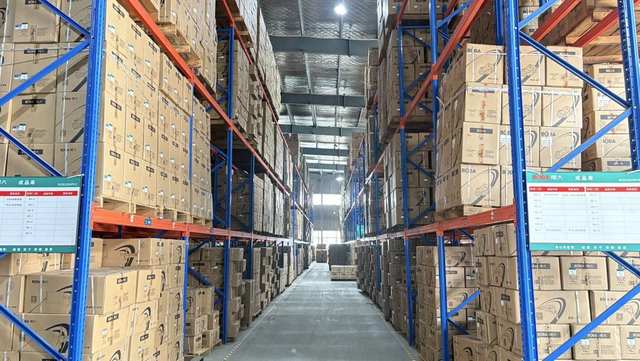
The global metal cutting tool market is undergoing a rapid evolution driven by advanced automation, high-speed machining (HSM), and smart manufacturing paradigms.
Global demand is pivoting toward regionalized, resilient supply chains. Custom OEM/ODM manufacturers are scaling capacities in localized hubs to cut lead times and mitigate geopolitical disruption. By partnering with advanced fabrication plants in Eastern Asia, global distributors secure consistent supplies of premium-grade solid carbide rods and indexable inserts.
Aerospace structures and Electric Vehicle (EV) drivetrains demand ultra-lightweight yet structurally dense materials. Milling components like Titanium (Ti-6Al-4V) and Inconel 718 requires cutting tools that can withstand high temperatures without structural degradation. Optimized cutting tool geometries are mandatory to maintain stability.
Modern CNC machine centers operate at spindle speeds exceeding 20,000 RPM. This demands milling cutters with exceptional dynamic balance, precise runout control (<3 microns), and optimized chip evacuation pockets. Without these features, high rotational forces lead to premature tool failure and costly spindle damage.
Efficiency is the primary metric in industrial economics. Standard catalog tools often fail to deliver the exact performance requirements demanded by high-volume automation lines. Custom OEM cutting tools resolve this gap by tailoring tool designs directly to the workpiece material and machine kinematics.
Decreasing processing duration per piece by optimizing cutting feed rates and axial depths of cut (Ap).
Multi-layer nanostructured coatings isolate the tungsten carbide core from thermal shock and adhesive wear.
Industrial automation trends suggest the global market for specialized carbide tools will expand at a CAGR of 6.2% through 2030, with the customization sector accounting for over 40% of new tooling deployments.
Custom Tooling Integration Market Share (Est. by 2030)The transition from conventional metallurgy to nanostructured materials and smart feedback systems defines the engineering pipeline for modern tool fabrication.
Modern milling cutters rely on micrograin and ultra-micrograin tungsten carbide (WC) substrates with average grain sizes under 0.4 microns. Decreasing grain size improves hardness and transverse rupture strength (TRS) simultaneously, enabling tools to resist edge chipping under extreme impact loads.
PVD (Physical Vapor Deposition) coatings are moving toward multi-layered nano-composite films. Alternating layers of AlTiN and CrAlN block micro-crack propagation throughout the coating. This improves hot hardness, enabling tools to withstand operating temperatures up to 900°C in dry machining configurations.
Variable helix angles and unequal flute spacing disrupt harmonic resonance during machining. By continuously shifting the tool's natural vibration frequency, chatter is mitigated, yielding exceptional surface finishes (Ra < 0.4 μm) and extending spindle bearing life.
Focusing on manual tool grinders, custom-made high-speed steel (HSS) inserts, and basic turning tools to service local machine shops.
Introducing multi-axis CNC grinding systems, standardized testing programs, and implementing ISO-certified quality controls.
Developing in-house PVD/CVD coating procedures, micro-geometry tuning, and launching structural OEM/ODM manufacturing partnerships worldwide.
Custom-engineered tools designed to solve high-stakes manufacturing challenges across demanding industrial sectors.
Machining aerospace structural frames requires tools that can handle both the high-strength properties of Titanium Alloys and the abrasive nature of Carbon Fiber Reinforced Plastics (CFRP). Our aerospace solutions focus on:
Automotive manufacturing prioritizes processing speed and high tool reliability. Producing EV components, lightweight aluminum structural casings, and hardened gear assemblies demands:
High-hardness mold steel (ranging from 50 to over 65 HRC) demands carbide end mills with high wear resistance. Achieving precise core contours and smooth finishes requires:
Medical implants, bone screws, and surgical instruments are machined from bio-compatible materials like titanium, cobalt-chromium, and PEEK polymers. Manufacturing constraints include:
Answering common questions regarding high-performance tooling design, material selection, and process optimization.
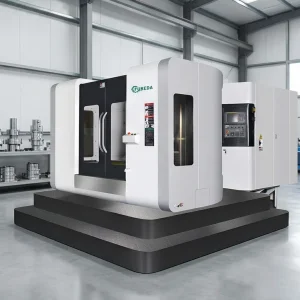
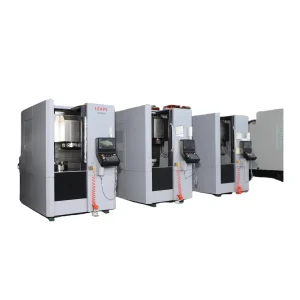
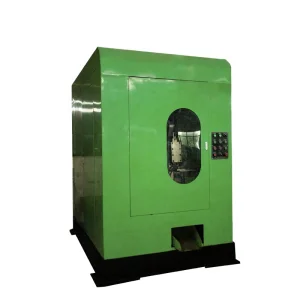
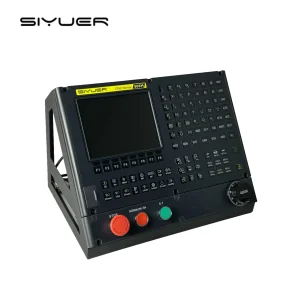
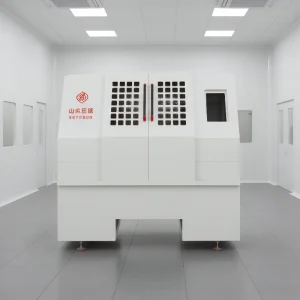
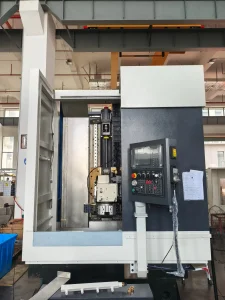
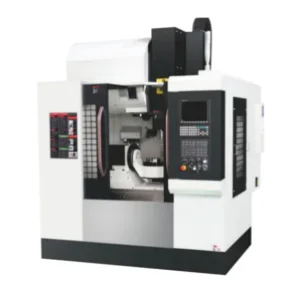
Completing our tooling line with high-efficiency turning, hole-making, and automated machining equipment.
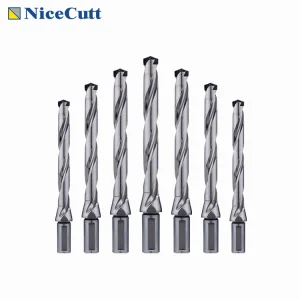
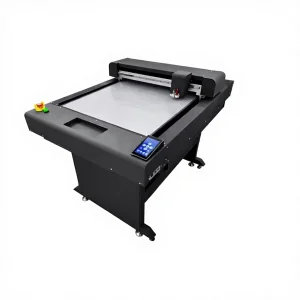
Partner with Dongguan Carto Tool Co., Ltd. for custom OEM/ODM solutions tailored to your production requirements.
Contact Our Technical Sales Team Carto Tool