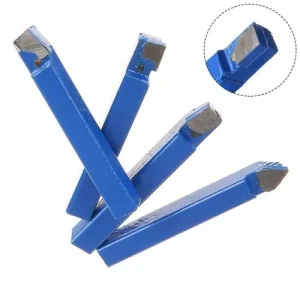
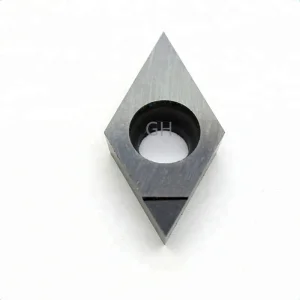
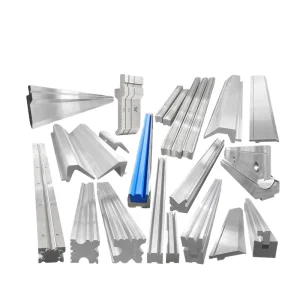
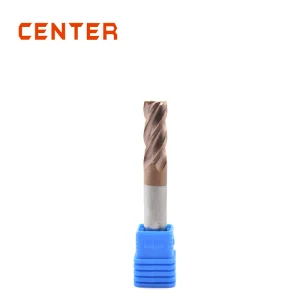
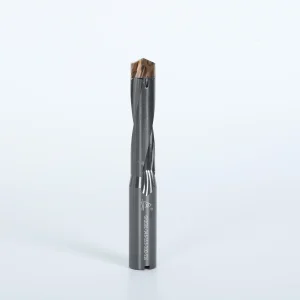
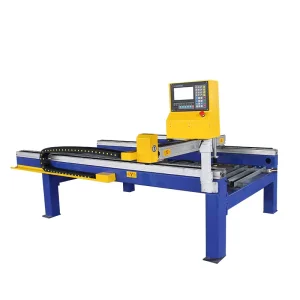
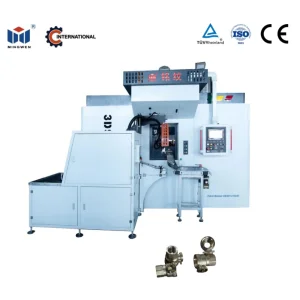
The contemporary global manufacturing landscape is undergoing a paradigm shift driven by high-speed machining (HSM), extreme precision requirements, and the rising demand for lightweight but high-strength engineering alloys. In aerospace, automotive powertrain development, medical implants, and micro-electronics fabrication, standard off-the-shelf cutting tools often fall short. This gap has placed cutting tool prototyping at the center of manufacturing innovation. Custom cutting tools must be engineered to withstand specific thermal, abrasive, and mechanical stresses unique to materials like titanium alloys, carbon fiber reinforced plastics (CFRP), and hardened tool steels.
Prototyping serves as the critical validation stage where theoretical geometries, carbide substrates, and thin-film coatings are pressure-tested. A minor optimization in rake angles, helix configurations, or coating thickness can translate into a 30% reduction in cycle times and a twofold extension in tool life. Consequently, industrial procurers and manufacturing engineers prioritize partnerships with prototyping factories capable of fast iterations, microscopic tolerance compliance, and empirical testing.
Selecting carbide grade, grain structure (ultra-fine or sub-micron), and cobalt binder ratios to perfectly balance toughness and hardness based on application profiles.
Leveraging advanced PVD (Physical Vapor Deposition) and CVD (Chemical Vapor Deposition) systems like AlTiN, TiAlN, DLC, and nano-composite coatings for superior heat dissipation.
Validating prototype dimensional accuracies using laser scanners, optical comparators, and 3D coordinate measuring machines (CMM) down to sub-micron deviation limits.
Chinese industrial clusters, particularly in the Pearl River Delta (Dongguan, Shenzhen, Guangzhou), have established unparalleled ecosystems for machining and tooling engineering. The primary efficiency advantages stem from complete vertical integration. Unlike Western prototyping operations that rely on fragmented regional sub-contractors for heat treatment, coating deposition, and specialized grinding, Chinese factories host these capabilities either in-house or within a 10-kilometer radius.
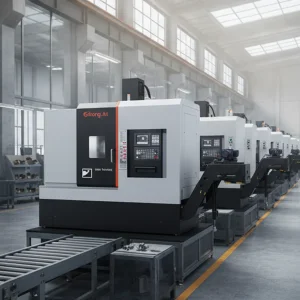
This proximity reduces structural lead times for custom tooling iterations from the standard 6–8 weeks down to 5–10 business days. Furthermore, Chinese manufacturers have heavily adopted state-of-the-art multi-axis CNC grinding machines (such as ANCA, Rollomatic, and Walter systems) alongside highly automated tool measurement and inspection platforms. When combined with localized engineer pools specialized in tooling CAD/CAM modeling, China's capacity to design, prototype, analyze, and scale industrial cutting tools offers global buyers a unique balance of speed, cost optimization, and technical compliance.
Dongguan Carto Tool Co., Ltd. is a professional manufacturer specializing in industrial cutting tools, CNC machining tools, milling systems, turning solutions, and precision metal cutting technologies. The company is dedicated to providing high-performance tooling solutions for modern manufacturing industries, including automotive, aerospace, mold processing, machinery production, and general metal fabrication.
Since its establishment, Carto Tool has developed from a small-scale cutting tool workshop into a specialized industrial tooling supplier with integrated R&D, production, and quality control capabilities. In its early stage, the company focused on basic turning and milling tool production for local machining workshops. With the rapid growth of China’s manufacturing sector, Carto Tool expanded its technology base and began developing more advanced CNC-compatible cutting systems to meet higher precision and efficiency requirements.
During its development phase, the company invested in carbide material research, coating technology improvements, and CNC tool geometry optimization. It introduced modern production lines and precision grinding equipment to ensure stable performance and long tool life. At the same time, Carto Tool strengthened its testing systems to improve cutting accuracy, wear resistance, and thermal stability across different machining environments.
Today, Dongguan Carto Tool Co., Ltd. serves global industrial clients with a wide range of cutting tool solutions designed for high-speed, high-precision, and heavy-duty applications. The company continues to focus on innovation in CNC machining efficiency, metal cutting performance, and cost optimization for manufacturers. With a commitment to quality and engineering excellence, Carto Tool aims to become a trusted international supplier in the industrial cutting tools industry, supporting smarter and more efficient global manufacturing systems.

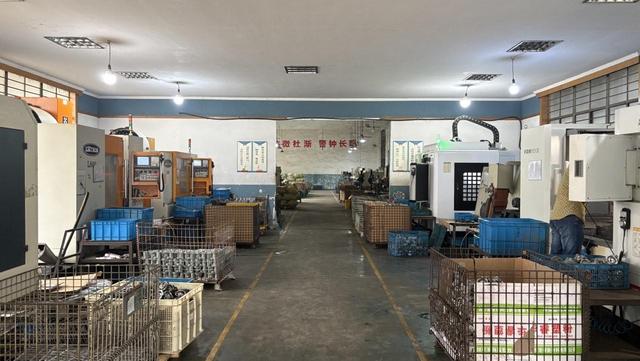
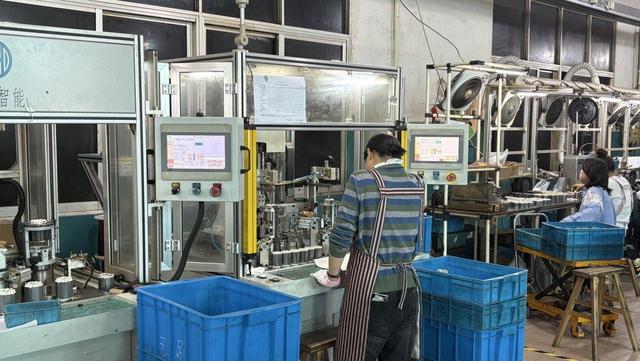
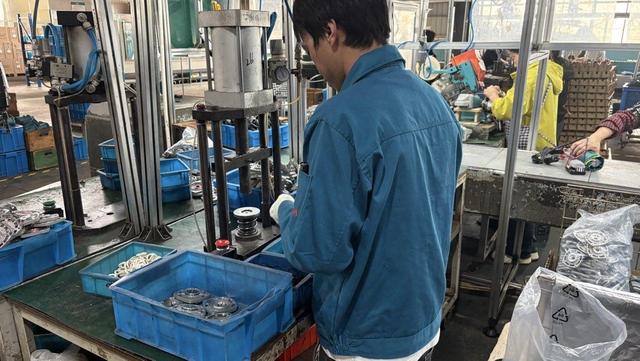
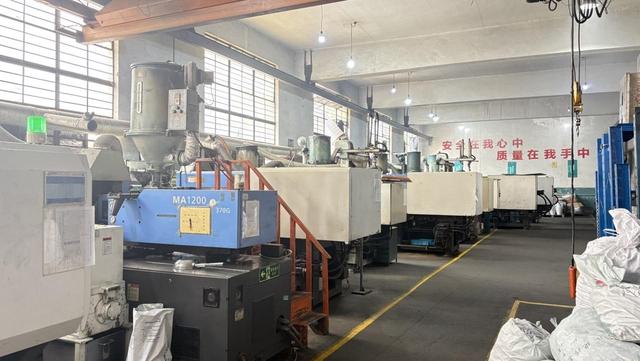
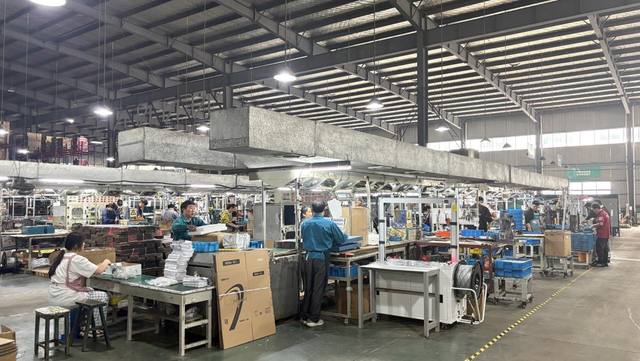
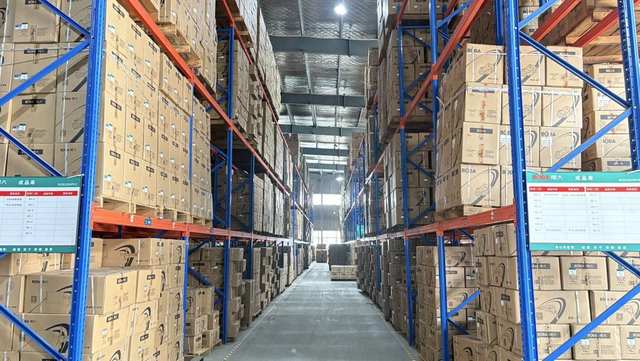
Different manufacturing sectors face unique challenges that require bespoke cutting tool prototypes. Standard tooling frequently leads to issues like premature wear, tool deflection, poor surface finish, or catastrophic breakage. Through customized prototyping, factories like Carto Tool address these engineering bottlenecks with targeted designs.
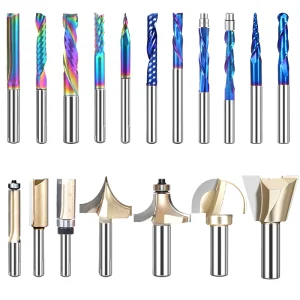
Superalloys possess low thermal conductivity and high work-hardening rates. Custom tools utilize optimized unequal helix geometries and advanced AlTiN coatings to direct thermal energy into the chip rather than the workpiece, preventing rapid tool breakdown.
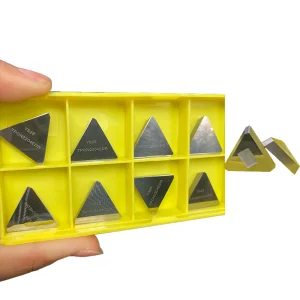
Automotive mold milling requires deep cavity machining under high feeds. Prototyping focus centers on developing indexable insert profiles and solid carbide end mills with vibration-damping core structures to achieve optimal surface finish and dimensional stability.
For devices like smartphones and tablets, milling carbon fiber composites, copper alloys, and aluminum profiles requires clean, burr-free cuts. Customized DLC (Diamond-Like Carbon) coated tools minimize chip adhesion and tool wear under micro-milling conditions.
The future of the cutting tool industry is closely tied to developments in material science and smart manufacturing. Below are the key technological trends shaping the design, prototyping, and mass production of advanced industrial tooling systems:
Advanced tooling relies on nano-structured coatings to handle high thermal loads. Developing multi-layered coating barriers (such as alternating layers of TiAlN and AlCrN) prevents micro-cracks from propagating through the coating to the carbide substrate. This maintains sharp cutting edges even at temperatures exceeding 900°C.
The integration of Internet of Things (IoT) technologies into production machinery has created a demand for smart tooling. Prototyping now extends to the integration of micro-sensors and telemetry components within tool holders or spindle accessories. These systems measure real-time vibration, temperature, and deflection data, enabling predictive maintenance.
To achieve high edge toughness and hardness simultaneously, substrate manufacturers are pushing the boundaries of metallurgy. Powder metallurgical processes now allow the production of carbide substrates with sub-micron grain sizes down to 0.2 microns. This enables cleaner finishes, especially when machining brittle materials or delicate contours.
Selective Laser Melting (SLM) metal 3D printing is beginning to merge with traditional precision grinding. Hybrid prototyping allows engineers to construct complex tool body geometries with internal, conformal cooling channels that are impossible to machine using traditional methods. This improves fluid delivery to the cutting zone, enhancing tool life.
Sourcing industrial-grade custom cutting tools requires robust quality assurance criteria. Procurement officers and operations directors should evaluate potential prototyping partners based on the following key metrics to ensure stable product performance and minimize operational risks:
Ensure the factory utilizes advanced measurement platforms such as Zoller Genius tool analyzers, Keyence 3D measurement systems, and tool runout balance systems. Comprehensive testing documentation should accompany every batch.
A reliable factory must provide material certification for its carbide rods. Quality consistency starts with verifying carbide grades and grain sizes from reputable raw material suppliers.
Inquire about the deposition thickness, adhesion quality, and micro-hardness testing of PVD and CVD coatings. Inconsistent coating thickness leads to irregular tool wear and unpredictable tool life.
Find answers to frequently asked technical and commercial questions regarding custom cutting tools, carbide prototyping, and sourcing from Chinese manufacturers.
At Carto Tool, custom prototyping typically ranges from 5 to 10 working days, depending on geometry complexity, tooling type (solid carbide vs. indexable inserts), and specific coating requirements. Large-scale volume production typically starts 2 weeks after prototype approval.
Runout measures the deviation of the tool's axis of rotation from the spindle's axis. Even a minor runout error (e.g., >0.005mm) can lead to uneven chip loads, accelerated edge wear, micro-chipping, and poor workpiece surface finish. High-end prototyping facilities use 3D laser metrology to verify that runout is kept within 0.002mm.
The choice depends on the workpiece material. DLC (Diamond-Like Carbon) coatings provide low friction coefficients and high hardness, making them suitable for non-ferrous metals like aluminum alloys, copper, and fiber composites. AlTiN coatings are better suited for high-temperature applications, such as machining hardened steels and nickel superalloys, due to their excellent thermal stability.
Yes. By using advanced 3D scanning optical comparators and metallurgical analysis, our engineering team can reconstruct geometry parameters, determine substrate composition, identify the coating material, and produce optimized tool prototypes based on existing samples.
We follow strict ISO 9001 quality management guidelines. Our inspection processes verify every production step, from raw carbide rod inspection to final tool geometries, chip flute profiles, and PVD coating adhesion tests, ensuring reliable performance in high-speed manufacturing settings.
 Carto Tool