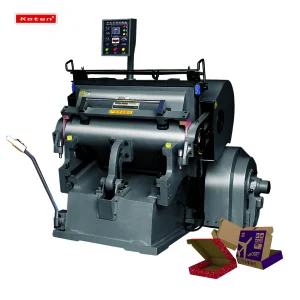
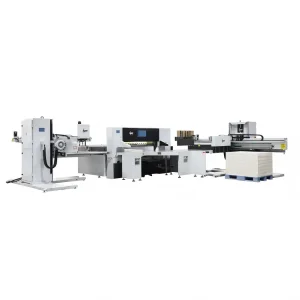
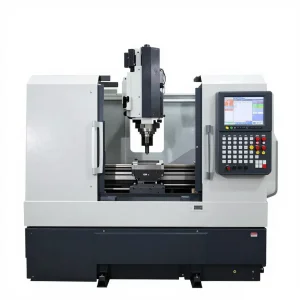
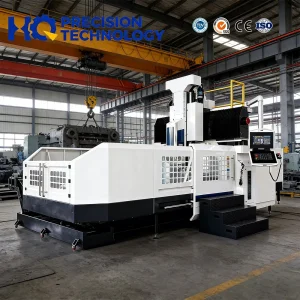
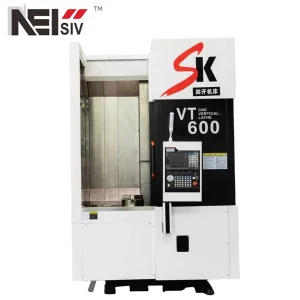
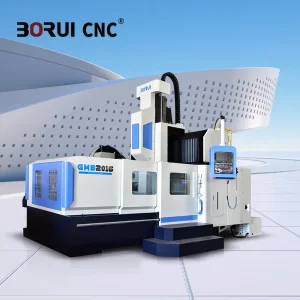
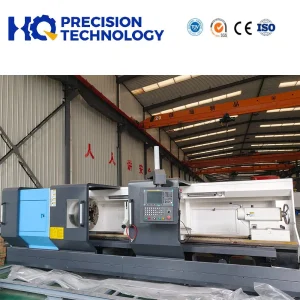
Discover our primary lineup of premium industrial fabrication systems, CNC component processing centers, and heavy-duty structural cutting arrays.
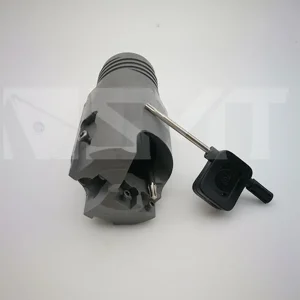
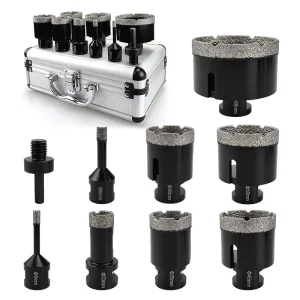
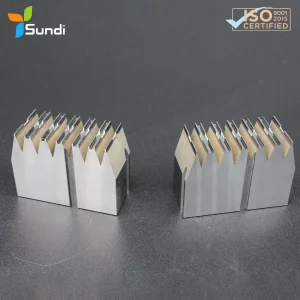
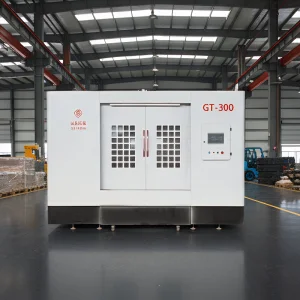
In modern manufacturing, Tungsten Carbide (WC-Co) tools stand as the bedrock of high-efficiency machining. Characterized by their exceptional hardness, high elastic modulus, and superior wear resistance at elevated temperatures, these tools are essential for cutting-edge industries such as aerospace, automotive engineering, defense, and micro-die fabrication. Unlike conventional high-speed steels (HSS), tungsten carbide possesses a composite structure where hard tungsten carbide particles are cemented within a ductile cobalt metal binder matrix.
Optimizing the microstructure of tungsten carbide requires deep engineering expertise. Selecting the appropriate grain size—ranging from submicron (0.5 to 0.8 μm) to nano-grained (<0.2 μm) substrates—directly impacts the balance between hardness and transverse rupture strength (TRS). For instance, ultra-fine micro-grain compositions provide the sharp, chipping-resistant edges required to machine abrasive aerospace composites, while coarser grain grades excel in heavy-duty interrupted cutting conditions such as indexable milling operations.
Dongguan Carto Tool Co., Ltd. is a professional manufacturer specializing in industrial cutting tools, CNC machining tools, milling systems, turning solutions, and precision metal cutting technologies. The company is dedicated to providing high-performance tooling solutions for modern manufacturing industries, including automotive, aerospace, mold processing, machinery production, and general metal fabrication.
Since its establishment, Carto Tool has developed from a small-scale cutting tool workshop into a specialized industrial tooling supplier with integrated R&D, production, and quality control capabilities. In its early stage, the company focused on basic turning and milling tool production for local machining workshops. With the rapid growth of China’s manufacturing sector, Carto Tool expanded its technology base and began developing more advanced CNC-compatible cutting systems to meet higher precision and efficiency requirements.
During its development phase, the company invested in carbide material research, coating technology improvements, and CNC tool geometry optimization. It introduced modern production lines and precision grinding equipment to ensure stable performance and long tool life. At the same time, Carto Tool strengthened its testing systems to improve cutting accuracy, wear resistance, and thermal stability across different machining environments.
Today, Dongguan Carto Tool Co., Ltd. serves global industrial clients with a wide range of cutting tool solutions designed for high-speed, high-precision, and heavy-duty applications. The company continues to focus on innovation in CNC machining efficiency, metal cutting performance, and cost optimization for manufacturers. With a commitment to quality and engineering excellence, Carto Tool aims to become a trusted international supplier in the industrial cutting tools industry, supporting smarter and more efficient global manufacturing systems.

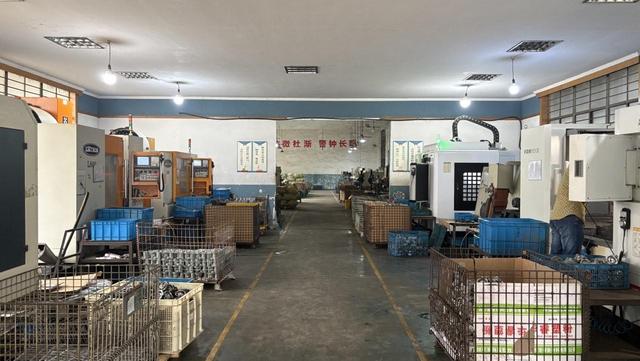
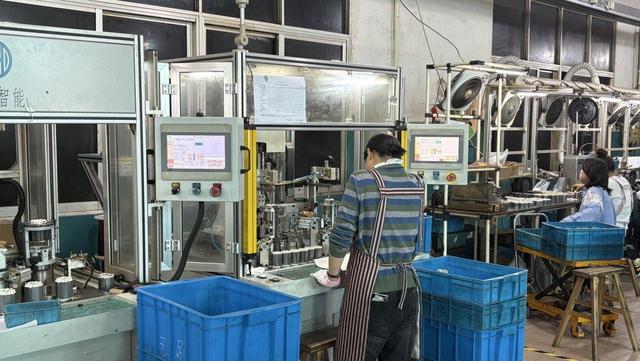
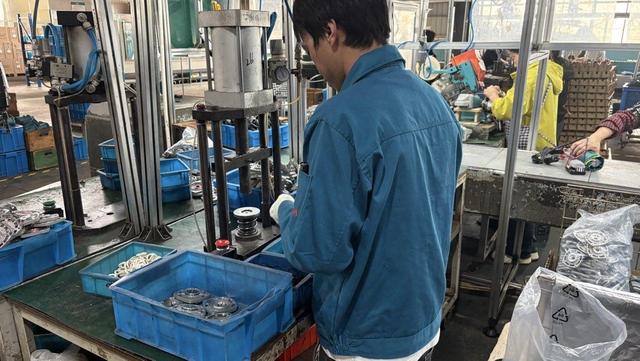

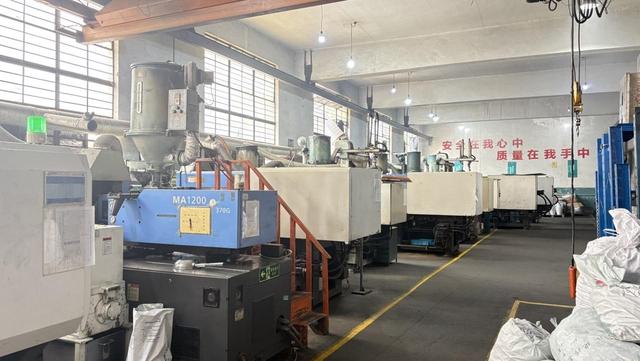
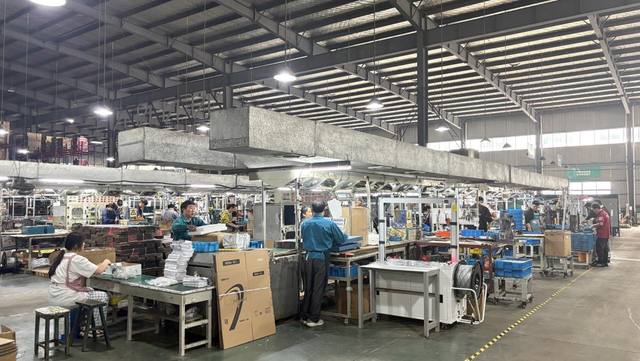
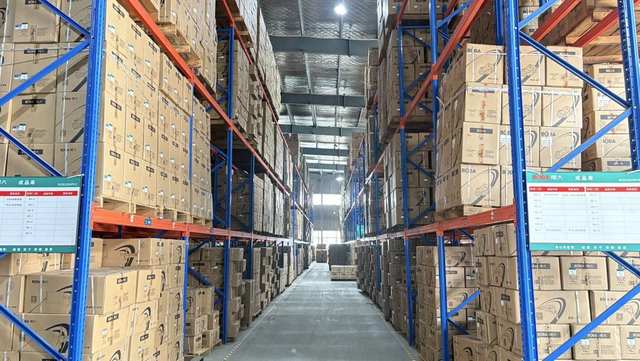
China commands over 80% of the world’s raw tungsten reserves, making it the global epicentre for hard metal research, supply chain integration, and cost-effective manufacturing. By partnering directly with a leading factory like Carto Tool, global procurement officers and distributors secure a series of structural, technological, and logistical advantages:
Direct integration with domestic ammonium paratungstate (APT) refineries ensures stable pricing, continuous availability, and pure material standards free from trace contaminants.
Our facility runs high-end ANCA, Walter, and Rollomatic CNC grinding centers to output micro-geometries with tolerances as tight as 0.002 mm.
We apply nano-structured AlTiN, TiAlN, TiSiN, and Diamond-like Carbon (DLC) coatings in-house, drastically reducing cycle times while improving film adhesion.
From custom step drills to specialized profile inserts, our engineering team designs and delivers tailor-made cutting profiles within short lead times.
For international sourcing directors, buying industrial tooling is not merely a transaction; it is a critical calculation of Total Cost of Ownership (TCO). High-volume buyers prioritize tool life predictability, batch-to-batch uniformity, and technical support. When evaluating a Chinese exporter, the following criteria must be satisfied to ensure high-performance reliability:
Every manufacturing sector presents unique mechanical challenges. Tungsten carbide tool geometry must adapt to the physical properties of the workpiece material. Below are key industrial applications and our corresponding tooling solutions:
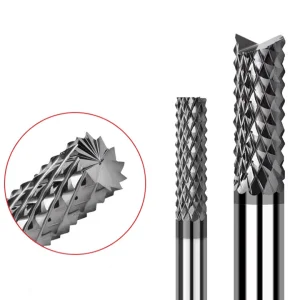
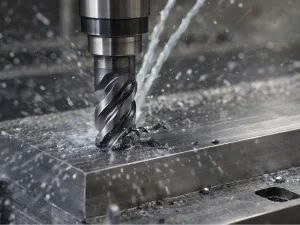
Machining Carbon Fiber Reinforced Plastics (CFRP) and titanium alloys presents a duality of challenges: severe abrasive wear and intense heat buildup. We provide Customized Diamond Coated End Mills that feature multi-flute designs, high helix angles, and genuine CVD diamond films. The crystalline diamond layer acts as a wear barrier, preserving cutting edge sharpness to prevent delamination and fiber pullout.
For hydraulic cylinders, naval propeller shafts, and oil-gas drilling equipment, achieving straight deep holes requires specialized systems. Our Indexable BTA Deep Hole Drills (Type I Drill Head) feature optimized chip breakers and guide pads. By utilizing indexable carbide inserts instead of solid brazed heads, operators minimize downtime and maintain consistent tool diameters over extended drilling lengths.
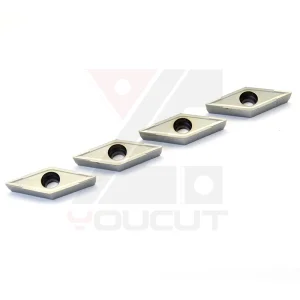
Mass production of transmission gears, drive axles, and engine housings requires maximum metal removal rates (MRR) and long tool life. Our range of high-speed DLC-coated turning inserts and indexable milling systems allow automotive parts manufacturers to operate at elevated surface speeds while maintaining sub-micron dimensional stability.
Nano-grain carbide substrates feature a grain size below 0.2 microns, offering extremely high hardness and wear resistance, making them ideal for machining abrasive materials like carbon fiber. Micro-grain substrates, typically 0.5 to 0.8 microns, offer a balanced ratio of hardness and toughness, suitable for general milling and turning operations.
CVD (Chemical Vapor Deposition) coatings are thicker (often 5–20 microns) and provide excellent thermal barriers for high-speed continuous turning of steels and cast irons. PVD (Physical Vapor Deposition) coatings are thinner (2–5 microns), have smoother surface finishes, and produce sharper cutting edges, which are critical for milling, drilling, and machining stainless steels or heat-resistant alloys.
We employ a multi-stage quality assurance system, utilizing high-magnification optical comparators, laser measuring systems, and ultrasonic flaw detectors. We control the process from raw powder testing to final run-out inspections to guarantee that every batch meets standard tolerances.
HIP sintering subjects the carbide component to simultaneous high temperature and gas pressure. This process eliminates internal micro-voids and porosity, raising the density to nearly 100% of theoretical limits, which dramatically increases the transverse rupture strength and prevents premature tool breakage.
Explore our technical range of solid carbide end mills, DLC turning inserts, multi-axis milling components, and high-performance mold parts.
 Carto Tool