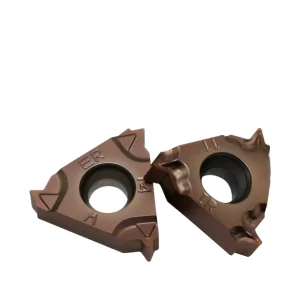
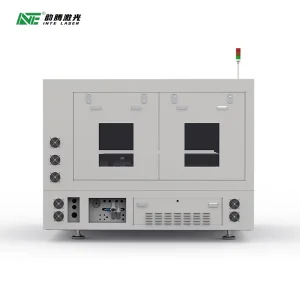
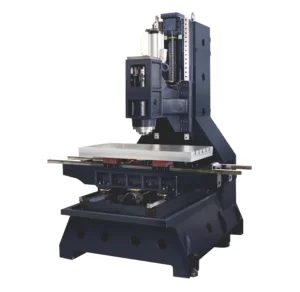
Explore our leading high-performance hardware systems, designed to maximize material removal rates and extend tool life cycle paths.
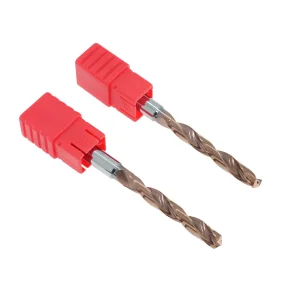
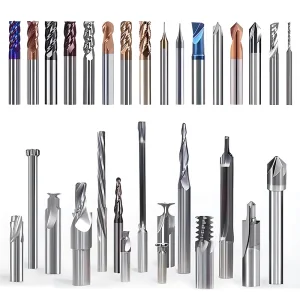
The industrial tooling landscape is undergoing a profound paradigm shift driven by digital integration, metallurgical advancements, and demand for extreme precision. Modern tooling innovation is no longer limited to the hardness of the base substrate. Today, it encompasses specialized geometries, sub-micron tolerances, and interactive thermodynamic management.
Key trends rewriting the global standard include:
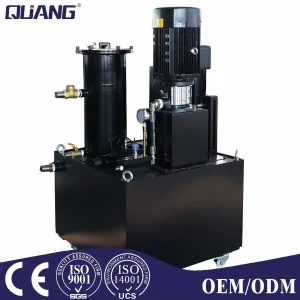
Integrating high-pressure internal cooling structures with tooling setups prevents deformation, maintaining micron-level accuracy during high-speed metal removal cycles.
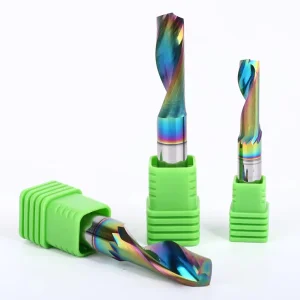
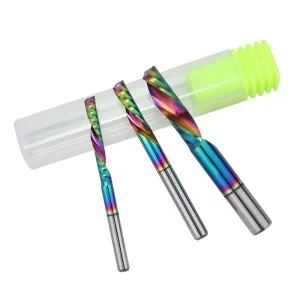
By engineering optimized multi-layered AlTiN, TiAlN, and DLC coatings on premium tungsten carbide cores, tools achieve superior wear resistance up to HRC65+ operations.
For Tier-1 automotive, aerospace, and electronics manufacturing clients, sourcing tooling is not simply a transactional procurement of hardware; it is a critical calculation of total manufacturing reliability.
Global aerospace and automotive lines demand tooling suppliers that deliver dimensional consistency down to ±0.002mm, ensuring predictable component geometries over large production lots.
Unplanned downtime is the single greatest cost driver. Tooling must exhibit predictable wear patterns to schedule tool-change intervals perfectly within automated system cycles.
Procurement offices mandate comprehensive material certifications, heat treatment logs, ISO 9001:2015 tracking, and full compliance documentation to guarantee supply chain integrity.
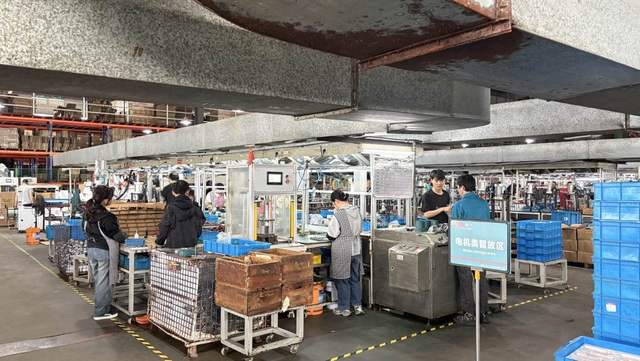
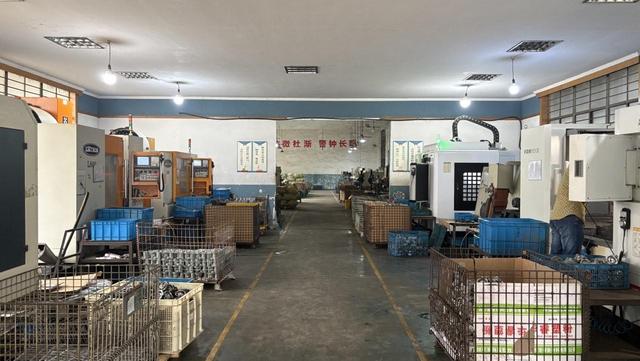
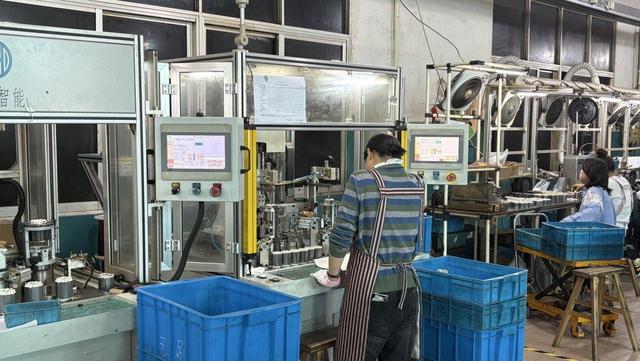
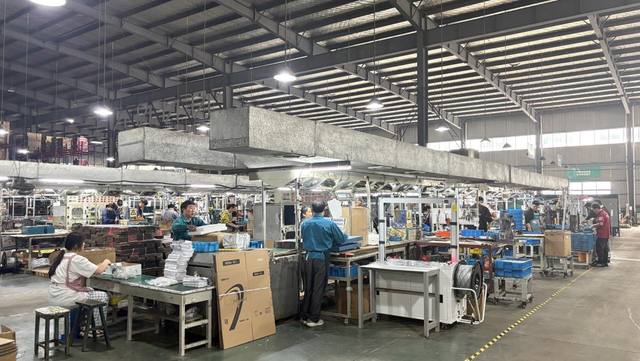
China's manufacturing sector has evolved from high-volume output to intelligent, digitally integrated Factory 4.0 architectures. In the tooling sector, this manifests as automated manufacturing lines where high-precision grinding machines operate under continuous optical inspection loops.
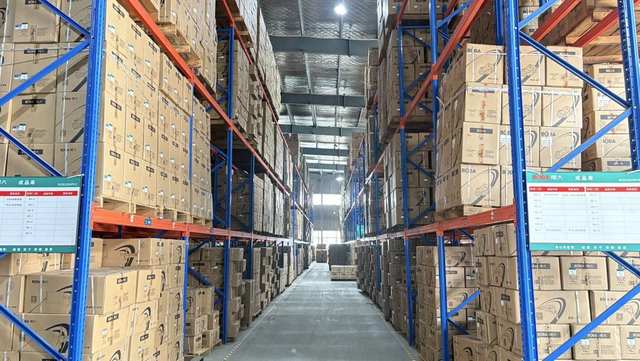
Our advanced manufacturing footprint utilizes automated logistics, precision material sorting, and adaptive control grinding processes to achieve dynamic pricing models without compromising the strict standards expected by international buyers.
By integrating raw material synthesis, precision heat treating, CVD/PVD coating, and performance inspection under one ecosystem, we eliminate global logistics choke points and provide unmatched speed-to-market.
Our specialized industrial tooling range is optimized across various localized manufacturing contexts, offering unparalleled stability and efficiency.
Optimized for profiling titanium alloys and carbon-fiber-reinforced polymers (CFRP). Our tools are engineered with high thermal dispersion capabilities to maintain edge integrity even under high-friction parameters.
Featuring premium tool coatings designed to cut through hardened die steels (up to HRC65) with ease. Our ball nose and flat end mills provide ultra-fine surface finishes, minimizing manual polishing requirements.
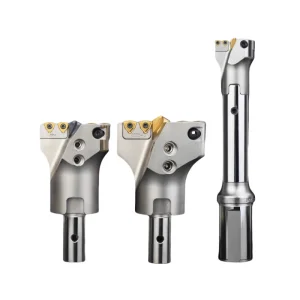
Utilizing our large-diameter indexable U-Drills with integrated internal coolant channels, operators can execute continuous, deep drilling depths from 45mm up to 200mm while ensuring excellent chip evacuation.
Dongguan Carto Tool Co., Ltd. is a professional manufacturer specializing in industrial cutting tools, CNC machining tools, milling systems, turning solutions, and precision metal cutting technologies. The company is dedicated to providing high-performance tooling solutions for modern manufacturing industries, including automotive, aerospace, mold processing, machinery production, and general metal fabrication.
Since its establishment, Carto Tool has developed from a small-scale cutting tool workshop into a specialized industrial tooling supplier with integrated R&D, production, and quality control capabilities. In its early stage, the company focused on basic turning and milling tool production for local machining workshops. With the rapid growth of China’s manufacturing sector, Carto Tool expanded its technology base and began developing more advanced CNC-compatible cutting systems to meet higher precision and efficiency requirements.
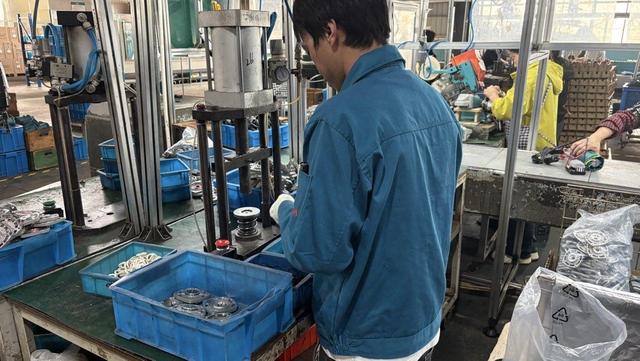
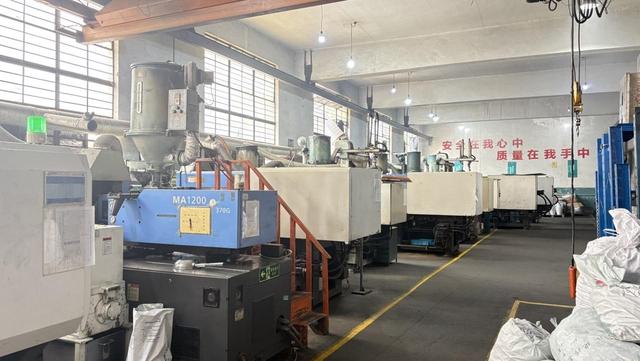
During its development phase, the company invested in carbide material research, coating technology improvements, and CNC tool geometry optimization. It introduced modern production lines and precision grinding equipment to ensure stable performance and long tool life. At the same time, Carto Tool strengthened its testing systems to improve cutting accuracy, wear resistance, and thermal stability across different machining environments.
Today, Dongguan Carto Tool Co., Ltd. serves global industrial clients with a wide range of cutting tool solutions designed for high-speed, high-precision, and heavy-duty applications. The company continues to focus on innovation in CNC machining efficiency, metal cutting performance, and cost optimization for manufacturers. With a commitment to quality and engineering excellence, Carto Tool aims to become a trusted international supplier in the industrial cutting tools industry, supporting smarter and more efficient global manufacturing systems.
Expert answers to complex inquiries about CNC operations, metallurgical specifications, and global sourcing parameters.
High-pressure coolant systems (operating at 70 Bar / 1000 PSI or higher) break through the vapor barrier generated by intense heat during metal cutting. By targeting the coolant directly at the tool-chip interface, chip evacuation is dramatically accelerated, thermal deformation is minimized, and tool life increases by up to 200% compared to traditional flood cooling methods.
The HRC (Rockwell Hardness Scale) rating indicates the hardness of the base materials the end mill is engineered to machine. HRC45 is ideal for softer metals like aluminum alloys, copper, and general plastics. HRC55 is optimized for carbon steels, alloy steels, and pre-hardened materials. HRC65 tools feature specialized ultra-fine micro-grain tungsten carbide substrates coupled with heat-resistant coatings (like TiAlN or DLC) designed specifically to machine hardened tool steels, die steel, and advanced superalloys without losing their sharp cutting edges.
Systems like the Taiwan Syntec control and Italian CAD/CAM control allow for real-time mathematical calculations of tool center points during 5-axis simultaneous movements. These controllers support pre-reading of thousands of blocks of G-code, dynamically adjusting feed rates to avoid geometric deviation during intricate curved cuts or sudden direction changes, which prevents tool breakage and ensures flawless surface consistency.
The main variables are the internal coolant volume, pocket design stability, and indexable insert configurations. U-Drills use a central and peripheral insert layout. Ensuring these inserts have matching wear characteristics prevents the drill from deflecting off-center in deep runs (45mm to 200mm). The body must also have high torsional rigidity and polished helical flutes to sweep heavy, broken chips out without scoring the hole surface.
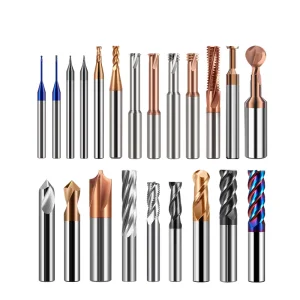
Select from our highly engineered industrial milling, threading, structural shaping, and heavy-duty cutting equipment.

 Carto Tool