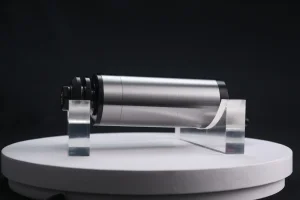
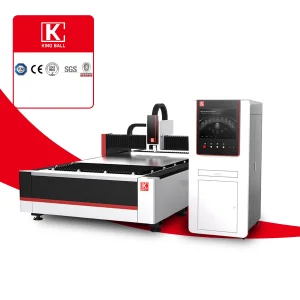
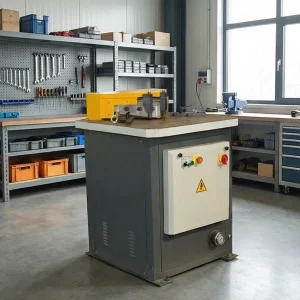
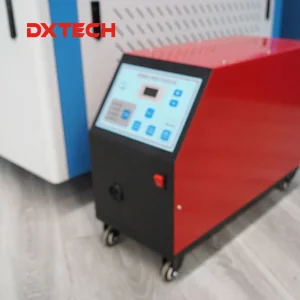
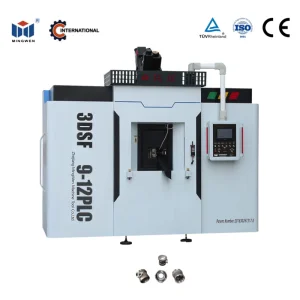
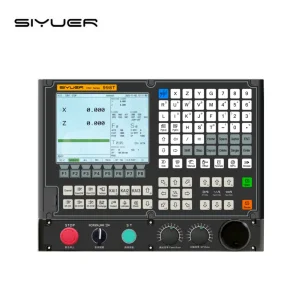
Featured ultra-precision engineering modules optimized for direct deployment in Massachusetts' leading manufacturing plants.
The Greater Boston area, spanning the historic Route 128 tech corridor to Worcester and southern New Hampshire, stands as a premier global hub for high-complexity, high-value manufacturing. Unlike markets dominated by commodity consumer goods, New England's production economy relies heavily on advanced aerospace systems, medical devices (implants, surgical instruments), and defense technologies.
These sectors process specialized, difficult-to-machine materials including titanium alloys (Ti-6Al-4V), cobalt-chrome, nickel-based superalloys (Inconel 718), and high-strength stainless steels. While solid carbide tooling dominates certain operations, High-Speed Steel (HSS) and Powder Metallurgy HSS (PM-HSS) cutting systems remain indispensable. They offer superior fracture toughness, high-speed impact resistance, and structural stability under variable cutting loads, preventing the catastrophic chipping common to carbide tools in interrupted cuts.
Local contract manufacturers and OEMs demand tooling solutions that minimize cycle times, eliminate tool breakage, and maintain strict tolerances down to the sub-micron level. Dongguan Carto Tool Co., Ltd. serves this market by bridging the gap between advanced metallurgy and high-yield operational efficiency.
In Boston's medical device manufacturing sector, surface finish (Ra values below 0.4 μm) and dimensional accuracy are critical. Tools must cut cleanly without inducing work hardening or micro-cracks in orthopedic implants or endoscopic components. Our specialized PM-HSS substrates with multi-layered nanocomposite PVD coatings are designed specifically to meet these requirements.
Our tooling systems leverage advanced metallurgical control and coating developments to optimize production performance. The technical roadmap details the specific advantages engineered into our tooling systems:
| Material Class | Alloy Composition | Rockwell Hardness (HRC) | Fracture Toughness (MPa·m½) | Primary Industrial Application |
|---|---|---|---|---|
| M2 Premium HSS | W6Mo5Cr4V2 | 63 - 65 | 32 - 36 | General milling, drilling, and tapping of mild steels and medium-tensile alloys. |
| M35 Cobalt HSS | W6Mo5Cr4V2Co5 | 65 - 67 | 28 - 32 | Interrupted cuts, medium-hard steels, and high-strength structural materials. |
| M42 Super Cobalt | W2Mo9Cr4V8Co8 | 67 - 69 | 24 - 28 | Heavy-duty aerospace machining, titanium alloy roughing, and stainless steel cutting. |
| PM-HSS (Powder) | Micro-fine Powder Alloy | 68 - 70+ | 35 - 40 | Ultra-precision medical component milling, high-feed rates, and micro-machining. |
We apply AlTiN (Aluminum Titanium Nitride) and TiAlCrN multi-layered coatings through physical vapor deposition (PVD). This process enables tool surfaces to withstand temperatures up to 900°C without oxidizing, maintaining edge sharpness for longer periods.
Our tools undergo computer-controlled liquid nitrogen deep tempering at -196°C. This transformation changes retained austenite into hard martensite, resulting in a 30% increase in tool life during high-impact operations.
Variable helix angles and non-equal flute spacing help reduce harmonic resonance and vibration. This allows for higher feed rates and cleaner cuts, even in less rigid older-model machine tools.
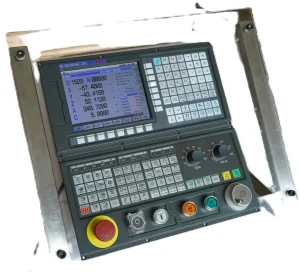
Modern manufacturing requires more than standalone cutting tools; it demands integrated cutting systems. High-Speed Steel tooling performance is directly tied to the rigidity of the holder, the accuracy of the spindle, the cutting fluid concentration, and the CNC controller parameters.
Dongguan Carto Tool Co., Ltd. provides full system support by analyzing the entire machining setup. Our engineering team assists Boston-based facilities in adjusting feed rates, chip loads, and depth of cut to match the dynamic torque characteristics of their specific machinery, including DMG MORI, Haas, and Mazak systems.
We design tool shanks and holders to limit runout to under 0.003mm. By optimizing contact surface geometry, we prevent micro-slippage inside the chuck under heavy torque loads, reducing premature wear on the tool's cutting edge.
Our designs feature internal coolant channels that deliver fluids directly to the cutting zone. This design helps evacuate chips quickly, prevents thermal shock, and reduces the heat generated during high-speed cutting.
Dongguan Carto Tool Co., Ltd. has grown from a specialized local cutting tool workshop into a modern industrial supplier with fully integrated R&D, production, and quality control capabilities. Our manufacturing facility in Dongguan, China operates under a Factory 4.0 framework, utilizing automated CNC grinding machines and smart quality-control inspection stations.
We source raw tool materials from certified steel mills in Europe and China, ensuring batch consistency. Every production run undergoes automated optical inspections using German-built Zoller measurement systems, verifying that tool dimensions conform strictly to specifications.
Our investment in research and development focuses on optimizing carbide material structures, improving coating adhesion, and refining tool geometry. Today, Carto Tool supplies global industrial clients with tooling systems designed for high-speed, high-precision, and heavy-duty metal fabrication.
By coupling advanced manufacturing processes with reliable supply chain management, we maintain stable production lead times and ship tooling systems directly to our North American distribution partners.
Our logistics and supply chain systems are optimized to serve the New England market. We hold backup inventory in key locations to provide quick replacement support, helping Boston manufacturers keep their assembly lines running with minimal downtime.
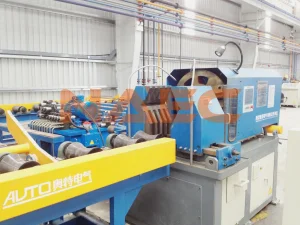
Inside Dongguan Carto Tool's facility: Precision production lines, advanced grinding centers, and cleanroom packaging.

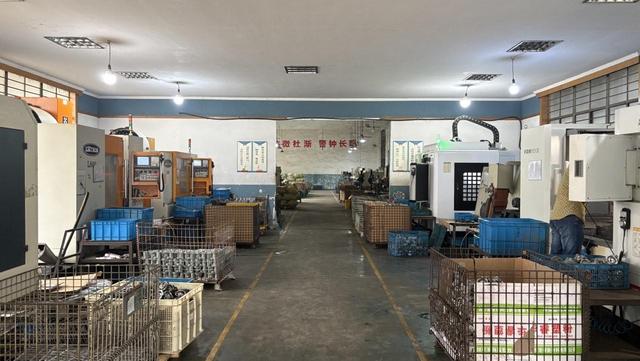
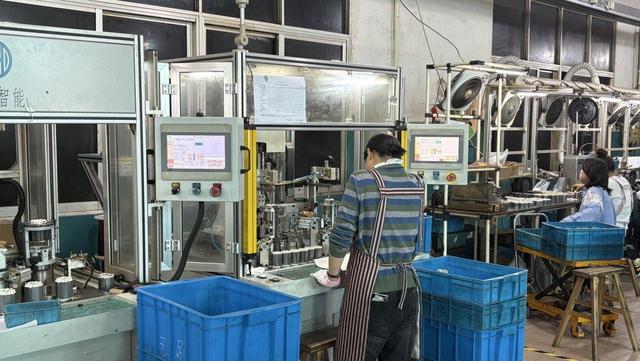
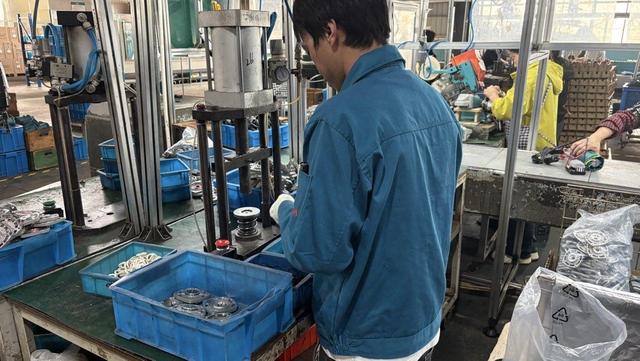

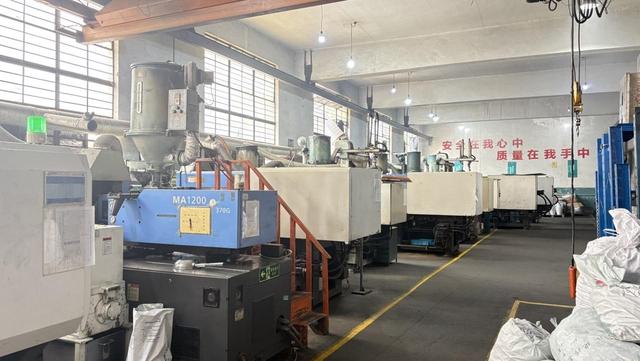
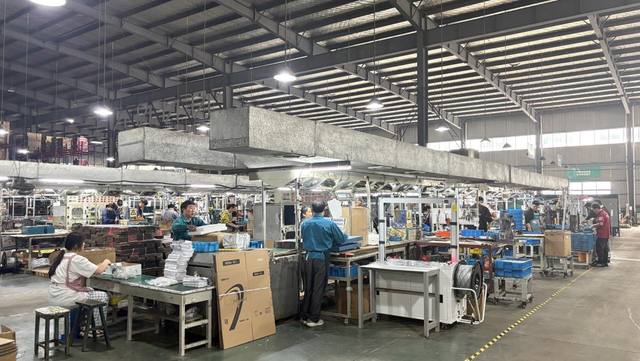

Engineered for production lines and machine shops throughout Massachusetts and neighboring states.
Operating in New England requires compliance with strict regional and national quality standards. Defense projects in Massachusetts often mandate adherence to ITAR and NIST SP 800-171, while medical device suppliers must conform to FDA QSR and ISO 13485 standards. Dongguan Carto Tool Co., Ltd. provides comprehensive certification documentation, including physical steel material test reports (MTRs), ISO 9001:2015 certifications, and REACH/RoHS compliance sheets.
We work with regional technical representatives across Massachusetts, Rhode Island, and Connecticut. Our local agents provide on-site engineering consulting, assist with tool wear audits, and recommend parameter modifications to optimize your production lines. This support helps local machine shops minimize tool consumption costs and avoid unplanned downtime.
Technical answers regarding metallurgy, tool life optimization, shipping, and customization options.
 Carto Tool