Direct supply paths of critical manufacturing tools engineered for extreme thermal fatigue resistance and ultra-exact profiling.
As Australia intensifies its domestic defense production capabilities and establishes the new Western Sydney Aerotropolis, the precision engineering and machining landscape in New South Wales is undergoing a significant paradigm shift. Aerospace manufacturing does not permit the slightest margin of deviation. Component integrity in commercial aviation, defense aerospace, and advanced orbital satellite systems is directly linked to the micro-geometry of the cutting tools deployed during roughing and finishing cycles.
With high-performance alloys such as Titanium (Ti-6Al-4V), Nickel-based Superalloys (Inconel 718), and advanced Carbon Fiber Reinforced Polymers (CFRP) representing the bulk of aerospace structural configurations, CNC workshops in Sydney require specialized tooling partnerships. Standard grade industrial tooling simply fails to manage the severe thermal and mechanical stresses encountered during these milling, turning, and grinding tasks. High wear rates, notch wear, and thermal cracking are common operational bottlenecks that compromise component compliance with strict aerospace standards (such as AS9100 and ISO 9100).
Information Gain Insight: Machining aerospace alloys requires tools with specialized coatings that remain stable past 900°C. High-performance aluminum titanium nitride (AlTiN) coatings form a protective aluminum-oxide layer under thermal stress, effectively shielding the underlying tungsten carbide substrate from localized degradation.
The Sydney industrial footprint is rapidly adapting to support the massive infrastructure development around Western Sydney International (Nancy-Bird Walton) Airport and the adjacent high-tech defense clusters. Sydney-based aerospace engineers are taking on Tier-1 and Tier-2 subcontracts for multinational aerospace primes. To maintain cost competitiveness and fulfill these rigorous contracts, local machine shops must shift from traditional high-feed tooling concepts toward ultra-precise, digitalized tooling paths.
We serve the local market by acting as a direct import partner and reliable technical consultant. Our technical expertise bridges the gap between raw tool geometries and the final surface finish criteria required for critical rotating components and structural bulkheads. By providing tools with balanced micro-geometries, variable helix angles, and optimized chip flutes, we help Sydney manufacturers eliminate chip packing and minimize part deflection during long CNC cycles.
Our solutions target key industrial domains throughout the greater Sydney and Illawarra regions:
The manufacturing process of an aerospace-grade tool is an exercise in extreme metallurgical control. The core substrate of our precision tools relies on ultra-fine or nano-grain tungsten carbide (WC) combined with a cobalt (Co) binder content optimized strictly between 6% and 12%, depending on whether the application demands maximum fracture toughness or ultimate wear resistance. If the cobalt distribution is non-homogeneous, the tool is prone to micro-chipping under cyclic loads.
Furthermore, chip geometry optimization is critical. Aerospace materials are notorious for their low thermal conductivity. For instance, titanium conducts very little of the heat generated during cutting back into the chips. Instead, roughly 75% of the heat stays concentrated right at the tool’s cutting edge. Without specialized geometry—such as radial land configurations and positive rake angles—this extreme thermal load will lead to rapid plastic deformation of the tool tip.
By leveraging Physical Vapor Deposition (PVD) technology, we apply nanostructured coatings with a thickness of only 2 to 4 microns. This ensures that the cutting edge remains exceptionally sharp, preventing work hardening of the machined material—a common point of failure that will reject a part during ultrasonic or dye-penetrant inspection phases.
We source ultra-pure cobalt and tungsten carbide raw materials, resulting in a dense, uniform grain structure that resists cyclic shear fatigue during high-speed machining.
Our PVD and CVD coatings (AlTiN, TiAlN, and specialized DLC layers) minimize friction coefficients, allowing optimal chip evacuation and reducing thermal accumulation.
Every exported batch undergoes optical and ultrasonic testing to verify surface roughness, core hardness, and concentricity before shipment to Sydney workshops.
Dongguan Carto Tool Co., Ltd. is a professional manufacturer specializing in industrial cutting tools, CNC machining tools, milling systems, turning solutions, and precision metal cutting technologies. The company is dedicated to providing high-performance tooling solutions for modern manufacturing industries, including automotive, aerospace, mold processing, machinery production, and general metal fabrication.
Since its establishment, Carto Tool has developed from a small-scale cutting tool workshop into a specialized industrial tooling supplier with integrated R&D, production, and quality control capabilities. In its early stage, the company focused on basic turning and milling tool production for local machining workshops. With the rapid growth of the global high-tech manufacturing sector, Carto Tool expanded its technology base and began developing more advanced CNC-compatible cutting systems to meet higher precision and efficiency requirements.
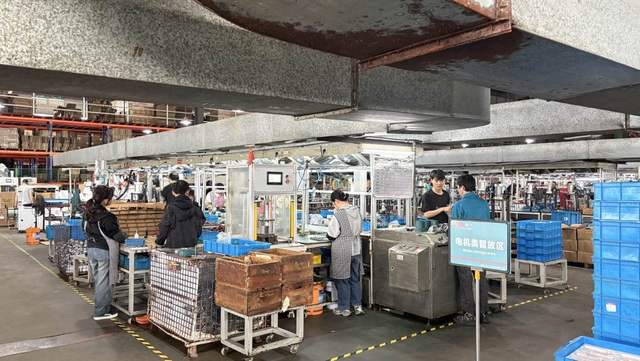
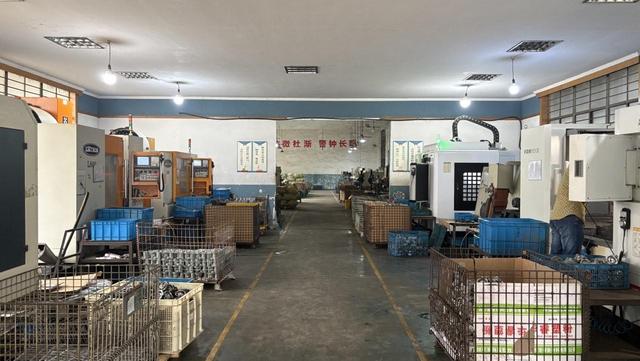
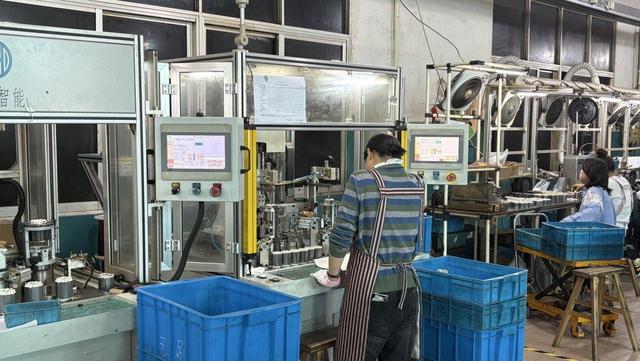
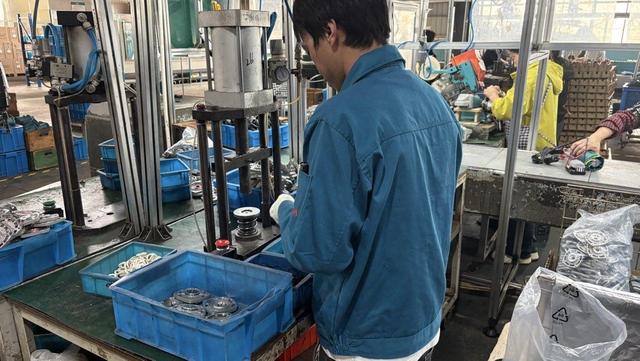
During its development phase, the company invested heavily in carbide material research, coating technology improvements, and CNC tool geometry optimization. It introduced modern production lines and precision grinding equipment to ensure stable performance and long tool life. At the same time, Carto Tool strengthened its testing systems to improve cutting accuracy, wear resistance, and thermal stability across different machining environments.
Today, Dongguan Carto Tool Co., Ltd. serves global industrial clients with a wide range of cutting tool solutions designed for high-speed, high-precision, and heavy-duty applications. The company continues to focus on innovation in CNC machining efficiency, metal cutting performance, and cost optimization for manufacturers. With a commitment to quality and engineering excellence, Carto Tool aims to become a trusted international supplier in the industrial cutting tools industry, supporting smarter and more efficient global manufacturing systems.
Our export program to Australia is structured around providing Sydney's CNC operators with immediate access to technical drawings, batch-certified metallurgical documentation, and custom tooling modifications tailored for specific aerospace component designs.
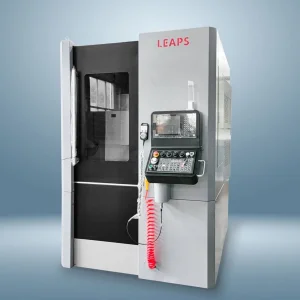
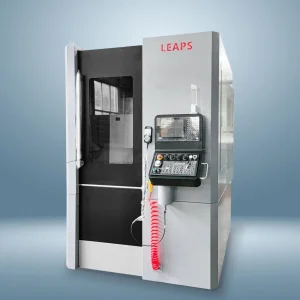
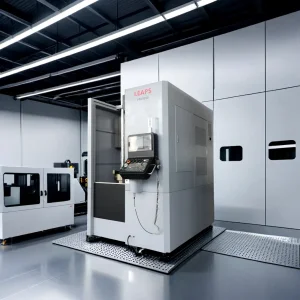
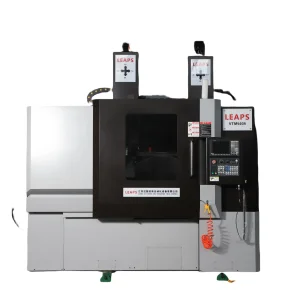
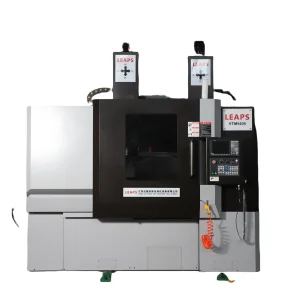
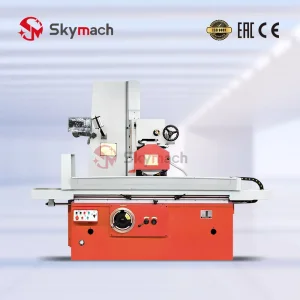
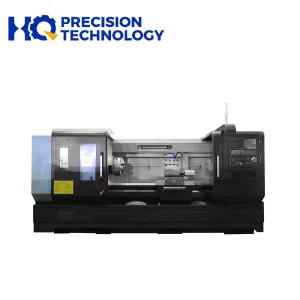
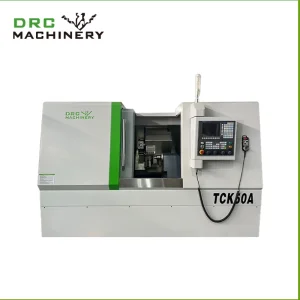
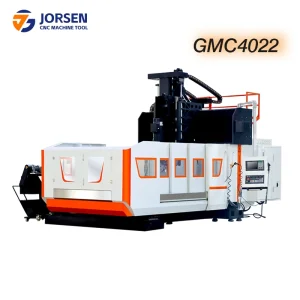
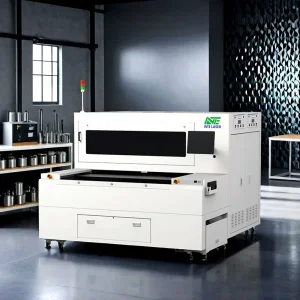
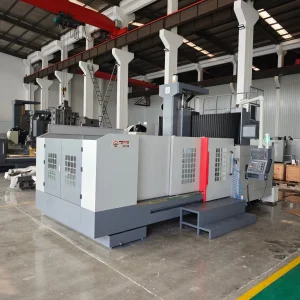
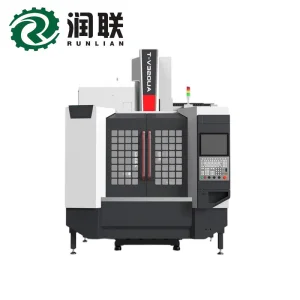
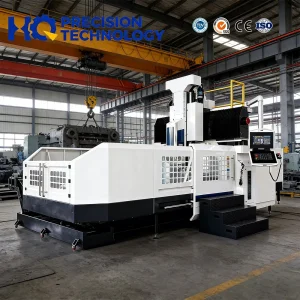
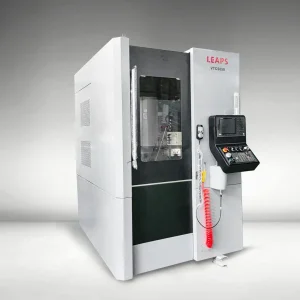
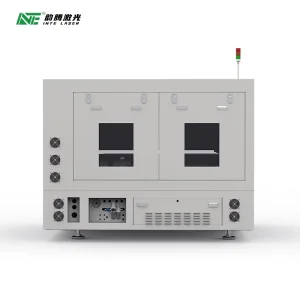
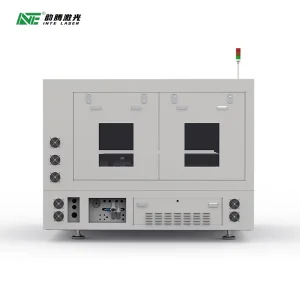
Explore our extensive catalog of CNC machines, vertical machining centers, precision grinders, and laser cutters. Engineered to withstand continuous production demands with minimal down-time.
The aerospace supply chain is transitioning from reactive tool replacement protocols to automated, sensor-driven life cycle monitoring systems. Next-generation manufacturing complexes in Sydney are adopting digital twins of tooling paths. By collecting real-time vibrational and spindle deflection data, the CNC controller can dynamically adjust feed rates to protect the tool and workpiece from catastrophic failure.
In response, Carto Tool is actively developing a pipeline of micro-grinding geometries that naturally integrate with high-pressure coolant (HPC) systems. Directing a precise jet of coolant at the shear zone at pressures exceeding 70 bar allows for instant chip breaking and immediate thermal dispersion. This development path significantly extends tool performance margins when machining tough-to-cut metals like Titanium Grade 5.
Furthermore, our future research centers around smart, adaptive geometries. These designs feature asymmetric helix steps and variable pitch configurations. By deliberately breaking the frequency harmonics generated during high-speed milling, our end mills suppress chatter. This ensures exceptionally smooth surface finishes, even in thin-walled, light-weight aircraft assemblies.
Exporting high-precision tooling systems for defense and civil aerospace structures requires adherence to rigorous QA protocols. Carto Tool operates under a comprehensive quality management system that ensures total batch traceability. Every shipment of precision cutting tools and carbide substrates destined for Sydney includes detailed materials certificates outlining chemical compositions and physical characteristics.
We work closely with logistics partners to ensure prompt delivery across metropolitan Sydney, Western Sydney, and nearby defense technology hubs in Wollongong and Newcastle. Our export documentation process is streamlined to minimize delays at Australian customs. This ensures that your CNC machining production lines stay up and running without interruption.
Providing direct answers to engineering and procurement challenges in Sydney’s aerospace sector.
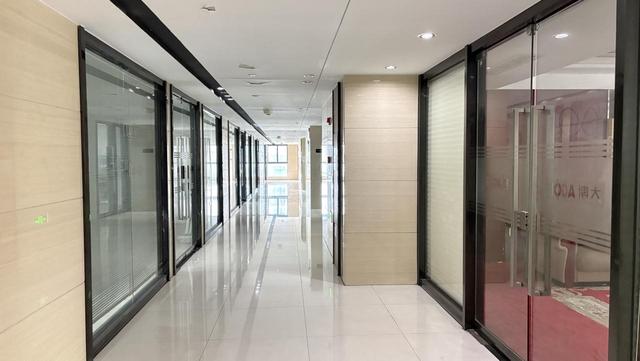
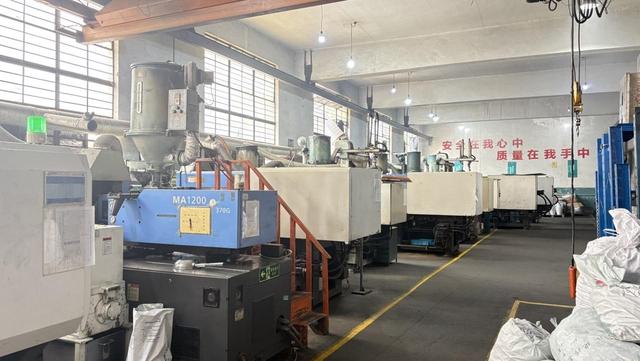
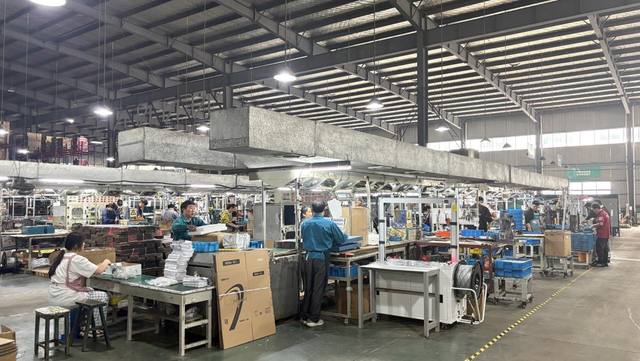
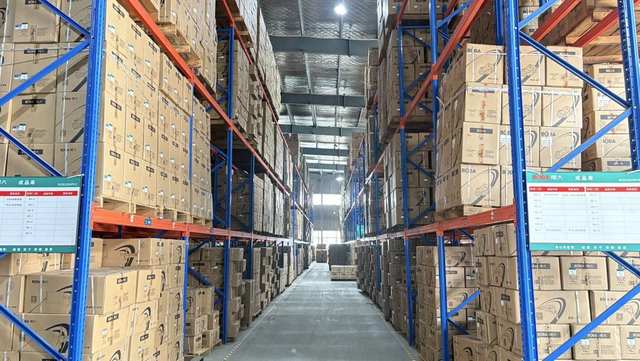
Inside Dongguan Carto Tool Co., Ltd.: Modern grinding equipment, raw material inspection systems, and advanced coating lines.
Struggling with tool wear or need to improve material removal rates on tough alloys? Get in touch for technical support and custom pricing.
Send Inquiry Now Carto Tool