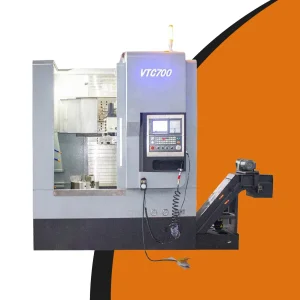
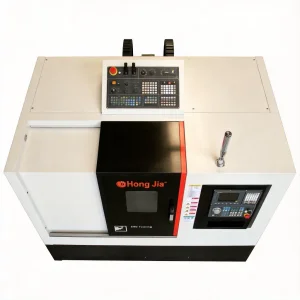
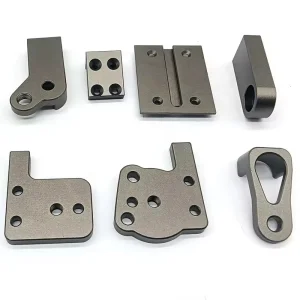
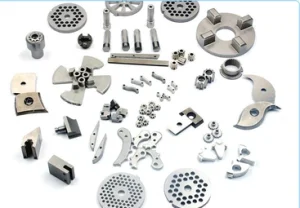
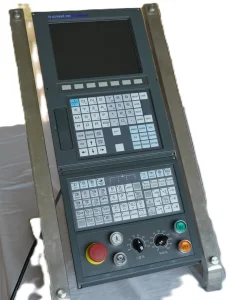
Explore our leading selection of industrial-grade tools, CNC grinders, diamond blades, and milling configurations designed for maximum uptime and material accuracy.
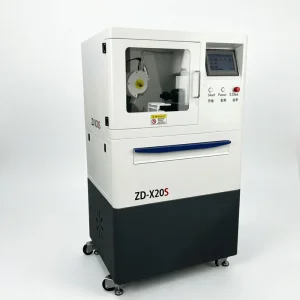
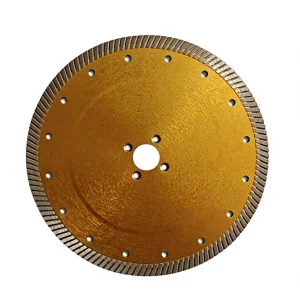
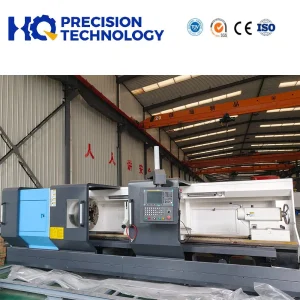
From local industrial tooling workshop to global high-precision technology provider.
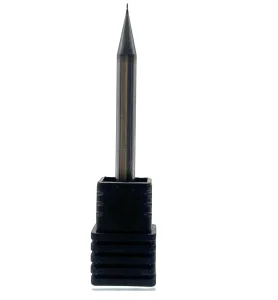
Dongguan Carto Tool Co., Ltd. is a professional manufacturer specializing in industrial cutting tools, CNC machining tools, milling systems, turning solutions, and precision metal cutting technologies. The company is dedicated to providing high-performance tooling solutions for modern manufacturing industries, including automotive, aerospace, mold processing, machinery production, and general metal fabrication.
Since its establishment, Carto Tool has developed from a small-scale cutting tool workshop into a specialized industrial tooling supplier with integrated R&D, production, and quality control capabilities. In its early stage, the company focused on basic turning and milling tool production for local machining workshops. With the rapid growth of China’s manufacturing sector, Carto Tool expanded its technology base and began developing more advanced CNC-compatible cutting systems to meet higher precision and efficiency requirements.
During its development phase, the company invested in carbide material research, coating technology improvements, and CNC tool geometry optimization. It introduced modern production lines and precision grinding equipment to ensure stable performance and long tool life. At the same time, Carto Tool strengthened its testing systems to improve cutting accuracy, wear resistance, and thermal stability across different machining environments.
Today, Dongguan Carto Tool Co., Ltd. serves global industrial clients with a wide range of cutting tool solutions designed for high-speed, high-precision, and heavy-duty applications. The company continues to focus on innovation in CNC machining efficiency, metal cutting performance, and cost optimization for manufacturers. With a commitment to quality and engineering excellence, Carto Tool aims to become a trusted international supplier in the industrial cutting tools industry, supporting smarter and more efficient global manufacturing systems.
Delivering high-accuracy configurations optimized down to critical nanometer-level alignments for specialized industrial applications.
Utilizing high-density Diamond and Titanium coatings to secure thermal and chemical resistance during intensive machining processes.
Engineered logistics ensuring on-time delivery across North America, the EU, Southeast Asia, and South America under strict compliance.
Tailoring high-durability designs to address specific manufacturing environments and high-stress workloads.
Carbon Fiber Reinforced Polymers (CFRP) require minimal delamination and thermal heat build-up. Our specialized router layouts and compression cutters shear layers cleanly, optimizing surface finish parameters.
From aluminum-matrix composites to high-strength engine castings, Carto Tool indexable milling systems guarantee continuous high-feed milling with predictable chip control and low tool wear rates.
Processing glass-fiber wind turbines demands exceptionally wear-resistant geometry. Our composite specific drills and end-mills prevent fiber tear-out at exit points, extending processing runtime.
How engineering innovations solve the intrinsic challenges of advanced structural materials.
The processing of contemporary composite materials presents high physical demands on standard cutting tools. The structural combination of highly abrasive carbon/glass fibers and tough polymeric resins accelerates abrasive wear and generates high cutting temperatures. To combat this, Carto Tool's development roadmap centers on advanced substrate selection, edge preparation, and thin-film diamond deposition.
By controlling the grain size of the raw tungsten carbide down to sub-micron and nano-grain distributions, we optimize the hardness-to-toughness balance. This prevents microscopic chipping at the cutting edges when cutting high-tensile composites.
Our Chemical Vapor Deposition (CVD) process deposits a pure microcrystalline and nanocrystalline diamond matrix directly onto the carbide surface. This offers hardness values approaching natural diamond (up to 10,000 HV), lowering thermal expansion and maintaining a low friction coefficient.
"Optimizing the geometry of cutting edges is key. Using advanced positive rake angles combined with specialized clearance zones allows for clean fiber slicing instead of fracture-inducing compression."
By blending left-hand and right-hand helical flute structures in our compression end-mills, the cutting forces are directed inward toward the center of the composite stack. This approach prevents delamination at both the top and bottom faces of the workpiece.
High cobalt dispersion provides outstanding edge toughness, minimizing catastrophic fractures under interrupted cutting loads.
Optimized adhesion layer prevents premature coating delamination, delivering up to 10x longer tool life than uncoated tooling.
Provides highly effective chip evacuation when milling softer non-ferrous alloys, avoiding sticky built-up edge (BUE).
Maintains strict runout parameters, allowing high spindle speeds without compromising overall machine spindle life.
Operational control, automated grinding stations, and our integrated manufacturing plant in Dongguan.
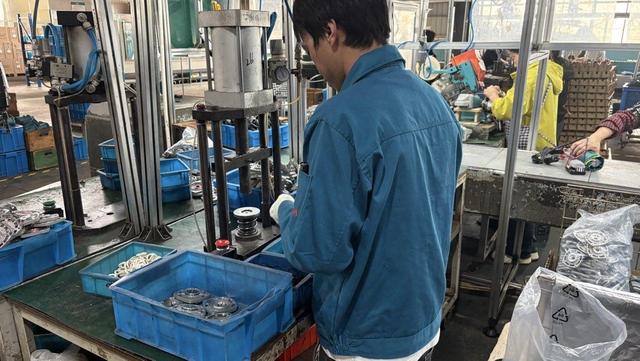
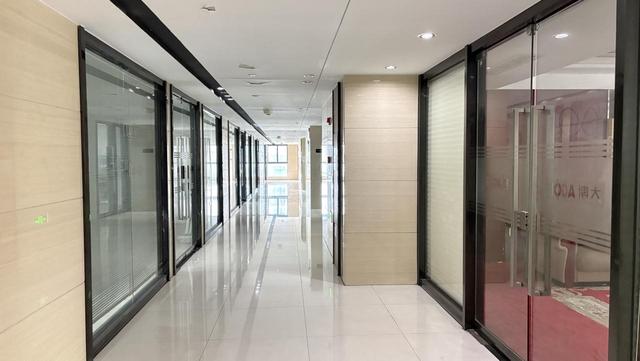
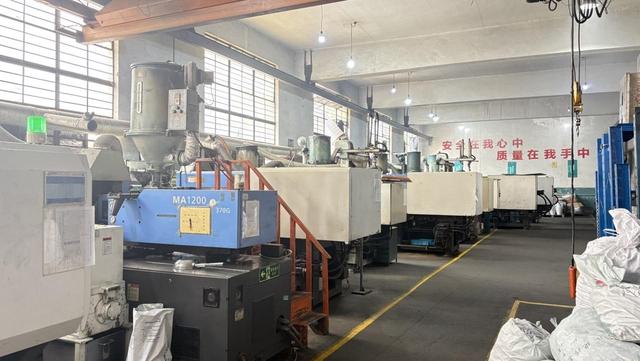
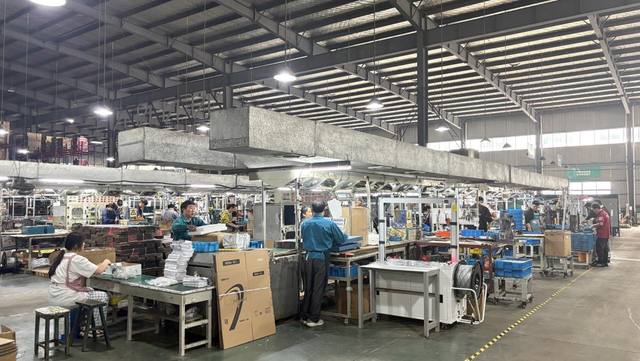
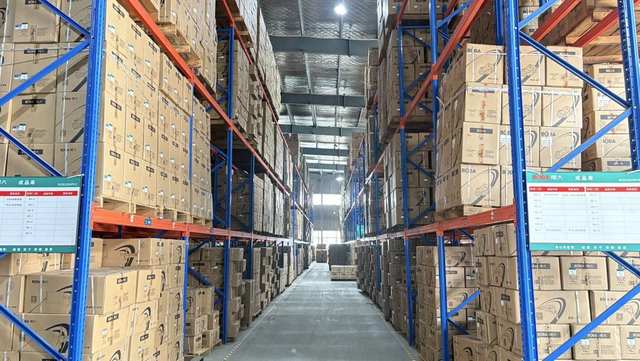
Our production facilities utilize modern technology and automated processes to ensure high manufacturing consistency. By using specialized tool grinders and optical inspection platforms, we maintain narrow tolerance bands across large production runs.
Integrating local raw material supplies with internal CNC capabilities allows us to adapt production schedules rapidly to meet changing customer demands. This localized supply chain model reduces dependencies and helps maintain stable delivery timelines even during global logistics challenges.
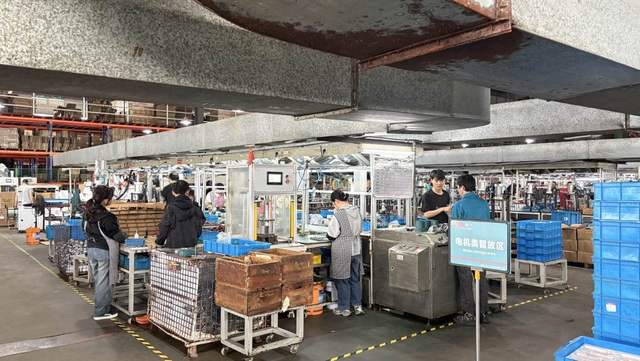
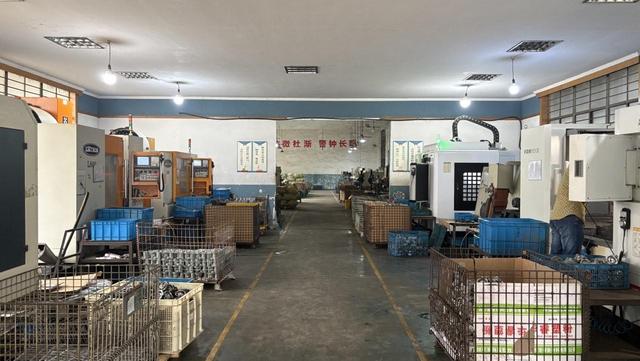
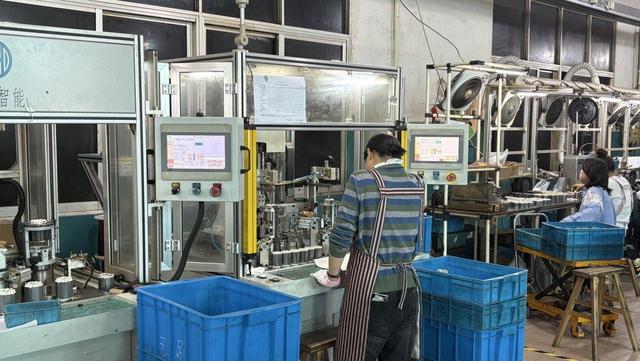
Streamlining specialized production, OEM/ODM parameters, and worldwide delivery channels.
Purchasing tooling from overseas factories requires clear communication and rigorous quality checks. Carto Tool provides comprehensive engineering support from the design phase to final delivery to ensure our products integrate smoothly into your production workflows.
Meeting international standards and providing dedicated technical support to global distributors.
Every step, from raw material procurement to final tool inspection, is documented and monitored under an ISO 9001 certified quality management system.
We source our tungsten carbide and binder alloys from certified suppliers, ensuring consistent metallurgical properties across production runs.
Our sales and support teams communicate clearly in English to help resolve tooling challenges, optimize cutting speeds, and refine feed rates.
Expert technical insights regarding composite machining and global procurement procedures.
Discover our heavy-duty indexable milling systems, high-rigidity turning machines, and advanced CNC controllers.

 Carto Tool