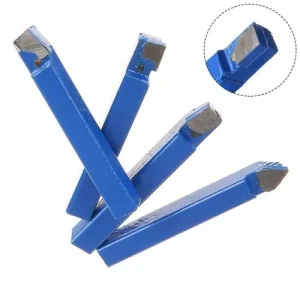
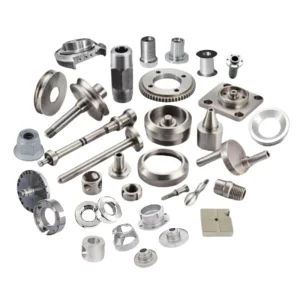
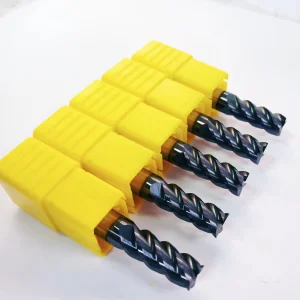
Explore high-performance solutions optimized for high-speed machining, precision lathe turning, and heavy-duty metal fabrication.
In the era of smart manufacturing, active cutting tools represent the backbone of mechanical processing, metal fabrication, and advanced CNC tooling systems. The market is shifting from standard cutting tools to highly engineered, adaptive cutting geometries designed to handle exotic materials such as titanium alloys, carbon fiber reinforced plastics (CFRP), and hardened tool steels.
Global demand is driven by the rise of automation in the aerospace, automotive, energy, and medical device industries. Modern active cutting tools are no longer passive components; they are engineered systems utilizing state-of-the-art materials science, including nano-structured coatings, optimized rake angles, and smart coolant delivery channels. Industrial end-users demand minimal runout, extreme thermal stability, and prolonged tool life to minimize costly spindle downtime on multi-axis CNC machining centers.
Supply chain resilience and the need for immediate technical support are changing how global procurement managers select suppliers. Relying on single-source traditional brands is giving way to diversified OEM partnerships that offer comparable engineering quality with significantly reduced lead times.
From material substrate innovations to cloud-connected tool management systems, the active cutting tools industry is evolving rapidly to keep pace with modern factory demands.
Physical Vapor Deposition (PVD) and Chemical Vapor Deposition (CVD) methods are applying nano-crystalline layers (such as AlTiN, TiAlCrN, and diamond-like coatings) to cutting edges. These micro-thin layers function as thermal barriers, reducing heat transfer into the substrate and preventing chemical wear.
Ultra-fine and sub-micron grain tungsten carbide substrates provide an optimal balance of hardness and toughness. This material composition prevents micro-chipping at the tool's cutting edge, even during interrupted cuts or unstable milling setups.
Optimized geometries allow modern end mills and indexable inserts to handle extreme feed rates and cutting speeds. Dynamic milling tool paths generate thin chips, shifting thermal energy from the tool to the chip for maximum cycle efficiency.
China’s high-precision manufacturing clusters have integrated Industry 4.0 concepts to offer unprecedented supply chain resilience, custom engineering, and rapid product development pipelines.
The manufacturing ecosystem in regions like Guangdong has transitioned from high-volume production to smart, flexible manufacturing. Industrial tool manufacturers use networked five-axis CNC grinding machines (e.g., ANCA, Walter) paired with automated quality-assurance scanners (such as Zoller) to produce tools with sub-micron consistency.
By using closed-loop manufacturing systems, Chinese tooling factories can continuously adjust tool geometry parameters during production. This integration of industrial software and raw materials sourcing makes it possible to scale production from high-precision custom runs to massive industrial batches with no loss in quality.
How smart Chinese manufacturers compare against traditional Western tool suppliers:
Procuring industrial tooling requires a thorough vetting process. To help procurement teams optimize their sourcing strategies, use this evaluation framework when selecting an active cutting tools supplier.
| Evaluation Parameter | Technical Specification Details | Critical Success Metrics |
|---|---|---|
| Substrate Integrity | Tungsten carbide chemical composition (cobalt content and grain size). | TRS (Transverse Rupture Strength) > 4000 N/mm²; Hardness > 92 HRA. |
| Coating Adhesion & Type | PVD/CVD layers matching workpiece material properties. | Thickness of 2μm - 5μm; high scratch test adhesion critical values (Lc). |
| Geometric Tolerance | Outer diameter (OD), shank diameter, and runout limits. | Runout (T.I.R) < 0.005 mm; tolerance class h6 or h4. |
| Process Verification | In-process testing and final quality inspections. | 100% inspection reporting with certified laser scanners (Zoller/Walter). |
| Lead Times & Logistics | Prototyping, full production run, and packaging security. | On-time delivery rate > 98.5%; anti-corrosive sealed plastic packaging. |
Dongguan Carto Tool Co., Ltd. is a professional manufacturer specializing in industrial cutting tools, CNC machining tools, milling systems, turning solutions, and precision metal cutting technologies. The company is dedicated to providing high-performance tooling solutions for modern manufacturing industries, including automotive, aerospace, mold processing, machinery production, and general metal fabrication.
Since its establishment, Carto Tool has developed from a small-scale cutting tool workshop into a specialized industrial tooling supplier with integrated R&D, production, and quality control capabilities. In its early stage, the company focused on basic turning and milling tool production for local machining workshops. With the rapid growth of China’s manufacturing sector, Carto Tool expanded its technology base and began developing more advanced CNC-compatible cutting systems to meet higher precision and efficiency requirements.
During its development phase, the company invested in carbide material research, coating technology improvements, and CNC tool geometry optimization. It introduced modern production lines and precision grinding equipment to ensure stable performance and long tool life. At the same time, Carto Tool strengthened its testing systems to improve cutting accuracy, wear resistance, and thermal stability across different machining environments.
Today, Dongguan Carto Tool Co., Ltd. serves global industrial clients with a wide range of cutting tool solutions designed for high-speed, high-precision, and heavy-duty applications. The company continues to focus on innovation in CNC machining efficiency, metal cutting performance, and cost optimization for manufacturers. With a commitment to quality and engineering excellence, Carto Tool aims to become a trusted international supplier in the industrial cutting tools industry, supporting smarter and more efficient global manufacturing systems.
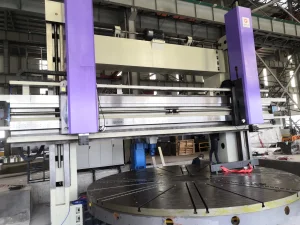
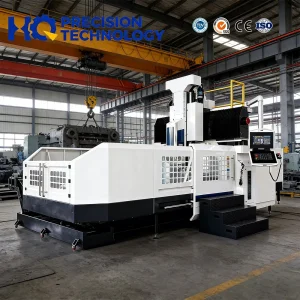
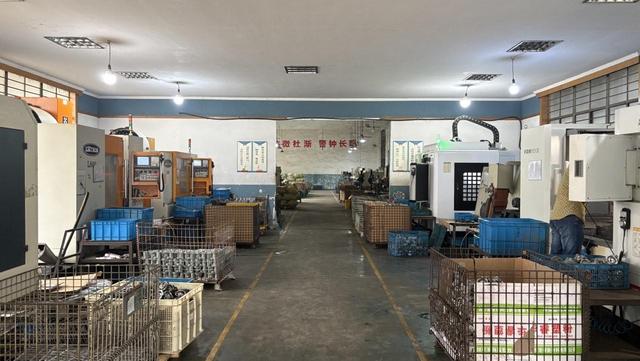
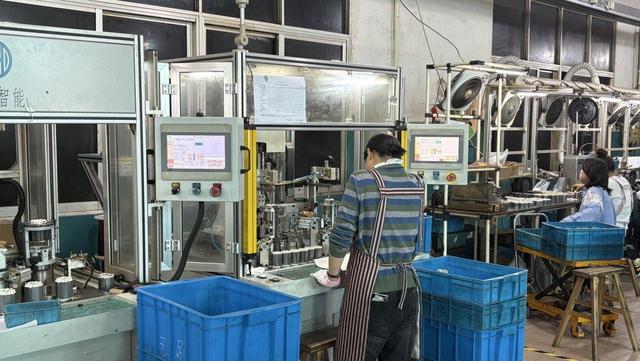
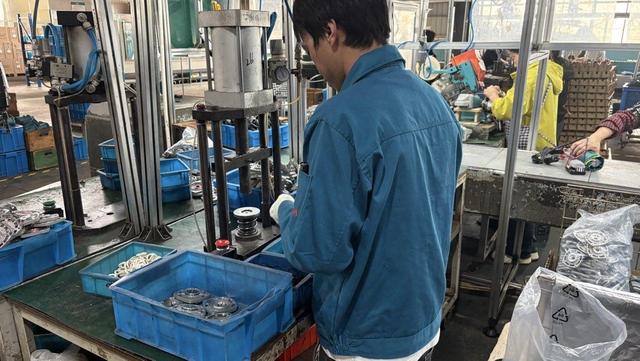
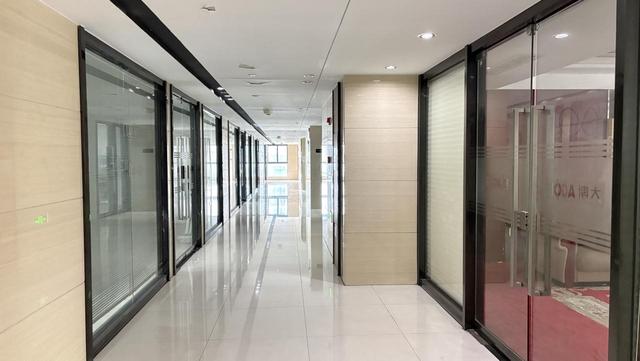
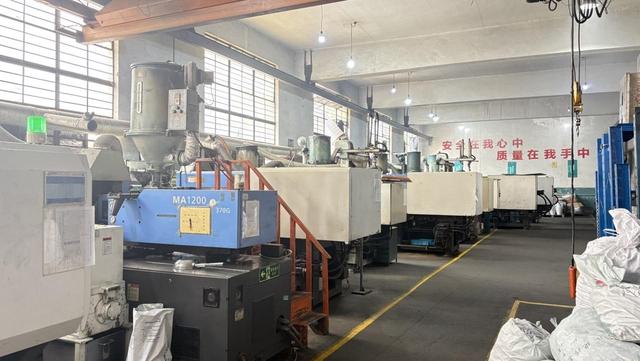
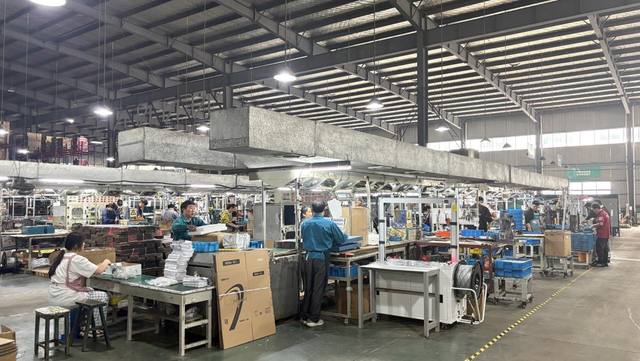
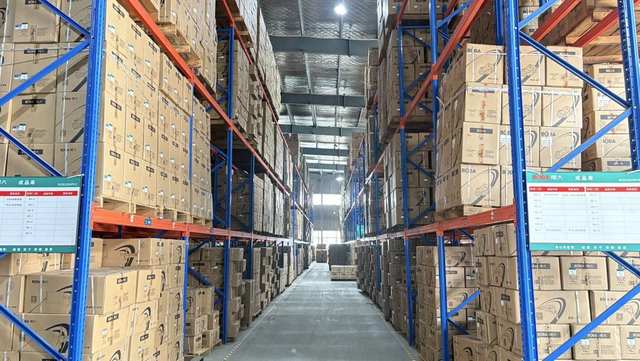
Inside the production facilities of Carto Tool, featuring precision multi-axis CNC grinding machines, quality assurance zones, raw material testing, and advanced coating processes.

Choosing the right active cutting tools depends entirely on the specific application scenario. Different industrial settings require specialized combinations of tool geometry, substrate toughness, and coating types.
Milling structural components from block titanium (Ti-6Al-4V) requires tooling that can handle extreme heat buildup. Active cutting tools with localized through-coolant ports deliver coolant directly to the shear zone, preventing work hardening and premature chipping.
Key Tooling: Solid Carbide 5-Flute Vari-Pitch End MillsHigh-volume cast iron and aluminum engine blocks require rapid metal removal rates. High-feed face mills using indexable carbide inserts with reinforced cutting edges are essential. They maintain dimensional accuracy over thousands of cycles with minimal insert rotation.
Key Tooling: Face Mills with Double-Sided CVD InsertsCreating complex mold cavities in pre-hardened steels (like NAK80 or H13) requires precise ball-nose end mills. These tools must maintain geometric accuracy and low vibration under deep reach conditions to produce high-quality surface finishes directly on the machine.
Key Tooling: Diamond-Coated Micro Ball Nose End MillsExpert answers to common questions about selecting tool materials, optimizing performance, and working with manufacturing partners.
Discover advanced machining tooling, custom injection mold components, and high-performance threading solutions.
 Carto Tool