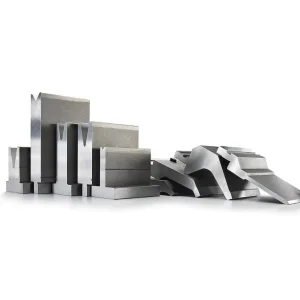
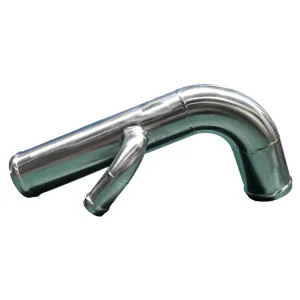
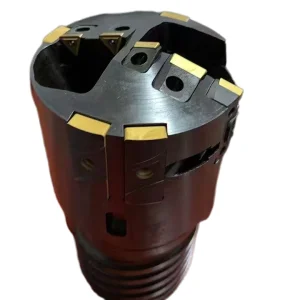
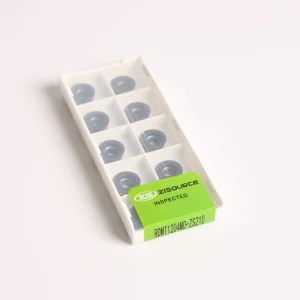
Advanced tooling setups, high-precision inserts, heavy-duty processing dies, and custom fabrication accessories engineered for high-performance CNC setups.
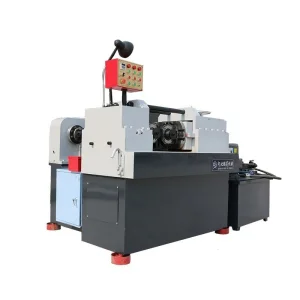
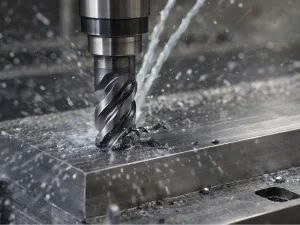
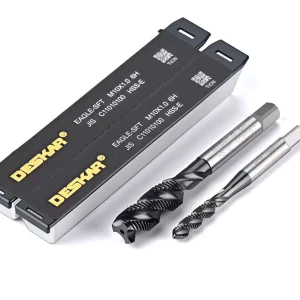
Dongguan Carto Tool Co., Ltd. is a leading professional manufacturer specializing in industrial cutting tools, CNC machining systems, milling interfaces, turning setups, and high-precision metal cutting technologies. The company is dedicated to providing high-performance tooling solutions for modern manufacturing industries, including automotive, aerospace, mold processing, machinery production, and general metal fabrication.
Since its establishment, Carto Tool has developed from a small-scale cutting tool workshop into a specialized industrial tooling supplier with integrated R&D, production, and quality control capabilities. In its early stage, the company focused on basic turning and milling tool production for local machining workshops. With the rapid growth of China's manufacturing sector, Carto Tool expanded its technology base and began developing more advanced CNC-compatible cutting systems to meet higher precision and efficiency requirements.
"Through continuous iterations in raw material sourcing, micro-geometry optimization, and nano-coating layers, Carto Tool delivers tooling solutions that optimize metal removal rates (MRR) while drastically reducing cyclic manufacturing costs."
During its development phase, the company invested heavily in carbide material research, coating technology improvements, and CNC tool geometry optimization. It introduced modern production lines and precision grinding equipment to ensure stable performance and long tool life. At the same time, Carto Tool strengthened its testing systems to improve cutting accuracy, wear resistance, and thermal stability across different machining environments.
Breaking mechanical harmonics: The scientific foundation behind vibration-dampening cutting systems.
In high-speed CNC milling operations, regenerative chatter (self-excited vibration) presents a severe threat to surface finish, dimensional accuracy, and overall tool life. Standard end mills feature symmetrical flute designs where the pitch (spacing between teeth) and helix angle are uniform. During operation, this symmetry causes the cutting edges to strike the workpiece material at a constant frequency. When this frequency matches the natural resonant frequency of the spindle-tool-workpiece system, severe chatter occurs.
Variable Pitch Tools break this critical harmonic loop. By varying the index angles (spacing) between the flutes and utilizing unequal helix angles along the tool axis, the cutting impact frequency is continuously shifted. This phase difference prevents the build-up of resonant vibration, damping chatter and allowing for significantly deeper axial cuts (Ap) and radial engagement (Ae).
The angular spacing between the flutes varies (e.g., 88° - 92° - 90° - 90°). This unequal design disrupts the rhythmic impact of the teeth, dispersing the harmonic wave across a broader spectrum.
Different flutes utilize distinct helix angles (e.g., 35° / 38°). The change in helix angle along the tool length alters the chip evacuation trajectory, balancing load distribution.
Constructed utilizing ultra-fine grain tungsten carbide substrates. This micro-grain structure offers the ideal blend of toughness, preventing edge chipping during variable-load cycles.
| Performance Indicator | Standard Tooling Design | Carto Variable Pitch System | Direct Operational Benefit |
|---|---|---|---|
| Vibration Amplitude (chat) | High (limiting depth of cut) | Minimized (< 15μm) | Superior surface finish (Ra < 0.4μm) |
| Material Removal Rate (MRR) | Baseline (100%) | Up to 165% Increase | Reduced cycle times for high-volume batches |
| Spindle Load Fluctuations | Cyclic Spikes | Smooth, Continuous Load | Extended spindle life and machine health |
| Average Tool Service Life | Standard Degradation | +35% to +50% Longevity | Fewer tool changeovers, lower cost-per-part |
How global industries rely on adaptive cutting tools to optimize processing in extreme manufacturing conditions.
In the current industrial economy, efficiency and reliability are paramount. Across Europe, North America, and East Asia, advanced machining shops are replacing standard end mills with variable pitch versions for challenging materials like titanium alloys, stainless steel, and nickel-based superalloys. The growth of the electric vehicle (EV) sector, aerospace defense projects, and clean-energy infrastructure has driven the demand for high-feed tooling solutions that operate without chatter.
OEM and ODM customized solutions are crucial for meeting localized needs. Factories in different regions use varied setups, coolant types, and machining methods. Dongguan Carto Tool Co., Ltd. works directly with clients to design customized tool profiles, optimize helix-pitch ratios, and apply specialized coatings for specific materials.
Machining complex thin-walled titanium components for aerospace structures requires minimal tool vibration. Our variable pitch systems prevent tool deflection and eliminate micro-cracks on critical component surfaces.
High-volume automotive components demand speed and consistency. Carto Tool's custom milling configurations allow automotive part manufacturers to optimize cycle times for engine blocks, suspension joints, and heavy-duty drivetrain parts.
Milling hardened tool steels (up to HRC65) requires tools with high thermal stability and impact resistance. Our specialized tools maintain sharp edges under high temperatures during dry or wet machining.
Pioneering the next generation of smart cutting systems, advanced thin-film coatings, and green machining solutions.
Our engineering roadmap focuses on integration, performance, and sustainability. As smart factories grow, tool designs must adapt to meet the demands of real-time monitoring and automation. We are focused on developing the next generation of cutting tool systems:
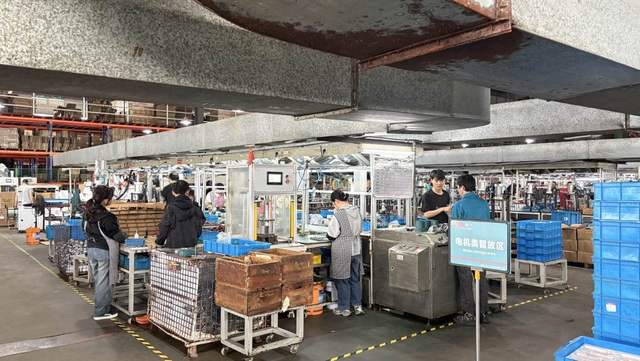
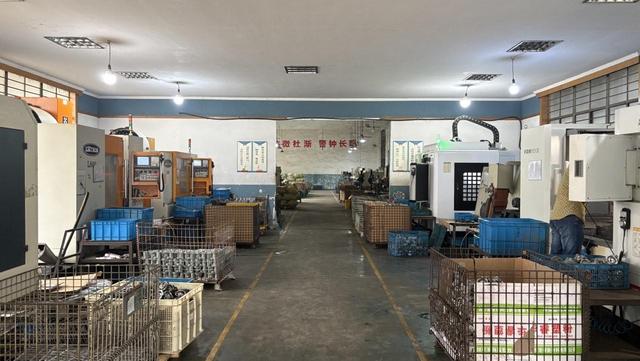
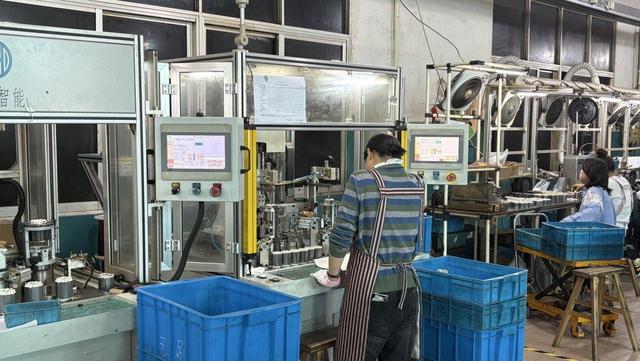
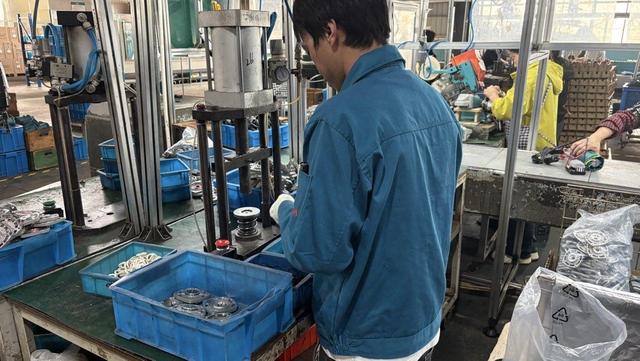
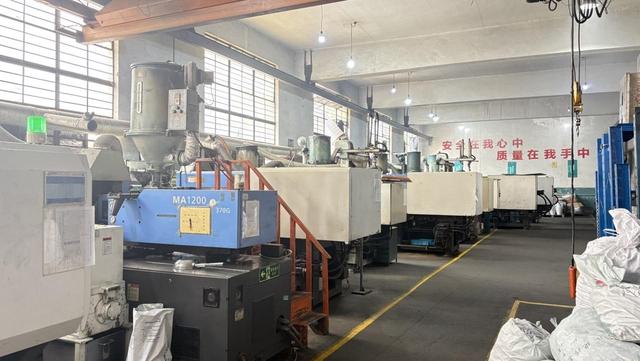
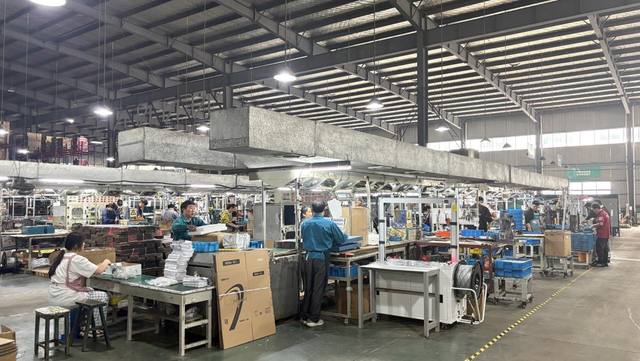
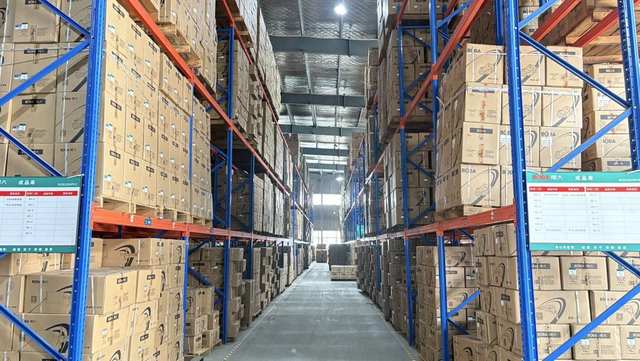
A look inside Carto Tool's production facility, featuring advanced grinding technology and rigorous quality control processes.
Today, Dongguan Carto Tool Co., Ltd. serves global industrial clients with a wide range of cutting tool solutions designed for high-speed, high-precision, and heavy-duty applications. The company continues to focus on innovation in CNC machining efficiency, metal cutting performance, and cost optimization for manufacturers. With a commitment to quality and engineering excellence, Carto Tool aims to become a trusted international supplier in the industrial cutting tools industry, supporting smarter and more efficient global manufacturing systems.
Direct technical answers to common queries regarding variable pitch tooling optimization and customization.
A variable pitch tool features unequal index angles between the cutting teeth (e.g., flutes spaced at 89°, 91°, 90°). A variable helix tool features helix angles that vary along the length of each flute. Combining both features provides excellent vibration dampening for complex machining operations.
Harmonic vibration occurs when standard tool flutes hit the workpiece at regular intervals, generating a single excitation frequency. The irregular spacing of a variable pitch tool changes this impact frequency with every rotation, dispersing the energy and preventing resonant vibration.
Hardened materials, high-temperature alloys, and aerospace metals like Titanium, Inconel, Duplex Stainless Steel, and Cobalt-Chrome alloys show significant improvements in surface finish and tool life when processed using anti-vibration tooling.
Our engineering team designs custom cutting tool geometries, fluting profiles, surface preparation processes, and specialized coatings (TiAlN, AlCrN, DLC) tailored to the specific needs and machine characteristics of your production setup.
Specialized plastic mold solutions, advanced laser technologies, deep hole drilling systems, and carbide mills engineered to high industry specifications.
 Carto Tool