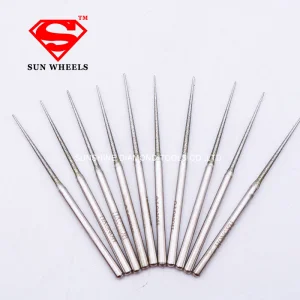
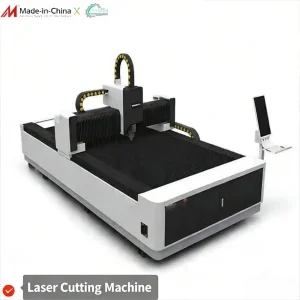
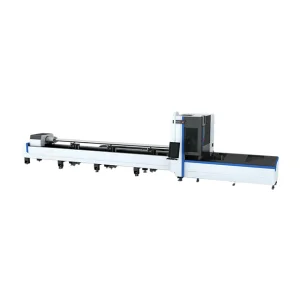
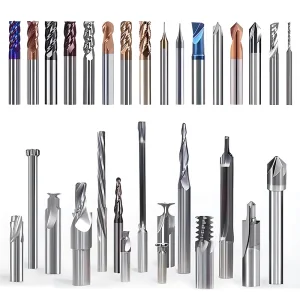
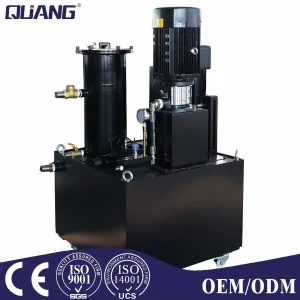
Explore our primary selection of industrial-grade tools, laser cutting components, and high-performance CNC hardware designed for high-accuracy applications.
The global manufacturing ecosystem is undergoing an unprecedented shift toward micro-precision, higher efficiency, and automated flexibility. High-accuracy cutting equipment has transitioned from specialized, high-cost laboratory setups to the backbone of mass industrial production. From automotive assembly lines migrating to Electric Vehicle (EV) components to aerospace facilities demanding sub-micron structural parts, advanced CNC machining and laser cutting configurations dictate a manufacturer's competitive edge.
Today, China stands as the epicenter of this industrial evolution. Leveraging a complete domestic supply chain, Chinese manufacturers and exporters offer deep integration of metallurgical engineering, custom software development (such as Cypcut and advanced CNC controls), and structural dynamics. This enables the export of highly customizable, rugged, and thermal-stable machinery that reduces cost-per-part while elevating accuracy parameters.
Sub-Micron Control: Precision is no longer defined by millimeters but by nanometers and micrometers. Next-generation tools utilize closed-loop feedback systems to adjust cutting parameters in real-time.
Composite Machining: Modern systems combine multiple operations (e.g., turning, milling, and laser marking) on a single platform to eliminate workpiece re-clamping and geometric error accumulation.
Material Diversity: Equipment must adapt to advanced alloys, carbon-fiber reinforced polymers (CFRP), hardened tool steels, and fragile substrates like optical glass without structural degradation.
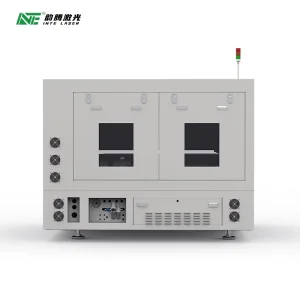
Traditional thermal lasers often produce a Heat-Affected Zone (HAZ) that can alter material properties and cause micro-cracking. Ultra-short pulse (USP) lasers, such as femtosecond laser systems, utilize cold ablation to vaporize materials instantly. This technology is critical for processing glass, medical stents, and semiconductor wafers without structural distortion.
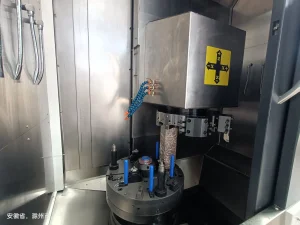
Modern CNC gantry systems and multi-axis turning centers feature real-time tool deflection compensation. By using embedded sensors that monitor spindle vibration, acoustic emissions, and motor current, the machine dynamically adjusts feed rates. This reduces tool wear by up to 35% and maintains strict dimensional tolerances.
With mechanical cutting tools like solid carbide end mills and indexable face cutters, coating chemistry is crucial. Innovations such as AlTiN, diamond-like carbon (DLC), and multilayer nanocomposite coatings resist temperatures exceeding 900°C. This allows for high-velocity dry machining, which lowers environmental footprint and coolant costs.
Dongguan Carto Tool Co., Ltd. is a professional manufacturer specializing in industrial cutting tools, CNC machining tools, milling systems, turning solutions, and precision metal cutting technologies. The company is dedicated to providing high-performance tooling solutions for modern manufacturing industries, including automotive, aerospace, mold processing, machinery production, and general metal fabrication.
Since its establishment, Carto Tool has developed from a small-scale cutting tool workshop into a specialized industrial tooling supplier with integrated R&D, production, and quality control capabilities. In its early stage, the company focused on basic turning and milling tool production for local machining workshops. With the rapid growth of China’s manufacturing sector, Carto Tool expanded its technology base and began developing more advanced CNC-compatible cutting systems to meet higher precision and efficiency requirements.
During its development phase, the company invested in carbide material research, coating technology improvements, and CNC tool geometry optimization. It introduced modern production lines and precision grinding equipment to ensure stable performance and long tool life. At the same time, Carto Tool strengthened its testing systems to improve cutting accuracy, wear resistance, and thermal stability across different machining environments.
Today, Dongguan Carto Tool Co., Ltd. serves global industrial clients with a wide range of cutting tool solutions designed for high-speed, high-precision, and heavy-duty applications. The company continues to focus on innovation in CNC machining efficiency, metal cutting performance, and cost optimization for manufacturers. With a commitment to quality and engineering excellence, Carto Tool aims to become a trusted international supplier in the industrial cutting tools industry, supporting smarter and more efficient global manufacturing systems.
As smart manufacturing initiatives like Industry 4.0 scale globally, cutting equipment must become modular and digitally traceable. Future high-precision fabrication relies on continuous integration with CAD/CAM systems, allowing cutting tools to communicate wear patterns back to the software to dynamically alter machining paths.
Additionally, the transition toward complex materials like titanium alloys, Inconel, and single-crystal structures demands tools that exhibit both high hardness and resilience. Carto Tool's ongoing engineering focus centers on custom tool geometry design, enabling deep-slotting and high-feed milling in challenging alloys while ensuring minimal surface roughness (Ra < 0.2μm).
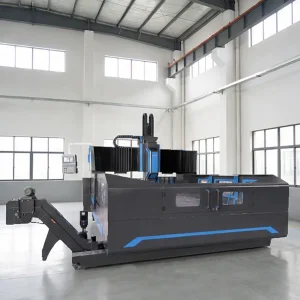
Machining complex structural components out of solid aluminum blocks or titanium forgings requires tools that maintain stability over long production runs. Our high-precision gantry milling systems and large-flute end mills deliver high metal removal rates (MRR) without sacrificing structural integrity.
With the rise of electric drive units, battery enclosures, and lightweight structural components, manufacturers require fast cycle times and extreme accuracy. Our specialized indexable mills and high-speed spindles support the high-volume milling of battery trays and thin-walled castings.
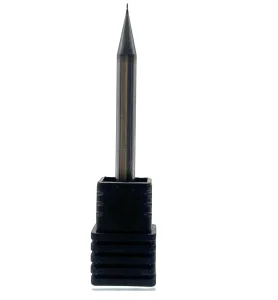
Producing molds for plastic injection and metal forging requires precise finishes to minimize manual polishing. Our micro-end mills, featuring tip diameters down to 0.2mm, offer the dimensional control and surface finish required for complex cavity work.
Different manufacturing hubs present unique challenges. In heavy industrial regions like North America and Northern Europe, high labor costs make automation and tool life predictability top priorities. Here, manufacturers utilize our rugged industrial fiber laser cutting tools and gantry milling systems with automated tool changers to run unmanned night shifts securely.
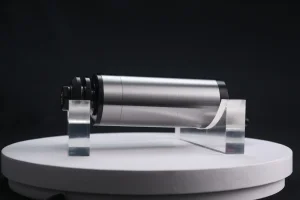
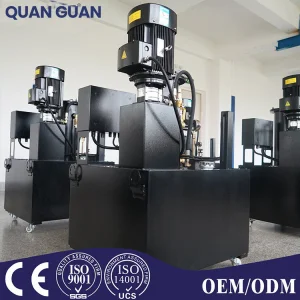
Conversely, in high-density electronics manufacturing centers across Southeast Asia, speed and thermal management are paramount. For these applications, high-pressure coolant systems, custom spindle configurations, and micro-precision router bits are integrated into high-speed assembly lines to drill and route delicate circuit board substrates without causing delamination or thermal warping.

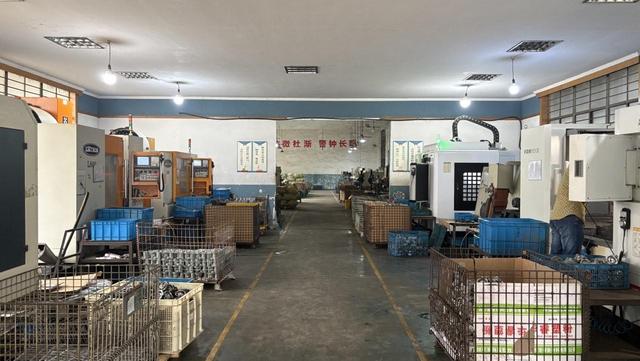
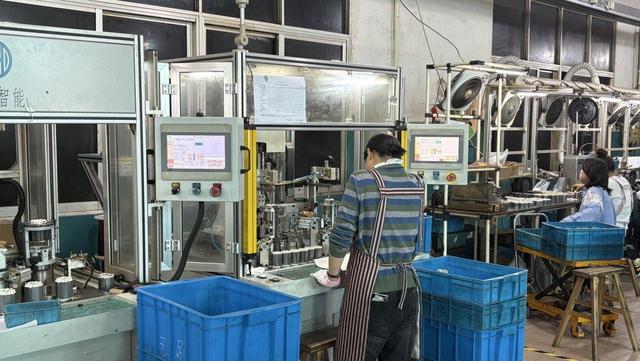
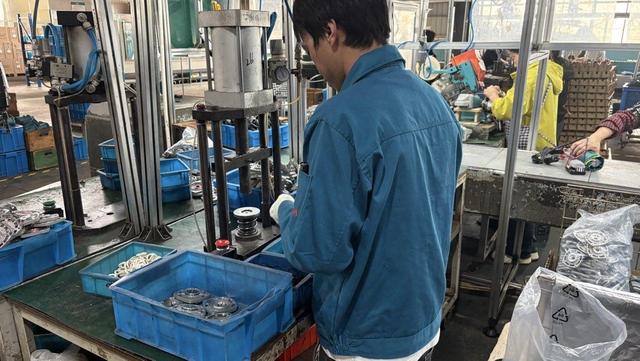

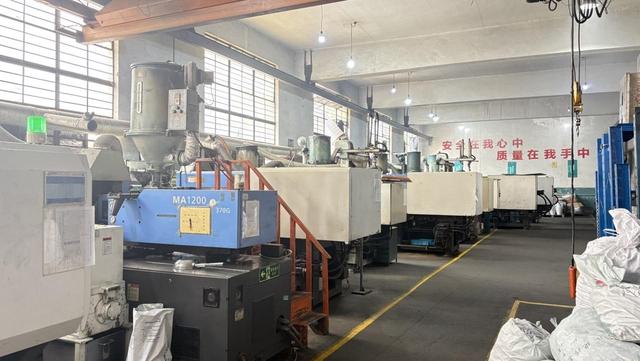
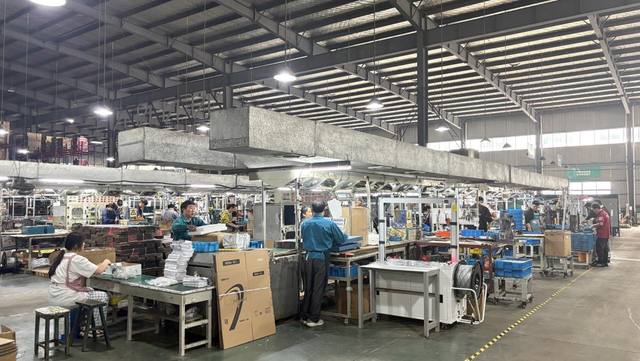

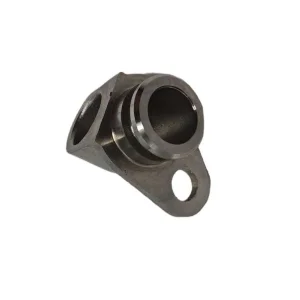
Examine our specialized equipment portfolio, featuring high-speed grinding spindle systems, cooling accessories, and custom adapters designed to maximize processing performance.
 Carto Tool