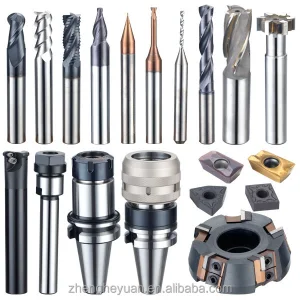
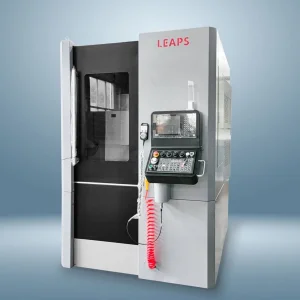
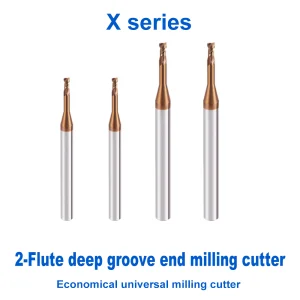
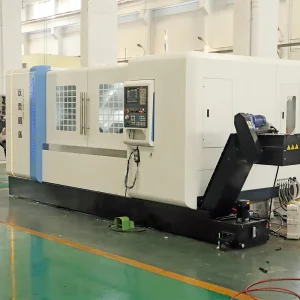
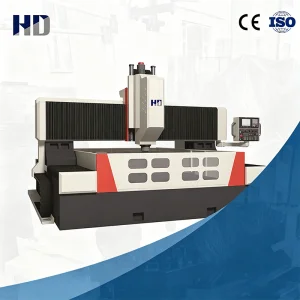
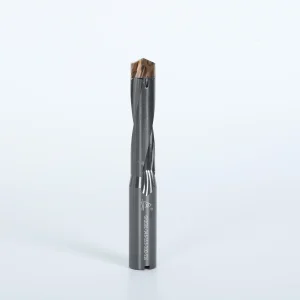
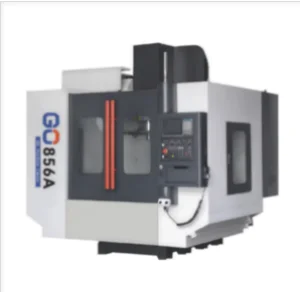
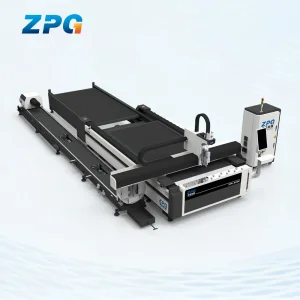
Dongguan Carto Tool Co., Ltd. stands as a prominent, professional manufacturer specializing in high-performance industrial cutting tools, CNC machining tools, custom milling systems, advanced turning solutions, and precision metal cutting technologies. The company is dedicated to offering optimized, reliable tooling setups engineered for the demanding requirements of modern manufacturing industries—spanning automotive engineering, aerospace component manufacturing, mold fabrication, heavy machinery production, and specialized metal fabrication workshops globally.
Since its founding, Carto Tool has strategically expanded from a focused, regional cutting tool workshop into an integrated, high-capacity industrial tooling supplier. This development has been driven by deep investment in research and development (R&D), modernized manufacturing setups, and stringent quality control protocols. In its initial operating phases, the company supplied basic turning and milling inserts to local workshops. However, matching the rapid technological progression of China's advanced manufacturing landscape, Carto Tool quickly upgraded its facilities and technical expertise, developing complex CNC-compatible cutting systems to meet international requirements for accuracy, repeatability, and cycle-time efficiency.
During its critical expansion years, Carto Tool directed significant capital toward carbide substrate research, advanced coating methodologies (including PVD and CVD systems), and specialized CNC tool geometries. By bringing in advanced German and Swiss precision grinding centers, the company established a production system capable of delivering consistent, high-durability tooling with long service lives. Simultaneously, Carto Tool built a robust in-house testing center to evaluate micro-hardness, thermal shock resistance, and dynamic balancing under varied high-speed cutting conditions.
Today, Dongguan Carto Tool Co., Ltd. supplies industrial manufacturers worldwide with cutting tools engineered for high-speed, high-precision, and heavy-duty machining tasks. With a persistent focus on metallurgical innovation, geometric design, and operational cost reduction, Carto Tool remains committed to supporting smart, automated, and sustainable production systems across international markets.
Modern metal cutting demands superior heat and wear resistance. Transitioning from basic TiN (Titanium Nitride) to multi-layered AlTiN and TiAlN coatings allows tooling to withstand temperatures exceeding 900°C. This chemical barrier prevents heat transfer to the substrate, preserving cutting edge sharpness and extending tool life in high-speed, dry-milling scenarios.
To prevent micro-chipping under intermittent cut loads, contemporary tool manufacturing relies heavily on sub-micron and nano-grain tungsten carbide matrices. These structures balance hardness and fracture toughness, which are crucial for drilling and milling superalloys used in aerospace propulsion.
Integrating sensors within high-speed spindles and tool holders allows real-time tracking of vibration, temperature, and cutting forces. Systems using control platforms like GSK, Fanuc, and Siemens can adjust feed rates dynamically, reducing structural wear and preventing catastrophic tool failure.
Procurement professionals managing tooling chains face strict requirements for precision, delivery times, and compliance. Modern tool sourcing involves evaluating multiple key operational factors:
Initial acquisition cost is only one part of the equation. Smart buyers calculate cost-per-part produced. High-performance tools with advanced PVD coatings reduce setup changes, lower machining scrap rates, and deliver a more favorable TCO over extended production runs.
Automated manufacturing environments require high predictability. A deviation of just a few microns in end mill geometry can disrupt process flow. High-tier manufacturers address this by using automated multi-axis grinding machines and optical coordinate measurement systems.
Compliance with global standards like CE and ISO certification is essential for critical components such as high-pressure hydraulic cylinders and high-speed electrical spindles. Certifications assure safety, reliability, and smooth integration into Western production lines.
The machining of titanium alloys, Inconel, and carbon-fiber reinforced plastics (CFRP) requires specialized tooling solutions. Due to the high heat generated when machining these tough materials, tools must feature custom chip-breaker geometries and high thermal conductivity coatings to prevent damage to the workpiece.
High-volume automotive production demands reliable, high-speed tooling. The machining of aluminum engine blocks and cast-iron transmission housings benefits from multi-functional combination tools. These specialized tools perform drilling, chamfering, and face milling in a single setup, reducing overall cycle times.
Fabricating hardened steel molds requires robust tooling designed for stable, high-speed performance. Ball nose end mills used in these applications need to run at high RPMs while maintaining close dimensional tolerances and clean surface finishes, minimizing the need for secondary manual polishing.
Producers of medical implants and consumer electronics require ultra-small cutting diameters. Micro end mills with cutting diameters as small as 0.1mm are used to machine detailed geometries in stainless steels and engineering plastics, demanding high spindle speeds and low runout.
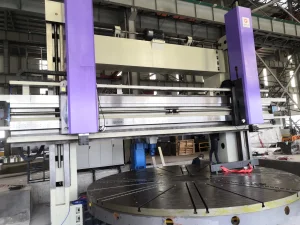
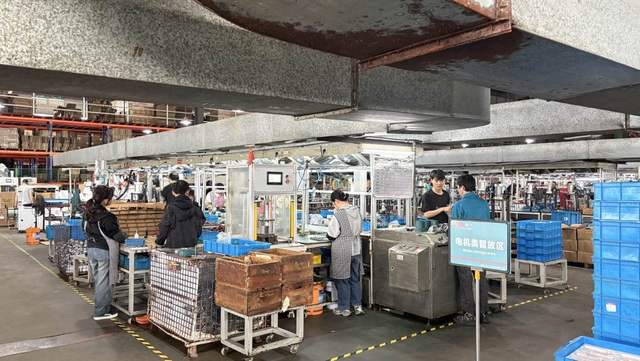
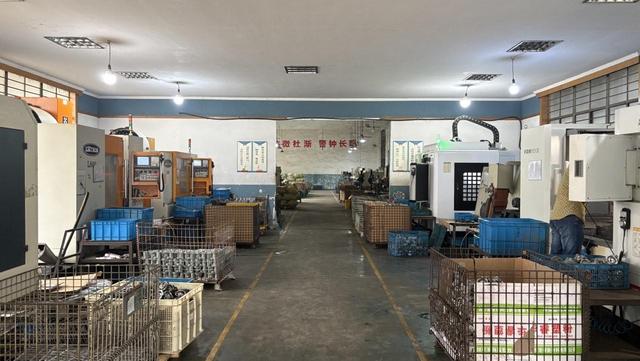
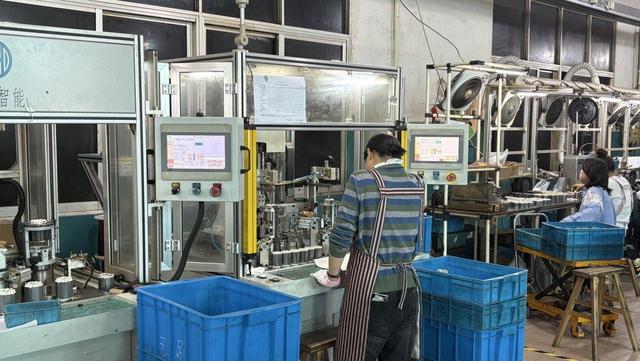
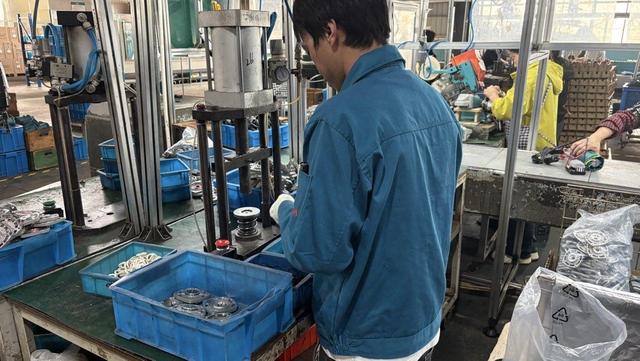
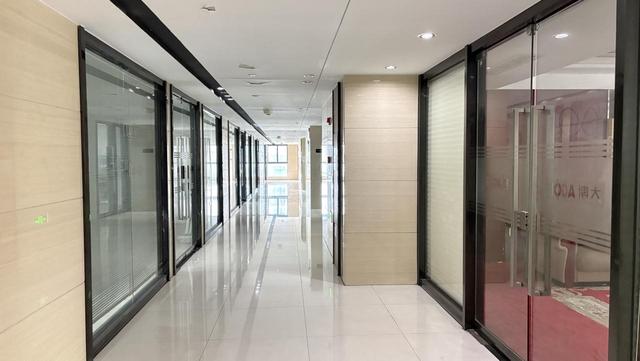
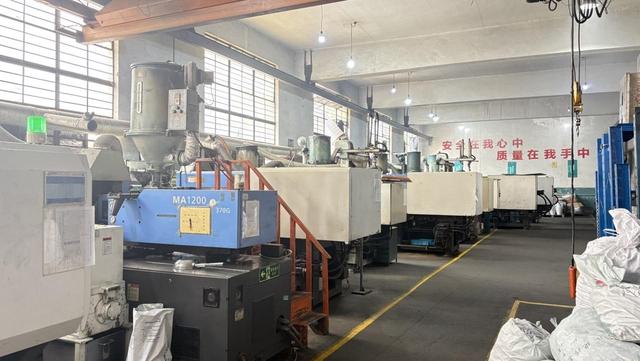
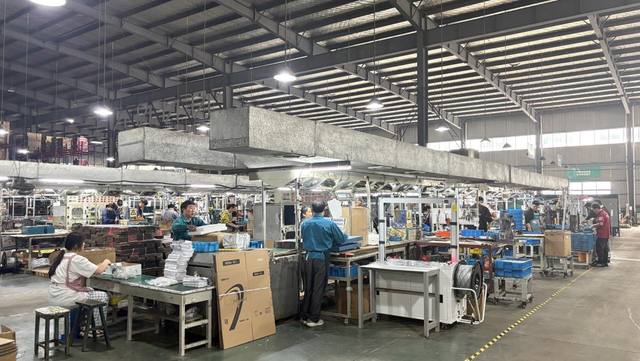
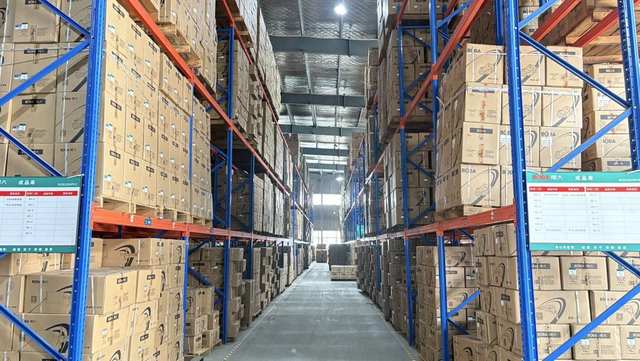
Take an inside look at our advanced manufacturing floor, precision grinding facilities, assembly units, and quality control systems.
We are incorporating micro-sensors directly into our toolholder and spindle designs. This will allow real-time monitoring of vibration and thermal expansion, transmitting data to the machine control unit to optimize machining stability.
To support sustainable manufacturing, our R&D is focused on developing specialized tool geometries and coatings designed for dry machining or minimum quantity lubrication (MQL). This reduces coolant consumption and waste treatment costs.
We are expanding compatibility with automated tool changers and robotic cell systems. By adding laser marking and RFID chips to our tools, users can automate tool identification, wear tracking, and inventory updates.
Global logistics and regional technical support are essential for high-uptime manufacturing operations. Carto Tool works closely with distributors and service agents worldwide to ensure technical assistance, tool regrinding services, and emergency stock replacements are readily available.
Our quality assurance systems are certified to international standards. Each product batch undergoes strict inspection protocol testing before shipping, verifying dimensional accuracy, dynamic balancing, and coating adhesion. When you partner with us, you receive certified quality and dedicated technical support.
 Carto Tool