Leveraging advanced manufacturing techniques to produce cutting-edge rotary, milling, turning, and deep hole drilling solutions.
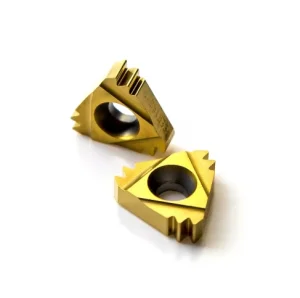
In high-speed, automated subtractive manufacturing, the edge of a cutting tool is the boundary where physics, metallurgy, and economics collide. If tool wear is left unmeasured or poorly predicted, it causes structural failures, compromised dimensional accuracy, and catastrophic workpiece rejection. Today, advanced wear measurement is no longer a simple post-process inspection—it is the foundation of high-yield CNC machining.
The progression of material science has led to the design of superalloys and advanced fiber-reinforced composites that challenge traditional tooling boundaries. In this environment, the wear profile of a tool is highly complex. Modern wear measurement examines various degradation modes, including flank wear (Vb), crater wear (KT), micro-chipping, thermal cracking, and plastic deformation. Historically, machine operators relied on subjective assessments—such as listening to cutting noises, observing surface finishes, or checking spindle power spikes. However, these methods are inadequate for modern automated manufacturing lines.
Digital tool wear metrology has filled this capability gap. By utilizing non-contact optical inspection, laser scan profiles, dynamic tool setters, and real-time acoustic emission (AE) sensors, manufacturers can quantify wear down to sub-micron levels. This shift from reactive tool changes to predictive wear control allows manufacturers to maximize tool life, prevent tool breakage, and maintain precise tolerances in critical parts.
Non-contact optical profiling systems analyze flank wear (Vb) and edge rounding (rβ) with high precision, securing accurate wear tracking before failures happen.
Using Taylor’s tool life calculations combined with AI analytics, our software forecasts degradation paths, lowering unplanned tool change downtime by up to 35%.
Direct integration with Fanuc, Siemens, and Heidenhain systems enables real-time tool offset adjustments, compensating for progressive tool wear on the fly.
Analyzing how different sectors address manufacturing quality, operational efficiency, and supply chain demands.
The global precision machining market is shifting toward automated, low-labor operations, sometimes referred to as "lights-out" manufacturing. This evolution highlights a fundamental reality: an automated production cell is only as reliable as its cutting tools. In sectors like automotive assembly, aerospace engine manufacturing, and medical component production, a single premature tool failure can stop a multi-million dollar line or damage expensive parts.
Consequently, global enterprises are demanding tooling systems equipped with integrated wear monitoring. Buyers no longer buy tools based solely on unit cost; they evaluate the Total Cost of Ownership (TCO), tool life consistency, and predictability. Tool wear measurement systems allow suppliers to guarantee that a batch of carbide inserts will perform within standard deviations under specific cutting conditions. By using these technologies, global manufacturing centers can achieve tighter quality distributions, reduce tool change cycles, and optimize production throughput.
Procurement directors and quality engineers face unique challenges when sourcing precision cutting tools and wear measurement systems. To build a robust supply chain, procurement processes must focus on key technological and operational indicators:
At Dongguan Carto Tool Co., Ltd., we design our manufacturing and export services to meet these exact procurement requirements. We supply high-precision tools alongside wear testing insights, helping global partners maintain quality from initial setup to the end of the tool's service life.
How advanced automation and deep process controls at Carto Tool ensure global supply stability and precision.
Dongguan Carto Tool Co., Ltd. sits at the center of China’s advanced precision manufacturing ecosystem. Since our early days as a localized workshop, we have built a manufacturing setup that blends raw material science with modern production automation. Our engineering teams perform in-depth research on tungsten carbide powders, cobalt binders, and nano-composite coatings like TiAlN, AlTiN, and CVD Diamond. By controling the entire manufacturing workflow, we deliver tooling systems that withstand demanding cutting conditions.
Our production facilities feature high-efficiency grinding systems, Swiss-made ANCA CNC tool grinders, and advanced PVD/CVD coating chambers. These tools allow us to achieve precise edge geometries and geometries tailored to prevent vibration. Additionally, our testing labs use Walter Helicheck, Zoller tool presetter systems, and Keyence 3D non-contact optical inspection systems. This ensures that every tool leaving our factory floor matches our strict quality metrics, giving international buyers consistent performance across batches.
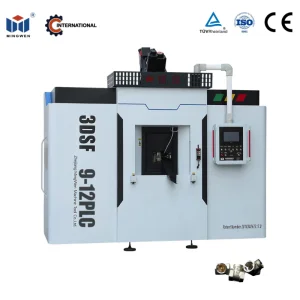
Edge finishing of titanium fan blades requires constant tool inspection. Our wear tracking setup monitors edge wear, preventing micro-grooves and structural defects in high-stress parts.
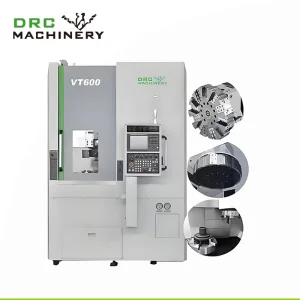
In high-volume engine block casting lines, thermal cracking on face milling inserts can cause issues. Our thermal-wear monitoring system alerts operators to change tools before they fail.
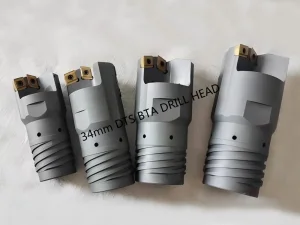
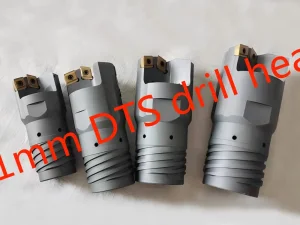
During deep hole drilling in oil and gas tooling, poor chip flow can lead to rapid tool wear. Using sensor-based torque checks helps prevent drill breakages deep inside valuable parts.
Dongguan Carto Tool Co., Ltd. is a professional manufacturer specializing in industrial cutting tools, CNC machining tools, milling systems, turning solutions, and precision metal cutting technologies. The company is dedicated to providing high-performance tooling solutions for modern manufacturing industries, including automotive, aerospace, mold processing, machinery production, and general metal fabrication.
Since its establishment, Carto Tool has developed from a small-scale cutting tool workshop into a specialized industrial tooling supplier with integrated R&D, production, and quality control capabilities. In its early stage, the company focused on basic turning and milling tool production for local machining workshops. With the rapid growth of China’s manufacturing sector, Carto Tool expanded its technology base and began developing more advanced CNC-compatible cutting systems to meet higher precision and efficiency requirements.
During its development phase, the company invested in carbide material research, coating technology improvements, and CNC tool geometry optimization. It introduced modern production lines and precision grinding equipment to ensure stable performance and long tool life. At the same time, Carto Tool strengthened its testing systems to improve cutting accuracy, wear resistance, and thermal stability across different machining environments.
Today, Dongguan Carto Tool Co., Ltd. serves global industrial clients with a wide range of cutting tool solutions designed for high-speed, high-precision, and heavy-duty applications. The company continues to focus on innovation in CNC machining efficiency, metal cutting performance, and cost optimization for manufacturers. With a commitment to quality and engineering excellence, Carto Tool aims to become a trusted international supplier in the industrial cutting tools industry, supporting smarter and more efficient global manufacturing systems.
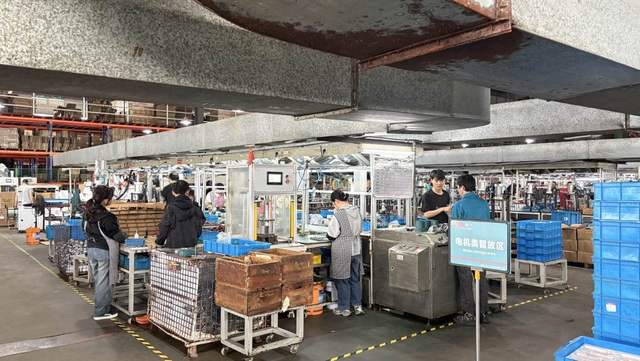
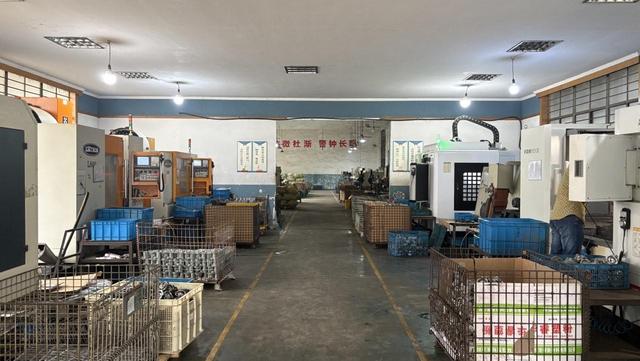
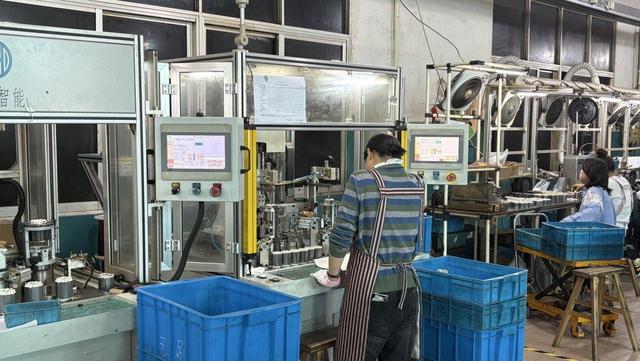
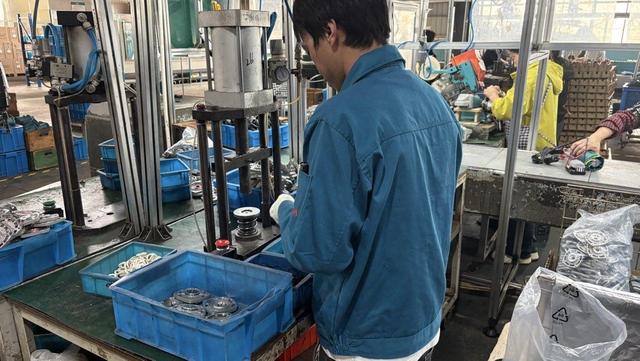
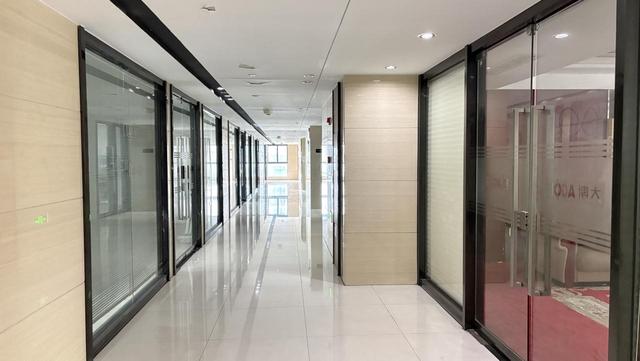
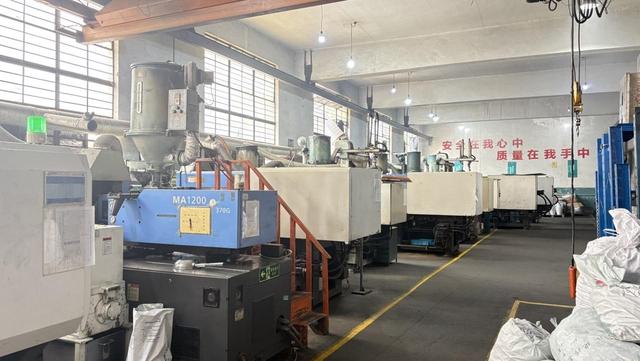
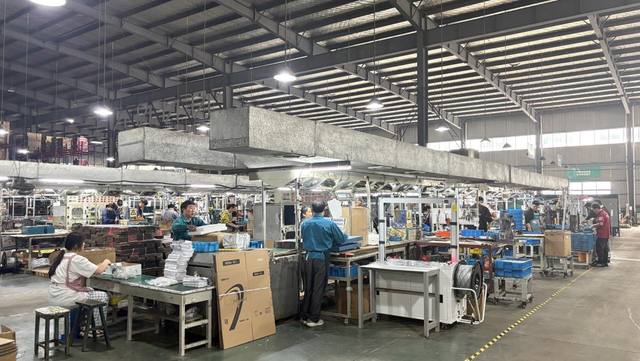
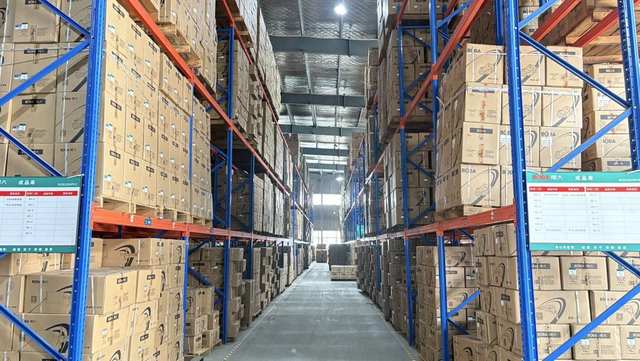
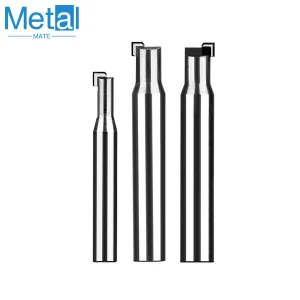
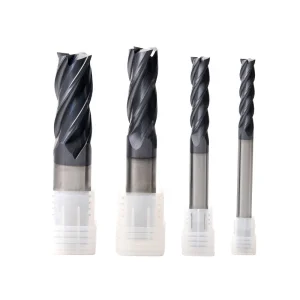
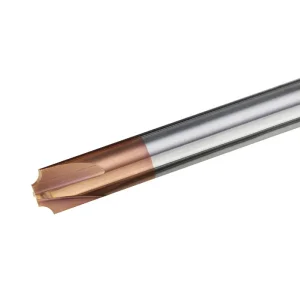
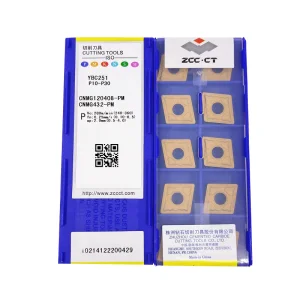
High-performance end mills, drill systems, and carbide inserts designed for modern industrial manufacturing.
Expert technical answers addressing common questions about tool life optimization, measurement, and manufacturing.
The main indicators include flank wear (Vb), crater wear on the rake face, micro-chipping along the cutting edge, and plastic deformation. These wear types can lead to increased cutting forces, elevated processing temperatures, degraded surface finishes, and variances in dimensional tolerance.
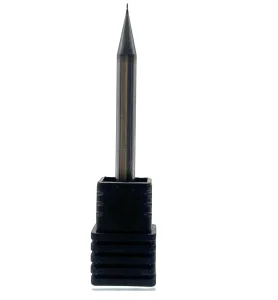
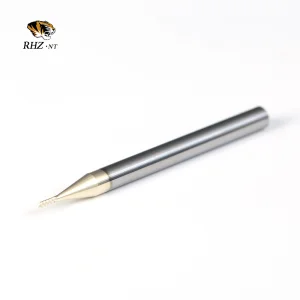
Non-contact optical systems use laser scanners and vision cameras to capture 3D profiles without physically touching the tool edge. This prevents damage to delicate tools, such as our 0.2mm micro end mill, while capturing multi-directional data faster than physical touch probes.
Yes, we provide ODM and OEM customization services. We can adjust details like cutting parameters, Helix angles (such as our 35-degree custom designs), flutes, substrates, and specialized PVD/CVD coatings to meet the requirements of your CNC machinery and workpiece materials.
Measuring tool wear during production prevents catastrophic failures that could damage the spindle, destroy the workpiece, or lead to safety hazards for operators. By scheduling tool changes based on real wear data, scrap rates are lowered, and machining runs more safely and predictably.
 Carto Tool