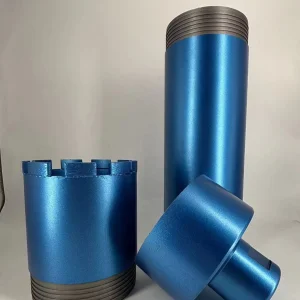
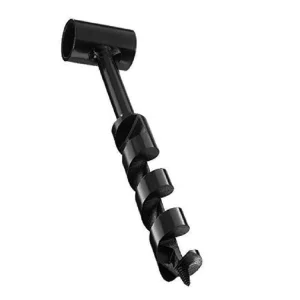
Engineered for Israel's unique geological strata, including Mediterranean coastal aquifers and rugged Negev basalt structures.
Israel's industrial ecosystem is highly specialized, prioritizing high-tech defense, aerospace components, advanced agricultural irrigation systems, and deep geothermal infrastructure development. Companies based in manufacturing centers like Haifa, Tel Aviv, and the Negev region require precision tools that satisfy strict tolerance thresholds. Deep hole drilling—defined as hole making with a length-to-diameter ratio (L/D) exceeding 10—represents one of the most mechanically demanding machining operations in this region.
The aerospace sector in Israel, led by global innovators, demands ultra-precise machining of high-strength components. Key materials include titanium alloys (specifically Ti-6Al-4V) and heat-resistant superalloys (HRSA) such as Inconel 718. Deep hole drilling of structural elements, landing gear assemblies, and hydraulic control blocks requires tools with exceptional chip evacuation capabilities and thermal resilience to prevent microstructural degradation of the workpiece material.
Information Gain Indicator: Standard tooling solutions often fail in Israel's deep hole applications due to work-hardening. The integration of advanced PVD (Physical Vapor Deposition) AlTiN/TiAlN multilayer coatings alongside precise micro-geometry adjustments is vital for achieving sustainable tooling lifetimes and minimizing surface roughness (Ra < 0.8 µm) in critical aerospace parts.
Engineered for CNC machining centers, supporting high-speed internal cooling and modular setups.
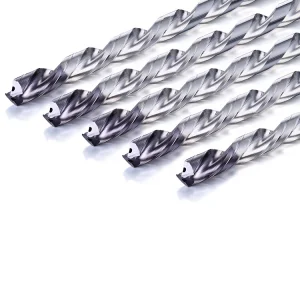
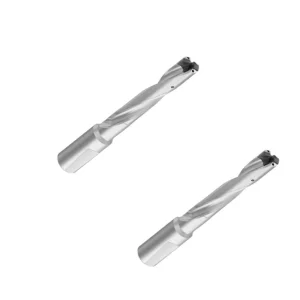
Deep hole manufacturing typically utilizes two primary tooling methodologies: Gun Drilling and Single Tube System (STS/BTA) boring. Each configuration features distinct advantages optimized for specific material families and diameter thresholds:
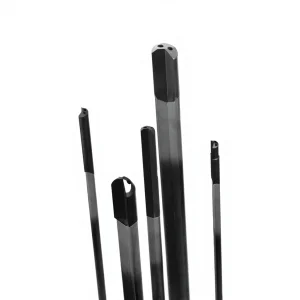
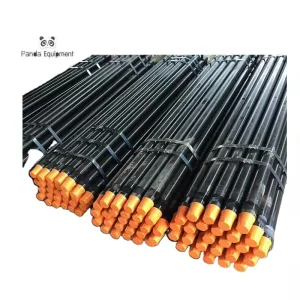
Gun drilling utilizes a single-fluted tool with an internal coolant channel running through the body of the shank. High-pressure coolant is delivered directly to the cutting zone, flushing chips backward along the external V-shaped flute of the tool. This process is key for holding high levels of straightness and surface integrity inside tight bore limits.
For larger diameters, the Boring and Trepanning Association (BTA) system is the standard. Unlike gun drilling, BTA supplies coolant externally under high pressure around the outside of the drill tube. The coolant sweeps chips internally through the hollow center of the drill tool and out through the machine spindle. This minimizes contact between the chips and the newly bored surface, preventing mechanical marking.
| Specification Metric | Gun Drilling Limits | BTA / STS Boring Limits | Carto Tool Optimized Standards |
|---|---|---|---|
| Diameter Capacity | 0.5 mm to 40 mm | 15.0 mm to 500 mm+ | Custom options tailored to blueprint specs |
| Concentricity / Drift | 0.02 mm per 100 mm depth | 0.015 mm per 100 mm depth | Down to 0.008 mm with guide pad adjustments |
| Surface Finish (Ra) | 0.4 µm to 1.6 µm | 0.6 µm to 2.0 µm | ≤ 0.4 µm in single-pass operations |
| Material Application | Hardened Steel, Titanium | Superalloys, Cast Iron | Multiphase sub-micron carbide substrate |
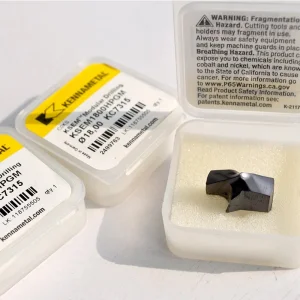
Because the cutting zone is buried deep within the part, heat cannot easily dissipate through conventional methods. Thermal control is achieved through high-velocity fluid flow and custom geometries. Internal cold-water and high-pressure oil lubrication systems reduce cutting tip friction, preventing micro-chipping and cracking of the carbide inserts.
At Dongguan Carto Tool Co., Ltd., we combine state-of-the-art carbide metallurgy with automated precision manufacturing. Our facilities in China utilize Industry 4.0 manufacturing processes to ensure consistent quality across production batches. We run multi-axis CNC grinding systems from Walter and ANCA, paired with advanced optical inspection systems that measure clearances down to the micron level.
For Israeli industrial buyers, logistics speed and reliability are crucial. We maintain a reliable global supply pipeline, offering direct shipping to key commercial hubs in Haifa, Ashdod, and Tel Aviv. Our lean production systems allow us to rapidly produce customized deep hole tooling batches, minimizing delivery delays and helping you keep your production lines running smoothly.
Our commitment to Quality Control (QC) includes testing each tool batch against actual machining parameters. Through metallurgical mapping and micro-hardness testing, we verify that every tool meets the durability and performance standards required for modern industrial operations.
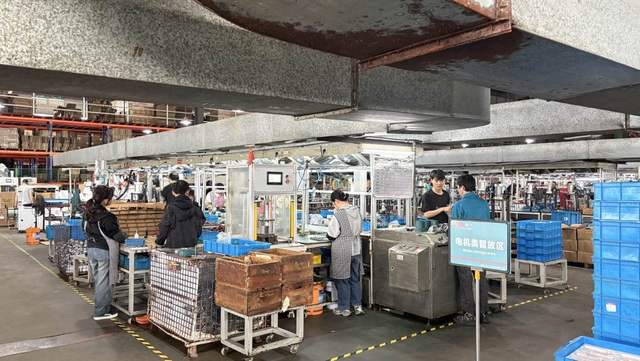
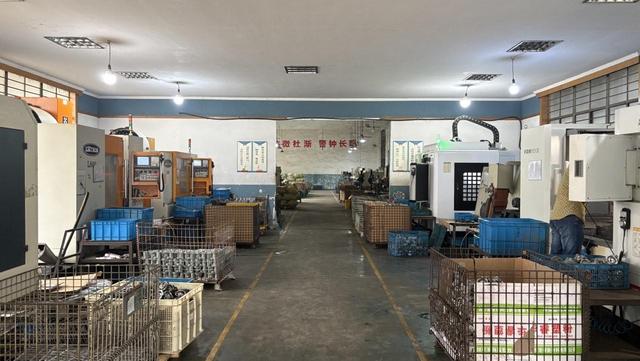
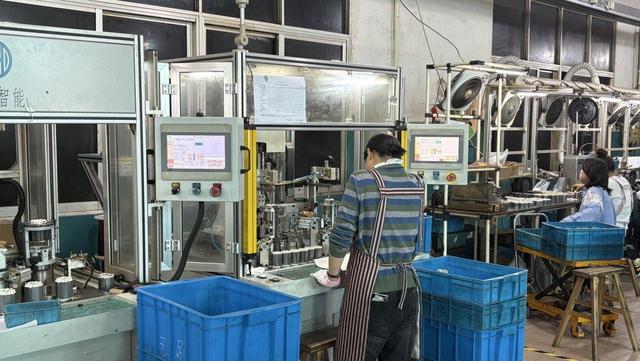
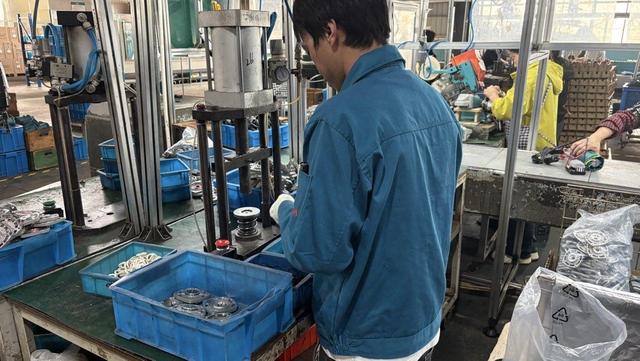
Our deep hole tooling line is built to handle the demanding, high-precision machining applications found throughout Israel's industrial sectors:
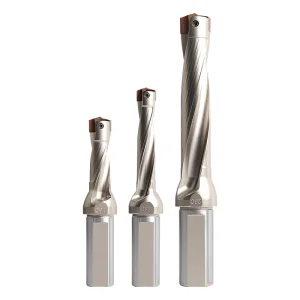
Precision drilling of landing gear struts, hydraulic cylinders, and actuator bodies in titanium and alloy steels. Our tools feature optimized guide pad configurations that maintain high concentricity over long drilling depths, reducing part rejection rates.
High-efficiency drilling of large duplex stainless steel tube sheets for desalination systems along the Mediterranean coast. Our customized indexable drill heads are built to handle structural variations and keep drill wear to a minimum.
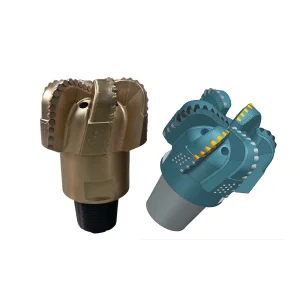
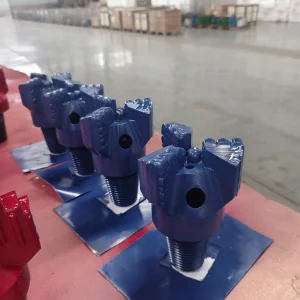
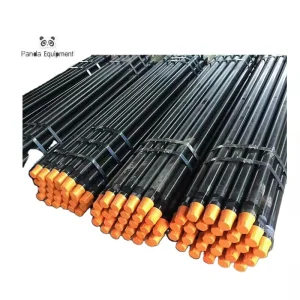
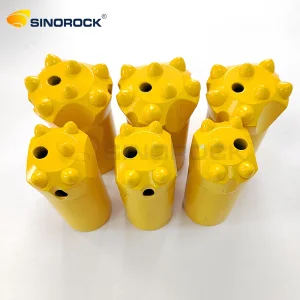
PDC drill bits and heavy DTH hammer tools designed to withstand the abrasive geology of the Jordan Rift Valley and Negev region. They deliver consistent penetration rates through challenging, mixed-hardness rock layers.
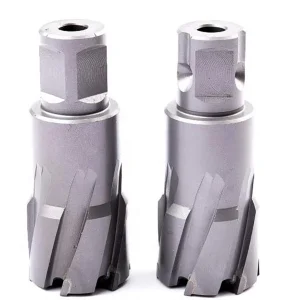
Engineered for mineral exploration, geotechnical boring, and heavy machinery fabrication.
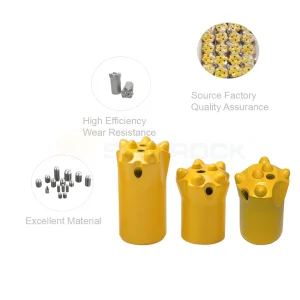
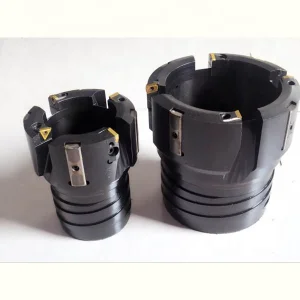
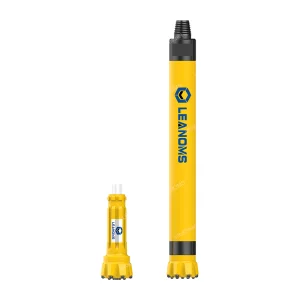
Partnering with modern manufacturing industries worldwide to deliver high-performance tooling solutions.
Dongguan Carto Tool Co., Ltd. is a professional manufacturer specializing in industrial cutting tools, CNC machining tools, milling systems, turning solutions, and precision metal cutting technologies. The company is dedicated to providing high-performance tooling solutions for modern manufacturing industries, including automotive, aerospace, mold processing, machinery production, and general metal fabrication.
Since its establishment, Carto Tool has developed from a small-scale cutting tool workshop into a specialized industrial tooling supplier with integrated R&D, production, and quality control capabilities. In its early stage, the company focused on basic turning and milling tool production for local machining workshops. With the rapid growth of China’s manufacturing sector, Carto Tool expanded its technology base and began developing more advanced CNC-compatible cutting systems to meet higher precision and efficiency requirements.
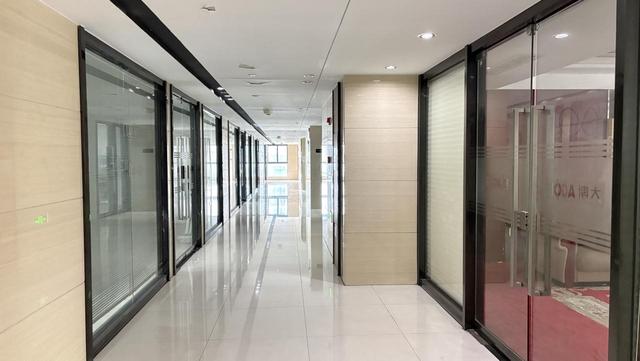
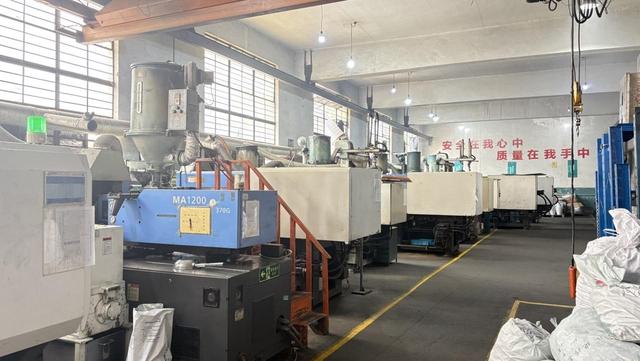
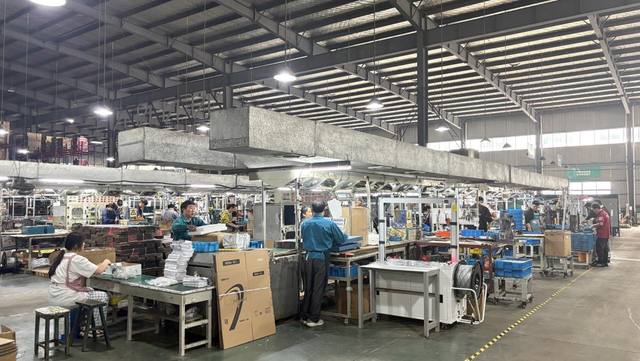
During its development phase, the company invested in carbide material research, coating technology improvements, and CNC tool geometry optimization. It introduced modern production lines and precision grinding equipment to ensure stable performance and long tool life. At the same time, Carto Tool strengthened its testing systems to improve cutting accuracy, wear resistance, and thermal stability across different machining environments.
Today, Dongguan Carto Tool Co., Ltd. serves global industrial clients with a wide range of cutting tool solutions designed for high-speed, high-precision, and heavy-duty applications. The company continues to focus on innovation in CNC machining efficiency, metal cutting performance, and cost optimization for manufacturers. With a commitment to quality and engineering excellence, Carto Tool aims to become a trusted international supplier in the industrial cutting tools industry, supporting smarter and more efficient global manufacturing systems.
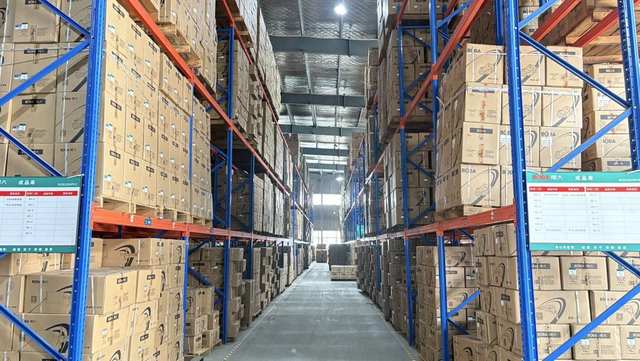
Resolving common machining challenges in tough materials, drill geometries, and fluid delivery systems.
 Carto Tool