High-tolerance custom hardware and structural assemblies tailored to the requirements of Turkish manufacturing sectors.
The Intersection of Geographic Trade Routes and Advanced CNC Metalworking Infrastructure
Istanbul sits at the crossroads of European and Asian industrial supply chains. It serves as a primary logistical engine for Turkey's metalworking and machining sectors. Key zones like İkitelli Organized Industrial Zone (İkitelli OSB), Dudullu OSB, and adjacent industrial corridors in Tuzla and Kocaeli host thousands of enterprises. These facilities produce high-precision automotive components, aerospace structures, domestic appliances, and heavy industrial machinery.
To sustain competitiveness in European export markets under the EU Customs Union agreements, Turkish manufacturers face demands for strict dimensional tolerances and low surface roughness ($R_a < 0.4 \mu m$). This requirement drives the demand for high-performance milling, turning, and cutting tool solutions. Modern CNC centers running 5-axis vertical machining configurations depend heavily on tool longevity and thermal wear resistance to maximize production uptime.
Subcontracting networks in Istanbul are shifting from conventional tool grades to ultra-fine grain carbide and super-hard PCD diamond cutting edges. The automotive toolmaking sector, in particular, requires tool coatings capable of dry-machining hardened tool steels (exceeding HRC55) without thermal deformation.
Milling Hardness Limit
Runout Tolerance Control
Substrate Purity Tested
Istanbul Export Support
Exploring Sub-Micron Grain Substrates, Hard Coating Architectures, and Sustainability
Transitioning from standard tungsten carbide compositions to sub-micron and nano-grain structures. Controlling grain size down to 0.4μm increases mechanical hardness without sacrificing structural toughness, providing reliable performance during high-feed milling operations.
Advanced thin-film coatings, including AlTiN (Aluminum Titanium Nitride), DLC (Diamond-Like Carbon), and multi-layer CVD coatings, provide barriers against thermal diffusion. These technologies enable high cutting speeds ($V_c$) and support dry-machining configurations.
Global manufacturing is shifting toward dry cutting or Minimum Quantity Lubrication (MQL) setups. Tools must be engineered with open chip flutes and optimized rake angles to facilitate smooth chip evacuation and prevent heat accumulation.
For the Istanbul industrial clusters, these global trends have practical implications. Adopting high-performance cutting tool geometries helps local manufacturing exporters control overhead costs, lower energy consumption per metal-removal unit, and maintain high throughput levels.
The Design Pipeline from Carbide Powder Selection to Finished Tool Geometry Optimization
Using ultra-fine tungsten carbide powder combined with a cobalt binder phase. Sintering under High Isostatic Pressure (HIP) eliminates micro-porosity, producing a uniform substrate density that reduces fracture risks during heavy-duty turning and milling.
Incorporating variable pitch and helix geometries to interrupt harmonic frequencies during high-speed cutting. This design feature minimizes vibrations and chatter, improving surface quality on thin-walled structural parts.
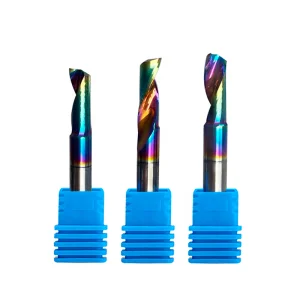
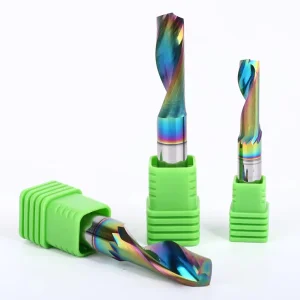
Polishing flutes post-grinding removes microscopic irregularities. Applying PVD coatings such as colorful DLC or specialized nitride-based films creates a hard outer barrier (up to 3000 HV), reducing friction when machining sticky materials like aluminum or copper.
Inspecting tools using multi-axis optical scanners to verify runout, core diameter, helix profile consistency, and cutting-edge radius ($r_\beta$), ensuring reliable performance under production conditions.
Integrated Production Facilities, Industrial R&D Capabilities, and Global Quality Assurance Systems
Dongguan Carto Tool Co., Ltd. is a professional manufacturer specializing in industrial cutting tools, CNC machining tools, milling systems, turning solutions, and precision metal cutting technologies. The company is dedicated to providing high-performance tooling solutions for modern manufacturing industries, including automotive, aerospace, mold processing, machinery production, and general metal fabrication.
Since its establishment, Carto Tool has developed from a small-scale cutting tool workshop into a specialized industrial tooling supplier with integrated R&D, production, and quality control capabilities. In its early stage, the company focused on basic turning and milling tool production for local machining workshops. With the rapid growth of China’s manufacturing sector, Carto Tool expanded its technology base and began developing more advanced CNC-compatible cutting systems to meet higher precision and efficiency requirements.

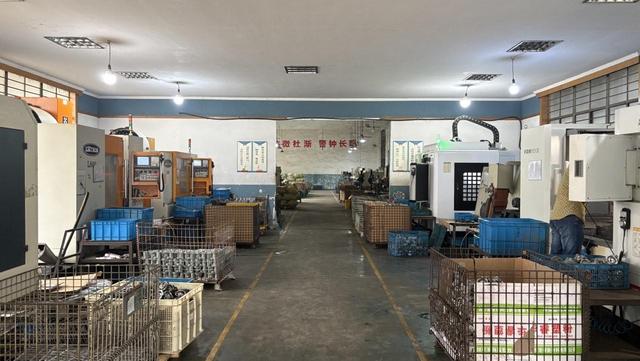
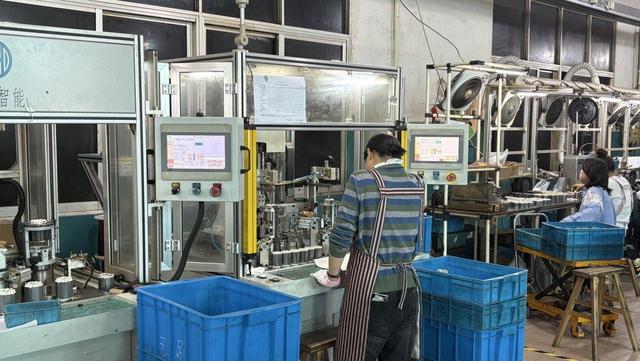
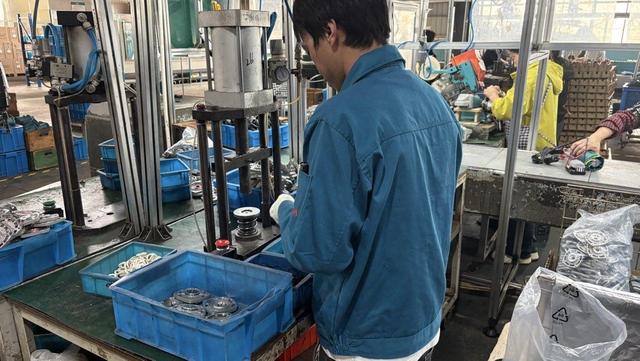
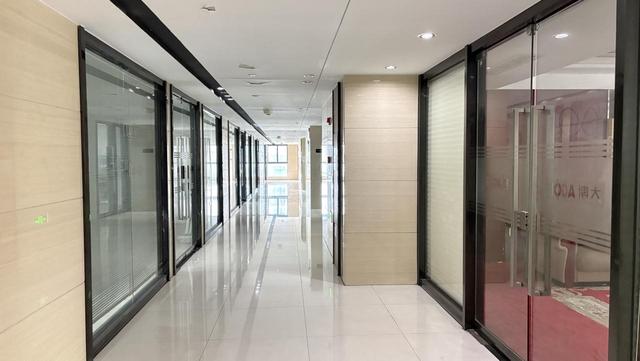
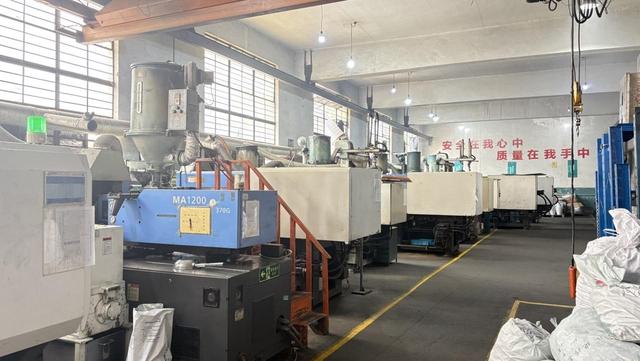
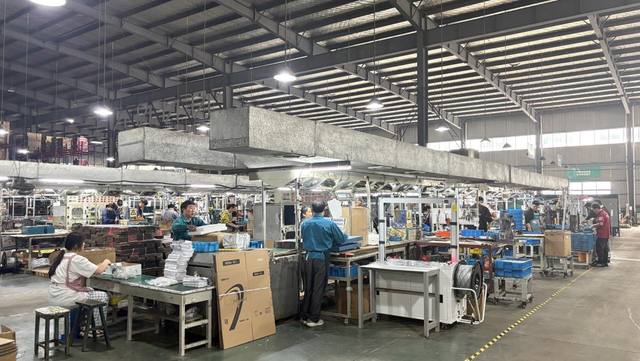
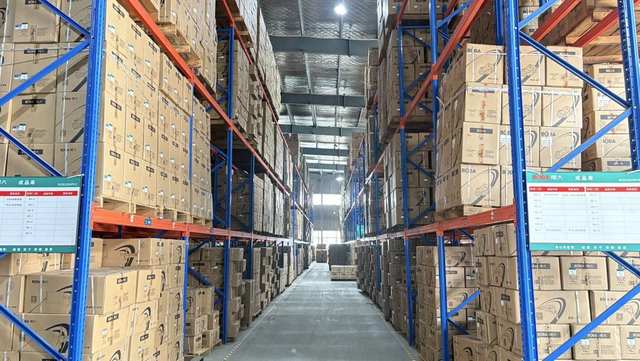
During its development phase, the company invested in carbide material research, coating technology improvements, and CNC tool geometry optimization. It introduced modern production lines and precision grinding equipment to ensure stable performance and long tool life. At the same time, Carto Tool strengthened its testing systems to improve cutting accuracy, wear resistance, and thermal stability across different machining environments.
Today, Dongguan Carto Tool Co., Ltd. serves global industrial clients with a wide range of cutting tool solutions designed for high-speed, high-precision, and heavy-duty applications. The company continues to focus on innovation in CNC machining efficiency, metal cutting performance, and cost optimization for manufacturers. With a commitment to quality and engineering excellence, Carto Tool aims to become a trusted international supplier in the industrial cutting tools industry, supporting smarter and more efficient global manufacturing systems.
Matching Material Classifications with Cutting Edge Geometries
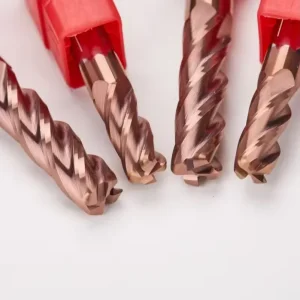
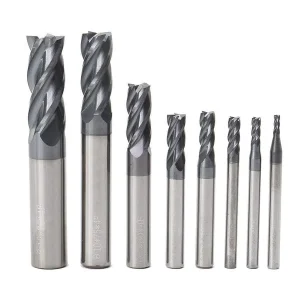
High-precision molds require long finishing passes on hardened tool steels (such as 1.2344 or P20). Our HRC55 and HRC65 Solid Carbide Corner Radius End Mills offer thermal stability, reducing tool changes during deep cavity milling operations.
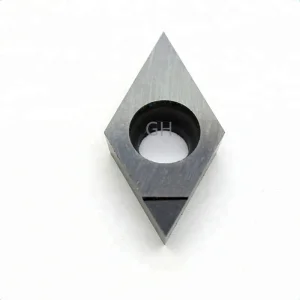
Machining complex parts from titanium alloys (Ti-6Al-4V) and aerospace-grade aluminum requires sharp cutting edges and optimized chip evacuation. Our MCD and PCD milling cutters help prevent work hardening in these materials.
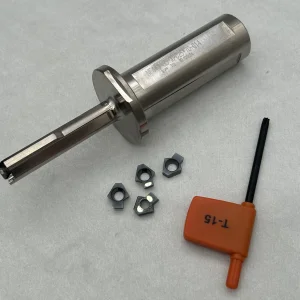
For job shops handling mixed batches of materials, including stainless steels (AISI 304/316) and brass alloys, our versatile indexable milling cutter inserts (such as APMT1135) provide clean cutting action and consistent tool life across different operations.
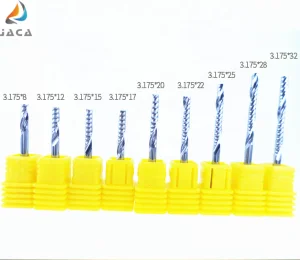
Istanbul's furniture and building supplies industries require tooling for MDF, chipboard, and composites. PCD diamond spiral router bits and single-flute carbide cutters provide clean edges during sizing operations.
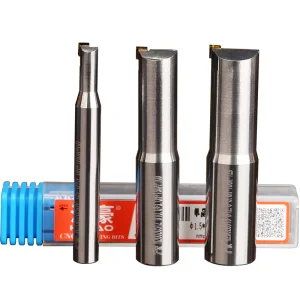
Solid Carbide End Mills, Indexable Inserts, PCD/MCD Cutters, and Precision Maintenance Machinery
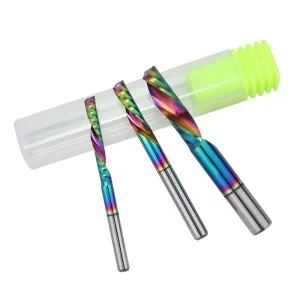
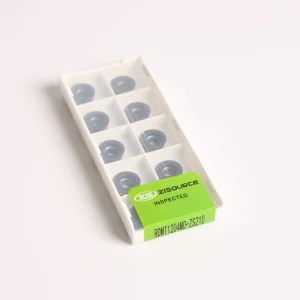
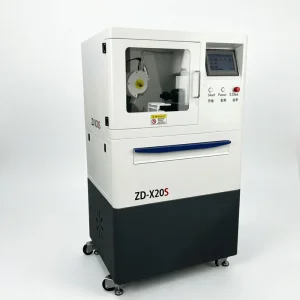
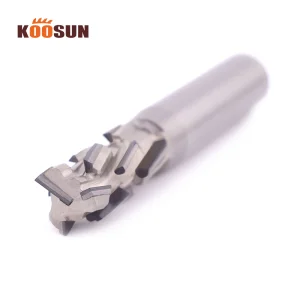
Technical Answers for Machining Engineers & Tool Procurement Managers in Istanbul
PCD (Polycrystalline Diamond) uses diamond grains bound together under high temperature and pressure, offering structural stability for general high-speed operations. MCD (Monocrystalline Diamond) consists of a single diamond crystal, eliminating grain boundary gaps. This structure allows MCD tools to produce highly polished surfaces on materials like PMMA, polycarbonates, and aluminum alloys.
AlTiN coatings form an aluminum oxide layer at temperatures above 800°C, which helps block heat transfer to the carbide substrate. DLC (Diamond-Like Carbon) coatings provide low friction coefficients (under 0.1) and prevent material sticking during the machining of aluminum and copper alloys, protecting the tool's core from adhesive wear.
Dynamic runout measures how much the tool's axis offsets from the spindle centerline during rotation. A runout exceeding 5 microns can cause uneven chip load distribution among the cutting flutes, leading to premature corner chipping, poor surface finishes, and reduced tool life.
We offer global export logistics, including express air transport (DHL, FedEx, UPS) and maritime shipping. For manufacturing clients in Istanbul's industrial zones, custom clearing files, certificate of origin paperwork, and technical support documentation are prepared to facilitate processing through Turkish customs.
 Carto Tool