Explore our state-of-the-art cutting tools, deep-hole drilling modules, and intelligent breakage detection components manufactured to micro-tolerance standards.
In the modern metal fabrication and high-precision CNC manufacturing ecosystems, thermal management and friction control have evolved from ancillary operational variables to central determinants of overall equipment effectiveness (OEE). Dongguan Carto Tool Co., Ltd. stands at the forefront of this industrial transition, operating as a specialized manufacturer and global developer of integrated fluid cutting solutions, carbide tooling components, and state-of-the-art milling systems. Driven by engineering excellence and structural supply chain optimization, we enable global enterprises to balance mechanical efficiency, heat-induced tool fatigue, and material removal rates.
Since our inception as a local high-precision tool workshop, Carto Tool has leveraged the unique manufacturing infrastructure of South China's Greater Bay Area. The historical trajectory of our facility represents a paradigm shift: transition from general sub-contract tooling to advanced research and development in premium carbide alloys, high-performance physical vapor deposition (PVD) coatings, and intelligent sensor-equipped tool management hardware. By merging chemical fluid physics with advanced metallurgical engineering, we supply industrial facilities with optimized solutions for aerospace machining, heavy transport components, mold and die manufacturing, and automated high-throughput production lines.
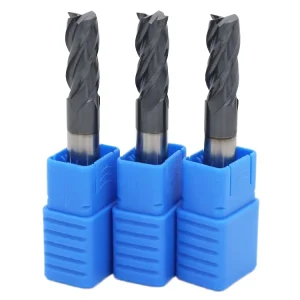
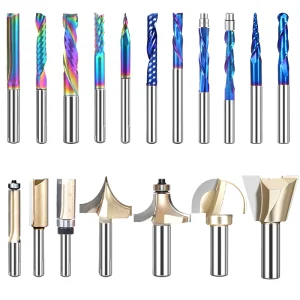
We develop specific micro-grain tungsten carbide matrices and Single Crystal Diamond (MCD) surfaces to yield ultra-high edge retention, designed for high-gloss milling of non-ferrous metals and carbon fiber matrices.
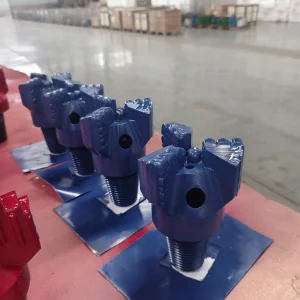
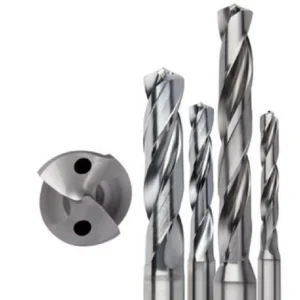
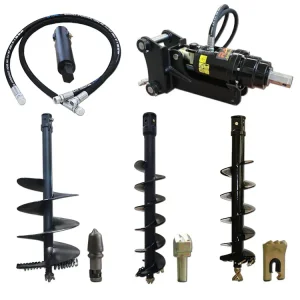
Our VMD, MDD, and solid carbide drill series incorporate precision inner fluid pathways designed to deliver coolant straight to the cutting edge, managing thermal stress, and optimizing chip evacuation.
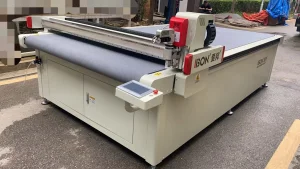
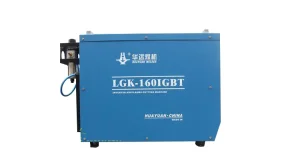
Integrating real-time sensor networks directly within the CNC machining housing to detect and prevent catastrophic cutting tool failure, preserving high-value workpieces and eliminating unscheduled downtime.
The global mechanical manufacturing market is undergoing a transition driven by tighter environmental regulations, energy cost volatility, and the introduction of next-generation alloys that exhibit extreme toughness and low thermal conductivity (such as Inconel, Titanium Grade 5, and high-strength automotive steel). In response, industrial processes are moving away from traditional flood cooling toward advanced fluid delivery systems, dry cutting, and high-pressure Minimum Quantity Lubrication (MQL). Under these conditions, the compatibility between tool geometries and fluid dynamics is critical.
In regions such as North America, Germany, and Japan, manufacturers face pressure to achieve high sustainability targets alongside maximum material yield. Cutting fluid is no longer treated as just a cooling medium; it functions as a critical design element that dictates tool life and chip evacuation. This necessitates cutting tools with internal pathways designed to match the viscosity and pressure profiles of modern industrial coolants. Without precise through-coolant pathways, high-speed deep-hole machining causes heat build-up that damages tool integrity and leads to micro-cracking along the cutting edges.
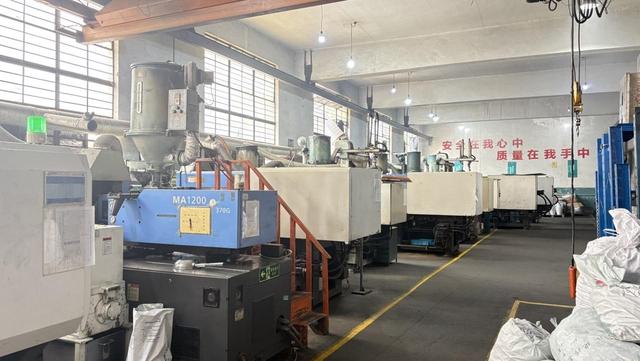
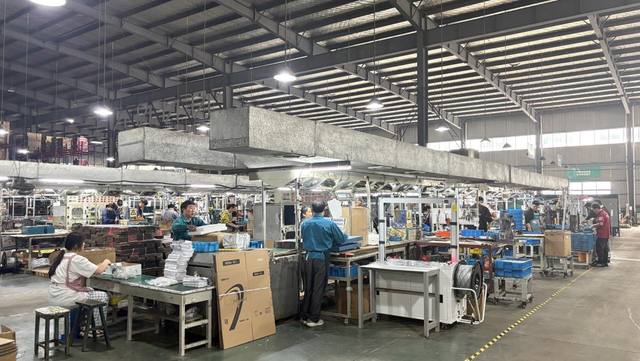
Operating out of Dongguan, Carto Tool leverages an integrated industrial cluster. This localized concentration enables us to control the entire manufacturing process—from high-grade raw tungsten carbide powder sourcing and precision grinding on multi-axis Walter and ANCA CNC machines, to specialized vapor-deposition coating (PVD/CVD) processes. This complete integration reduces manufacturing lead times and isolates our customers from unexpected global supply chain disruptions.
Our localized supply chain design delivers three key operational advantages to industrial buyers:
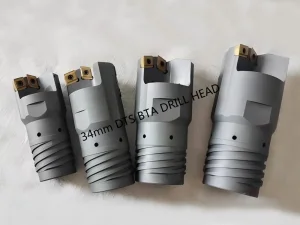
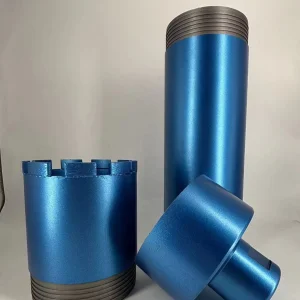
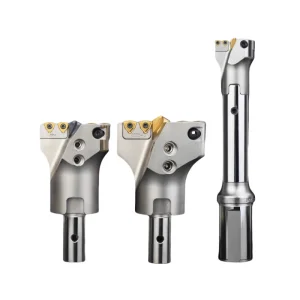
In aerospace component manufacturing (such as structural wings and engine mounts built from titanium and aluminum alloys), deep-hole drilling poses challenges. Traditional external cooling cannot consistently reach the cutting zone, which can lead to chip clogging and tool failure. Utilizing our *34mm Deep Hole Drilling Tools Ejector System*, an aerospace component supplier achieved a 40% reduction in heat accumulation. The internal fluid pathways deliver cutting fluid directly to the cutting zone under high pressure, maintaining a constant temperature and ensuring continuous chip evacuation.
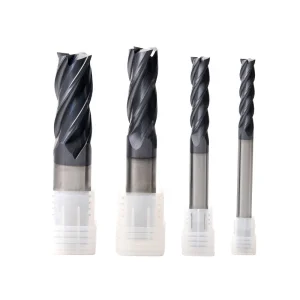
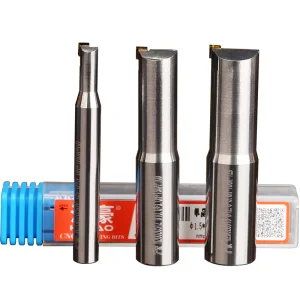
High-volume automotive manufacturing requires continuous machining and minimal downtime. When milling structural steels and engine blocks, standard tools degrade rapidly under high mechanical loads. Using our *HRC58 Four Blade Precision Hard Alloy CNC Milling Cutter*, automotive manufacturers can optimize feed rates and maintain tool life in high-speed, high-temperature environments. The TiAlN coating creates an aluminum oxide layer that protects the tool and maintains sharpness under heavy thermal load.
Modern consumer electronics require high aesthetic standards, necessitating clean, burr-free finishes on aluminum and acrylic parts. Our *HUHAO MCD Single Crystal Diamond Milling Cutter* provides the edge stability needed to meet these visual standards. The single-crystal diamond edge reduces mechanical friction, minimizing surface roughness and eliminating the need for post-machining polishing steps.
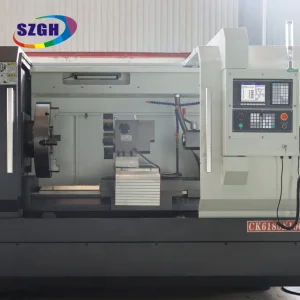
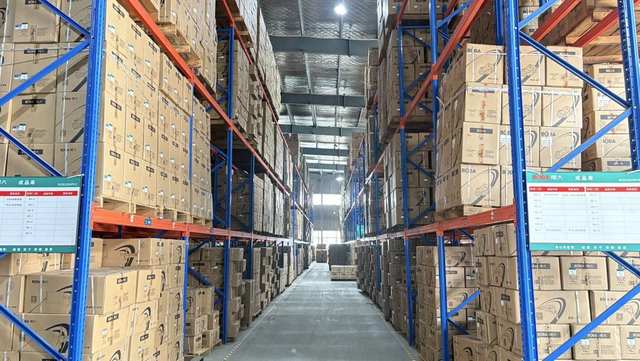
Inside the production facility: Advanced grinding centers, automated quality inspection, and custom vapor deposition coating systems.
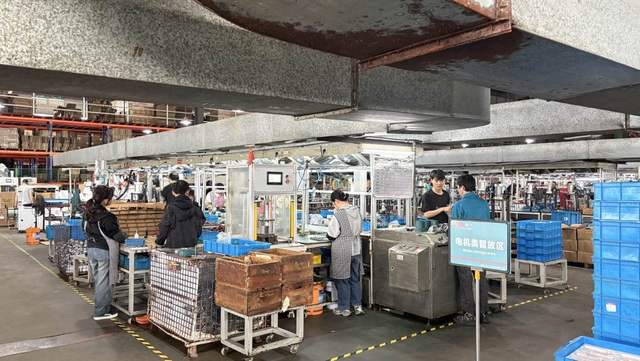
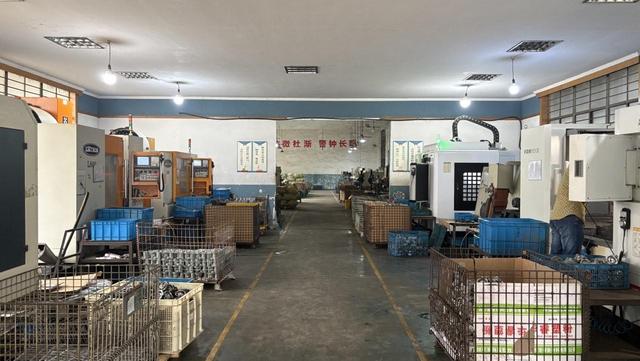
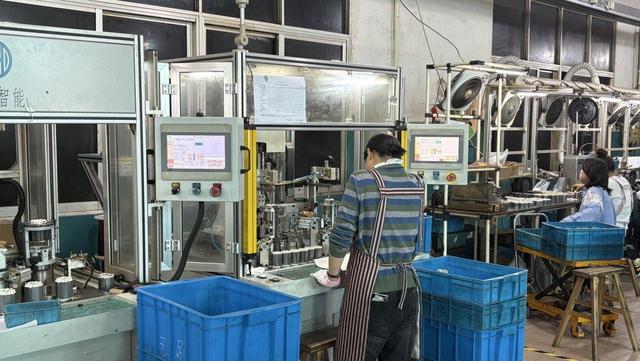
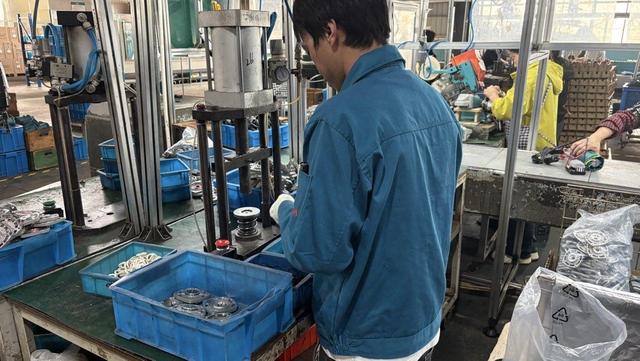

The manufacturing industry is moving toward higher automation and real-time process monitoring. The Carto Tool engineering roadmap focuses on three main developments:
Our R&D team is integrating miniature piezoelectric sensors directly into custom tooling shanks. These sensors monitor vibration and temperature changes during operation, feeding data to our *OEM Smart CNC Tool Breakage Detection System*. This enables real-time tool wear prediction and automatic machine stops before tool breakage can damage the workpiece.
We are developing helical internal fluid micro-channels using additive manufacturing techniques. These channels optimize fluid flow patterns to prevent thermal shock, reduce coolant consumption by up to 50%, and improve cooling efficiency in deep-hole drilling applications.
Our upcoming generation of coatings features nanostructured layers designed to withstand extreme thermal conditions. These coatings are engineered to allow dry machining of hard metals, reducing the consumption of water-miscible fluids and lowering the environmental impact of machining processes.
We ensure our products meet international industrial standards and regulatory requirements. Our manufacturing processes conform to ISO 9001:2015 quality standards, and we verify compliance with REACH and RoHS standards for environmental safety. Carto Tool provides comprehensive material documentation and safety certifications to simplify importing and integration for global buyers.
Through partnerships with distributors and technical service centers in Europe, North America, and Southeast Asia, we provide localized support to our customers. Our team offers application engineering, field troubleshooting, and custom tooling modifications to ensure our products integrate smoothly into existing CNC setups and manufacturing lines.
Heavy-duty tooling systems, solid carbide milling cutters, and motion controllers built for modern, automated manufacturing environments.
 Carto Tool