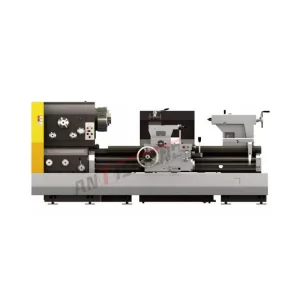
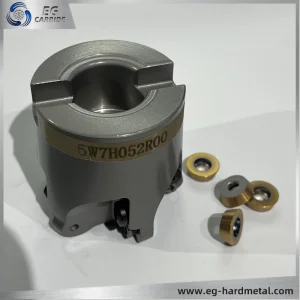
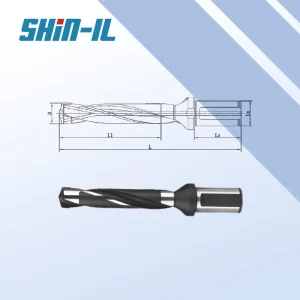
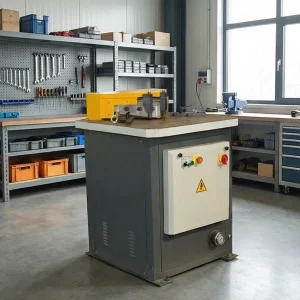
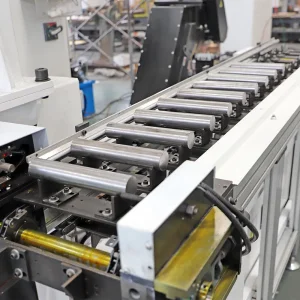
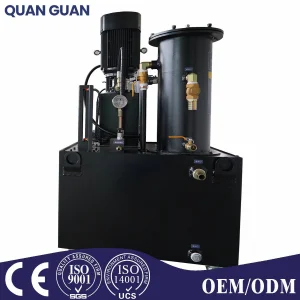
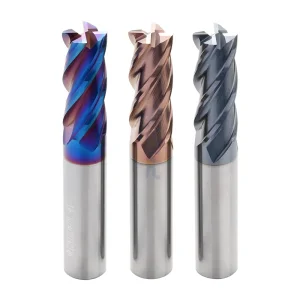
Explore our elite portfolio of CE-certified milling cutters, high-precision lathe systems, and custom diamond-coated machining assets designed for optimal performance.
In the rapidly shifting matrix of modern precision manufacturing, traditional cutting tools are undergoing a monumental paradigm shift. The integration of cyber-physical systems, advanced material science, and data-driven machining strategies has paved the way for CE Certified Smart Tool Solutions. These technologies are no longer passive instruments of mechanical wear; instead, they serve as crucial, high-intelligence interfaces in the manufacturing value chain. Certified compliance under CE guidelines ensures that these high-speed cutting assemblies, modular drilling tools, and heavy-duty lathe networks align with strict European and international standards for structural stability, dynamic safety, and mechanical tolerance.
This white paper explores how modern CNC tool manufacturers, led by industry pioneers like Dongguan Carto Tool Co., Ltd., have transitioned from localized, workshop-scale production to state-of-the-art technological hubs. By researching advanced carbide metallurgies, implementing high-temperature resistant physical vapor deposition (PVD) and chemical vapor deposition (CVD) coatings, and engineering optimized macro and micro-geometries, contemporary manufacturing systems can achieve unparalleled efficiency. For procurement executives and operations directors globally, understanding the underlying engineering parameters of smart tools is the single most critical factor in mitigating downtime, optimizing total cost of ownership (TCO), and securing market superiority in the era of Factory 4.0.
The global industrial landscape is experiencing severe structural adjustments. High energy costs, supply chain vulnerabilities, and the absolute requirement for carbon neutrality are driving factories to demand high-feed, high-efficiency, and dry-machining-compatible tools. In regions like North America, Western Europe, and parts of East Asia, manual operation is shrinking in favor of fully automated, "lights-out" manufacturing shifts. In these unattended operations, tool breakage or premature degradation translates to catastrophic losses.
Smart tool solutions address this vulnerability through predictable wear modeling and superior chemical formulations. For instance, the demand for machining exotic alloys—such as Titanium Grade 5 in aerospace or high-silicon aluminum in automotive chassis design—requires tools with extreme thermal stability. Standard carbide tools degrade rapidly when exposed to the high temperatures generated by these low-thermal-conductivity metals. By transitioning to high-hardness PCD (Polycrystalline Diamond) and ultra-fine micro-grain tungsten carbide substrates, manufacturers ensure thermal dispersion and prevent built-up edge (BUE) formation, keeping production systems operational for extended periods.
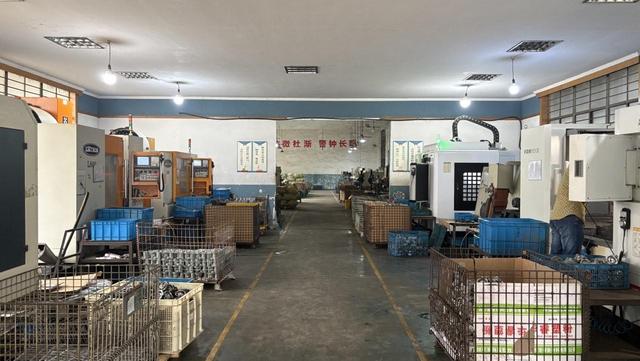
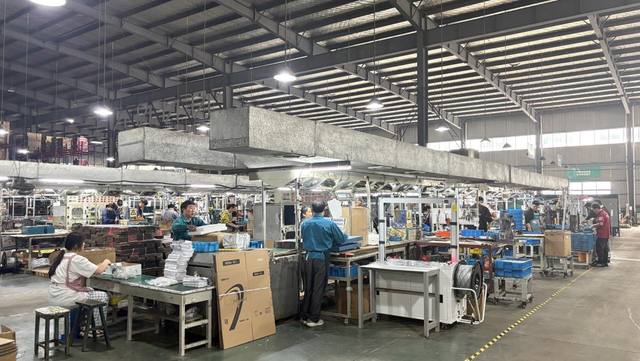
Dongguan Carto Tool Co., Ltd. sits at the heart of this technological revolution. Initially established as a localized, small-scale cutting tool workshop servicing regional machinery manufacturers, the company's evolution mirrors the rapid technological expansion of China's industrial sector. Leveraging the massive logistics networks, deep steel and carbide raw material clusters, and highly skilled engineering talent of the Pearl River Delta, Carto Tool has scaled into an integrated R&D, design, manufacturing, and testing powerhouse.
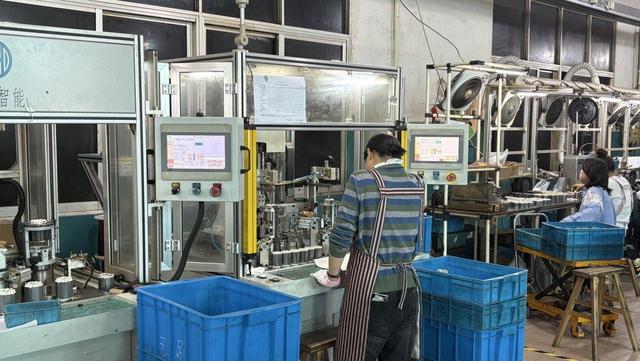
The primary competitive advantage of China's Factory 4.0 model lies in the tight coupling of digital engineering and localized manufacturing flexibility. Carto Tool has integrated advanced multi-axis grinding centers, high-vacuum coating chambers, and automated visual inspection systems. This level of vertical integration means custom tooling requests, which typically take weeks or months in traditional supply structures, can be modeled via finite element analysis (FEA), prototyped, coated, tested, and shipped globally in significantly compressed timelines.
Developing ultra-fine tungsten carbide grains mixed with customized cobalt ratios to achieve maximum fracture toughness and hardness simultaneously.
Employing state-of-the-art PVD and CVD coatings, such as AlTiN and TiSiN, engineered to withstand extreme cutting zone temperatures up to 900°C.
Every tool geometry is subjected to dynamic balance testing and simulation to eliminate vibration, ensure runout tolerances within 0.005mm.
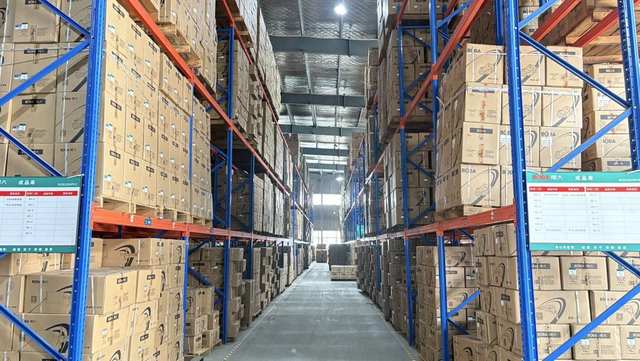
Furthermore, modern supply chain resilience is about risk mitigation. By maintaining deep stockpiles of raw materials and using modular tooling components, Dongguan Carto Tool Co., Ltd. cushions global buyers from fluctuations in commodity prices. The transition from localized workshop to global partner means that every step—from metallurgical testing to geometry optimization—is tracked via localized ERP systems to ensure high traceability and consistent batch quality.
To understand the efficiency of smart tool solutions, one must look at the microscopic scale of the cutting edge. Under high-speed machining conditions, the tool tip is subjected to intense mechanical stress (often exceeding 1 GPa) and extreme thermal gradients. Dongguan Carto Tool has optimized three critical vectors of tool construction to combat these degradation forces:
The hardness and toughness of tungsten carbide are traditionally inversely proportional. By reducing the cobalt binder matrix to sub-micron and nano-scale grain sizes, Carto Tool has succeeded in manufacturing substrates that maintain extreme hardness (up to HRC65) while retaining the structural elasticity required to prevent micro-chipping under intermittent cut loads.
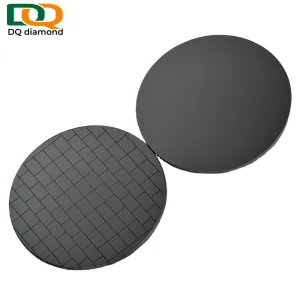
Coatings act as thermal and chemical barriers. Aluminum Titanium Nitride (AlTiN) forms a protective aluminum oxide (Al2O3) layer on the tool surface during high-temperature operations, which actually increases the tool’s hardness as the cut progresses. For non-ferrous materials such as carbon fiber reinforced polymers (CFRP), wood, and aluminum alloys, Polycrystalline Diamond (PCD) coatings are utilized, providing a friction coefficient close to zero and protecting the underlying carbide from chemical adhesion.
Vibration (chatter) is the enemy of surface finish and tool longevity. By designing mills and drills with variable pitch and unequal helix indexation, the harmonic frequencies generated during chip evacuation are broken up. This leads to smoother cuts, lower spindle load, and a superior surface finish that often eliminates the need for secondary polishing operations.
The validation of any engineering design occurs at the machine tool level. Let us review the primary application fields where Carto Tool components are deployed:
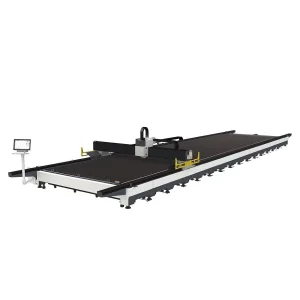
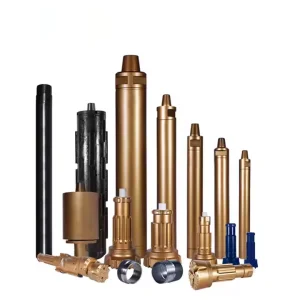
Discover our heavy-duty laser processing systems, deep-hole drilling equipment, and advanced double-turret CNC control solutions.
Our engineering department answers the most critical technical questions raised by global procurement and production operations managers.
A professional manufacturer specializing in industrial cutting tools, CNC machining tools, milling systems, turning solutions, and precision metal cutting technologies.
Dongguan Carto Tool Co., Ltd. is dedicated to providing high-performance tooling solutions for modern manufacturing industries, including automotive, aerospace, mold processing, machinery production, and general metal fabrication. Since its establishment, Carto Tool has developed from a small-scale cutting tool workshop into a specialized industrial tooling supplier with integrated R&D, production, and quality control capabilities. In its early stage, the company focused on basic turning and milling tool production for local machining workshops. With the rapid growth of China’s manufacturing sector, Carto Tool expanded its technology base and began developing more advanced CNC-compatible cutting systems to meet higher precision and efficiency requirements.
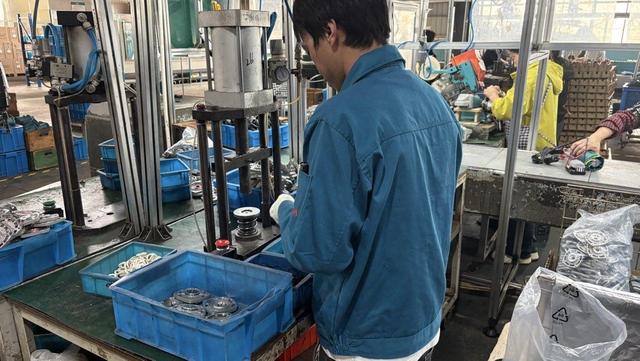
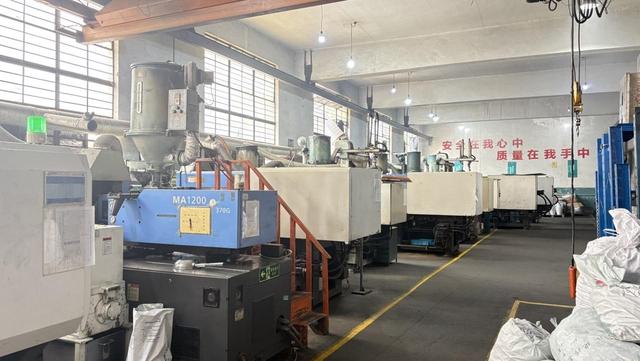
During its development phase, the company invested in carbide material research, coating technology improvements, and CNC tool geometry optimization. It introduced modern production lines and precision grinding equipment to ensure stable performance and long tool life. At the same time, Carto Tool strengthened its testing systems to improve cutting accuracy, wear resistance, and thermal stability across different machining environments.
Today, Dongguan Carto Tool Co., Ltd. serves global industrial clients with a wide range of cutting tool solutions designed for high-speed, high-precision, and heavy-duty applications. The company continues to focus on innovation in CNC machining efficiency, metal cutting performance, and cost optimization for manufacturers. With a commitment to quality and engineering excellence, Carto Tool aims to become a trusted international supplier in the industrial cutting tools industry, supporting smarter and more efficient global manufacturing systems.


 Carto Tool