High-durability machine taps and automated threading systems engineered to process high-tensile alloys and withstand heavy duty marine and structural applications.
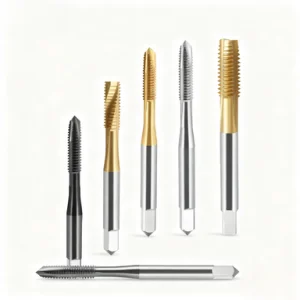
Analysis of machining demands, material parameters, and high-spec demands in Germany's largest logistical and aviation hub.
As a leading economic powerhouse in Northern Germany, the Hamburg metropolitan region represents a highly sophisticated convergence of maritime engineering, aerospace manufacturing, and renewable wind energy. The structural components manufactured here demand extreme tolerance limits, particularly when preparing screw threads that must withstand massive cyclic loading, corrosive marine environments, and sub-zero atmospheric temperatures. High-grade materials such as Duplex stainless steels (1.4462 / 1.4410), titanium alloys (Ti-6Al-4V), and high-strength marine structural steels are standard in the local workshops.
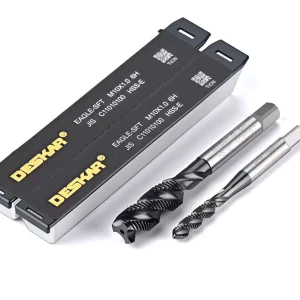
In maritime applications, threading and tapping systems must guarantee flawless profile accuracy to prevent hydrogen embrittlement and stress corrosion cracking in high-tensile fasteners. Meanwhile, the aviation cluster centered around Hamburg-Finkenwerder relies heavily on optimized mechanical tapping tools capable of dry-machining or utilizing Minimum Quantity Lubrication (MQL) setups. Traditional HSS taps often fail prematurely due to high thermal loads when processing nickel-based superalloys or tough stainless steels. This necessitates the use of cobalt-reinforced HSS (HSS-Co5 / HSS-Co8) and micro-grain solid carbide substrates coupled with advanced Physical Vapor Deposition (PVD) coatings like Titanium Carbonitride (TiCN) and Aluminum Titanium Nitride (AlTiN).
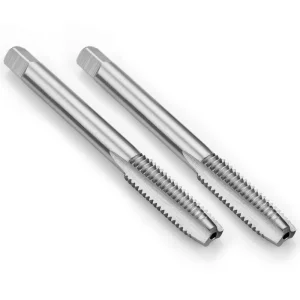
Corrosion-resistant steel threading requires specialized tap geometries that minimize friction heat and prevent material adhesion on the tool flanks. Our DIN standard taps are tailored for complex marine structural components.
Tapping Titanium and Aluminum-Lithium alloys demands ultra-sharp cutting edges and precise rake angles. Carto Tool's custom designs satisfy the rigid requirements of Hamburg's aviation suppliers.
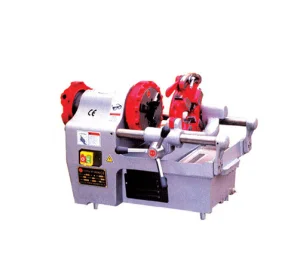
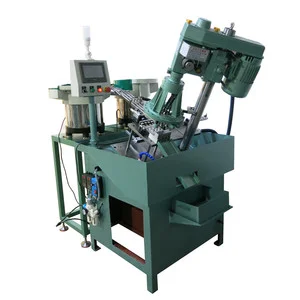
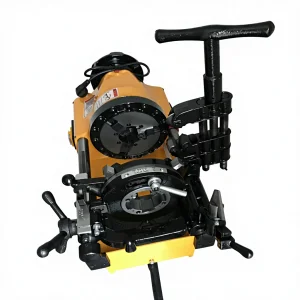
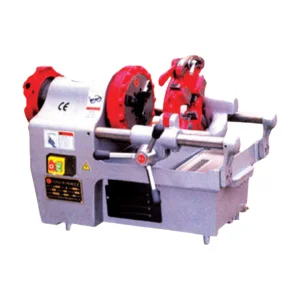
Generating threads in large-diameter offshore wind turbine nacelles and yaw systems calls for heavy-duty automatic piping and threading systems capable of sustained high-torque operation.
Discover how advanced materials and smart automation are transforming traditional metal cutting processes.
The global metal cutting and threading industry is transitioning toward high-efficiency machining centers and industry 4.0 automation. Modern operations require tapping speeds of up to 40 m/min in high-alloy steels without risking tap fracture. This paradigm shift highlights three key trends:
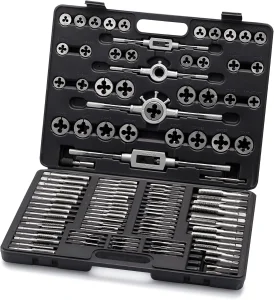
High-durability hand taps, multi-spindle brass tapping systems, and universal thread repair equipment optimized for general manufacturing environments.
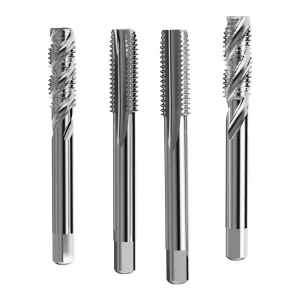
How our custom engineering address tooling failure, heat deformation, and structural integrity under cyclic load conditions.
Industrial tapping is not merely about driving a tool into a pre-drilled hole; it is a complex thermodynamic and tribological system. Carto Tool works closely with German engineering partners to map out total machining solutions. Key aspects of our engineering assistance include:
For blind-hole tapping, our spiral flute taps (usually 35° to 45° helix angle) pull the chips backward, preventing congestion and thread deformation. For through-holes, our spiral point taps push chips ahead, mitigating tap breakage risk.
We leverage Cobalt HSS alloys (M35 containing 5% Cobalt, M42 containing 8% Cobalt) to retain high red-hardness during fast machining cycles, outlasting conventional carbon steels in dry machining setups.
Precision backing off (radial relief) of the tap teeth reduces friction and prevents binding when retrieving the tool from high-elastic alloys like titanium, which tend to close in on the tap after cutting.
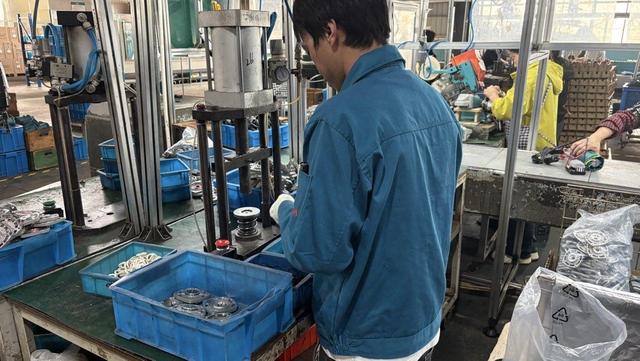
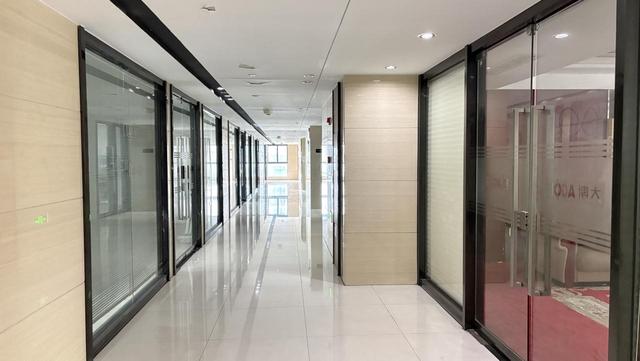
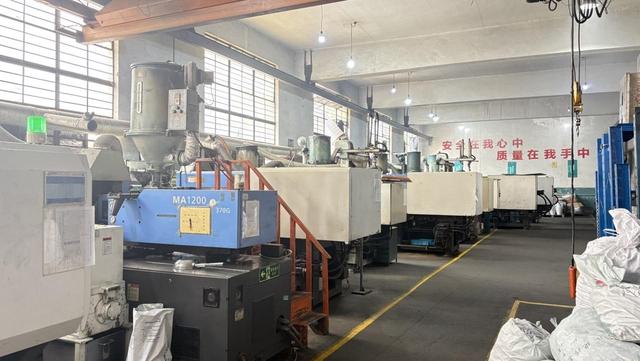
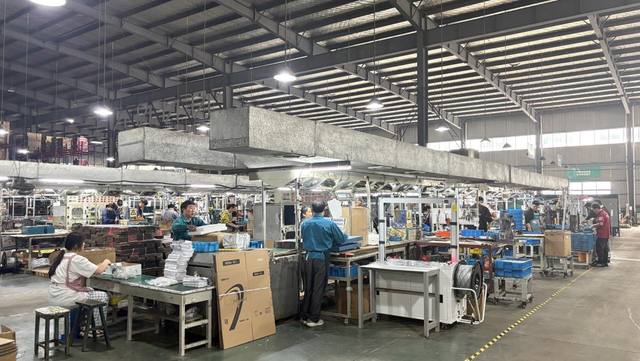
A specialized industrial tooling developer combining research, modern production lines, and strict quality control.
Dongguan Carto Tool Co., Ltd. is a professional manufacturer specializing in industrial cutting tools, CNC machining tools, milling systems, turning solutions, and precision metal cutting technologies. The company is dedicated to providing high-performance tooling solutions for modern manufacturing industries, including automotive, aerospace, mold processing, machinery production, and general metal fabrication.
Since its establishment, Carto Tool has developed from a small-scale cutting tool workshop into a specialized industrial tooling supplier with integrated R&D, production, and quality control capabilities. In its early stage, the company focused on basic turning and milling tool production for local machining workshops. With the rapid growth of China’s manufacturing sector, Carto Tool expanded its technology base and began developing more advanced CNC-compatible cutting systems to meet higher precision and efficiency requirements.
During its development phase, the company invested in carbide material research, coating technology improvements, and CNC tool geometry optimization. It introduced modern production lines and precision grinding equipment to ensure stable performance and long tool life. At the same time, Carto Tool strengthened its testing systems to improve cutting accuracy, wear resistance, and thermal stability across different machining environments.
Today, Dongguan Carto Tool Co., Ltd. serves global industrial clients with a wide range of cutting tool solutions designed for high-speed, high-precision, and heavy-duty applications. The company continues to focus on innovation in CNC machining efficiency, metal cutting performance, and cost optimization for manufacturers. With a commitment to quality and engineering excellence, Carto Tool aims to become a trusted international supplier in the industrial cutting tools industry, supporting smarter and more efficient global manufacturing systems.
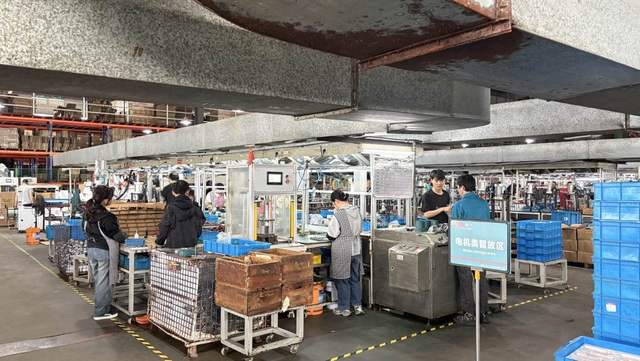
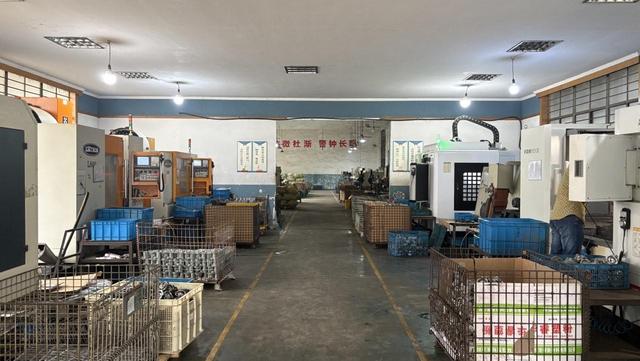
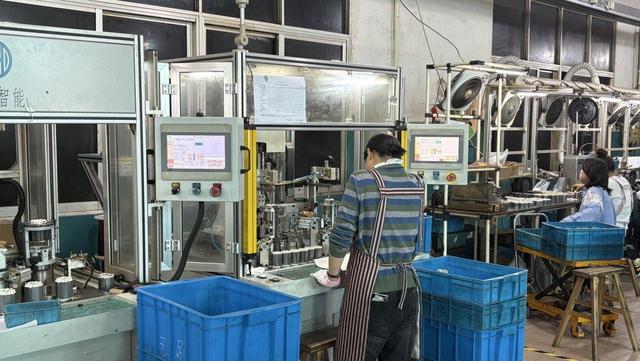
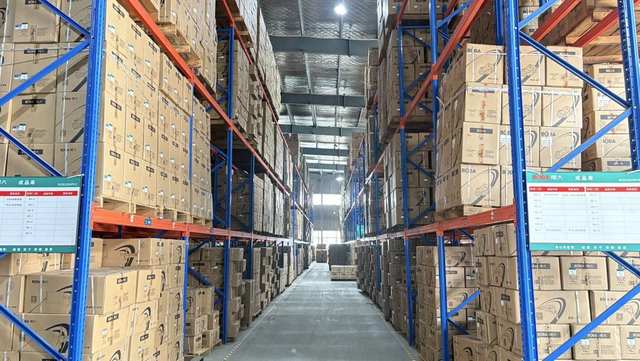
Bridging cost-effectiveness, deep vertical supply chains, and highly customizable engineering for European buyers.
Selecting the right OEM/ODM tool supplier from China offers substantial economic and developmental advantages for distributors and manufacturers in the Hamburg metropolitan area. Key factors include:
Delivering trust, certification compliance, and reliable supply lines to European buying hubs.
European supply chain managers operate under strict regulatory and quality directives. When dealing with metalworking tools, sourcing strategies must address quality parameters alongside environmental compliance and document security. Carto Tool addresses these global requirements directly:
Industrial tapping units, pipe cutters, and professional manual-repair systems designed for robust operational demands in the Hamburg sector.
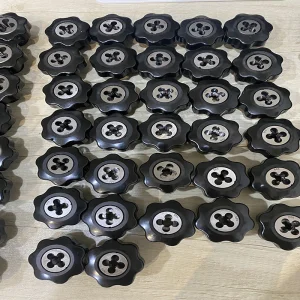
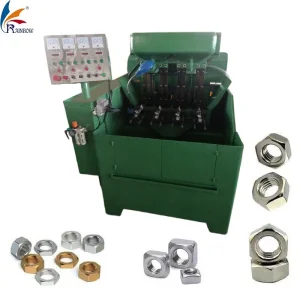
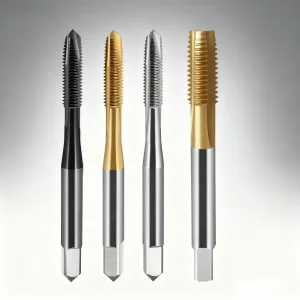
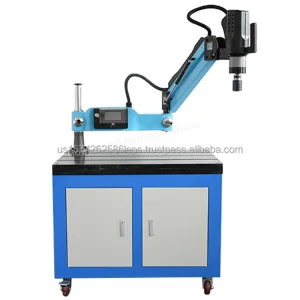
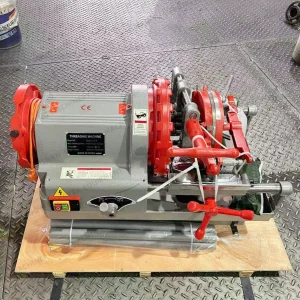
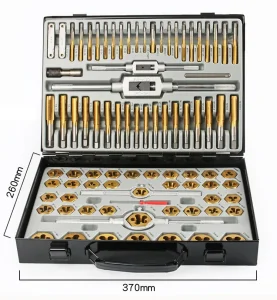
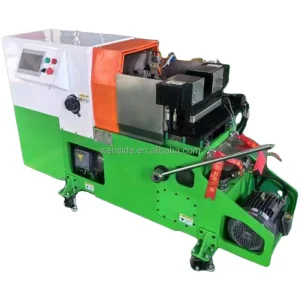
Technical expertise on tap material options, coating applications, and speed recommendations for industrial buyers.
Reduce cost-per-hole and tooling down-time in your CNC systems. Connect with our engineering department to configure a trial testing kit matching your material and tolerance profiles.
Send Inquiry Now Carto Tool