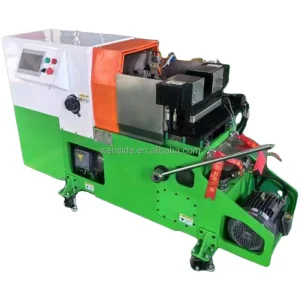
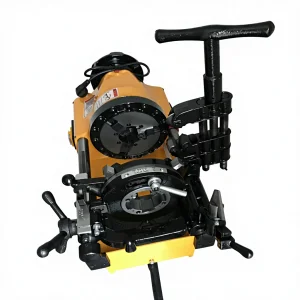
Premium precision tooling engineered to support New Zealand's automated production environments and heavy fabrication shops.
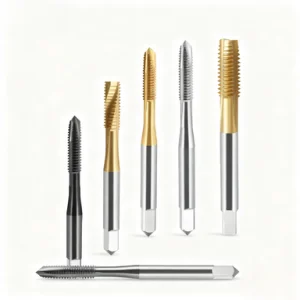
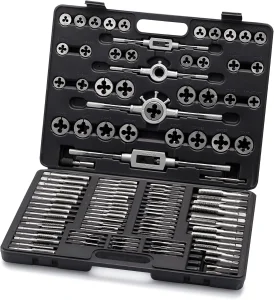
An expert analysis of local industrial demands, metallurgy standards, and sourcing strategies for high-performance cutting systems.
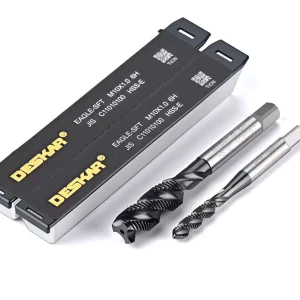
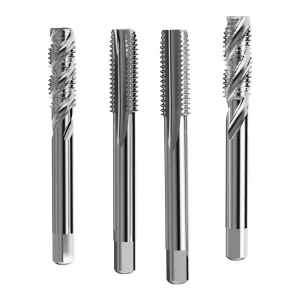
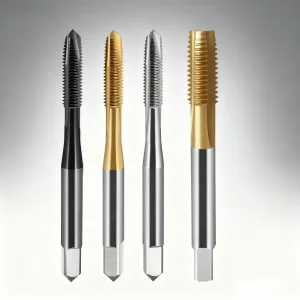
New Zealand's manufacturing sector exhibits a unique configuration, heavy on high-value niche industrial engineering, food processing equipment, forestry hardware, and marine vessel manufacturing. With regional hubs spanning Auckland, Canterbury, and Waikato, engineers face distinct challenges, including machining high-tensile components for seismic structural steel and corrosive marine applications. Standard cutting tools often fail prematurely due to the abrasive nature of marine-grade 316 stainless steel and heavy structural alloys. Utilizing premium Cobalt HSS (HSS-E) machine taps with advanced TiN (Titanium Nitride) or TiCN (Titanium Carbo-Nitride) coatings is critical to achieving stable thread geometry and preventing premature edge chip failures.
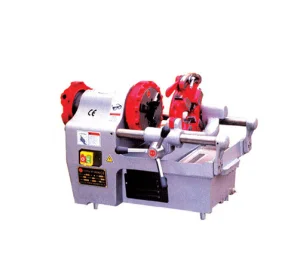
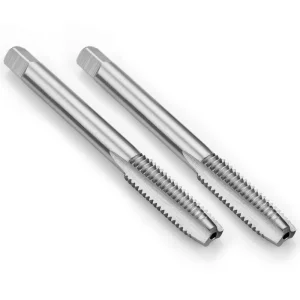
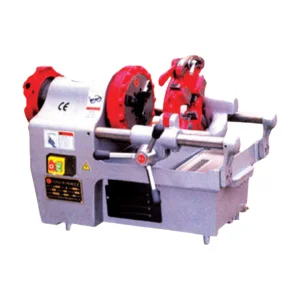
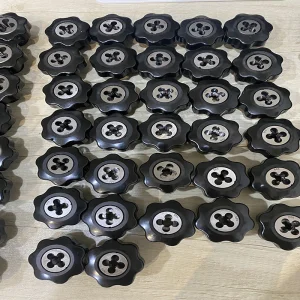
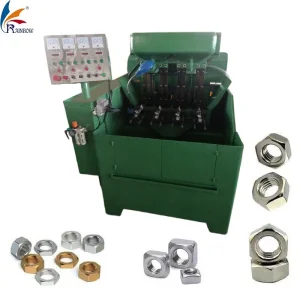
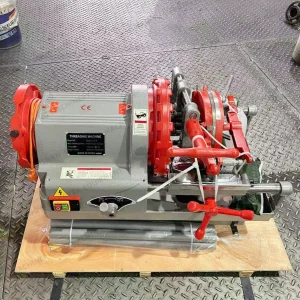
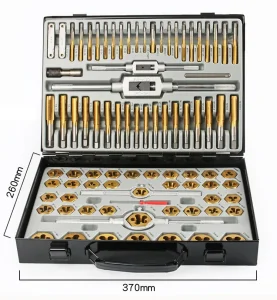
Choosing the correct coating chemistry is crucial for localized production runs. Cobalt alloys significantly increase red hardness, maintaining an active cutting edge even at temperatures approaching 600°C. For New Zealand's plumbing and HVAC pipeline installations, automatic galvanized and stainless steel pipe threading machines are essential. Operating configurations demand clean BSPT (British Standard Pipe Taper) profiles that align with regional building codes. Utilizing low-grade tool kits often leads to joint leaks and micro-cracking in the piping structures. High-precision alloy steel metric tap and die sets offer the micro-structural wear resistance needed for general infrastructure projects.
Maintain structural integrity with premium workshop systems configured to deliver maximum tool life and low friction indexes.
How NZ procurement officers mitigate lead times and manage tooling lifecycles in volatile shipping environments.
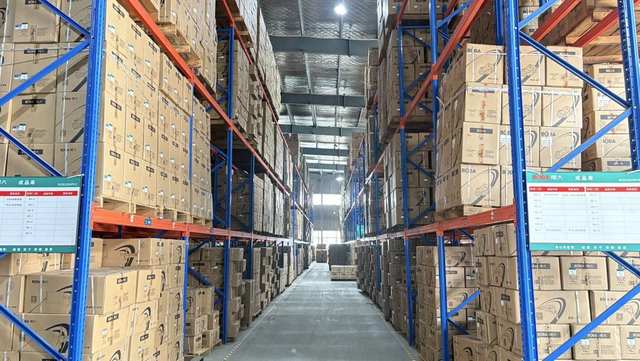
New Zealand’s geographic position makes it vulnerable to logistics bottlenecks. Tooling inventory management must balance lean operations with supply safety buffers. Local manufacturers are shifting away from general suppliers toward direct manufacturers who specialize in integrated R&D. Carto Tool addresses this challenge by providing direct access to customized tap geometries and high-speed steel grades, ensuring consistent supply. Standardizing threading systems around universal metrics reduces tooling variations and overhead costs.
Modern CNC machining requires coatings that withstand high speeds and dry cuts. While standard chemical vapor deposition (CVD) coatings work for general steel, physical vapor deposition (PVD) TiCN coatings provide the low-coefficient friction and micro-hardness needed for stainless steels. These coatings allow machine shops to run at higher speeds while reducing tool wear, optimizing cycle times and ensuring high precision for complex components.
Partnering globally to deliver high-precision industrial tooling solutions.
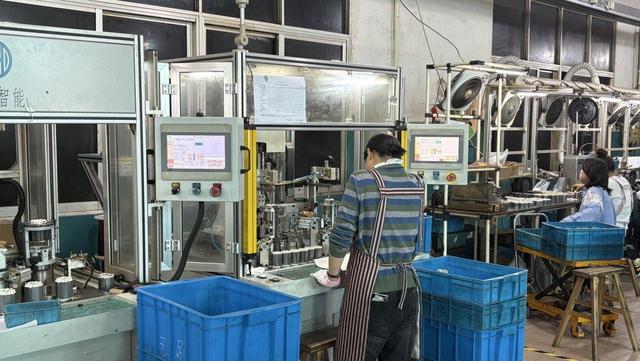
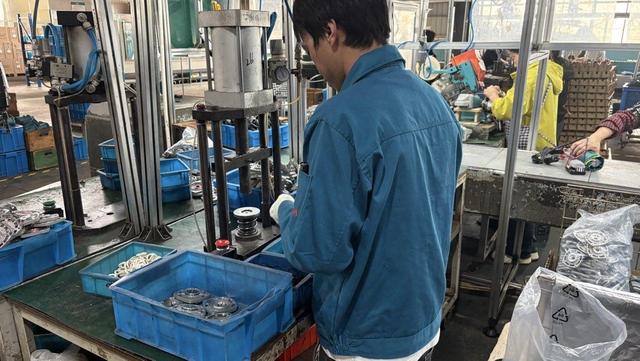
Dongguan Carto Tool Co., Ltd. is a professional manufacturer specializing in industrial cutting tools, CNC machining tools, milling systems, turning solutions, and precision metal cutting technologies. The company is dedicated to providing high-performance tooling solutions for modern manufacturing industries, including automotive, aerospace, mold processing, machinery production, and general metal fabrication.
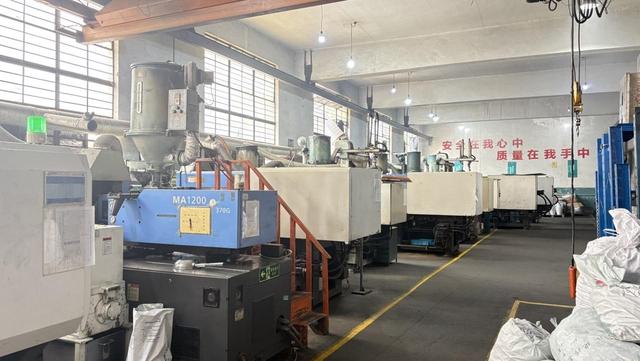
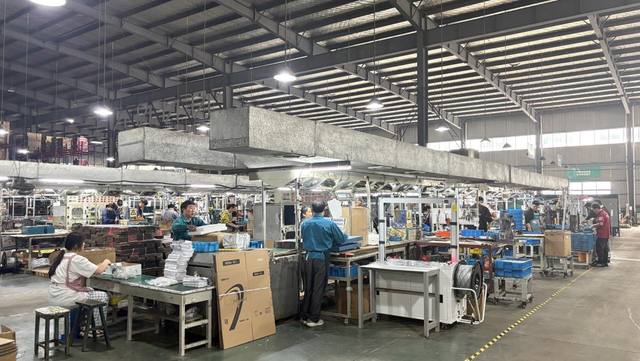
Since its establishment, Carto Tool has developed from a small-scale cutting tool workshop into a specialized industrial tooling supplier with integrated R&D, production, and quality control capabilities. In its early stage, the company focused on basic turning and milling tool production for local machining workshops. With the rapid growth of the global manufacturing sector, Carto Tool expanded its technology base and began developing more advanced CNC-compatible cutting systems to meet higher precision and efficiency requirements.
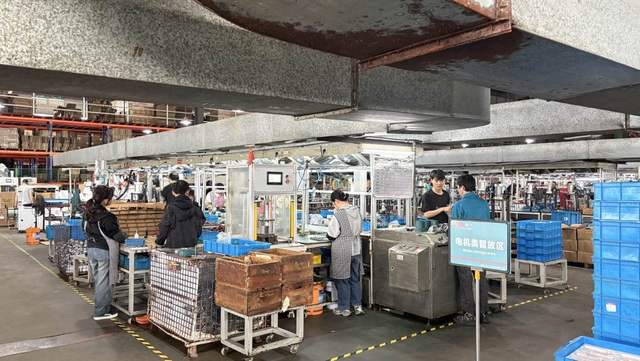
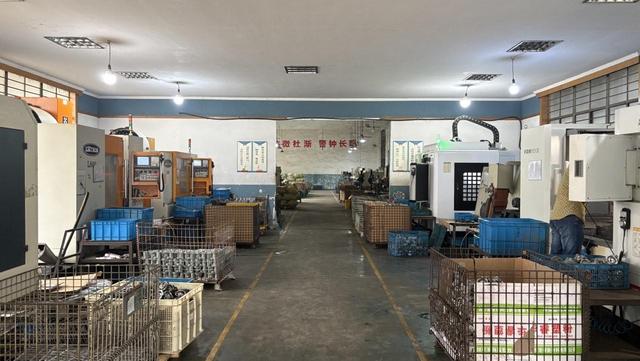
During its development phase, the company invested in carbide material research, coating technology improvements, and CNC tool geometry optimization. It introduced modern production lines and precision grinding equipment to ensure stable performance and long tool life. At the same time, Carto Tool strengthened its testing systems to improve cutting accuracy, wear resistance, and thermal stability across different machining environments.
Today, Dongguan Carto Tool Co., Ltd. serves global industrial clients with a wide range of cutting tool solutions designed for high-speed, high-precision, and heavy-duty applications. The company continues to focus on innovation in CNC machining efficiency, metal cutting performance, and cost optimization for manufacturers. With a commitment to quality and engineering excellence, Carto Tool aims to become a trusted international supplier in the industrial cutting tools industry, supporting smarter and more efficient global manufacturing systems.

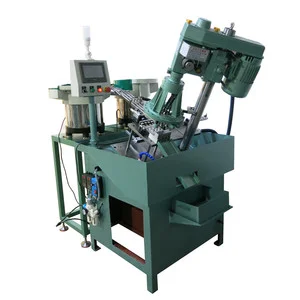
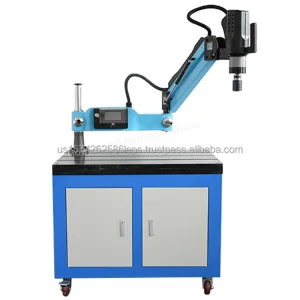
Explore our complete range of pipe preparation systems, manual repair kits, and multi-spindle automatic machinery.
Answers to common technical questions from New Zealand procurement managers and machinists.
 Carto Tool