Engineered for high-feed processing of non-ferrous alloys, high-silicon composites, and dental ceramics.
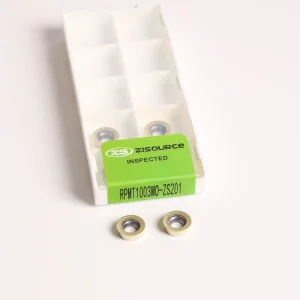
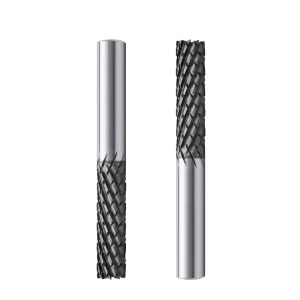
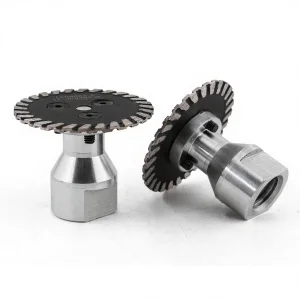
The manufacturing sector in Japan—renowned for its uncompromising commitment to *monozukuri* (the art of making things)—leads the world in automotive innovation, micro-electronics, dental restoration, and high-performance aerospace structures. As materials shift from traditional metals to advanced abrasive compounds, the requirements for cutting tools have evolved dramatically.
Lightweight automotive composites like high-silicon aluminum alloys (A390), carbon fiber reinforced polymers (CFRP), glass fiber reinforced plastics (GFRP), and tough ceramics require tools that can withstand immense abrasive wear. Standard carbide tooling fails rapidly due to micro-chipping and high frictional temperatures. This is where our CVD (Chemical Vapor Deposition) diamond-coated cutting tools emerge as a critical industrial solution, providing a surface hardness rating close to natural diamond (up to 10,000 HV) and exceptional thermal conductivity to dissipate heat directly from the shear zone.
Whether you are operating CNC machining hubs in Nagoya’s automotive belt, precision electronic labs in Tokyo, or aerospace assembly plants in the Kanto region, our specialized diamond tooling ensures unmatched dimensional accuracy and extended tool service lifespans.
Understanding the micro-material sciences to select the correct tooling configuration for your manufacturing processes.
Deposited using hot-filament CVD processes, these coatings are made of pure, crystalline diamond grown directly on cemented carbide substrates (typically 6% Co). We control the crystal size to achieve either *micro-crystalline* coatings for maximum durability or *nano-crystalline* coatings for ultra-smooth surface finishes.
Primary Application: Dry machining of CFRP/GFRP, graphite, green state ceramics, and high-silicon aluminum alloys.
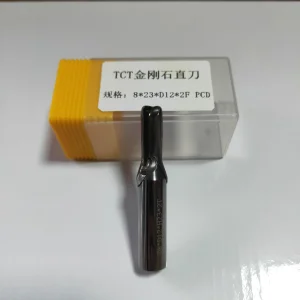
PCD tools utilize a solid diamond segment brazed onto a carbide shank or insert body. While exceptionally tough and excellent for straight-line cutting, PCD is limited in complex 3D helical geometries compared to CVD-coated end mills and drill bits.
Primary Application: Heavy-roughing operations and simple geometries in non-ferrous metals.
DLC is an amorphous carbon coating featuring a high percentage of sp3 carbon bonds. It is much thinner and smoother than CVD diamond, retaining razor-sharp cutting edges without altering tool geometries.
Primary Application: High-speed finishing of copper, plastic polymers, and low-silicon aluminum where coating thickness tolerance must remain under 1 micron.
Customized tooling configurations designed to meet the strict production challenges across Japan's leading sectors.
Drilling and edge-routing carbon fiber panels for aircraft structures presents high delamination risks. Our CVD diamond-coated compression routers feature opposing helix designs that press fibers toward the center of the sheet, ensuring clean, splinter-free finishes on both surfaces.
High-speed milling of high-silicon aluminum engine blocks and transmission cases requires tools with extremely low friction to prevent built-up edge (BUE) adhesion. Our specialized diamond milling inserts optimize chip evacuation, maintaining high material removal rates (MRR).
Machining abrasive materials like pre-sintered Zirconia dental crowns, PMMA, and dental cobalt-chromium requires micro-sized ball end mills with robust coatings. Our VHF/Roland-compatible CAD/CAM bits offer precise dimensional compliance for thousands of milling cycles.
Our AlTin and CrN-coated diamond cutters handle hardened tool steel mold polishing. Excellent thermal stability and specialized carbide substrate engineering protect the tool core from thermal stress cracking under dry machining conditions.
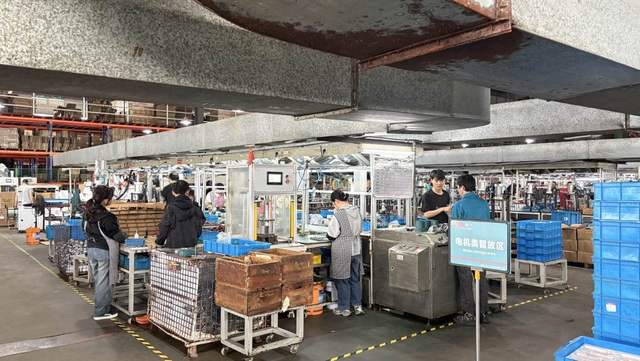
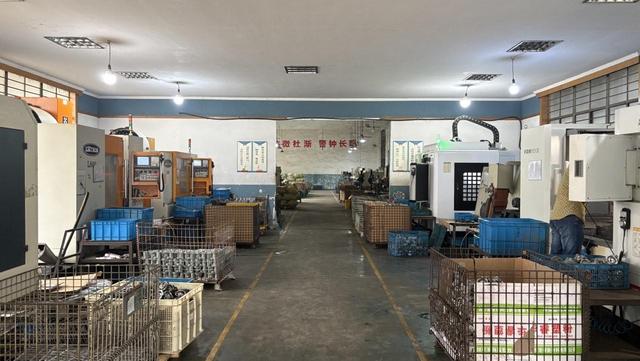
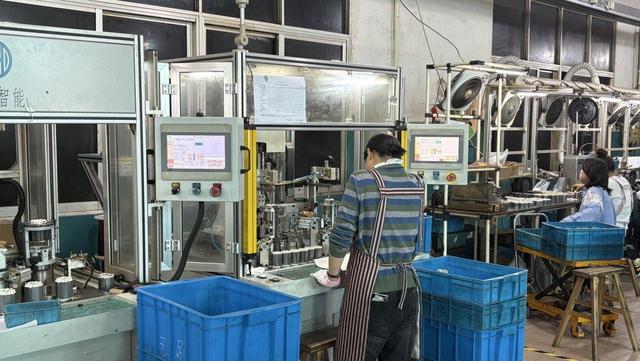
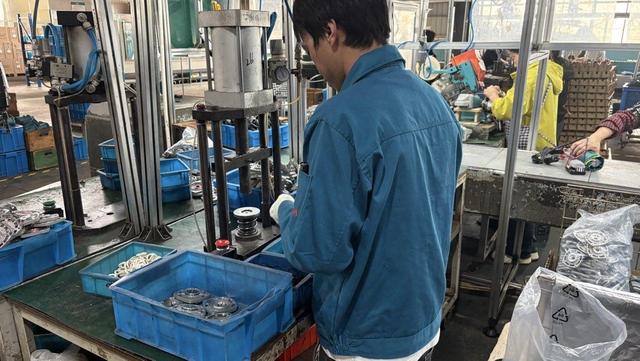
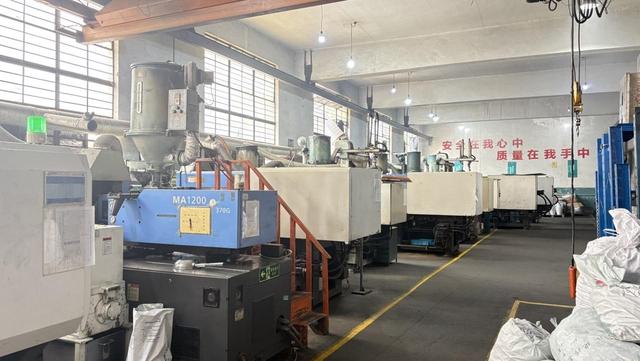
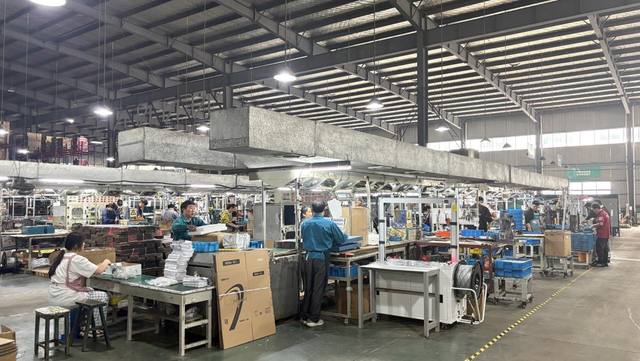
Dongguan Carto Tool Co., Ltd. operates at the forefront of precision tooling manufacturing. Our state-of-the-art facility integrates high-precision 5-axis CNC grinding centers, advanced coating chambers, and optical metrology validation tools. By sourcing from a specialized factory in China’s premier industrial manufacturing corridor, Japanese clients benefit from direct-to-manufacturer cost savings without sacrificing high-precision standards.
Our R&D processes focus heavily on the substrate chemistry of carbide inserts, utilizing specialized sub-micron cobalt grains to establish strong bonding with CVD diamond coatings. Through careful cobalt leaching protocols and mechanical surface pretreatment, we ensure high coating adhesion that resists peeling, even under extreme cyclic stress.
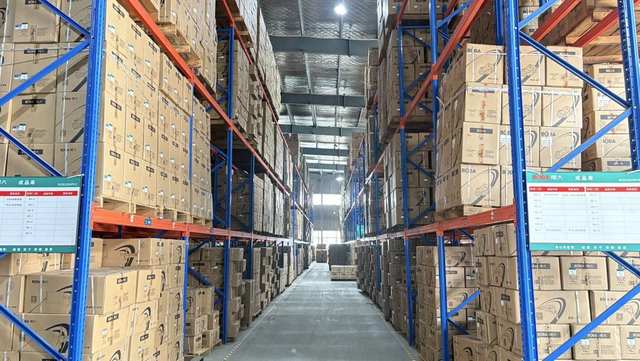
We ensure supply chain resilience through raw material stockpiling, short prototyping cycles, and structured batch tracking to guarantee that every delivery to Japan is consistent, traceable, and reliable.
To meet the strict expectations of the Japanese market, we enforce comprehensive validation stages:
We recognize that procurement inside Japan requires adherence to strict industrial guidelines. All our production tolerances are designed in reference to the Japanese Industrial Standards (JIS) system, including JIS B 4120 for indexable inserts and JIS B 4053 for carbide end mill shank dimensions.
Additionally, we guarantee compliance with key environmental directives, ensuring all products are certified under RoHS 2.0 and REACH regulations, which is critical for Tier 1 suppliers to major Japanese automotive brands (Toyota, Nissan, Honda) and industrial electronics manufacturers.
We provide full-scope OEM and ODM design services for global enterprises operating in Japan. If you run custom tool path configurations or specialized high-helix milling routers, our engineering office can design customized rake angles, flute configurations, and diamond coating profiles to match your specific machinery parameters.
Our optimized logistic pipeline guarantees fast, custom clearance and reliable delivery to major ports in Yokohama, Kobe, Nagoya, and Osaka, maintaining zero-defect supply chains for your operations.
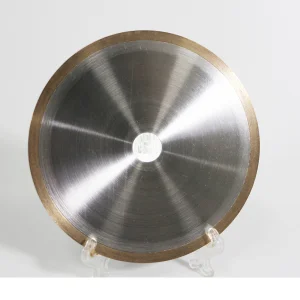
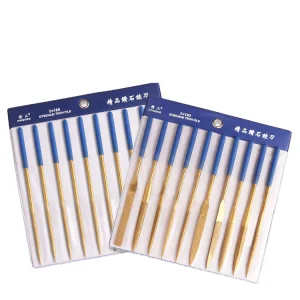
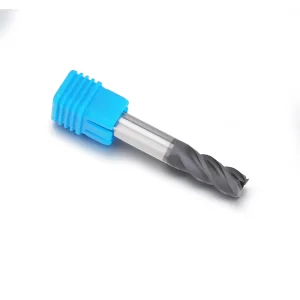
Explore our high-durability milling cutters, saw blades, diamond wire saws, and needle files for high-hardness materials.
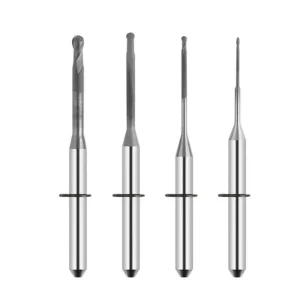
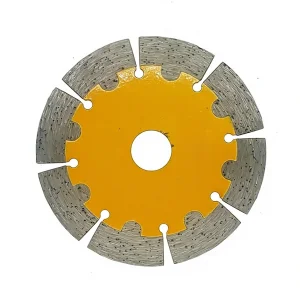
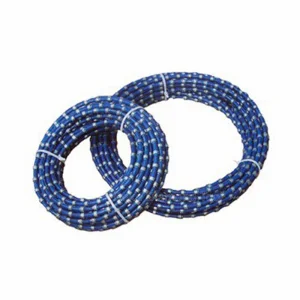
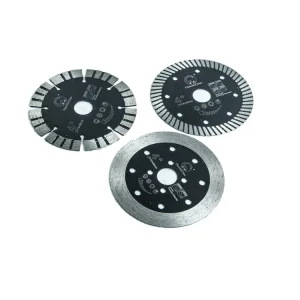
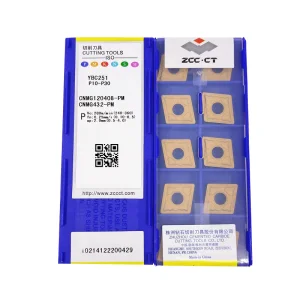
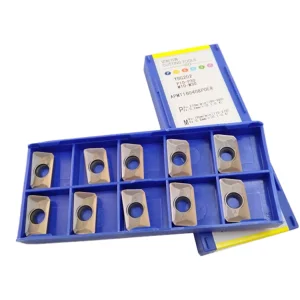
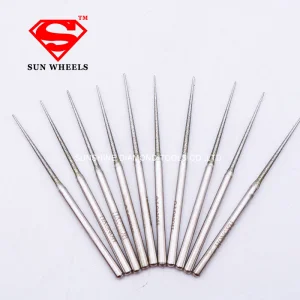
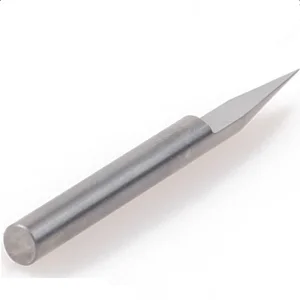
Essential components designed for mold polishers, micro-electronic rework, and complex high-speed graphite engraving.
In-depth responses to critical engineering questions asked by procurement managers and machining specialists in Japan.
CVD (Chemical Vapor Deposition) coating consists of pure crystalline diamond, which yields a hardness rating of approximately 8,000 to 10,000 HV. DLC (Diamond-Like Carbon), on the other hand, is an amorphous carbon film with mixed sp2/sp3 bonding, offering a hardness rating between 2,000 and 5,000 HV. In highly abrasive applications like milling carbon fiber (CFRP) or high-silicon aluminum, the crystalline structure of CVD diamond resists mechanical abrasion far better, providing up to 10 times the tool life of DLC.
Delamination is usually caused by the presence of cobalt binder on the surface of the carbide substrate, which acts as a catalyst to turn carbon into soft graphite rather than diamond during deposition. To solve this, our manufacturing process implements a specialized chemical chemical leaching step to deplete surface cobalt layers. This is combined with precision micro-blasting to clean the substrate, forming a secure mechanical bond for the CVD diamond coating.
Yes. All of our indexable cutting insert series and solid carbide round tools are manufactured in strict compliance with JIS B 4120 (Indexable inserts dimensions) and JIS B 4053 (shank tolerances and geometries). This ensures seamless integration into standard Japanese tool holders, CNC milling centers, and automatic tool-changers without adjustment.
Absolutely. We offer comprehensive OEM/ODM custom tooling solutions. Japanese manufacturers can submit custom CAD designs or detailed tool specifications (such as helix angles, custom lengths, specific coating thicknesses, or dual-flute compression geometries). Our engineering team will assess substrate preparation, coating characteristics, and grind paths to optimize the tool design for your specific workpiece material.
For standard stock tools, delivery to Japan typically takes 3 to 7 working days via air freight. For custom tool runs (OEM/ODM), production lead times range from 15 to 25 days depending on batch size and geometry complexity. We provide full commercial documentation to ensure trouble-free customs processing at ports in Yokohama, Tokyo, and Osaka.
Get in touch with our engineering team today to request a quote, submit a custom tool blueprint, or discuss your tooling requirements.
 Carto Tool