Explore our tier-one product lineup engineered for tight tolerances and extreme operational environments.
In the hyper-competitive arena of modern subtractive manufacturing, the efficiency of your CNC spindle is only as good as the interface connecting it to the workpiece: the high-precision tool holder. Over the last decade, advancements in high-speed machining (HSM) and the rapid adoption of superalloys in aerospace and automotive powertrain production have fundamentally transformed workholding requirements.
SEO Insight & Technical Focus: Standard tool holders that sufficed for conventional milling can no longer withstand the thermal stresses and centrifugal forces generated by high-speed spindles spinning at 24,000 RPM and above. At these speeds, a micro-deviation in runout—even as tiny as 5 microns—translates into structural chatter, premature cutting tool wear, and poor surface finishes.
Modern operations demand ISO 1940 standard G2.5/25,000 RPM balance metrics to mitigate centrifugal forces and maximize spindle bearings lifespan.
Total Indicated Runout (T.I.R) must be maintained at less than 0.003mm at 3x Diameter projection to secure workpiece integrity and uniform wear.
Manufactured using case-hardened alloy steels (like 20CrMnTi) hardened to HRC58-62, assuring tensile resilience during high-feed milling paths.
Global manufacturers are migrating from legacy BT and CAT taper designs toward dynamic face-and-taper contact formats such as HSK (Hohl-Schaft-Kegel) and dual-contact BT-Plast (BBT) interfaces. These systems guarantee simultaneous clamping on both the taper and the spindle face, neutralizing axial movement under high thermal stress and maintaining precision during continuous, multi-axis 5-axis operations.
The performance of premium tool holders is rooted in material science and high-accuracy grinding. At Dongguan Carto Tool Co., Ltd., research focuses on how material microstructure impacts vibration damping and cyclic loading resistance. Standard carbon steels fail to provide the elastic modulus required to absorb micro-vibrations generated during hard metal milling (HRC60+).
Choosing the correct interface mechanism defines the longevity of your tooling assemblies. Below is an analytical overview of the primary clamping architectures used today:
Precision tool holding is not a one-size-fits-all product. Different industrial zones and geographic manufacturing clusters require customized solutions to optimize throughput. Here is how high-precision tool holders resolve localized engineering issues:
In highly automated automotive plants, uptime is the ultimate metric. Tool holders must support continuous, high-volume drilling and milling of cast iron engine blocks and aluminum cylinder heads. Minimum Quantity Lubrication (MQL) tool holders are critical here, delivering exact oil-mist directly to the cutting zone, lowering thermal shock, and eliminating coolant disposal costs in compliance with local environmental regulations.
Aerospace structures require pocketing and structural milling of solid block Titanium (Ti-6Al-4V) and Nickel alloys. Heavy-duty hydraulic expansion and power chucks prevent tool pullout during high-torque, low-frequency cuts. The high damping capacity of these holders ensures that aerospace structural ribs are milled without microscopic cracks, preserving structural integrity.
For bone screws, dental implants, and micro-endoscopic tools, precision micro-collets are essential. Clamping micro-drills (below 1mm diameter) requires runout tolerances approaching 0.001mm to prevent sudden drill breakages, maintaining cost efficiency in high-precision, cleanroom medical manufacturing environments.
Based in the manufacturing hub of Dongguan, China, Dongguan Carto Tool Co., Ltd. exemplifies how regional supply chain clusters translate to global cost-to-performance advantages. Dongguan’s advanced manufacturing ecosystem houses raw material suppliers, thermal heat treatment facilities, precision CNC grinding plants, and surface coating labs within a 50-kilometer radius.
From Workshop to Global Supplier: Carto Tool has transitioned from a localized cutting tool workshop into an integrated tooling supplier. By investing in carbide material research, coating technologies, and CNC geometry optimization, the company manufactures milling systems that rival European and Japanese quality standards, at a highly competitive total cost of ownership (TCO).
The manufacturing world is migrating toward Industry 4.0, and the humble tool holder is adapting to this digital shift. Carto Tool's technical roadmap details our long-term commitments to digital tooling innovation:
Development of tool holders equipped with integrated micro-sensors (strain gauges and accelerometers) and wireless transmitters. These "smart holders" measure vibration and temperature in real-time, sending data directly to the CNC machine control panel to prevent tool breakage and optimize cutting speeds.
Integrating eco-friendly anti-rust coatings and high-hardness diamond-like carbon (DLC) coatings onto tool holder contact faces. This reduces friction inside the spindle taper, preventing fretting corrosion and increasing spindle lifespan by up to 35%.
Researching adaptive, self-balancing mechanics inside the holder body that dynamically adjust under high rotation speeds, counteracting internal stresses and uneven wear patterns in cutting inserts.
For international supply chain managers, procurement involves balancing quality, price, delivery reliability, and post-sales support. Dongguan Carto Tool Co., Ltd. offers a comprehensive risk mitigation framework for worldwide distribution:
Every tool holder is certified in compliance with ISO 9001:2015 and DIN/JIS layout standards, guaranteeing immediate compatibility with your existing machine setups.
Laser-etched batch serial numbers on each holder link to material test reports and dimensional check certificates, maintaining strict traceability protocols.
Partnering with distributors across Europe, North America, and Southeast Asia to deliver local stock, on-site technical support, and quick testing services.
Technical advice and answers regarding precision tool holder selection, maintenance, and operation.
Explore our specialized tools, blades, and machinery built to maximize modern factory productivity.
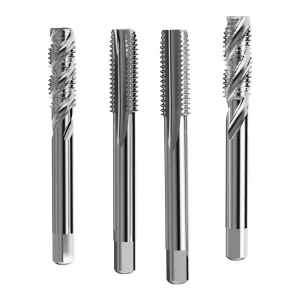
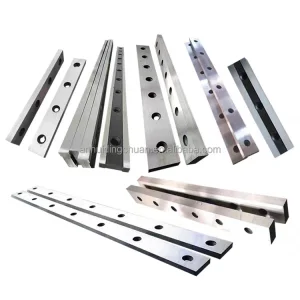
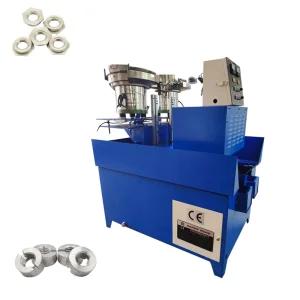
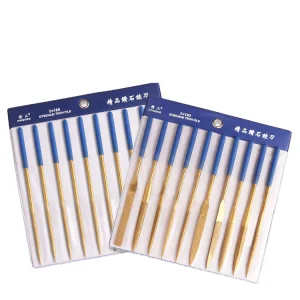
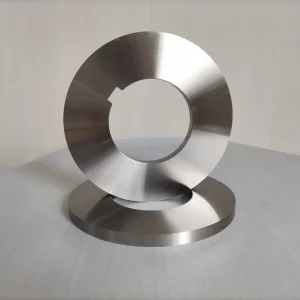
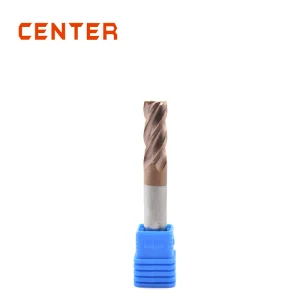
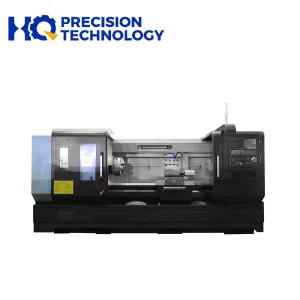
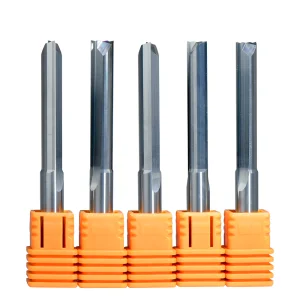
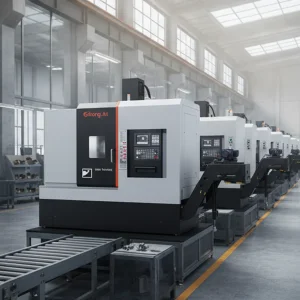
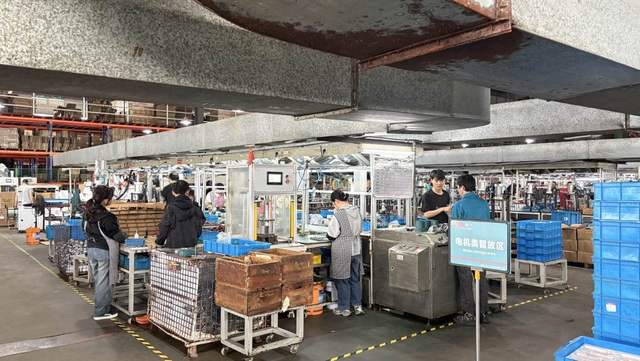
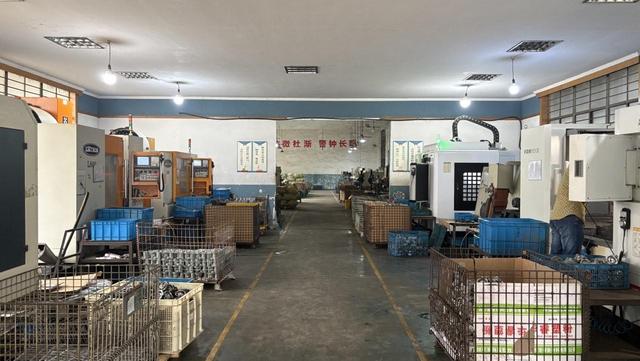
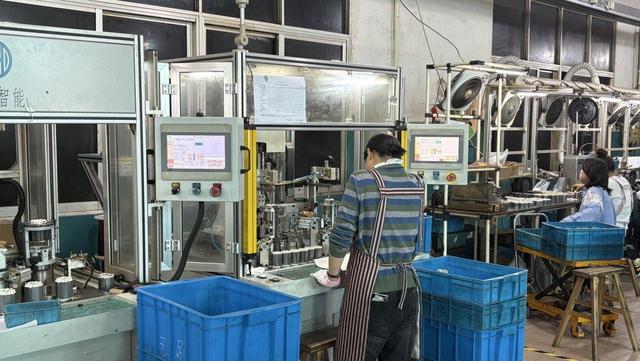
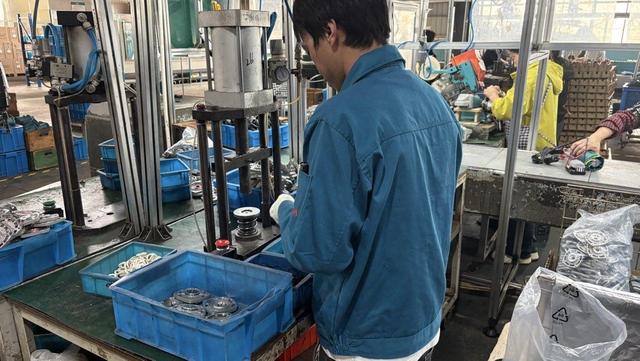
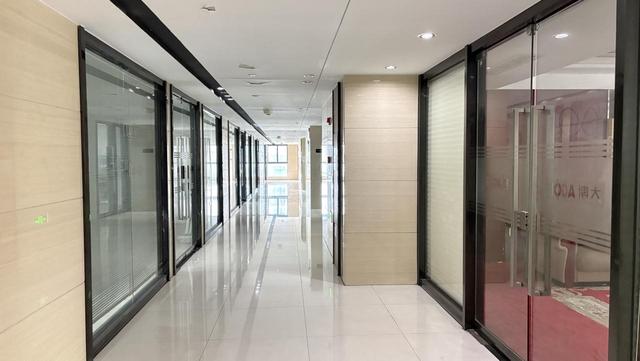
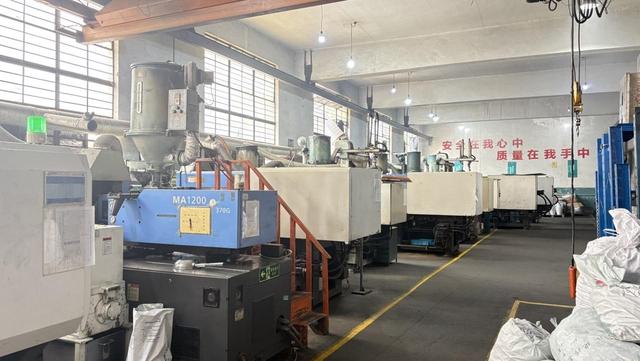
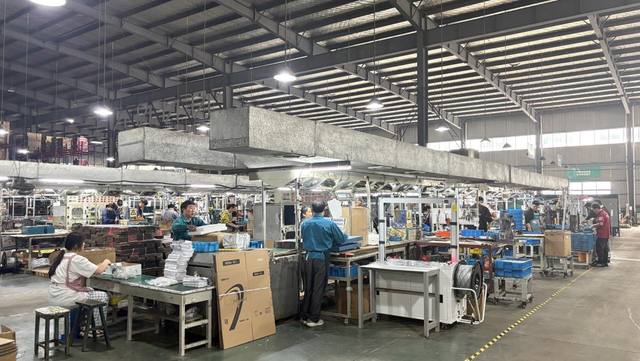
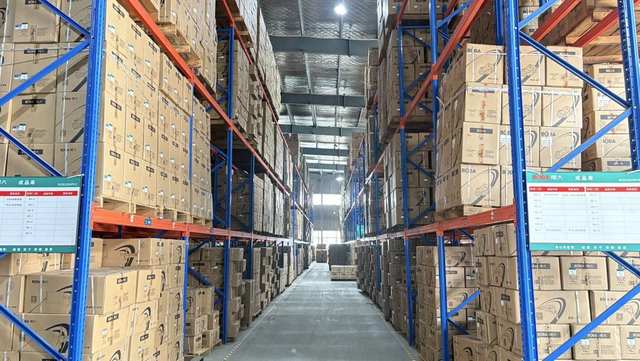
Inside our manufacturing facilities: precision production lines, inspection labs, and automated machining centers.
 Carto Tool