Select from our engineering catalog of indexable inserts, solid carbide cutters, and high-performance metal processing equipment.

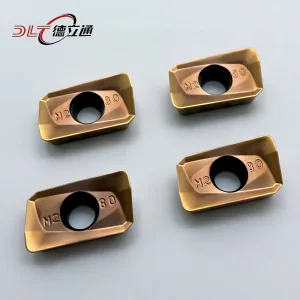
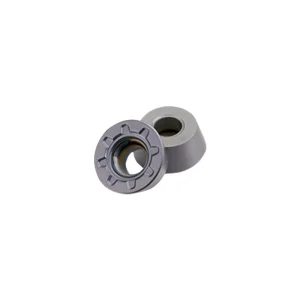
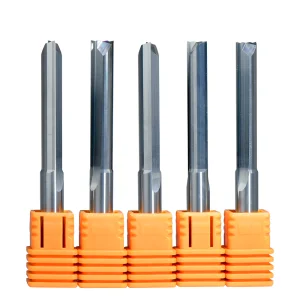
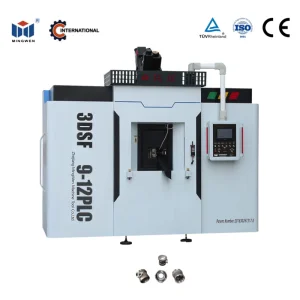
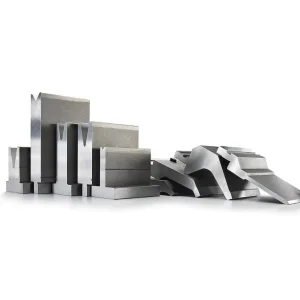

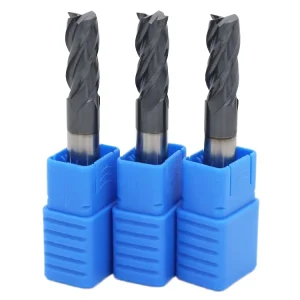
Dongguan Carto Tool Co., Ltd. is a leading, professional manufacturer specializing in high-end industrial cutting tools, CNC machining tools, indexable milling systems, turning solutions, and precision metal cutting technologies. Based in China's manufacturing heartland, we are dedicated to designing and delivering high-performance tooling systems for modern machining operations. Our global client base relies on our tooling to power critical processing in the automotive, aerospace, precision mold-making, medical instruments, and heavy machinery industries.
Established as a specialized workshop for industrial cutting tools, Carto Tool has scaled rapidly into an integrated industrial enterprise. With a powerful fusion of advanced in-house R&D, sophisticated automated manufacturing, and a multi-layered quality control system, we address the strict technical tolerances and output requirements of high-speed machining (HSM). Our ongoing material science research focuses on micro-grain tungsten carbide formulations, advanced physical vapor deposition (PVD) / chemical vapor deposition (CVD) coatings, and optimized edge geometries.
"To survive in modern machining, your choice of tooling determines your process reliability. Through robust material composition, CE-compliant production lines, and extreme-environment wear testing, we deliver tools engineered for maximum tool life and minimal cycle times."
Analyzing market demand, supply chain stability, and technical shifts across the international metalworking and manufacturing industries.
As Western Europe and North America re-shore aerospace component fabrication, the demand for locally certified, ultra-durable cutting tools has reached record heights. Simultaneously, the Asia-Pacific region remains the epicentre of high-volume metal processing. System standardization like the CE Certification is crucial for ensuring border compatibility and smooth procurement integration.
Contemporary aerospace, defense, and EV propulsion systems increasingly employ Titanium alloys, Inconel, and cobalt-based materials. These materials pose extreme thermal and structural challenges to cutting edges. Success relies on tooling that features micro-grain tungsten structures capable of maintaining high-hardness thresholds beyond 900°C.
Global economic pressures dictate that machining centers optimize feed rates and minimize downtime. The industry has shifted focus from "cost per insert" to "total cost-per-machined-part." High-reliability coatings like AlTiN and CVD Diamond ensure tools operate uninterrupted for hundreds of cycles, lowering total production costs.
From raw sub-micron tungsten particles to proprietary multi-layered atomic structures: our pathway to engineering excellence.
Our raw material undergoes HIP (Hot Isostatic Pressing) sintering. Using ultra-fine tungsten grains (average size: 0.4μm–0.6μm) combined with a optimized cobalt binder matrix, we achieve high transverse rupture strength (TRS) and hardness.
Sharp edges are prone to premature chipping. We utilize robotic brushing and micro-blasting systems to produce highly precise edge hones (15μm to 35μm radius), matching specific insert styles to stabilize tool loading.
We deploy Balzers coating systems to lay down TiAlN, TiSiN, and DLC coatings. These coatings function as a thermal barrier, deflecting high cutting heats (exceeding 1000°C) into the metal chips instead of the carbide substrate.
Before laser marking and packaging, every production batch is checked via 3D optical microscopes and tool dynamic balancing systems to verify runout, coating thickness, and geometric adherence to CE safety guidelines.
| ISO Application Group | Common Materials | Recommended Substrate Grain Size | Ideal Coating System | Max Machining Temp (°C) |
|---|---|---|---|---|
| ISO P (Steel) | Carbon steel, low-alloy steel, structural steel | Medium to Fine (0.6μm - 0.8μm) | CVD TiCN + Al2O3 / PVD TiAlN | 950°C |
| ISO M (Stainless Steel) | Austenitic, martensitic, duplex stainless steel | Fine (0.5μm - 0.7μm) | PVD AlTiN / Nano-layered TiSiN | 1050°C |
| ISO K (Cast Iron) | Gray iron, nodular iron, ductile iron | Coarse to Medium (0.8μm - 1.2μm) | CVD TiCN + Thick Al2O3 | 1100°C |
| ISO S (Superalloys) | Titanium alloys, Inconel, Nimonic, Hastelloy | Ultra-Fine (0.4μm - 0.5μm) | Advanced PVD AlTiCrN / TiAlSiN | 1200°C |
| ISO H (Hardened Steel) | Quenched and tempered tool steel (HRC 50–65) | Sub-micron Ultra-Fine (0.3μm - 0.5μm) | High-silicon TiSiN / Cubic Boron Nitride (CBN) | 1250°C |
Tailoring geometric cutting characteristics, coatings, and toolhold structures to meet strict tolerances in key industrial markets.
Aerospace manufacturing demands zero tolerance for structural micro-cracks or dynamic thermal deformation. Carto Tool's range of dedicated end mills and high-shear turning inserts are engineered with rake profiles optimized for chip evacuation in deep cavities. This geometry limits tool deflections and minimizes vibration under high-load milling of critical structural components, such as jet engine blades and landing gear assemblies.
High-volume automotive manufacturing requires extremely fast material removal rates (MRR) and long-lasting tool life. Our indexable turning and milling inserts feature chipbreaker structures designed to break chips into small, manageable curls at high feeds. This reduces tool change downtime, prevents damage to machined parts, and ensures continuous machining on highly automated engine block and transmission lines.
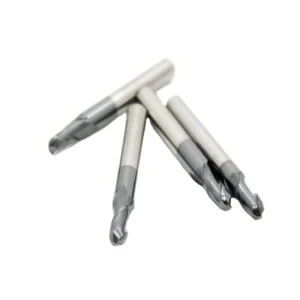
When machining hardened cavities up to HRC 62, high dimensional stability and clean surface finishes are critical to minimize manual polishing. Carto Tool's HRC55 ball-nose end mills and APMT series indexable inserts are designed for stable profiling, roughing, and fine finishing. This enables mold makers to hold profile tolerances within ±0.005mm.
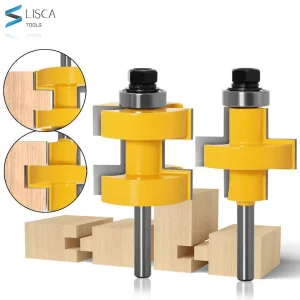
For versatile workshops processing structural carbon steels, copper, brass, and plastics, versatility is key. Our double-flute woodworking router bits, press brake dies, and multi-station threading machines provide a comprehensive tooling system. This ensures operators can transition between different jobs with reliable performance and minimal setup times.
Expert recommendations for maximizing tool performance and troubleshooting common machining issues.
Vibration is a primary cause of premature insert failure. In high-speed machining, tool deflection increases exponentially with overhang length. To maintain dynamic rigidity, engineers should adhere to a strict overhang-to-diameter ratio:
For dry machining steel and cast iron, proper chip evacuation is vital. High-pressure air blasts should be directed at the cutting zone to prevent re-cutting chips. For stainless steel, heat-resistant superalloys, and aluminum, flooding coolant or Minimum Quantity Lubrication (MQL) is necessary to control heat generation and prevent work-hardening.
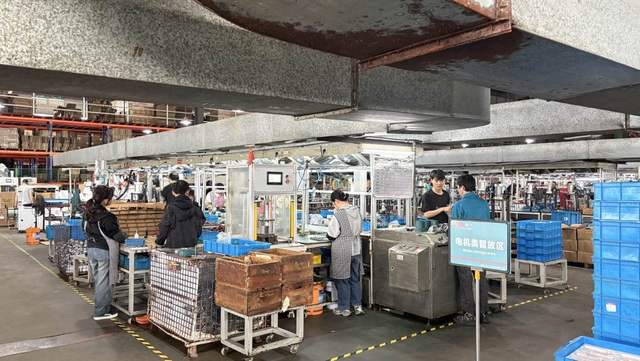
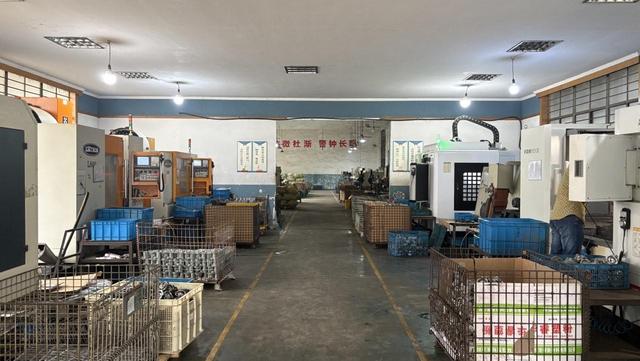
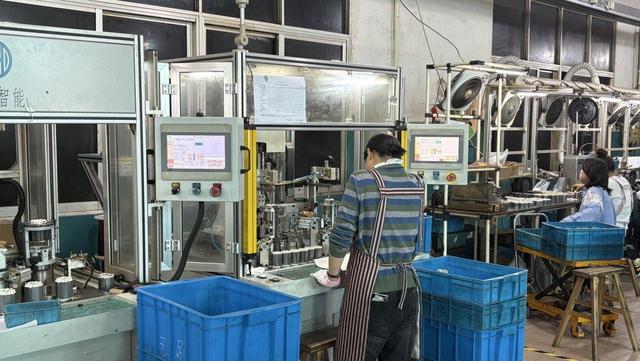
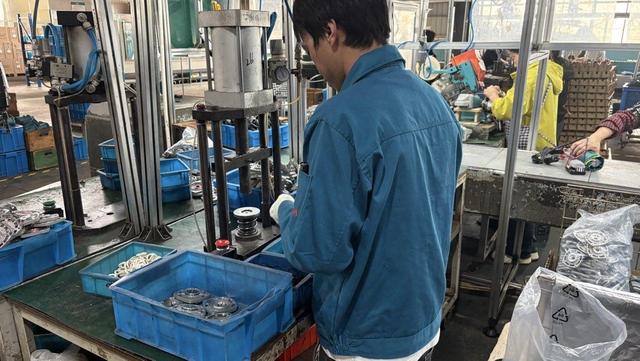
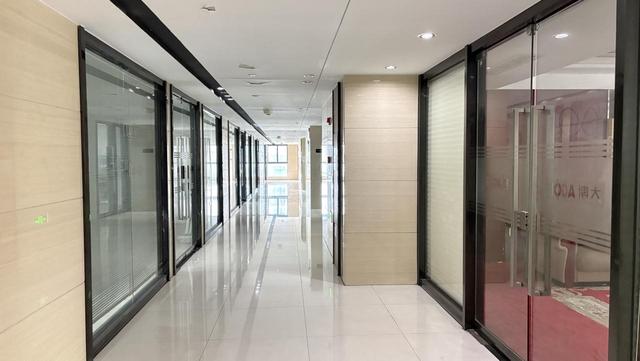
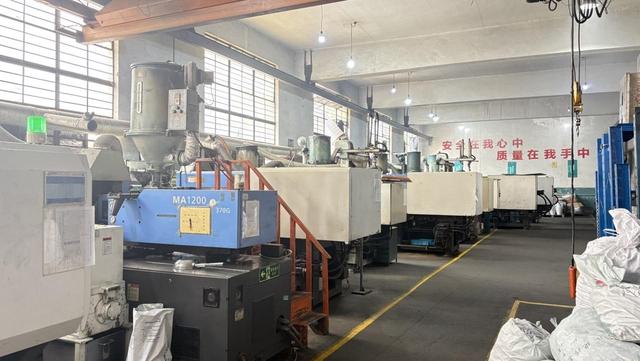
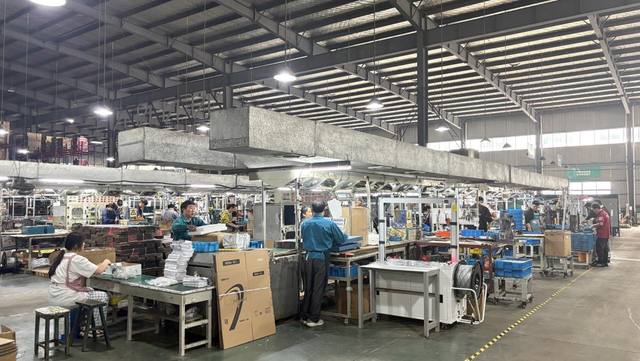
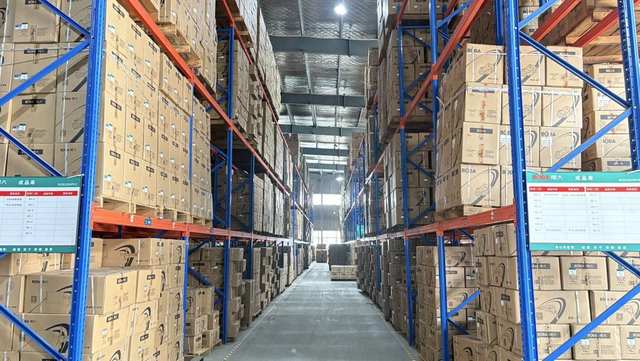
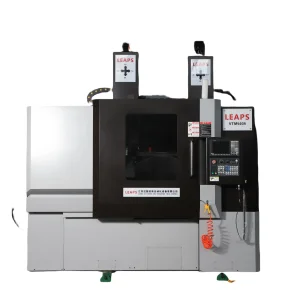
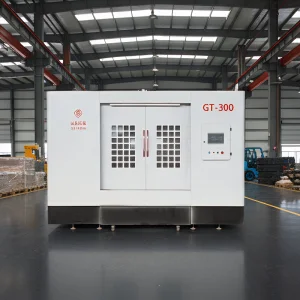
We invest in advanced machinery, automated inspection systems, and ISO-compliant workflows to guarantee tool quality.
Clear, expert answers to key technical and commercial questions about machining center tooling.
Discover more specialized milling, threading, and industrial fabrication solutions from our production facility.
 Carto Tool