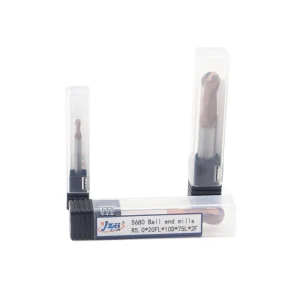
HRC65 Carbide Micro Ball Nose End Mills Micro Diameter CNC Ballnose Endmill for Carbon Steel ODM Customizable Cutting Machine
Explore Solution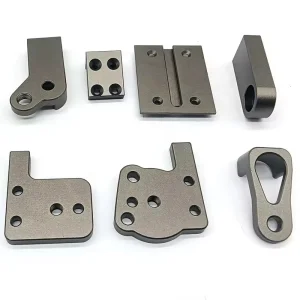
High-Precision Stainless Steel Hardware Accessories for Industrial Applications
Explore Solution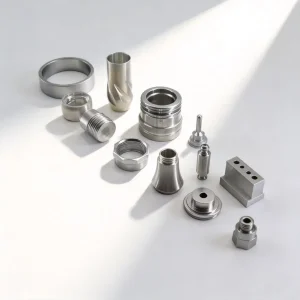
Premium Quality Surface Grinding Machine Taiwan Syntec Control System
Explore Solution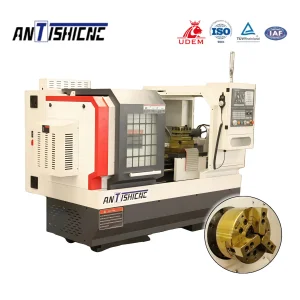
Metal Lathe CNC System for Mechanical Industry
Explore Solution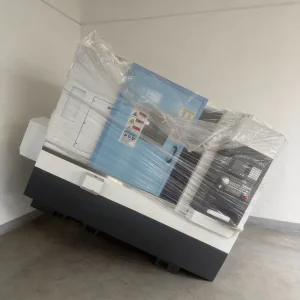
Durable Lathe Milling Centre Machine Featuring Taiwan Syntec Control System
Explore Solution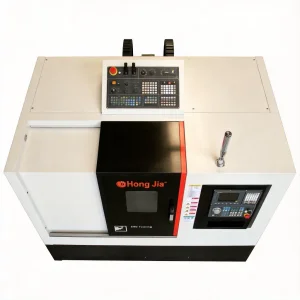
Efficient CNC Turning Machine 30 Days Delivery Taiwan Syntec System
Explore Solution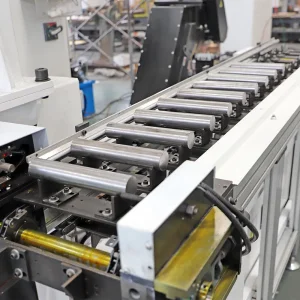
Advanced Double Turret CNC System for Precision Engineering Parts
Explore Solution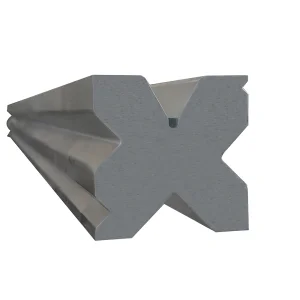
Multi-V Lower Die Bottom Tool for Bending 4 Way Mold Press Brake Tool for Mold Products
Explore SolutionIn the contemporary landscape of high-precision manufacturing, the transition from conventional machining methodologies to Adaptive Cutting Techniques represents a paradigm shift. Globally, industrial sectors are experiencing unprecedented demands for tighter dimensional tolerances, minimized thermal distortion, and enhanced material yield. From the structural integrity of aerospace alloy airframes to the micro-scale geometries required by semiconductor equipment, adaptive cutting technologies act as the technological bedrock.
Unlike static machining algorithms that operate under fixed feed rates and spindle speeds, adaptive cutting is fundamentally reactive and closed-loop. By utilizing real-time feedback loops from the tool-workpiece interface—measuring torque, spindle vibration, tool deflection, and thermochemical stress—these cutting systems dynamically recalibrate operational parameters. This instantaneous regulation mitigates tool degradation, prevents structural micro-fractures in high-value alloys, and optimizes chip geometry. Consequently, global enterprises are transitioning from standard equipment toward CE-certified adaptive setups to fulfill stringent compliance standards while simultaneously maximizing throughput.
This industrial revolution is driven by the necessity to process difficult-to-cut materials such as titanium alloys, Inconel, hardened steels, and carbon fiber composites. The integration of high-precision controllers, such as the Taiwan Syntec system, coupled with customizable tooling parameters (for instance, HRC65 carbide endmills or high-pressure coolant configurations), ensures that machine shops can maintain high cutting integrity. As labor costs rise globally and the availability of specialized machinists declines, autonomous, self-optimizing adaptive machines are no longer a luxury—they are a prerequisite for competitive relevance.
Integration of artificial intelligence and machine learning algorithms directly into the CNC controller enables predictive analysis of tool wear, automatically adapting feed speeds to avoid catastrophic tool failures.
Modern adaptive techniques synchronize high-pressure fluid dynamics (up to 70 bar or more) with chip thickness modulation, drastically decreasing heat accumulation and thermal shock at the cutting zone.
Global markets require strict adherence to safety and electromagnetic compatibility (EMC) regulations, establishing CE certification as a vital pass-key for cross-border industrial integration.
When procurement directors in multinational manufacturing groups source adaptive cutting technologies, their assessment processes are deeply governed by risk mitigation and operational reliability. In compliance with Google's Search Quality Rater guidelines focusing on E-E-A-T (Experience, Expertise, Authoritativeness, and Trustworthiness), modern buyers look past marketing claims to evaluate core engineering capabilities. Suppliers must showcase a robust portfolio of certifications, metallurgical expertise, and comprehensive custom engineering capacity.
The primary procurement pillars include:
By shifting to suppliers that maintain in-house research facilities, precision grinding lines, and robust quality management protocols (ISO 9001:2015), enterprise buyers reduce total cost of ownership (TCO) and stabilize their overall operations.
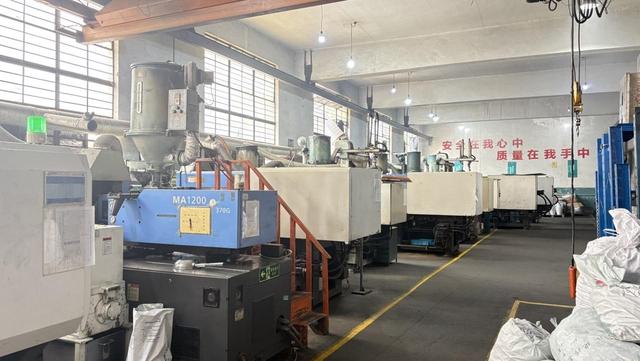
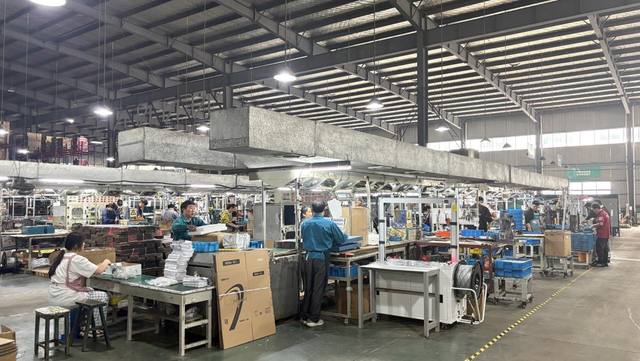
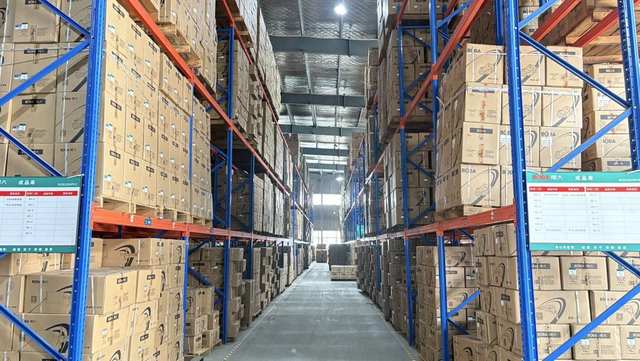
Within the heart of the global tool manufacturing industry, China’s Factory 4.0 initiatives have redefined supply chain resilience. Dongguan, a world-renowned precision manufacturing center, demonstrates how localized clusters of high-tech production create massive cost and quality advantages. Utilizing advanced manufacturing automation, computerized scheduling systems, and integrated R&D-to-production pipelines, Chinese suppliers provide reliable, high-performance tooling globally.
The core of Factory 4.0 lies in automated precision control. Facilities integrate multi-axis CNC grinding centers, high-vacuum coating reactors, and real-time optical sorting systems. This technological density allows factories to achieve exceptional geometric consistency on complex tools like HRC65 Carbide Micro Ball Nose End Mills. Furthermore, supply chain resilience is strengthened by comprehensive local industrial loops—from raw tungsten carbide sourcing and precision machining to heat treatment, coating, testing, and shipping—all located within a 50-kilometer radius.
This localized efficiency translates to distinct advantages for international buyers:
Machining complex parts like structural aerospace bulkheads and engine components made from titanium and high-nickel alloys. Adaptive cutting dynamically modulates parameters to control tool heat, preventing work hardening and structural cracks.
Creating complex cavities in hardened steel molds (up to HRC65). Micro ball nose endmills utilize adaptive path strategies to optimize surface finish (Ra < 0.2μm), eliminating the need for manual polishing and shortening lead times.
For applications utilizing tools like Carbon Steel Rock Drilling Bits, adaptive cutting techniques optimize drill-bit geometries. This ensures tool steel maintains high shock and fatigue resistance in demanding geological conditions.
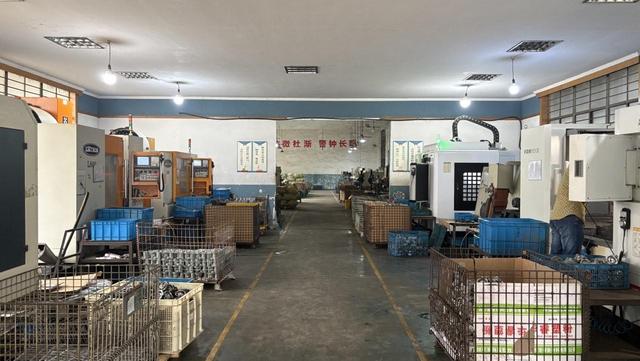
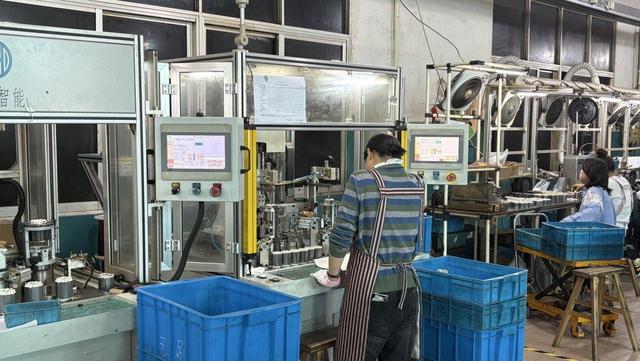
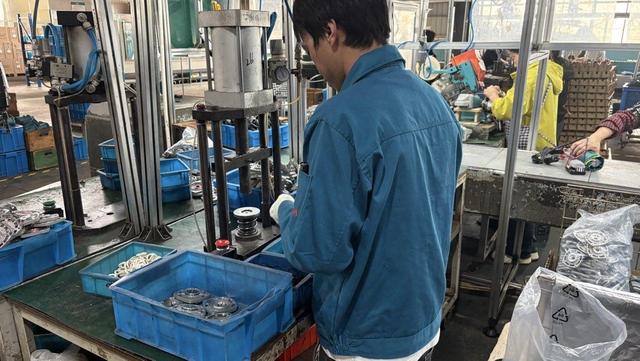
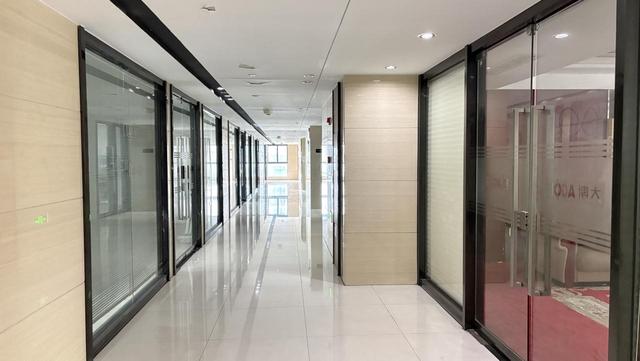
Dongguan Carto Tool Co., Ltd. is a professional manufacturer specializing in industrial cutting tools, CNC machining tools, milling systems, turning solutions, and precision metal cutting technologies. The company is dedicated to providing high-performance tooling solutions for modern manufacturing industries, including automotive, aerospace, mold processing, machinery production, and general metal fabrication.
Since its establishment, Carto Tool has developed from a small-scale cutting tool workshop into a specialized industrial tooling supplier with integrated R&D, production, and quality control capabilities. In its early stage, the company focused on basic turning and milling tool production for local machining workshops. With the rapid growth of China’s manufacturing sector, Carto Tool expanded its technology base and began developing more advanced CNC-compatible cutting systems to meet higher precision and efficiency requirements.
During its development phase, the company invested in carbide material research, coating technology improvements, and CNC tool geometry optimization. It introduced modern production lines and precision grinding equipment to ensure stable performance and long tool life. At the same time, Carto Tool strengthened its testing systems to improve cutting accuracy, wear resistance, and thermal stability across different machining environments.
Today, Dongguan Carto Tool Co., Ltd. serves global industrial clients with a wide range of cutting tool solutions designed for high-speed, high-precision, and heavy-duty applications. The company continues to focus on innovation in CNC machining efficiency, metal cutting performance, and cost optimization for manufacturers. With a commitment to quality and engineering excellence, Carto Tool aims to become a trusted international supplier in the industrial cutting tools industry, supporting smarter and more efficient global manufacturing systems.

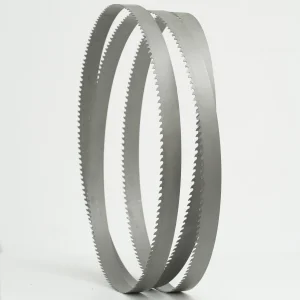
Industrial Heat-Resistant TCT Band Saw Blades-White Finishing OEM Customizable for Difficult-to-Cut Metal Materials
Explore Solution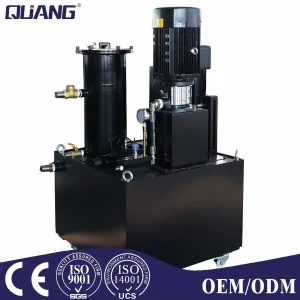
Electrical Box High Pressure Coolant System for Industry Cutting CNC Machine Lathe
Explore Solution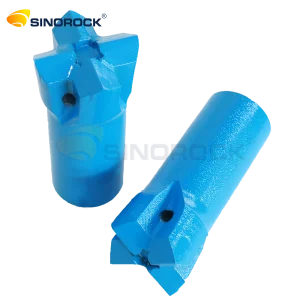
Carbon Steel Rock Drilling Tools 7 Degree Cross Tapered Drill Bits In Sizes 34mm 36mm 38mm 40mm For Forging Drilling Equipment
Explore Solution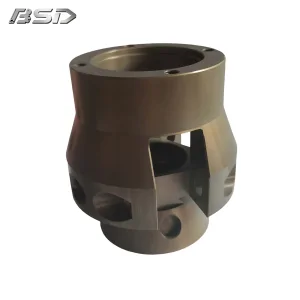
Customized Precision CNC Machining Machine Tool Mechanical Device Transmission System Accessories
Explore Solution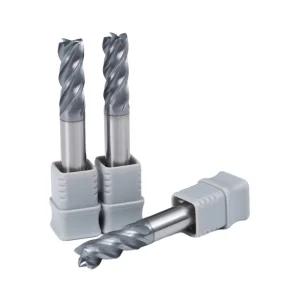
Multi-Functional AlCrN+ Coated Tungsten Carbide End Mill Cutting Tools For Metal Steel Carbide Tools Milling
Explore Solution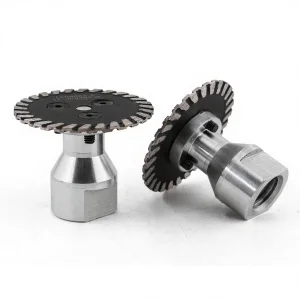
PMS Marble Cutting Diamond Saw Blade Mini 40 mm Tombstone Carving with M14 Thread CrN Coated
Explore Solution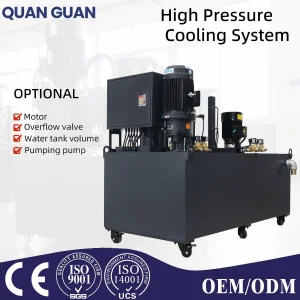
High Pressure Coolant System for Increased Speed in Cutting Milling Drilling Operations
Explore Solution
CCMT Customizable Tungsten Carbide Inserts High-Temperature Stainless Steel Square Cutting Tool CNC Turning Tool OEM Product
Explore Solution Carto Tool