2026 How to Improve Precision in CNC Cutting Processes?

Time:2026-07-24 Author:Charlotte
0%

In modern manufacturing, Computer Numerical Control (CNC) cutting processes are pivotal for achieving high precision. The demand for accuracy has led to questions about what affects precision in CNC cutting processes. Factors such as machine calibration, tool wear, and material properties play significant roles. Understanding these elements can drastically improve production outcomes.

Despite advancements, even seasoned professionals encounter challenges. Machine errors can result from improper setup or lack of maintenance. Tool degradation is often overlooked but can lead to inconsistent results. The selection of materials also impacts the cutting process, as variations can induce unforeseen complications.

Seeking precise CNC cuts requires a combination of expertise and constant evaluation. Each step in the cutting process should be scrutinized. By addressing these imperfections and uncertainties, manufacturers can work toward enhancing precision, ultimately leading to better efficiency and reduced waste in production.
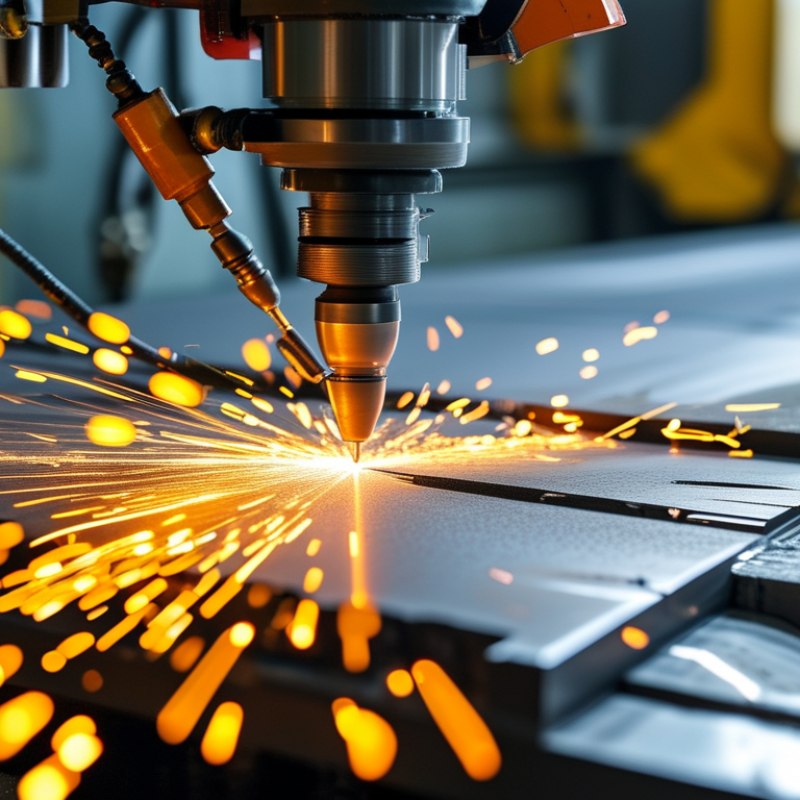
2026 How to Improve Precision in CNC Cutting Processes?

Strategies for Enhancing CNC Cutting Accuracy in 2026

Improving precision in CNC cutting processes is crucial for 2026. One strategy involves fine-tuning machine calibration. Accurate settings lead to better cuts. Routine checks can identify deviations. Operators should verify measurements regularly. This practice can prevent errors and costly rework.

Another key strategy is using improved tooling. High-quality cutters exhibit greater durability. They maintain sharp edges longer, resulting in cleaner finishes. However, choosing the wrong tool can impact precision. Operators must match tools to materials and cutting conditions. Training sessions can enhance decision-making skills in tool selection.

Data analytics play an essential role in refining accuracy. Collecting data on cutting patterns offers insights into performance issues. Operators can adapt techniques based on real-time feedback. Staying updated with technological advancements helps in this area. However, data interpretation needs careful attention. Misreading data can lead to misguided adjustments, compromising accuracy.

Key Technologies Driving Precision in CNC Machining Processes

Precision is crucial in CNC machining processes. Several key technologies are shaping the future of precision cutting. One significant advancement is the integration of adaptive control systems. These systems enable real-time adjustments, improving accuracy during machining. They analyze cutting conditions and respond instantly, minimizing errors.

Another vital technology is high-speed machining (HSM). HSM reduces the time taken for complex cuts. It allows for finer finishes and enhanced detail. However, increased speeds can add stress on tools, potentially leading to faster wear and tear. Regular tool maintenance is essential to balance speed and quality.

The role of specialized software cannot be overlooked. CAD/CAM software drives precise tool path generation. It optimizes cuts and improves resource management. Yet, reliance on software may lead to gaps in manual oversight. Operators must remain vigilant and adaptable to changes in material or tool performance.

Industry Standards and Metrics for Measuring CNC Precision

Precision in CNC cutting processes is essential for many industries. Meeting industry standards ensures quality and reliability. According to a recent industry report, 70% of manufacturers face challenges with precision. Common metrics include dimensional accuracy, repeatability, and surface finish. These metrics help measure how closely a CNC machine can perform relative to the intended design.

To improve accuracy, manufacturers should adopt testing methods like laser interferometry. This technique offers high precision in measuring displacement. Additionally, maintaining regular calibration of the CNC machines is critical. A well-calibrated machine can reduce dimensional errors by up to 30%.

Tips for enhancing precision involve continuous training for operators. Knowledgeable staff can easily identify potential issues. Another recommendation is to frequently review design parameters. Inadequate design can lead to significant production flaws. Prioritizing these aspects can create a more efficient and precise cutting process.

Advanced Tools and Software for CNC Cutting Optimization

CNC cutting processes are critical in various manufacturing sectors. To enhance precision, advanced tools and software play a pivotal role. These innovations enable detailed planning and flawless execution of cutting tasks. They optimize the path of the cutter, minimizing waste and maximizing efficiency.

Software solutions now incorporate algorithms that help predict tool wear and material behavior. This leads to more reliable outcomes. For example, simulation software can visualize the cutting process before actual production. This way, errors can be identified early, saving time and resources. However, adopting these technologies requires investment and training, which some teams may hesitate to undertake.

While the promise of advanced tools is high, implementing them presents challenges. Not every workshop has the same level of expertise in using complex software. Misinterpretation of software data can arise, leading to mistakes. Users should reflect on their current capabilities and seek training opportunities. This approach ensures that the advantages of CNC optimization are fully realized.

Training and Skill Development for CNC Operators to Boost Precision

CNC cutting processes are highly reliant on the skills of operators. Precision can only be achieved when operators are well-trained. A recent industry report highlighted that organizations investing in training programs see an average 20% increase in production efficiency. This is a considerable improvement that cannot be overlooked.

Effective training should focus on practical skills and theoretical knowledge. The International Society of Automation reports that only 30% of CNC operators fully understand the machinery they work with. This gap in knowledge can lead to errors, affecting the overall quality of cuts. Regular workshops can bridge this gap. Operators should practice on simulators and real machines to enhance their capabilities.

Additionally, continuous education is vital. Many operators may become complacent, leading to mistakes. Research indicates that operators with less than five years of experience often struggle with complex tasks. Companies should encourage ongoing learning and field experience. Monitoring operator performance and providing feedback can also improve precision. A culture of accountability fosters growth and improves outcomes.

Enhancing Precision in CNC Cutting Processes

FAQS

: Why is precision important in CNC machining?

: Precision is crucial because it directly affects the quality and accuracy of the finished products.

How do adaptive control systems enhance CNC machining?

They adjust in real-time to improve accuracy and minimize errors during the machining process.

What is high-speed machining (HSM)?

HSM allows for faster cuts and finer finishes, but can increase tool wear and tear.

Why is regular tool maintenance necessary in CNC machining?

It balances the benefits of speed with the need for quality by preventing accelerated tool degradation.

How does specialized software contribute to CNC cutting?

CAD/CAM software improves tool path generation, optimizing cuts and enhancing resource management.

What challenges come with advanced CNC software?

Not all workshops have the expertise needed, and misinterpretation of data can lead to mistakes.

How can training improve CNC operator performance?

Well-trained operators are essential for precision, leading to an average 20% increase in production efficiency.

What skills should CNC training focus on?

Training should emphasize both practical skills and theoretical knowledge of CNC machinery.

Why is continuous education necessary for CNC operators?

It prevents complacency and equips operators with updated skills for handling complex tasks.

How can companies promote a culture of accountability among operators?

Monitoring performance and providing feedback encourages growth and leads to improved precision outcomes.

Conclusion

In 2026, enhancing precision in CNC cutting processes is paramount for achieving high-quality manufacturing outcomes. Several strategies can be employed to improve CNC cutting accuracy, including the adoption of key technologies that drive precision machining. Understanding what affects precision in CNC cutting processes, such as tool wear, machine calibration, and environmental factors, is crucial for operators and engineers alike. By adhering to industry standards and metrics for measuring CNC precision, companies can ensure consistent quality and performance.

Furthermore, advanced tools and software tailored for CNC cutting optimization play a significant role in improving accuracy. Investing in comprehensive training and skill development for CNC operators is essential, as their expertise directly impacts the precision of the machining processes. Fostering a knowledgeable workforce equipped with the right tools and technologies will ultimately lead to enhanced efficiency and reduced production errors in CNC cutting operations.

Charlotte

Charlotte

Charlotte is a seasoned marketing professional with a deep understanding of the company's portfolio and a passion for elevating its presence in the market. With a keen eye for detail and a commitment to excellence, she ensures that our professional blog is regularly updated with insightful articles......