In the world of machining, the question "why do cutting tools lose sharpness quickly" has puzzled many. Experts like Dr. Daniel Hudson, a renowned materials scientist, shed light on this issue. He states, “The rapid deterioration of cutting edges can be attributed to factors like heat, friction, and material hardness.”
Cutting tools are essential in various manufacturing processes. However, they lose their effectiveness much sooner than expected. Wear and tear occur during operation, driven by intense heat and friction generated when cutting through materials. Often, users overlook the impact of tool materials and geometry on sharpness retention.
Practical knowledge in this field emphasizes the importance of maintenance. For instance, regular sharpening and proper usage can extend tool life. Yet, many still inquire, "why do cutting tools lose sharpness quickly?” Understanding these factors is crucial for anyone in manufacturing. This topic invites further analysis and prompts reflection on techniques that can minimize loss of sharpness.
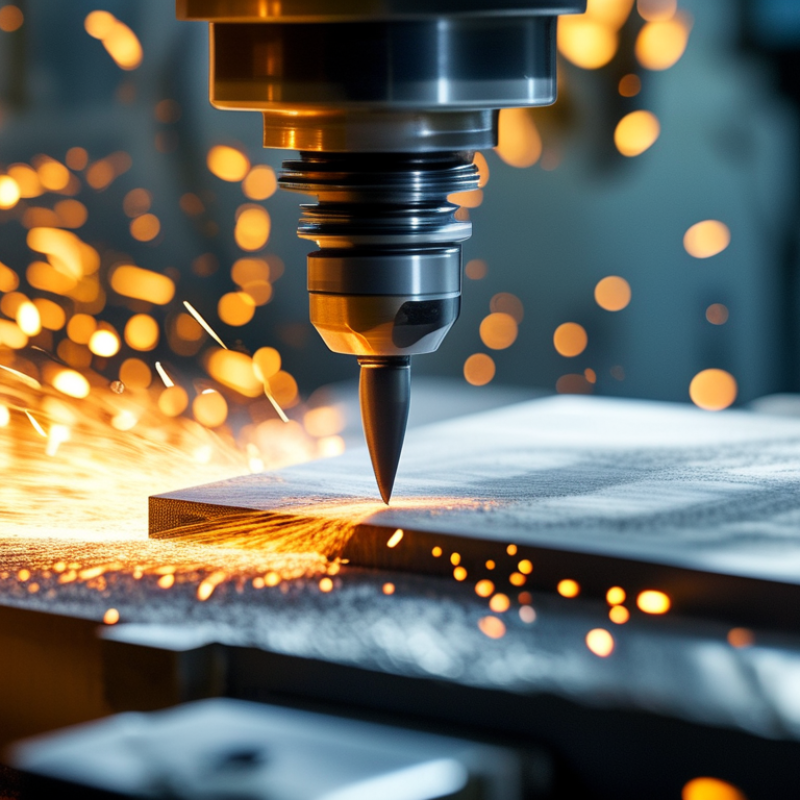
Factors Contributing to Tool Sharpness Loss
Cutting tools lose sharpness due to several critical factors. One of the primary contributors is material wear. As tools cut through various materials, the edges come into contact with hard particles. These particles can cause micro-chipping, leading to a dull edge over time. Even the slightest abrasion can accumulate, impacting tool performance.
Another significant factor is heat generation. Cutting creates friction, resulting in heat buildup. Excessive heat can alter the tool's hardness. This change affects how well the tool retains its edge. Additionally, improper cooling techniques during cutting operations can exacerbate heat-related issues. Users often overlook this aspect, leading to premature dulling.
Chemical interactions can also affect sharpness. Certain materials release particles that react with the tool's surface. These reactions may lead to accelerated wear. Proper maintenance practices often get sidelined for efficiency. Neglecting regular sharpening and cleaning increases sharpness loss. Understanding these factors can help users make informed decisions about tool care and longevity.
Material Composition and Its Impact on Edge Retention
The composition of cutting tools plays a crucial role in their ability to maintain sharpness. High-quality materials such as carbide, ceramic, and high-speed steel are often utilized in manufacturing, but the effectiveness of these materials can vary significantly. For instance, carbide tools typically exhibit a hardness of around 90 HRA. This allows them to perform well under high-stress conditions, but they can be brittle, leading to chipping or micro-fractures that diminish sharpness.
Edge retention is influenced by the tool's microstructure. A report by the American Society of Mechanical Engineers indicates that finer grain structures can enhance performance by generating a stronger cutting edge. However, achieving this balance requires precise manufacturing processes. Variances in temperature and environmental conditions during production can lead to inconsistencies, which in turn affect the lifespan of the tools.
Moreover, coatings used on cutting tools can also impact sharpness. Tools with ceramic coatings may provide better wear resistance but can snag during cutting, influencing their operational longevity. It is essential to select tools based on specific applications, considering both material properties and intended use. Many users overlook this aspect, leading to premature dulling of cutting edges. Understanding the relationship between material composition and edge retention is vital for optimizing tool performance in various machining contexts.
Why Do Cutting Tools Lose Sharpness So Quickly? - Material Composition and Its Impact on Edge Retention
| Material Composition |
Hardness (HRC) |
Toughness |
Wear Resistance |
Edge Retention |
| High-Speed Steel (HSS) |
62-67 |
Moderate |
Good |
Moderate |
| Carbide |
70-85 |
Low |
Excellent |
High |
| Ceramic |
80-90 |
Very Low |
Exceptional |
Very High |
| Coated Steel |
58-65 |
Moderate |
Good |
Moderate to High |
| Stainless Steel |
55-62 |
High |
Moderate |
Low to Moderate |
Effects of Cutting Speed and Feed Rate on Tool Wear
Cutting speed and feed rate significantly influence tool wear. When the cutting speed increases, tool wear escalates. A study by the Society of Manufacturing Engineers indicates a 25% rise in wear for every 1000 RPM increase in cutting speed. This occurs due to elevated temperatures at the cutting edge. As the material experiences friction, it softens faster.
The feed rate also plays a crucial role. A higher feed rate can cause excessive pressure on the tool. This may lead to chipping or breakage. In a report by the National Tooling and Machining Association, tools operating at high feed rates showed a 40% increase in average wear. The balance between speed and feed is critical. Finding the ideal parameters is often challenging, resulting in excessive tool replacement and downtime.
Tool wear mechanisms involve various factors, including thermal and mechanical stresses. Users often overlook these factors. While optimizing cutting parameters can enhance longevity, it requires trial and error. Each material behaves uniquely under different conditions. Only through careful observation and adjustment can manufacturers hope to extend tool life, ultimately saving costs.
Environmental Conditions and Their Influence on Sharpness
Environmental conditions play a crucial role in the sharpness of cutting tools. Humidity and temperature fluctuations can significantly affect the materials used in tool production. When tools are exposed to moisture, rusting can occur. This not only dulls the cutting edge but can also weaken the tool’s structural integrity. It’s not just about keeping tools dry; proper ventilation is also essential to reduce moisture buildup.
In addition, extreme temperatures can alter the hardness of a cutting tool. Heat can cause the tool material to expand, leading to minor deformations. Cold conditions may result in brittleness, increasing the risk of chipping during use. The accumulation of heat during use can lead to thermal fatigue, where repeated stress weakens the tool over time. Many users overlook these environmental influences, focusing solely on the tool's design and materials.
Dust and debris in the working environment can also affect sharpness. Particle buildup may cause abrasions, accelerating the dulling process. Often, maintaining a clean workspace is neglected. This oversight can lead to more frequent tool replacements. Addressing these environmental factors can significantly prolong the life and efficiency of cutting tools. Understanding these conditions allows for better maintenance and usage practices.
Maintenance Practices for Extending Cutting Tool Longevity
Cutting tools are essential for various industries. However, they often lose sharpness quickly. To combat this issue, proper maintenance practices are crucial. First, regular inspection of cutting tools is necessary. Check for any visible wear and tear, including chips and dents. This helps in identifying tools that need immediate attention.
Sharpening tools at the right intervals can significantly extend their life. Using the appropriate sharpening technique is important. Different materials require various approaches. For example, carbide tools may need special grinding wheels to maintain their edge. Also, adopting a consistent cleaning routine can prevent buildup that dulls blades. After each use, removing debris and oil will help preserve the tool's integrity.
Lastly, consider the working environment. Excessive heat and moisture can degrade tools rapidly. Ensure storage conditions are optimal. While it’s easy to overlook, proper organization can also prevent accidental damage. Reflecting on these practices can lead to improved effectiveness and tool longevity. It’s a continuous learning process to find what works best for your specific needs.
Analysis of Cutting Tool Sharpness Loss Over Time
This chart illustrates the sharpness levels of various cutting tools over time. As depicted, Tool A starts with the highest sharpness level, which decreases progressively for Tools B, C, D, and E, highlighting the importance of proper maintenance practices to extend cutting tool longevity.
FAQS
: High-quality materials like carbide, ceramic, and high-speed steel are often utilized.
Finer grain structures can create stronger cutting edges, improving performance significantly.
Inconsistencies in temperature can lead to variances that affect tool lifespan and sharpness.
Ceramic coatings may improve wear resistance but can snag during cutting operations.
Regular inspections for wear and intervals for sharpening tools are crucial for longevity.
Clean the tools to remove debris and oil, preserving their integrity.
Excessive heat and moisture can degrade tools, so optimal storage conditions are important.
Proper organization can prevent accidental damage, leading to better tool longevity.
Each material requires specific approaches, such as using special grinding wheels for carbide tools.
Continuous learning can help identify effective strategies for specific needs and improve tool effectiveness.
Conclusion
The article titled "Why Do Cutting Tools Lose Sharpness So Quickly?" explores various factors contributing to the rapid loss of sharpness in cutting tools. Key elements include material composition, which significantly impacts edge retention; the interplay between cutting speed and feed rate, which can accelerate tool wear; and environmental conditions that can further influence sharpness deterioration. Additionally, it emphasizes the importance of proper maintenance practices to extend the longevity of cutting tools, highlighting that neglect in these areas can lead to increased operational costs and decreased efficiency.
Understanding why cutting tools lose sharpness quickly is crucial for optimizing their performance. By addressing factors such as the selection of materials, controlling operational parameters, and adhering to regular maintenance routines, users can significantly improve the lifespan and effectiveness of their cutting tools.

 Carto Tool