Choosing the right cutting speed for metal work is crucial for achieving optimal results. According to a recent report from the Manufacturing Institute, improper cutting speeds can lead to increased tool wear and reduced product quality. Industry experts emphasize the importance of this decision. For instance, John Smith, a renowned metalworking consultant, states, "Understanding how to choose the right cutting speed for metal work can drastically improve efficiency and output."
When selecting a cutting speed, factors such as material type, tool specifications, and machine capabilities play vital roles. Each element directly influences the cutting process and its outcome. Different metals require distinct approaches. For example, softer materials may allow faster cutting speeds while harder metals often necessitate lower speeds to prevent tool damage. These nuanced choices can define success or failure in a project.
Moreover, many professionals struggle with these decisions. They often rely on general guidelines rather than tailoring approaches to specific situations. This can lead to ineffective practices and compromised results. By understanding the intricacies of cutting speed, metal workers can refine their techniques and enhance productivity. Ultimately, mastering how to choose the right cutting speed for metal work is essential for any serious metalworking professional.
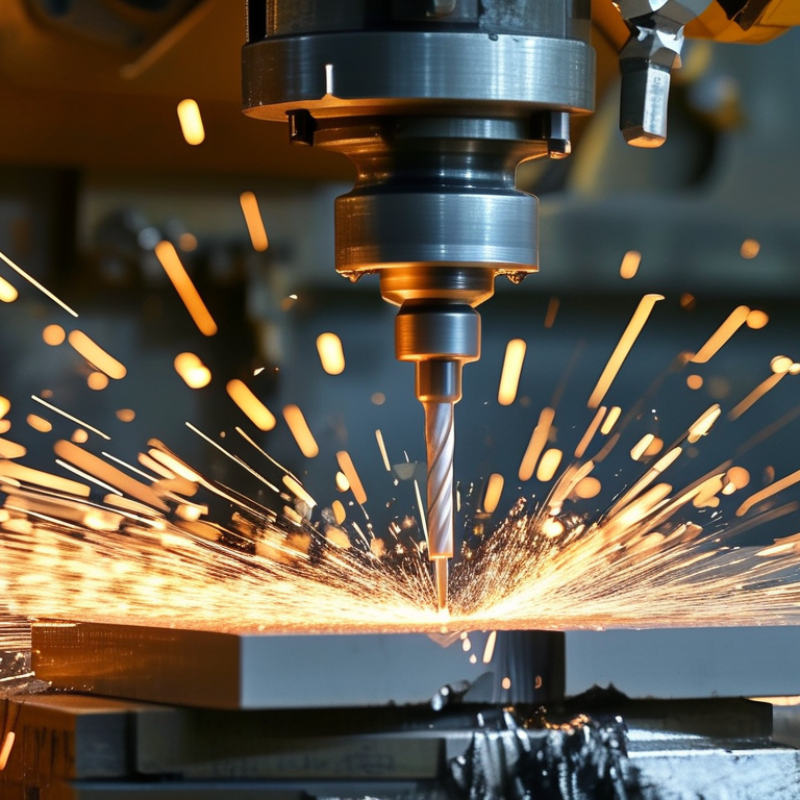
Cutting speed is a crucial concept in metalworking. It defines how fast the cutting tool moves across the material. Understanding it can significantly affect the quality of the finished product and the tool’s lifespan. A higher cutting speed can lead to faster production but may also generate excess heat. This can compromise the integrity of both the tool and the material.
Choosing the right cutting speed involves weighing different factors. Material properties, tool design, and desired surface finish all play vital roles. For instance, softer metals like aluminum can tolerate higher speeds, while harder alloys require slower rates to prevent tool wear.
It’s common to see machinists struggle with these decisions, often leading to subpar results. Mistakes can occur if they overlook these key variables. It’s essential to analyze each situation individually, fostering a tailored approach for optimal performance.
Choosing the right cutting speed is crucial for effective metalworking. Several factors influence this decision, particularly the type of material and the geometry of the cutting tool. Different metals react differently to cutting speeds. For instance, softer metals usually allow for higher speeds, while harder materials require slower, more controlled cuts to prevent tool wear or damage.
Tool geometry also plays a significant role. A sharp edge cuts more efficiently than a dull one. The angle of the cutting edge can influence the friction between the tool and the material. High rake angles reduce cutting force but may not work well with all materials. Always match the tool's design to the material type for optimal results.
When determining cutting speed, consider starting slow and increasing gradually to find the sweet spot. This approach helps to avoid mistakes that could lead to poor finishes or tool failure. Monitor the temperature during cutting. Excessive heat can indicate the need to adjust speed or feed rates. Experimentation is key; records of previous cuts can guide future choices. Understanding these nuances enhances precision and efficiency in your work.
Choosing the right cutting speed for metal work is crucial for efficiency and quality. The optimal cutting speed greatly depends on the material being cut and the type of cutting tool used. A well-known formula for calculating cutting speed is:
\[ V = \frac{(π \times D \times N)}{1000} \]
where \( V \) is the cutting speed in meters per minute, \( D \) is the diameter of the cutting tool in mm, and \( N \) is the spindle speed in revolutions per minute (RPM). This simple formula serves as a starting point, but the specific conditions of your machining environment will affect the final decision.
Industry guidelines often suggest adjusting cutting speeds based on several factors. For instance, when machining carbon steel, a common recommendation is to use a cutting speed between 30 and 50 m/min. In contrast, aluminum can tolerate much higher speeds, up to 1000 m/min. However, these numbers aren’t universally applicable. If the tool wear rate increases, or if there’s excessive heat generation, it might signal that the cutting speed is too high. These are signs that adjustments are necessary, emphasizing the importance of continuous evaluation during metal working procedures.
Choosing the right cutting speed for metal working is crucial for efficiency and quality. The typical cutting speed ranges differ widely across materials. For instance, steel generally requires a cutting speed between 60 to 120 meters per minute (mpm). This range ensures the balance between tool life and surface finish. Lower end speeds might lead to longer machining times, while excessively high speeds can cause overheating.
Aluminum, on the other hand, benefits from a higher cutting speed, often ranging from 150 to 300 mpm. This improvement in cutting speed can enhance productivity, but it also raises the risk of tool wear if not managed properly. Machining data suggests that improper speeds not only hasten tool degradation but also lead to inaccuracies in the final product.
Other materials, like copper or titanium, fall into unique categories as well. For copper, speeds can reach up to 200 mpm, while titanium requires slower speeds around 40 mpm due to its challenging properties. Understanding these specific requirements is essential for anyone in the metalworking industry. Stick to the recommended zones and routinely reassess your techniques. Such proactive measures can prevent costly mistakes.
Choosing the right cutting speed for metalworking is all about balance. Feeds and speeds play a crucial role in determining efficiency and tool life. A higher speed might produce a smoother finish, but it could also wear down tools more quickly. Finding the sweet spot requires experimentation.
Achieving the right balance means observing results closely. Monitor tool wear under different speeds. Adjusting feeds can also make a significant difference. Too slow may lead to overheating, while too fast can cause chatter. Utilize test pieces to dial in settings. It’s a trial-and-error process, and understanding your tools is key.
Every piece of metal behaves differently. Consider material type when adjusting speeds. Steel may respond well to higher speeds, but softer metals might require gentler handling. It’s a learning curve; mistakes can lead to wasted materials. Reflect on each experience to improve future results.
: Consider material type and tool geometry. Softer metals allow higher speeds, while harder materials need slower cuts.
A sharp tool edge offers better cutting efficiency. The cutting edge angle also influences friction with the material.
Start with slower speeds and gradually increase. This helps avoid mistakes that can lead to poor finishes.
Excessive heat can signal needed adjustments in speed and feed rates. It helps prevent tool damage and improves results.
Steel typically requires a cutting speed between 60 to 120 meters per minute. This supports tool life and surface finish.
Aluminum can be cut at higher speeds, often between 150 to 300 meters per minute, improving productivity but increasing tool wear risks.
Excessively high speeds can lead to overheating and tool degradation. This may also cause inaccuracies in the final product.
Titanium requires slower cutting speeds around 40 meters per minute. It poses unique challenges, so precision is crucial.
Yes, regularly reviewing your techniques and cutting speeds can prevent costly mistakes and improve the quality of your work.
Absolutely. Keeping records can guide future choices and help optimize your cutting speed and techniques.
Choosing the right cutting speed for metal work is crucial for optimizing machining efficiency and extending tool life. Understanding cutting speed involves recognizing its definition and significance in the metalworking process, as well as the various factors that influence it, such as material type and tool geometry. Calculating the optimal cutting speed can be achieved through specific formulas and industry guidelines tailored to different metals, like steel and aluminum.
Additionally, the balance of feeds and speeds is essential, as it directly impacts both the performance of the tool and the quality of the finished product. The article outlines common cutting speed ranges for various materials, providing essential insights on how to choose the right cutting speed for metal work effectively. By considering these aspects, metalworkers can enhance their productivity while ensuring reliable tool performance.

Carto Tool